
Western Australia’s ailing health system is turning to AI to try and help free up doctors and nurses to focus on patient care.
It comes as data released today showed the state’s emergency departments (EDs) are among the most stretched in the nation, with fewer than half of patients being seen within recommended time frames.
Those issues are generally a reflection of pressures on hospital wards, which are unable to take patients out of EDs until beds can be freed up.
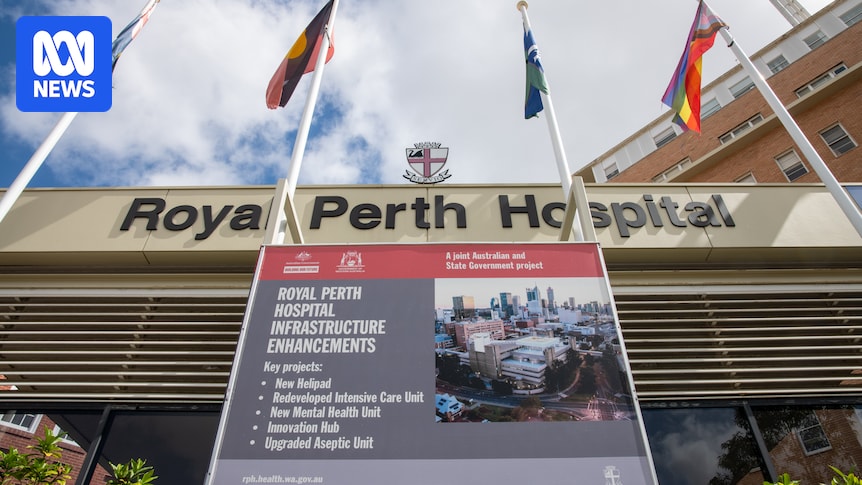
In a bid to try and keep patients flowing through hospitals, Health Minister Meredith Hammat told a business breakfast this morning WA Health would be funded to trial using artificial intelligence at Royal Perth Hospital.
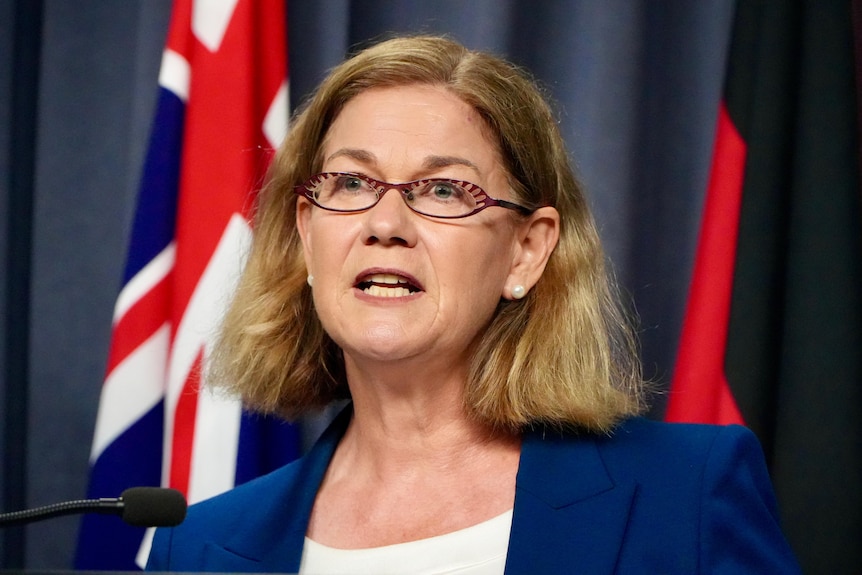
Health Minister Meredith Hammat says AI could improve “how people move through our hospital system”. (ABC News: Courtney Withers)
She said it would be used to help “forecast options” and offer “predictive insights” from the moment patients arrive at hospital.
“It will also assist health workers to schedule important tasks like medical imaging, laboratory tests, pharmacy medication packs and the preparation of discharge summaries,” Ms Hammat said.
“The pilot is designed to improve patient flow and hospital bed availability, especially during the winter surge period.
The health minister said the technology was “not about patient care so much” because that would remain the responsibility of professionals.
“But how people move through our hospital system, so that we can make sure people are discharged as soon as possible with everything that they need,” she said.
Aged care support for older patients
Ms Hammat later explained one area of focus for the trial would be making earlier decisions about what assistance might be needed to discharge a patient.
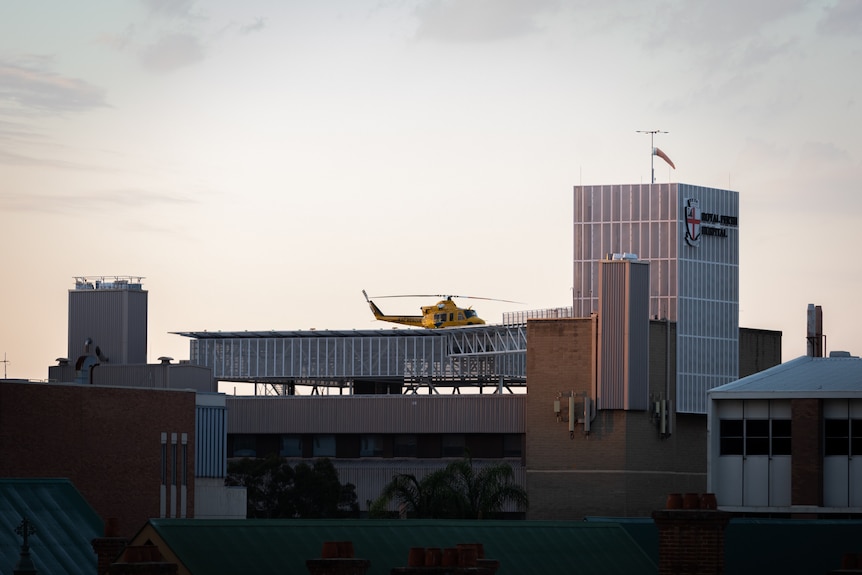
The idea is the AI use inside the hospital will free up doctors and nurses to focus on patient care. (ABC News: Cason Ho)
“We do know that one of the challenges for our health system is for those older patients who are not able to be discharged from hospital until they have in place appropriate aged care support,” she said.
“So the use of AI will allow some consideration about whether [for] particular patients, that might be an issue for them.
“It would allow the planning to start earlier and provide for that appropriate support earlier in their journey.”
WA government to buy private hospital, scraps $1.6b convention centre facelift
While the use of AI in healthcare has raised concerns about what happens when it makes mistakes, and the security of data, Ms Hammat insisted WA’s use would be “supported by a robust governance framework”.
She said the government would also develop a real-time dashboard to monitor bed availability across the entire health system.
Worst ED wait times in country
It comes as new data from the Australian Institute of Health and Welfare showed WA had the worst emergency department wait times in the country last financial year.
The median wait time in WA was 44 minutes — more than double the national median of 18 minutes.
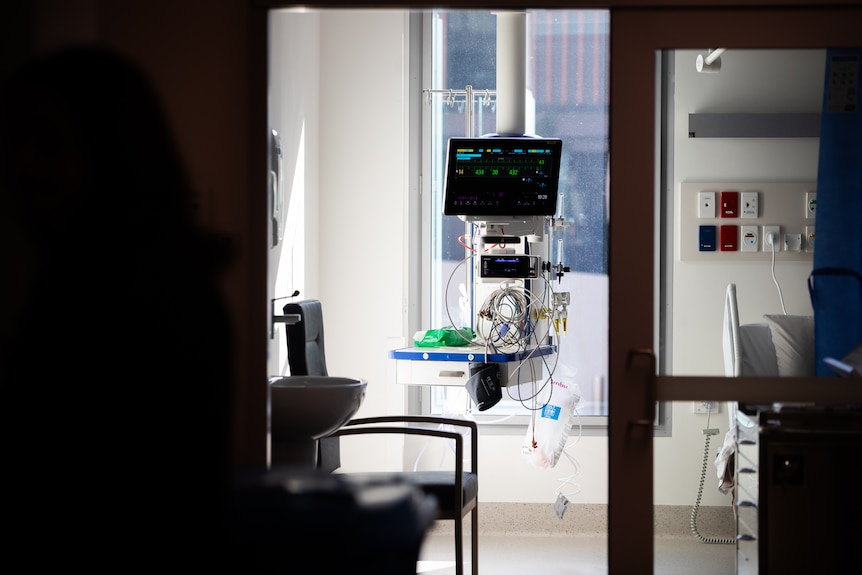
WA’s hospitals have been under major pressure, with the government seeking ways to reduce the strain. (ABC News: Keane Bourke)
Only 46 per cent of West Australians who presented to EDs were seen on time, compared to 67 per cent nationally.
That was despite WA recording one of the smallest increases in the number of emergency department presentations of all the states and territories.
This year’s flu season was the state’s worst since records began in 2001, with authorities pointing to low vaccination rates.
New WA hospital not a silver bullet, says former health boss
It contributed to ambulances spending a record amount of time parked outside hospitals, unable to transfer patients.
“The increase in demand is not always about additional people, it is about the complexity that people have when they come to hospital,” Ms Hammat said.
“And we’ve seen much more of that, people presenting with not just one health condition, sometimes multiple conditions that need to be managed.”
The government has said those pressures are exacerbated by a shortage of aged care places, which means hundreds of West Australians ready to be discharged are instead waiting in hospital beds.
Loading