
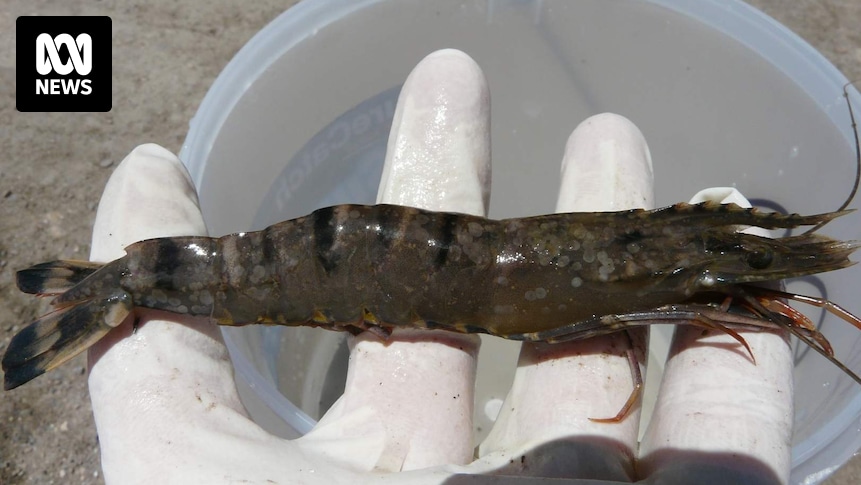
The federal government is being accused of allowing “trade to trump biosecurity” over proposed changes that industry says will “weaken” and “roll back” testing of potentially diseased raw prawn imports.
In November, the Federal Department of Agriculture released its proposed ‘guidelines for the evaluation of overseas pre-export testing’ of raw prawns headed to Australia.
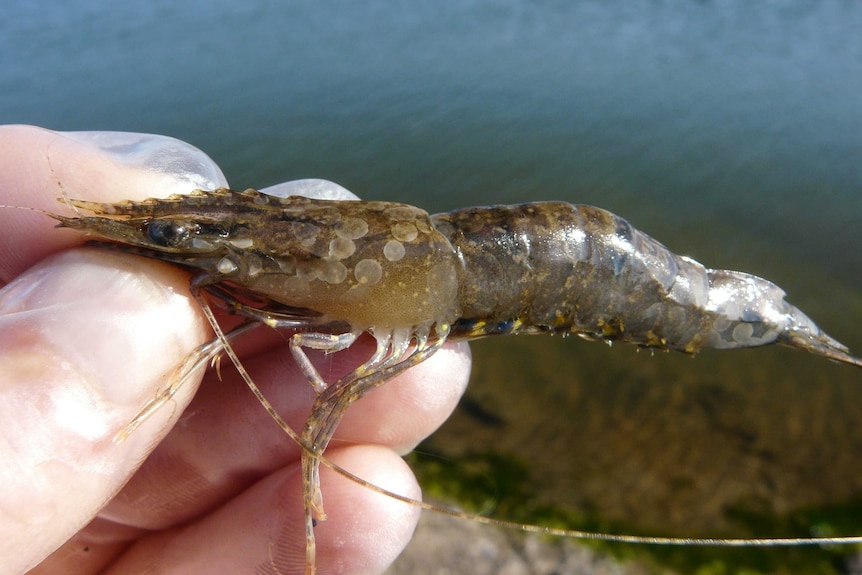
White spot disease is deadly to prawns contained in aquaculture ponds. (Supplied: DigsFish Services)
Currently, authorities test samples from 100 per cent of the containers of uncooked prawns that arrive in Australia.
But under the proposed changes, testing would be carried out offshore, before export, by “competent authorities” within foreign governments.

Australian Prawn Farmers Association executive officer Kim Hooper believes prawns should be cooked before being allowed into Australia. (ABC News: Tom Forbes)
“We’re very, very concerned,” Australian Prawn Farmers Association chief executive Kim Hooper said.
“This is not a minor technical change; it’s a rollback that reduces certainty.”
A letter leaked to industry last Friday and seen by the ABC, revealed that between the 2020-2021 and 2024-25 financial years, 22 containers of raw prawns from Vietnam and Thailand failed testing on arrival.
It advised that the diseased consignments tested positive for either white spot or yellowhead disease (which are deadly to farmed prawns but do not harm humans) and had to be “re-exported or destroyed”.
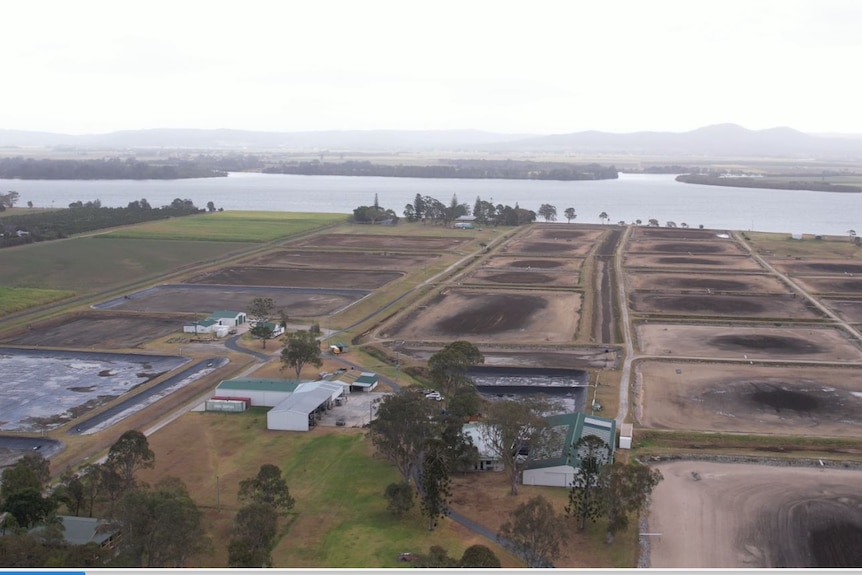
A drone shot of a disused prawn farm at Palmers Island on the Clarence River near Yamba NSW, October 2023. (ABC News: Kingsley Haxton)
‘Unjust double standard’
White spot disease has devastated prawn farming on Queensland’s Logan River and New South Wales’ Clarence River since Australia’s first outbreak in 2016.
Farmers and wild-caught fishers south of Caloundra and in northern New South Wales cannot move prawns out of their regions without first cooking them.
“It’s an incredible double standard, so the trade for them is unjust,” Ms Hooper said.
“Importers have a better trade deal than what our own local farmers and fishers do.”
Ms Hooper said the proposed rules treat imported prawns more leniently than any other raw animal protein, including imported pork.
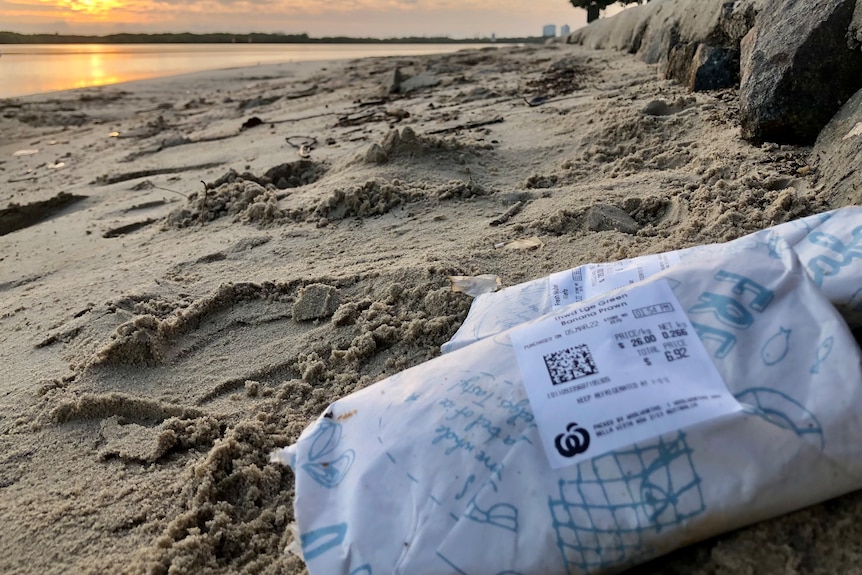
Despite industry pleas, recreational fishers are still using imported raw prawns as bait. (ABC Rural: Jennifer Nichols)
At the time of the first white spot outbreak, Australia’s then inspector-general of biosecurity, Helen Scott-Orr, said the source of the Logan River infection was suspected to be imported uncooked supermarket prawns used as bait.
‘Backward step to the bad old days’
Ben Diggles, an aquatic animal health specialist who has given biosecurity import risk assessments for decades to industry and government, was scathing of the proposed changes.
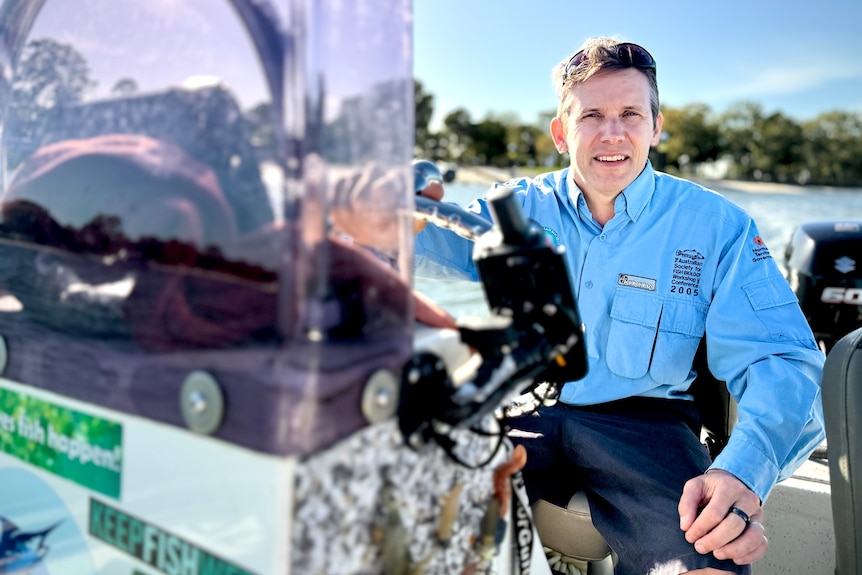
Dr Ben Diggles says the only way to stop disease spreading is to cook all imported prawns. (ABC Rural: Jennifer Nichols)
“It’s definitely a backward step to the bad old days when we had inadequate controls that allowed white spot into the country,” Dr Diggles said.
“Because of inadequate funding, they’re devolving responsibility for our border controls to countries which have already shown that they can’t keep these diseases out.”
Dr Diggles said higher levels of protection were being enforced for prawns travelling from Queensland’s white spot zone to Western Australia than from other countries.
“These countries have a range of other diseases that are still not even being tested for.”
Dr Diggles said countries, including New Caledonia, have kept disease out by requiring all imported prawn commodities to be cooked.

Queensland Seafood Industry Association executive officer David Bobbermen is concerned about the proposed import changes. (ABC Rural: Jennifer Nichols)
Queensland Seafood Industry Association executive officer David Bobbermen described the proposed testing changes as “short-sighted”.
“It beggars belief, the financial consequences of having more white spot or any other marine disease spread in our waterways would be catastrophic,” Mr Bobbermen said.
Mr Bobberman said that the QSIA had warned the federal government of the risk of introducing disease in 2006, 10 years before the first white spot outbreak.
“I hope we’re not right again,” he said.
“I just don’t get why a government would allow the relaxation of testing on arrival.”
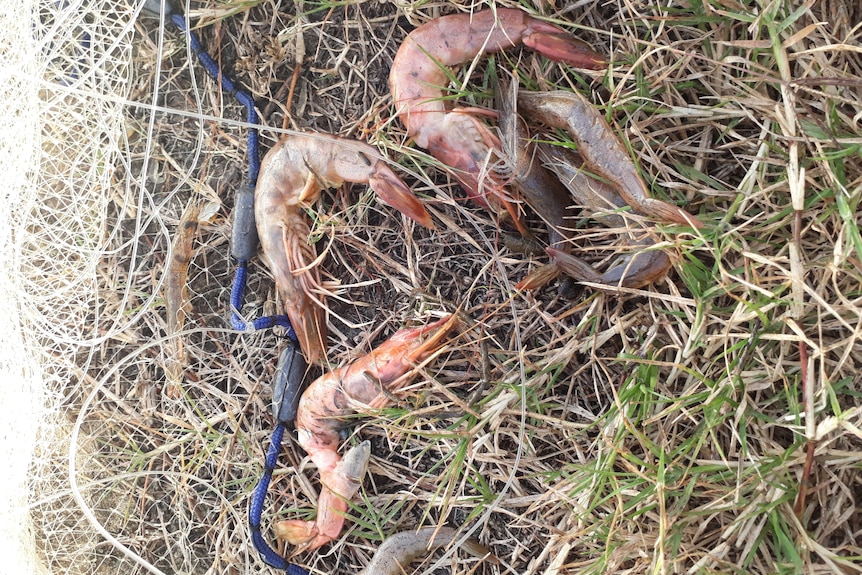
Wild banana prawns from the Logan River killed by white spot disease. (Supplied: DigsFish services)
Further scientific work required
In a statement, a Federal Agriculture Department spokesperson said the “Australian Government will never compromise on biosecurity which protects Australia’s $100 billion agriculture, fisheries and forestry industries and our environment”.
“Any pre-export testing arrangements would only be approved following a robust and comprehensive scientific assessment, and once countries have met Australia’s high standards for equivalence.”
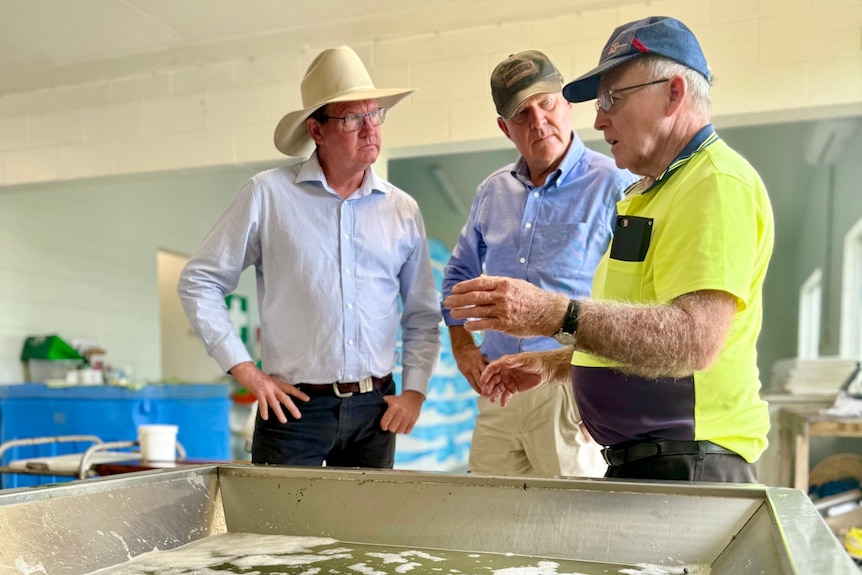
(L-R) Glen Kelly Mirani MP, Tony Perrett and prawn farmer David Symons. (Supplied: Qld Department of Primary Industries)
Queensland’s Minister for Primary Industries, Tony Perrett said it was deeply concerning that the Albanese government “is considering exposing our seafood environment to diseases and pests from overseas”.
Shared concerns
In a joint media statement the Australian Prawn Farmers Association and Australian Council of Prawn Fisheries called on the federal government to maintain 100 per cent on-arrival testing for uncooked prawns grown in any country not demonstrably disease-free.
The groups called on people to support the industry by choosing Australian wild-caught and farmed seafood this Christmas.