
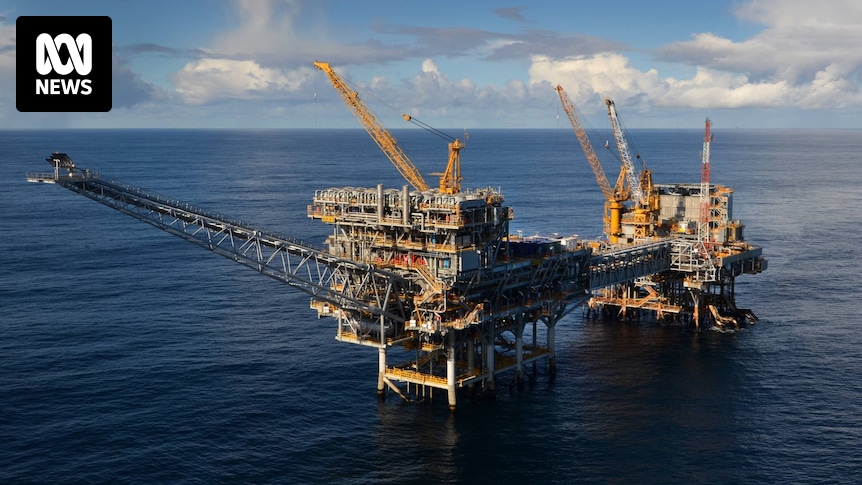
The Victorian government has approved exploration licences for two new gas projects in the Otway and Gippsland basins, drawing criticism from environmental groups.
The permits would allow companies to search for gas offshore within the Otway Basin on Victoria’s southern coast.
It will also allow onshore exploration in the Gippsland area near the Ninety Mile Beach Marine National Park.
The Gippsland exploration area covers 199 square kilometres between Woodside and Seaspray on the coast.
The government has invited private industry to tender for the new offshore and onshore reserves offering and said it would prefer applications for the offshore zone that do not propose further seismic testing and rely on existing data.
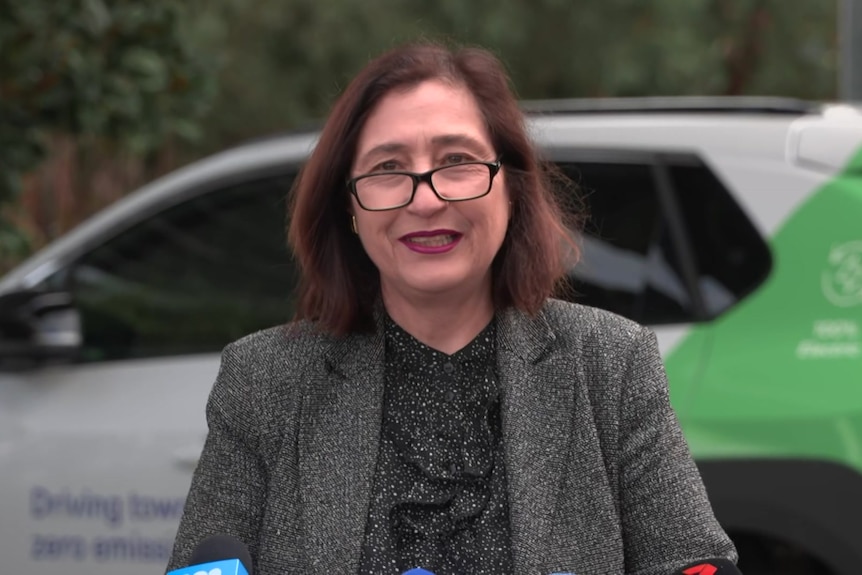
Lily D’Ambrosio says gas exploration is necessary for the state’s energy transition. (ABC News)
Victorian Energy Minister Lily D’Ambrosio said the exploration of new gas was a necessary part of the state’s energy transition.
“We’ve always said gas is part of our energy transition, but legacy supplies from Victoria’s Bass Strait are dwindling, and prices are going up,” Ms D’Ambrosio said.
“There are nearly 2 million households in Victoria right now that are connected to gas, and hundreds of thousands of businesses, and transition does not happen overnight.
“That is why we’ve got the policies that we’ve got in place because we need to ensure that there’s an orderly transition.”
Victoria is in the process of phasing out gas, requiring new homes to be all-electric from January 1, 2027.
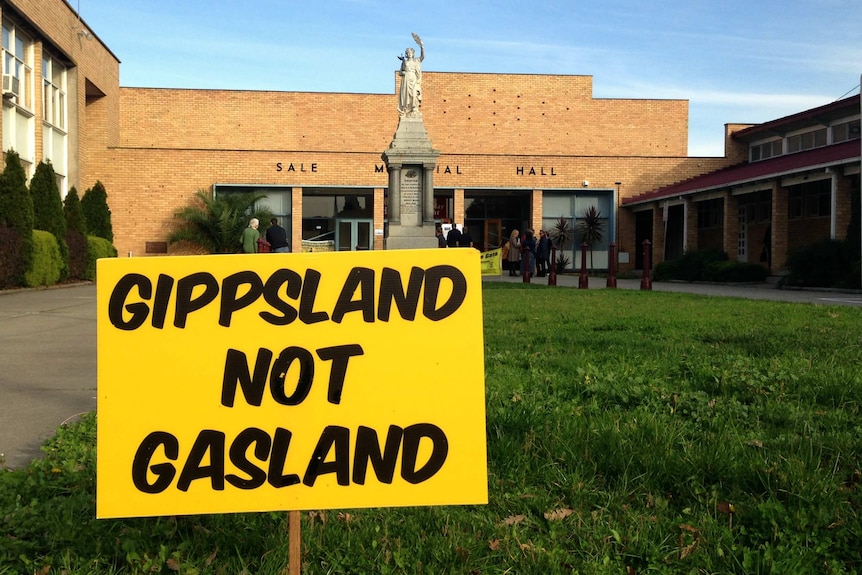
There was previously strong community opposition to onshore gas development. (ABC News: Jeremy Story Carter)
Gas necessary component
Grattan Institute energy and climate change program senior fellow Tony Wood said Victoria was running out of gas faster than it could transition to renewables.
“The government finds itself caught between trying to deal with two almost contradictory things — one is 80 per cent of us have gas in our homes for cooking and heating and so forth, and we know that over the next 25 years we are going to have to stop doing that,” he said.
“The second thing is, the last thing we need is to run out of gas before that happens. The traditional source of gas that’s provided Victoria for gas for the last 50 years is probably running out faster than we are getting off gas.
“You don’t have to be a mathematical genius to work out that if we’re running out of gas faster than we’re getting off gas, then we have a problem.”
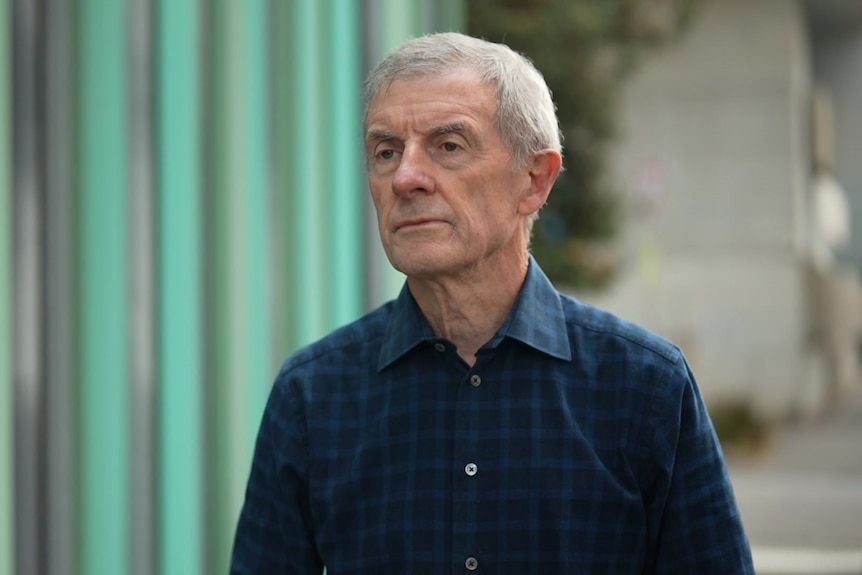
Tony Wood says gas will continue to be part of Victoria’s energy mix. (ABC News)
A recent report from the Victorian Auditor General found that Victoria was unlikely to reach its target of 2 gigawatts of offshore wind power by 2032.
As the state moves towards renewable energy, Mr Wood said gas would continue as a back-up for wind and solar “for a while yet”.
Environmental groups condemn move
Environmental groups have condemned the Victorian government’s decision to put the exploration licences out for tender.
Friends of the Earth and Environment Victoria said the projects would have negative environmental impacts on groundwater and marine environments.

Kat Lucas-Healey says allowing for gas exploration could have grave environmental impacts. (Supplied: Enviroment Victoria )
Environment Victoria senior climate and energy advisor Kat Lucas-Healey said Australia produced enough gas to satisfy demand, but it was being exported instead of used domestically.
“Most of the gas that’s exported, those companies are not paying any royalties on,” Dr Lucas-Healey said.
“What they need to do is start paying a reasonable amount of tax, and that should be going towards helping the homes and businesses to get off gas, because the only way out of this problem is for us to get off gas.”
She said Victoria was in the process of phasing out new gas connections and that granting the new exploration licences would cause “serious and lasting environmental harm for what are likely to be very minor gas resources”.
“It’s really not worth it,” Dr Lucas-Healey said.
Tenders for the licences close in February 2026.