
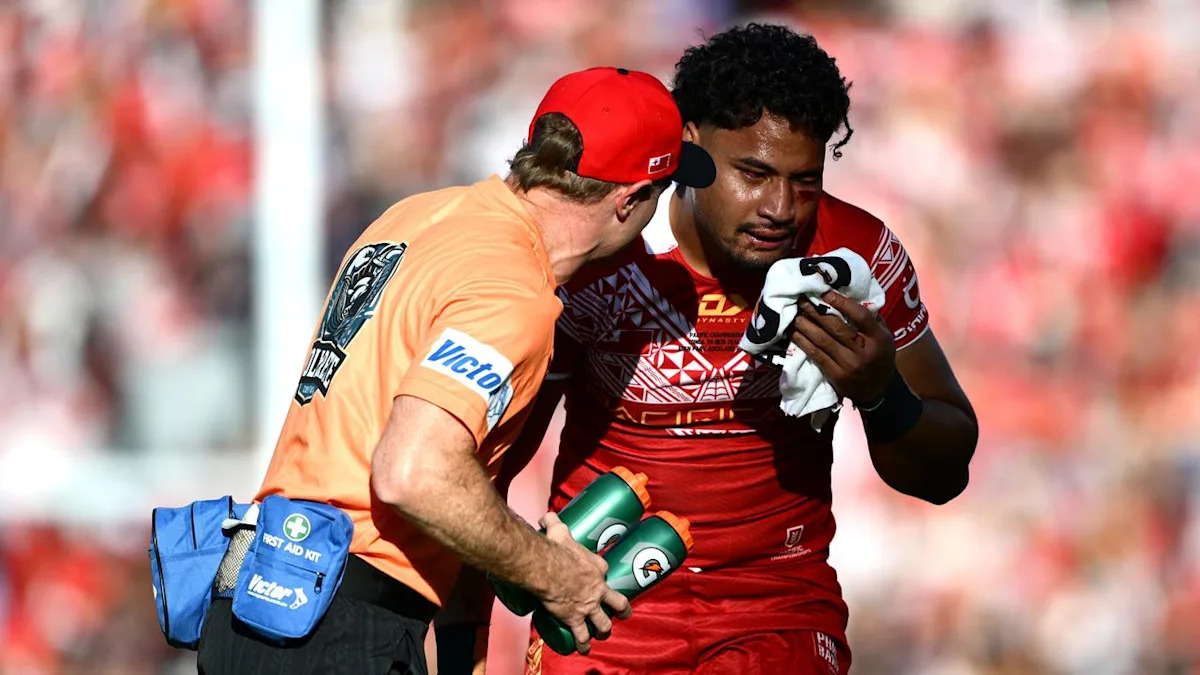
Leading compensation lawyer Peter Carter has warned any rugby league body involved in the heartbreaking Eliesa Katoa incident could be liable for the injuries sustained by the star forward.
Katoa has been ruled out by the Storm for the 2026 season after he suffered repeated head knocks before and during a game for Tonga against New Zealand in November.
The Dally M Second Rower of the Year required surgery to ease pressure on his brain and spent two weeks in an Auckland hospital before he was cleared to return to Melbourne where he has continued to work with specialists.
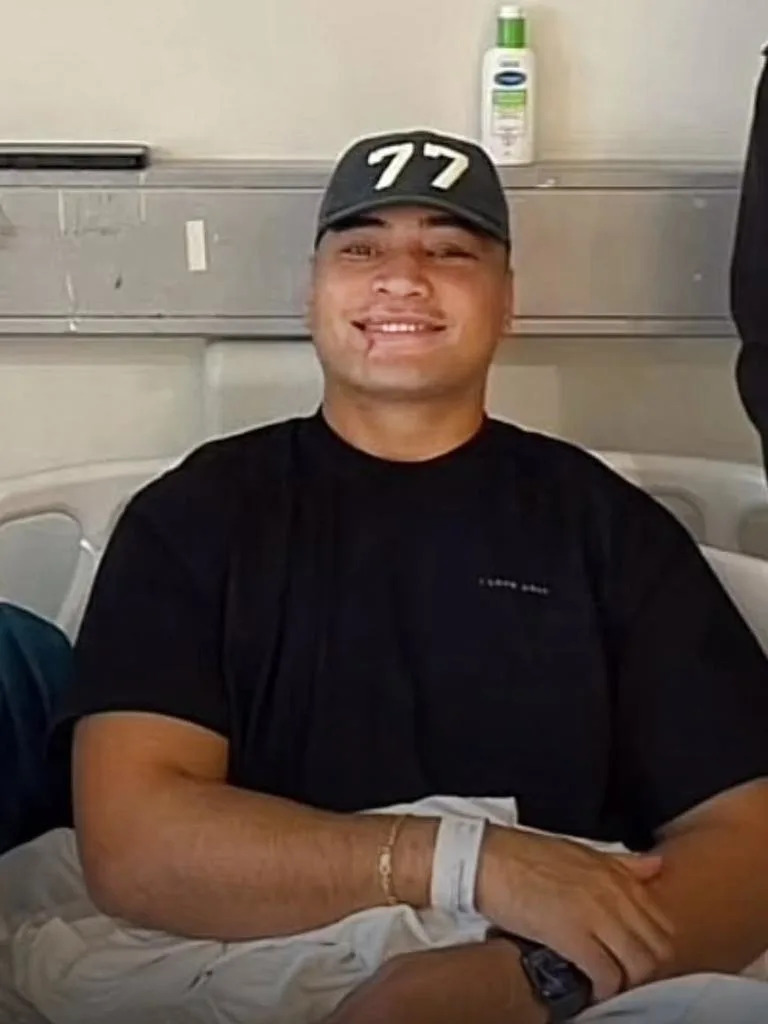
Eli Katoa spent weeks in hospital following three head knocks in the space of 90 minutes.
The fact he was allowed to play in that match after copping a nasty blow to the head from teammate Lehi Hopoate before the match raised alarm bells, although the Tongan team were adamant they didn’t see the footage that went to air.
“Liability falls first on the Tongan (team) and its national league organisation,” said Carter, who is representing former Manly prop Lloyd Perrett in separate legal proceedings against the club for an allegedly “outlandish training regime” that ended his career.
“The NRL, could also be potentially liable since employers have a duty to take reasonable care to avoid foreseeable risks of injury to their employees.”
Carter claims that there “may be liability (on) the part of any association that played a role in the championship’s oversight, funding or promotion”.
That would include the NRL, with Carter questioning why they didn’t appoint a medical officer for the Pacific Championships which were promoted and in part organised by the game’s governing body.
The NRL handed down its findings on Monday, proposing Tonga’s head doctor, assistant doctor and head trainer be suspended from rugby league activities for the next 24 months.
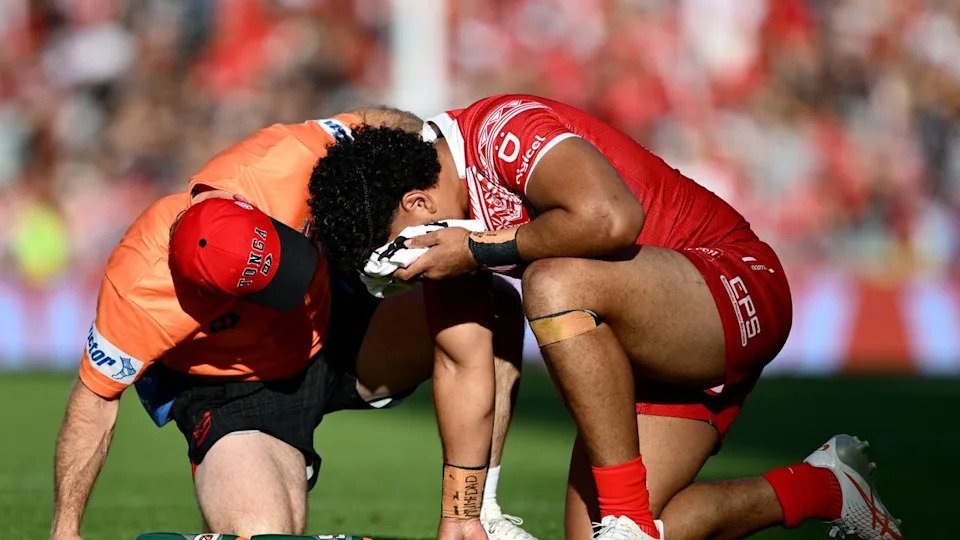
The NRL has handed down proposed bans for several people involved. Picture: Hannah Peters/Getty Images
Katoa has indicated in recent weeks that he holds no ill will to those involved, but Carter has made it clear that there is an avenue for him to pursue legal action.
“The sporting field is a professional footballer’s workplace and the employer’s duty of care extends to this realm,” he said.
“Liability also depends on evidence supporting the contention that being allowed to play after the head knock was medically considered to have worsened Katoa’s condition.
“Rugby league is an intensely physical sport but player safety always has to come first.
“NRL and other sports administrators need to heed the lessons of this case and ensure they never compromise on player safety.”