
Unlock the Editor’s Digest for free
Roula Khalaf, Editor of the FT, selects her favourite stories in this weekly newsletter.
Private equity is on the ball where sports are concerned — most notably CVC, which this year created a unit to hold all its investments in the sector. There’s a world of difference, though, between backing a team or a league, which fits with buyout barons’ focus on returns and clean exits, and investing alongside national federations, which answer to multiple stakeholders including governments, athletes and fans.
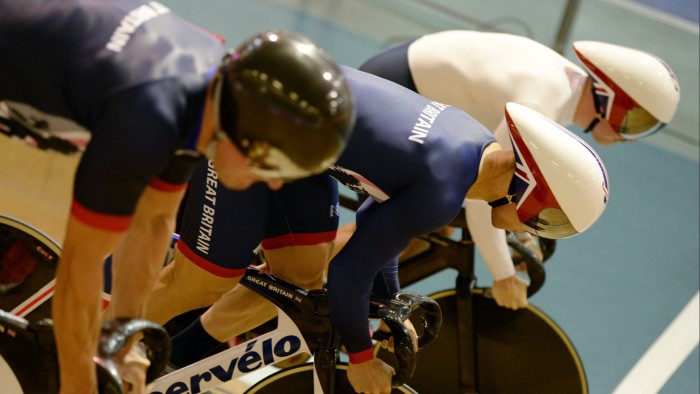
That’s the challenge facing British Cycling, the first UK Olympic federation to take this idea for a spin. It is demerging its commercial unit and inviting outside investment. The federation’s commercial revenue totalled just £5.3mn but its spin-off, British Cycling Ventures, does have some interesting moneymaking ideas with which to entice potential investors.
The most straightforward of them is to launch new competitions, which can attract sponsorship as well as ticket and merchandise sales. These include cyclo-cross — think mud, bikes, hills and beer — kids doing BMX tricks in a stadium or, for the purists, track racing in the UK’s big velodromes. The model has a strong record in other fields: witness English cricket’s success this year in drawing a mix of Silicon Valley tech executives, hedge funds and India’s Ambani family to back its short-form Hundred competition.
To make it work, BCV needs to be clear about what it wants and expects from any deal. Being public about the expected timeline and outcomes helps. Since Silver Lake pumped NZ$263mn ($152mn) into New Zealand Rugby’s commercial arm almost four years ago, promising to help develop its global digital opportunities, revenue has remained flat, prompting media criticism. Silver Lake is charging just 4 per cent for the perpetual debt it has extended to the vehicle, but has the option to convert to equity. That might come in handy: rugby’s popularity is expected to soar after the US hosts the Rugby World Cup in 2031. A 10-year investment horizon would be a stretch but it is not unheard of.

Despite Britain’s outsized cycling successes over the past two decades — multiple Olympic golds, world champions and Tour de France wins — it’s not a frontline sport in the UK. That might whet investor appetite: room to grow, star athletes available to help promote and theoretically a big potential market of daily cyclists — all for a moderate outlay, in private equity terms. Just don’t expect a quick return.