
Taylor Kerns / Android Authority
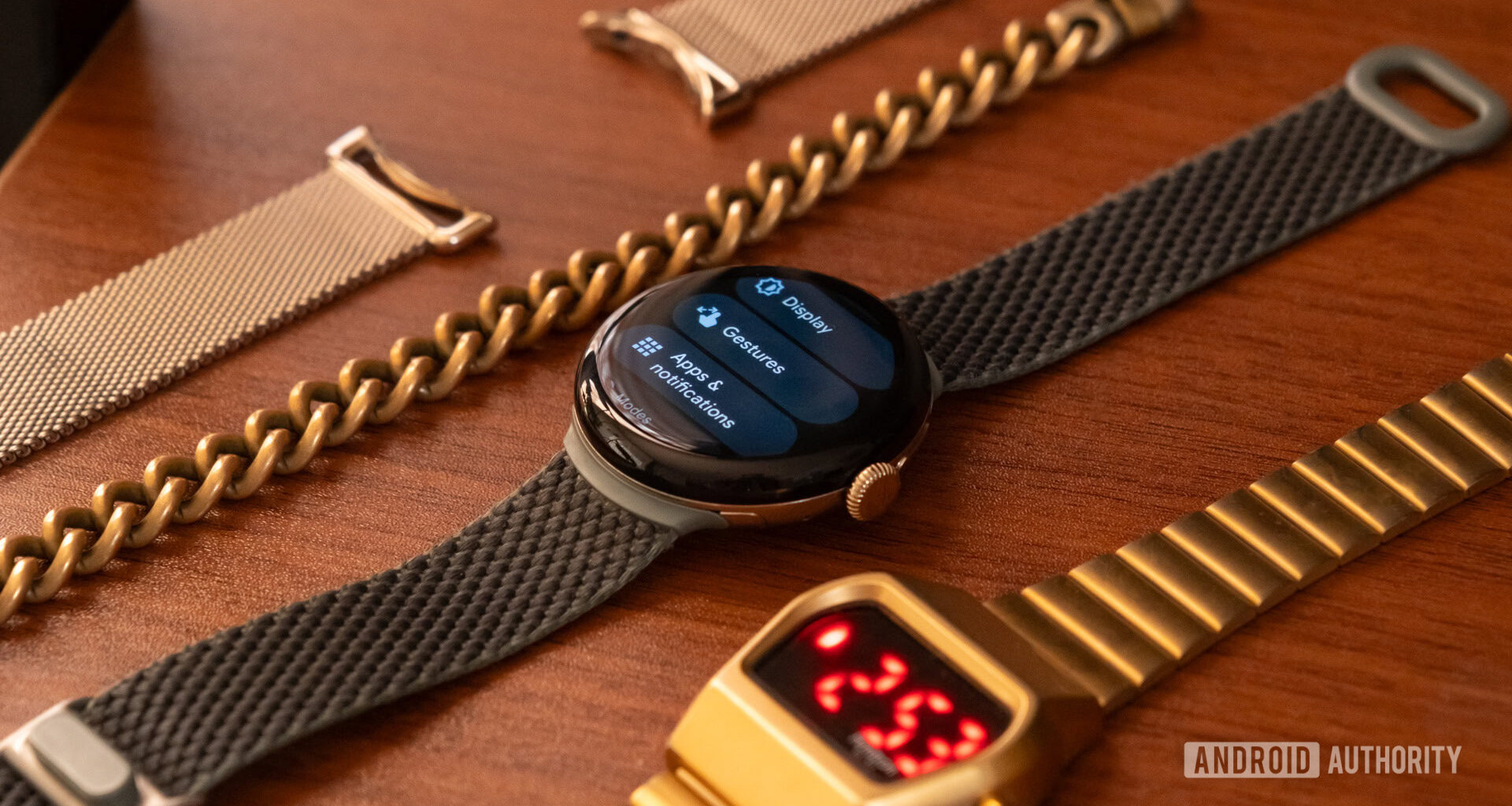
This past week, Google upgraded its Pixel Watch wearables to Wear OS 6.1. The update brings Android 16 QPR2 to watches for the first time, and more importantly, includes some cool new features. The highest-profile addition is new gesture controls that let you pinch your fingers or flick your wrist to perform certain actions with one hand, a useful option that competitors like Samsung and Apple have offered variations of for some time in their own wearables.
There’s just one problem. These gesture controls are exclusive to the latest Pixel Watch 4, with no immediate plans from Google to bring them to older models. And if you ask me, that feels pretty un-Pixely.
How often do you upgrade your smartwatch?
9 votes
Every year.
0%
Every other year.
0%
Once every few years.
44%
Whenever the old one stops working.
56%
What’s in an update?
Kaitlyn Cimino / Android Authority
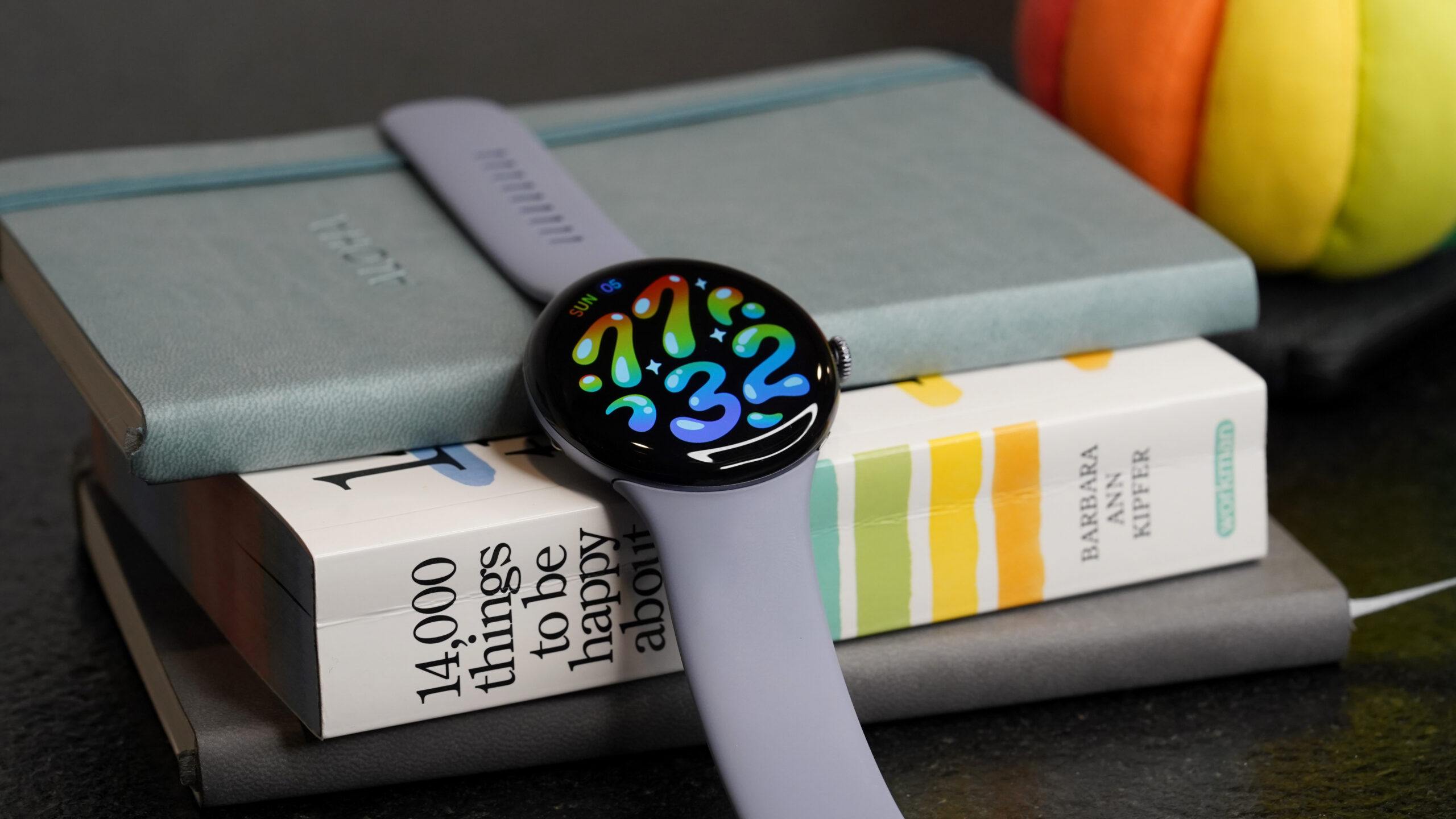
The Wear OS 6.1 update brings a couple of new features to the Pixel Watch 4. There are the gesture controls and some behind-the-scenes improvements to Smart Replies that are supposed to make them better while also saving a little power. The Pixel Watch 3 gets the Smart Replies tweaks, but no gesture controls. Pixel Watch 2 is also eligible for Wear OS 6.1, but so far as I can tell, all it brings to Google’s second-gen watch are some security fixes. The first-gen Pixel Watch got its last guaranteed update in October, so it doesn’t benefit from Wear OS 6.1 at all.
Withholding some new features from previous-gen hardware is inevitable. Sometimes an older piece of tech lacks necessary hardware components, or doesn’t have the headroom to support a new feature without tanking performance or battery life. The Pixel Watch 4 does run on a newer chipset than the Pixel Watch 3, but the Watch 4’s Qualcomm SW5150 uses the same Cortex-A55 CPU as the Watch 3’s SW5100, and the two share the same clock speeds. The main benefits of the newer chip are that it’s smaller and more power-efficient — important in a smartwatch, to be sure, but not strictly relevant here. Both watches have the same 2GB of RAM, as well.
And while the Pixel Watch 4 has a newer chipset than the Pixel Watch 3, the Pixel Watch 3 and Watch 2 share the same chipset (and RAM), which makes the absence of Wear OS 6.1’s Smart Reply improvements on the Watch 2 look pretty strange.
I asked Google whether there are technical reasons the new pinch-and-flick gestures are exclusive to the Pixel Watch 4 and whether they’ll make their way to older Pixel Watch models in the future. A representative told me that the company always tries to bring new features to previous-gen devices “when possible,” a response that doesn’t really answer either question.
This doesn’t seem like a technical problem
Kaitlyn Cimino / Android Authority
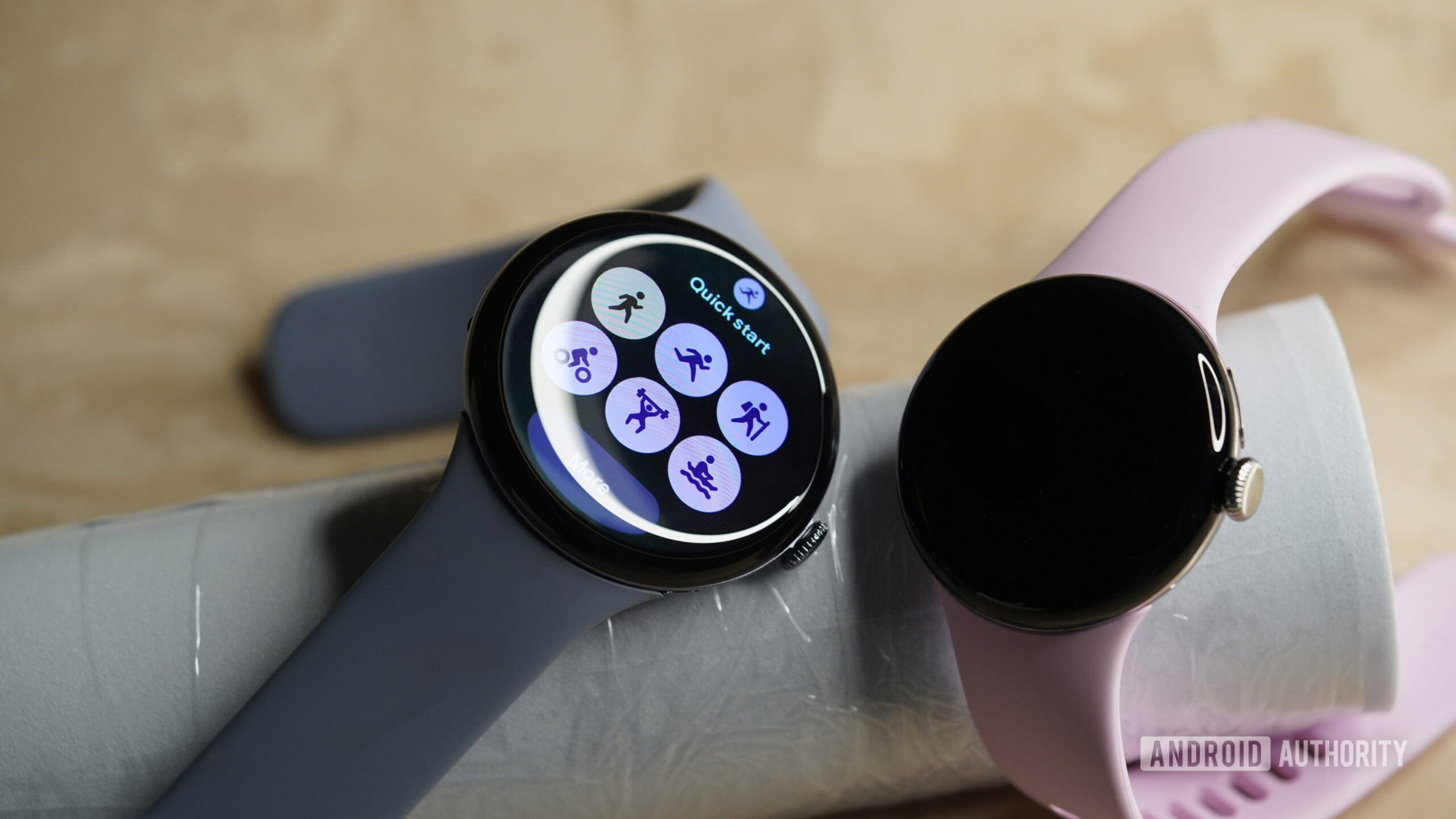
Versions of these gesture controls have existed on smartwatches from other manufacturers for years. Samsung first incorporated gesture control in 2023’s One UI 5 Watch as an accessibility feature, with options to trigger actions by pinching your fingers or making a fist. Apple has had a similar system, called AssistiveTouch, since the release of watchOS 8 in 2021. Both manufacturers have since positioned these options as convenience features that benefit all users, whether or not they strictly need them for accessibility.
I don’t care what version of Android my smartwatch is running — I care about what actually using the watch is like.
Given how similar the Pixel Watch 4 and 3 are internally, along with the fact that Samsung has managed to support one-handed gesture control on Wear OS hardware as old as the Galaxy Watch 4, I’m hard pressed to believe there’s any technical limitation preventing the Pixel Watch 3 (or Pixel Watch 2, for that matter) from supporting Google’s new gesture options.
Raise to Talk, a feature that lets you summon Gemini automatically by raising your watch up to your face, skipping hotwords or button presses altogether, is similarly exclusive to Pixel Watch 4 for reasons that aren’t clear.
As someone using a Pixel Watch 3, I’m aggravated that these convenient new features aren’t available to me. This watch is just over a year old, and depending on the configuration, retailed for as much as $499. I understand why reserving spiffy new features for the newest hardware is good for Google — it incentivizes people to buy the company’s latest products. But this arbitrary feature exclusivity, even when it’s temporary, is flatly bad for consumers.
It also flies in the face of what I thought the entire Pixel project was supposed to be about. This is Google hardware running Google software, with no middleman restricting the flow of updates. If Google’s going to pick and choose which software features each hardware model has access to, for any reason other than compatibility, the prospect of getting priority software updates straight from the source no longer seems like a benefit worth paying attention to. I don’t care what version of Android my smartwatch is running — I care about what actually using the watch is like.
My Pixel Watch 3 still looks great and still lasts a full day or longer on a charge, and on balance, the Pixel Watch 4 getting a couple of software features that the Watch 3 lacks doesn’t make the older watch any worse. But even if those features make their way to Google’s previous watches down the road, it makes me think twice about buying a new Pixel Watch in the future.
Don’t want to miss the best from Android Authority?


Thank you for being part of our community. Read our Comment Policy before posting.