
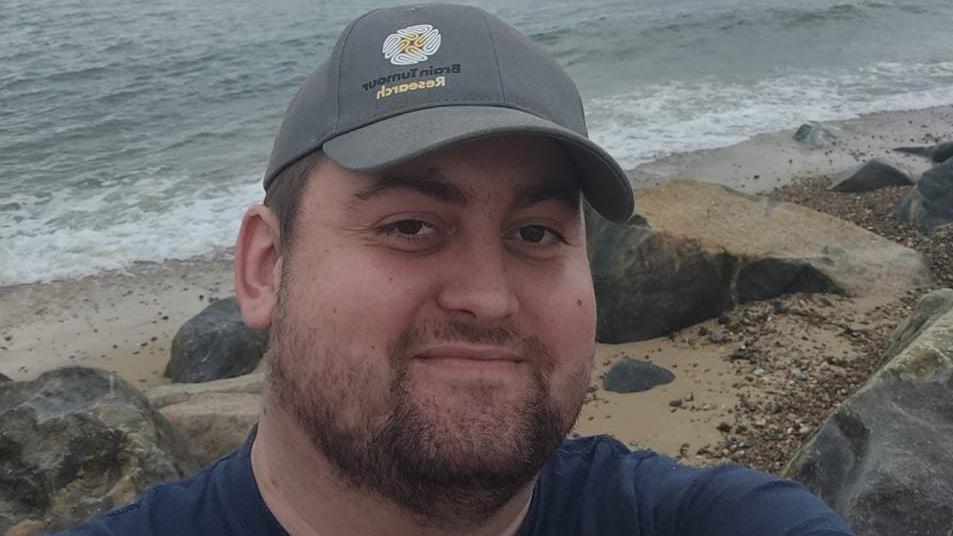
A mother who lost her son to an aggressive form of brain cancer has welcomed plans for a new university research centre.
Brain Tumour Research has announced a £2.6m investment to establish a centre of excellence at the University of Nottingham, which will focus on improving the understanding and treatment of glioblastoma.
The charity said it hoped to find a cure for the deadliest adult brain tumour.
Maggie Cullen, from Boston, who lost her son Josh to glioblastoma in October last year, said: “If scientists and doctors can find a cure and stop any more mums going through the torture of seeing their child succumb to this horror, it would be a miracle.”
Mr Cullen, who loved anything aviation and planned to emigrate to Canada, was just 24 when he was diagnosed with an aggressive brain tumour on Christmas Eve 2020.
“When we did get the results, the last thing you ever want the doctor to say is glioblastoma,” his mother said.
“I wished so much for him to say any other word, just not glioblastoma.
“They gave Josh 12 to 18 months, and putting myself in his position at the age of 24 I would have just laid down and given up – he was completely the opposite,” she added.
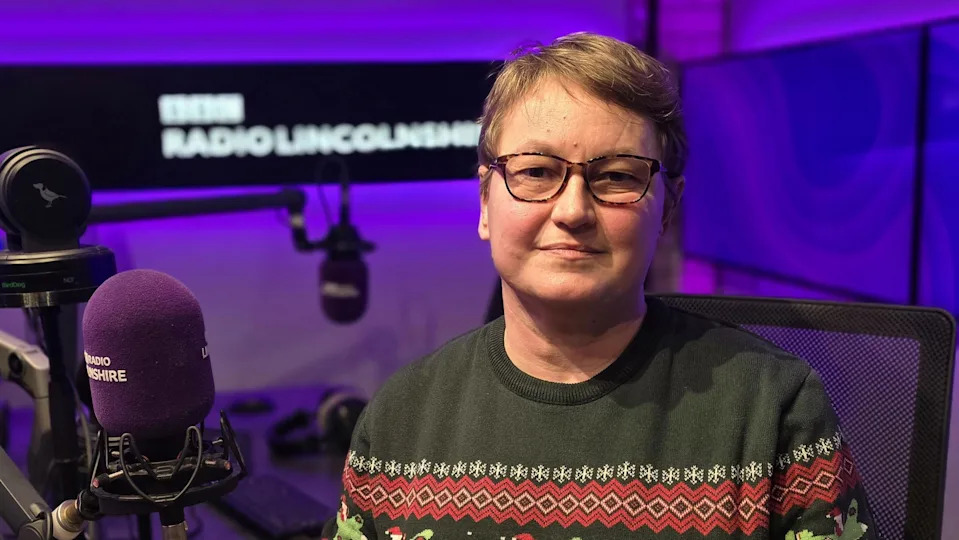
Josh’s mother Maggie said she hoped a cure could be found [BBC]
The new centre of excellence aims to use AI, along with advanced MRI imaging to detect tumour recurrence earlier.
Prof Ruman Rahman, the centre’s principal investigator, said: “We envision a future where, ultimately, brain imaging alone will identify drugs tailored to each individual patient, to block glioblastoma recurrence.
“This change won’t happen overnight – we need sustained investment in research into brain tumours to do the vital discovery and clinical work to make our vision of a cure for brain tumours a reality.”
Ms Cullen said she was really happy and excited that some “long-awaited progress” was being made in research.
“It means so, so much because brain tumour research is so important to so many people,” she said.
Verity Phillips, who was diagnosed with glioblastoma in 2022, said the reserch centre offered “a beacon of hope” [Brain Tumour Research]
The announcement has also been welcomed by people living with glioblastoma, including mother-of-four Verity Phillips, 35, from Immingham.
She was diagnosed with a glioblastoma in 2022 after collapsing.
“Glioblastoma is brutal. Like most people diagnosed, I was given just 12 to 18 months to live. I’ve already beaten those odds, but I live from scan to scan, wondering how long I’ll be lucky for.
“I’m a mum to four beautiful children. I want to be here for all the bedtime cuddles, all the silly squabbles and everything in between,” she added.
Ms Phillips said the Nottingham centre offered “a beacon of hope” to glioblastoma patients.
“I know my tumour isn’t going away, but as long as I’m here, I’ll continue to raise awareness and support research until a cure is found,” she said.
Listen to highlights from Lincolnshire on BBC Sounds, watch the latest episode of Look North or tell us about a story you think we should be covering here.
Download the BBC News app from the App Store for iPhone and iPad or Google Play for Android devices
More on this topicRelated internet links