
The parliamentary sitting year may be over but the annual taking out of the trash has only just begun.
Since taking government, Labor has piled up lofty promises and unrealistic assurances.
Now the spin doctors are in overdrive as realities come home to roost.
Enter treasurer, Jim Chalmers, Labor’s best communicator and polisher in chief.
And the last month has delivered economic bumps, keeping Jim firmly on his toes.
November’s inflation came in hot at 3.8 per cent, well above the RBA’s 2 to 3 per cent target.
A quick scan at the numbers tells a story of profligate government spending and increased energy costs fuelling price rises.
Chalmers’ mantra?
Labor knows Australians are “doing it tough” but inflation is lower than when Labor came into office.
Once again, he plays commentator rather than treasurer – narrating the pain instead of fixing it.
The missing part of the story is that inflation fell, is rising again, and it has nothing to do with the former government.
This inflation is home grown, courtesy of Labor’s deliberate policy settings.
And it hasn’t escaped international attention.
Last week, the OECD warned Australia on fiscal discipline and the need to stabilise debt levels.
In the September quarter, government spending rose 0.8 per cent and government borrowing hit $42 billion – up 40 per cent on the previous quarter.
That’s billions of dollars of additional taxpayer dollars sloshing around the economy and driving prices.
There are no mysteries here: adding money without increasing supply drives up prices.
That’s as true to economics as the law of gravity is to physics.
Quarterly GDP was another miss.
The expectation was for 0.7 per cent growth, and the economy delivered 0.4 per cent.
Per capita GDP continues to go precisely nowhere, productivity is still lethargic, and aggregate demand continues to put lipstick on the pig.
On the back of that, the treasurer sold this rather flat news as an “uptick in annual economic growth” and “the strongest growth in private investment in five years”.
While the word “uptick” was doing some heavy lifting, what Chalmer’s didn’t say was that private investment rose 2.9 per cent compared to public investment increasing three per cent.
And the reason private investment has been muted for five years is due to crowding out by public sector investment.
Obviously, that doesn’t stop Jim polishing the narrative.
The state of play doesn’t improve when we move onto energy prices.
Labor pledged in 2022 that energy bills would fall by $275 by the end of 2025.
We’re perilously close to the end of 2025, and bills have only skyrocketed.
Labor’s excuse? The war in Ukraine. The reality? Labor kept shopping the promised $275 reduction right up to the election in May 2022, well after the war began in March.
If you became aware of something that materially changed the modelling underlying your policy, wouldn’t you clarify it before you powered on with the sell?
You’d think so.
The other inconvenient fact for Labor is that the Ukraine war principally impacted international gas prices.
The culprit for the increase in Australian gas prices (which had subsided by August 2022) was an aggregate 20 per cent (6.6GW) of dispatchable generation capacity going offline in June 2022.
Blaming Putin was nothing more than lazy but convenient political theatre which had no basis in reality.
Rebates then become the camouflage of choice, with state and federal governments attempting to paper over the consequences of their poor energy policy decisions.
The rise in headline inflation since October is largely attributable to the winding back of those energy rebates at a state level, which added more than 37 per cent to the cost of energy.
The federal rebates scheme has cost the budget $6.8 billion in total.
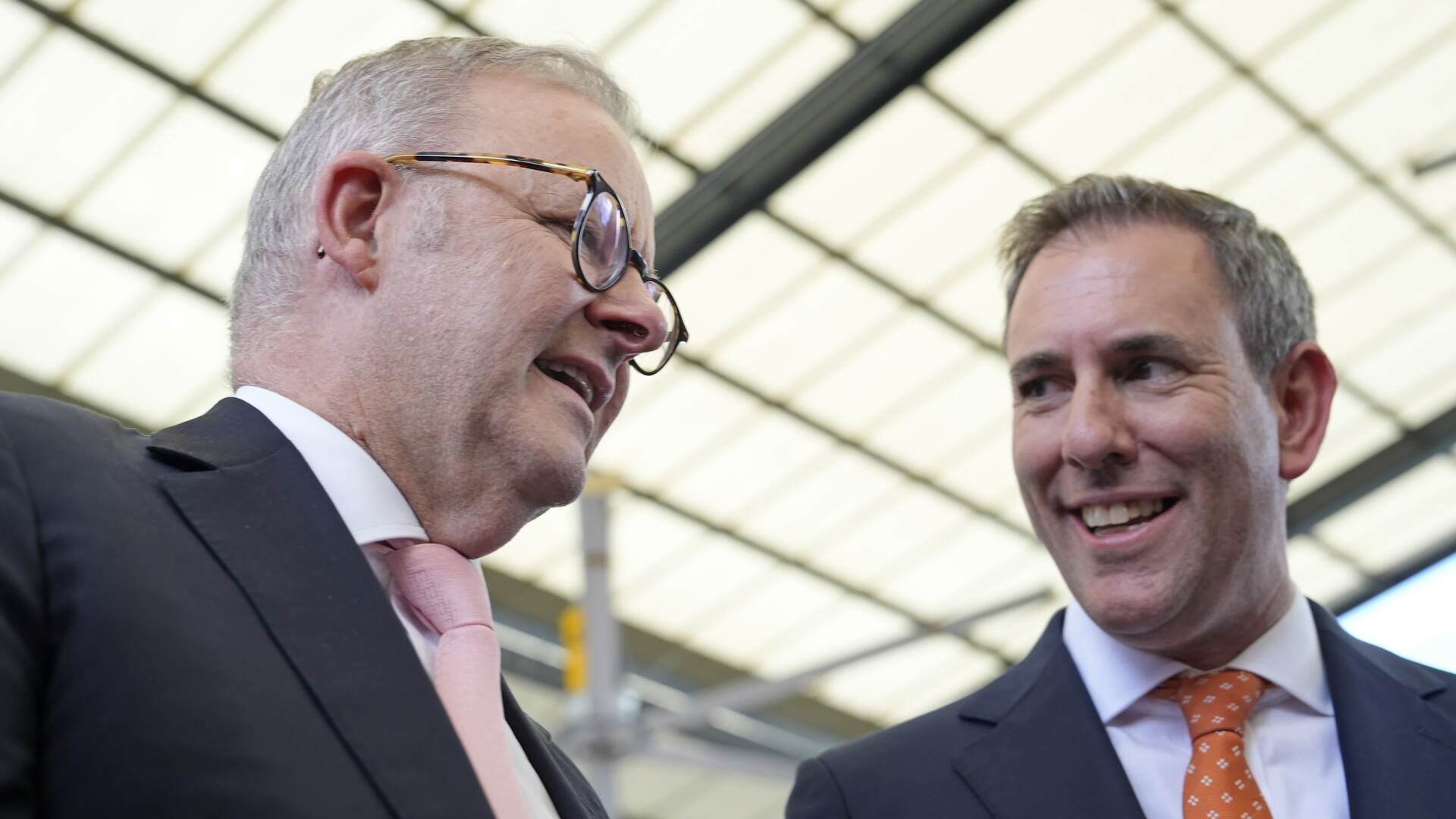
And now, shortly before Christmas, Chalmers has confirmed that the rebates will cease at the end of the year.
From Labor’s perspective, they don’t need to extend them – they’ve already been voted back in.
From a policy point of view, rebates were never going to fix the consequences of systemic energy policy failures.
Labor called it cost of living relief, but it was just a BandAid over a bullet wound.
The fact this policy wasn’t means tested illustrates how cynical, extravagant and wasteful it was right from the beginning.
And the pain isn’t over – economists and the ABS estimate electricity prices could increase by 26 per cent after the cessation of the rebates.
Extravagance and wastefulness don’t stop there.
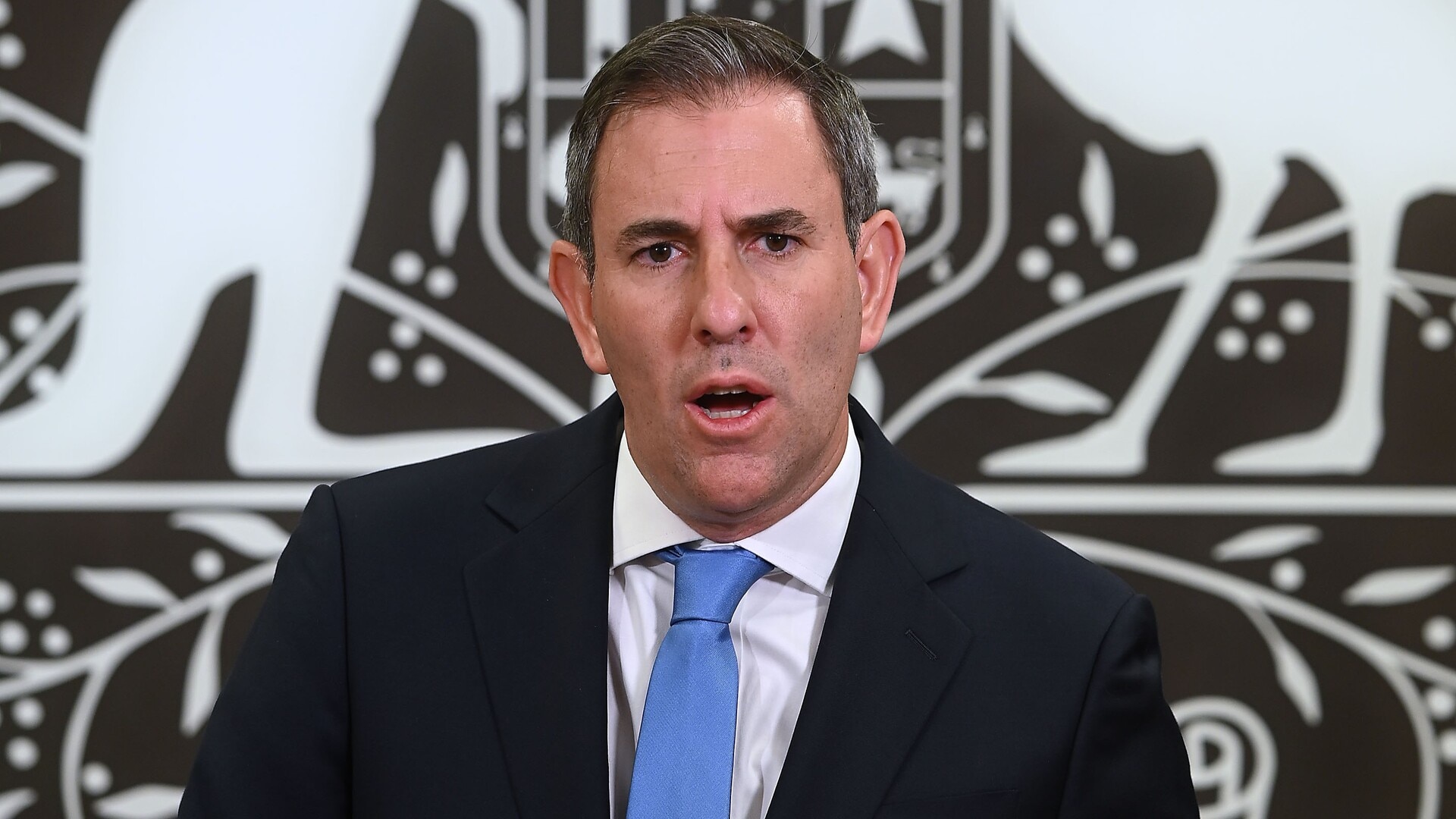
On the same day the treasurer told the electorate to suck it up vis-à-vis the cost of energy, we learned that Communications Minister Anika Wells billed the taxpayer to fly her husband to sporting events, took her family on a ski trip and kept a taxpayer-funded car waiting seven hours costing $1,000 while she watched the tennis.
This lack of judgement from Wells really puts a spoke in the wheel of Labor’s “for the battler” schtick.
And so that is the state of play: we have a government that masters politics but fails prudent policy.
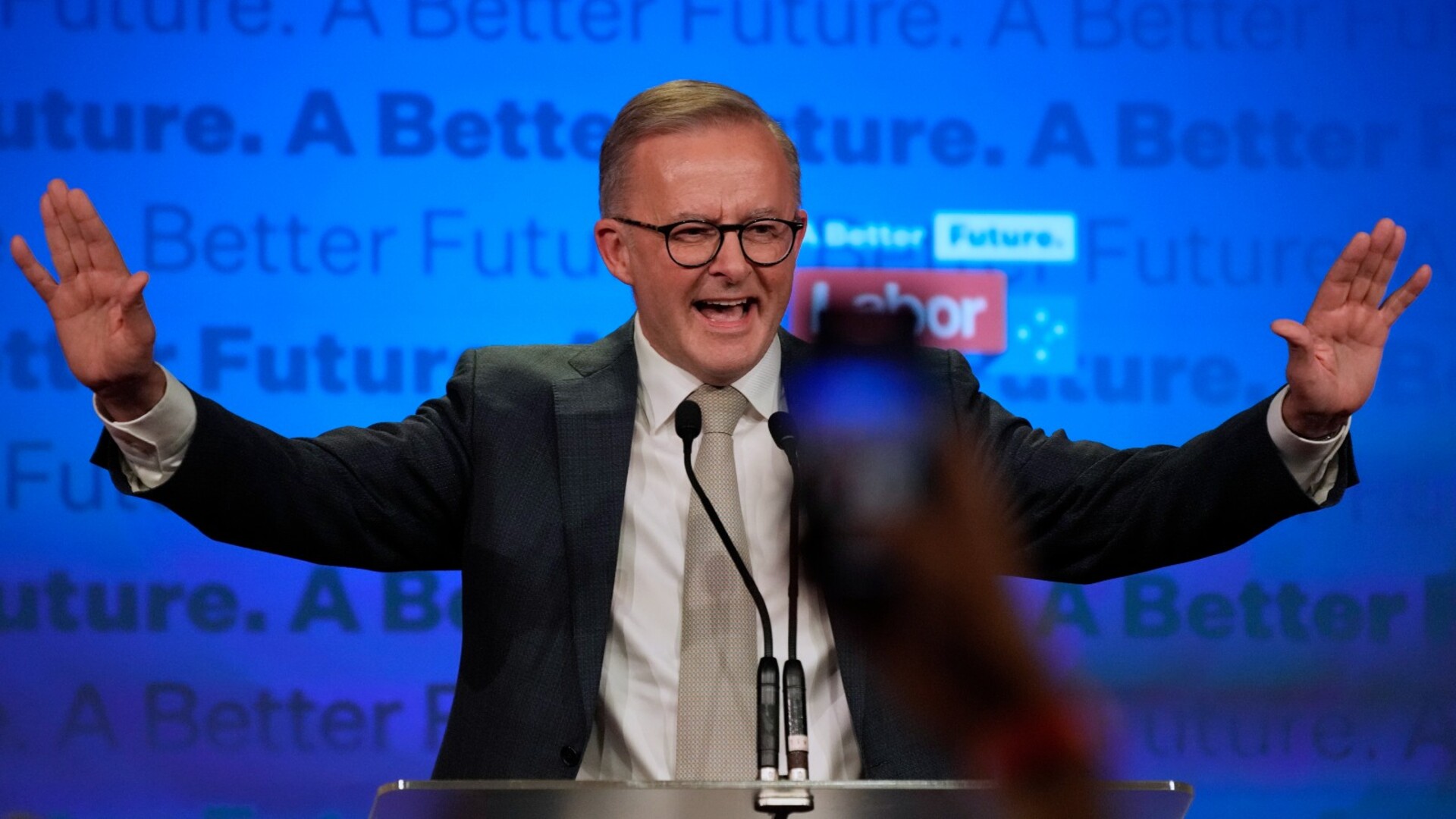
Because if you don’t have the discipline to take care of the small sums, you’ll waste the billions without a second thought.
Now Jim is promising more “difficult decisions”.
That’s a softening up – and code for the taxpayer footing the bill for Labor’s next round of incompetence and unchecked spending.
After what we have seen thus far, any vow of fiscal restraint is purely farcical.
Caroline Di Russo is a lawyer with 15 years of experience specialising in commercial litigation and corporate insolvency and since February 2023 has been the Liberal Party President in Western Australia.