
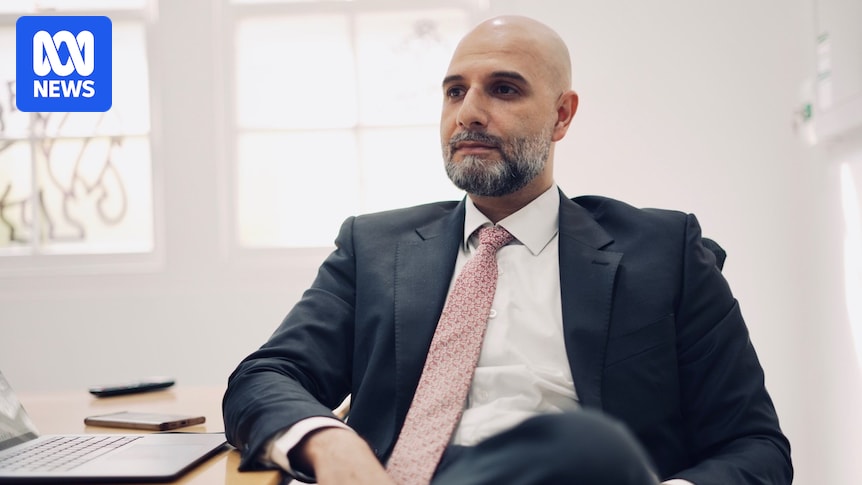
William Johns is deeply frustrated by the way some of Australia’s major superannuation funds are treating their members.
The insurance claims advocate told ABC News he believes some super funds and their insurers are delaying claims, without justification.
“We find that superannuation funds often request additional information that’s either being covered, they may have lost information that we have already sent, and sometimes they fail to send the client forms onto the insurer,” he said.
Mr Johns, the founder of Claim Right, which helps people with their Total and Permanent Disability (TPD) insurance claims, said many delayed claims were made by some of the most vulnerable people — those who were sick or experiencing mental illness and unable to work.
The experience, he said, often further exacerbated their illness and caused severe financial hardship, including cases where people were being chased by banks and credit providers and were at risk of losing their homes.
“They’ve lost their jobs, they have mortgages. They’ve got kids in schools, they’ve got bills to pay.”
While he has found claims response times have generally improved, he believes some super funds and their insurers are still taking too long to process claims and lacking compassion.
“Yes, a lot of them have streamlined their processes, but they’re still not seeing themselves as active advocates for their members,” Mr Johns said.
“Superannuation funds really ought to pick up their game.”
Loading…Government calls on funds to ‘raise the bar’
Assistant Treasurer Daniel Mulino said there had been areas where some funds had fallen short and the government was consulting on new standards to improve how funds engaged with their members.
Do you know more?
If you have more information about this story please contact Nassim Khadem at khadem.nassim@abc.net.au or nassimkhadem@protonmail.com
He did not comment when asked by ABC News whether these standards would include specific timeframes for super funds to respond to insurance claims, but said the government wanted to ensure “funds put member interests at the heart of service delivery”.
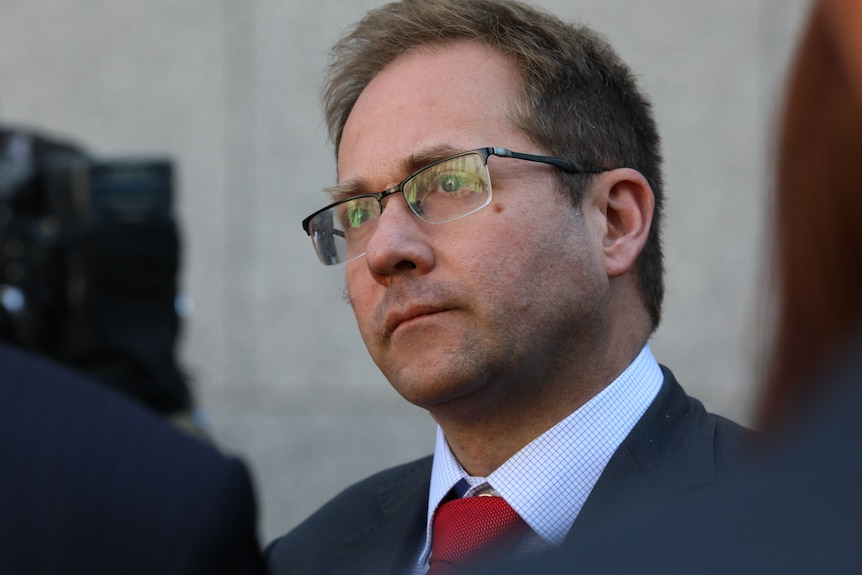
Daniel Mulino says “there have been some areas where some funds have fallen short”. (ABC News: Brett Worthington)
Mr Mulino said Treasury had been working closely with consumer advocates, regulators and industry stakeholders this year to develop the service standards.
The next step will be draft legislation for public consultation, but he did not say when that would be introduced.
“While most funds offer services that meet or often surpass community expectations, there have been some areas where some funds have fallen short,” Mr Mulino said.
“The new standards will improve how funds engage with their members and raise the bar for service.”ASIC wants claims handling times, processes improved
Australia’s corporate regulator, ASIC, has also called for super funds to lift their game.
The regulator has already taken legal action against Cbus over its handling of death and disability claims.
In November, the superannuation giant faced a $23.5 million fine for the breaches and agreed to pay out compensation.
Cbus cancels customer’s insurance days before his death
ASIC has also called on superannuation funds to overhaul the way they deal with death benefit claims, noting excessive delays, poor customer service and ineffective claims handling are leaving Australians worse off at some of the most vulnerable times of their lives.
ASIC commissioner Simone Constant said some funds had improved claims response times but the regulator had still seen mixed results in terms of how funds handled member claims.
She warned more super funds could face court action if they did not change their behaviour.
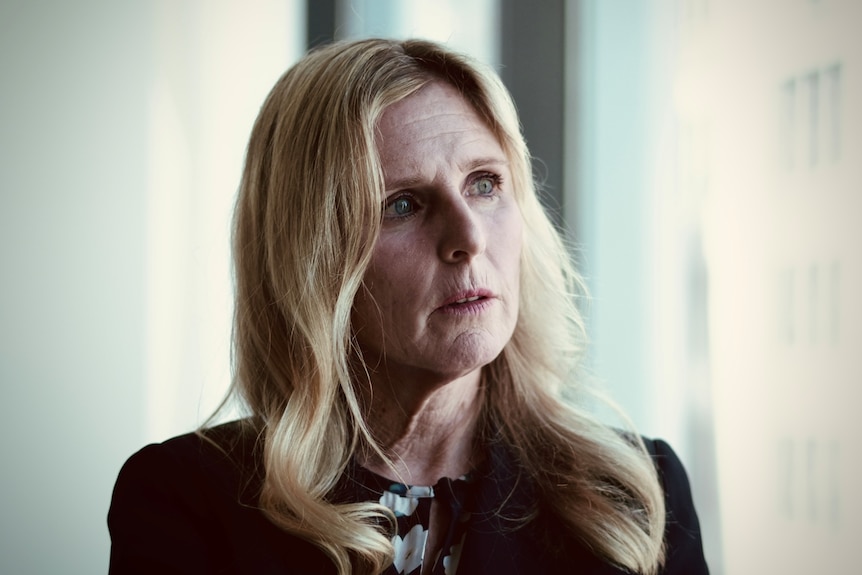
Simone Constant is calling on super funds to do better when it comes to processing disability insurance claims. (ABC News: John Gunn)
The regulator has warned super funds not to pass the buck and blame insurance providers for poor claims-handling conduct.
“Our message is really clear — they’re your members, this is a product that is operated and offered through your superannuation fund to your members, take accountability for that,” she said.
“If we see failure, if it looks and feels systemic … then absolutely super funds can expect this will be an area where we will use all our regulatory tools.”
Association of Superannuation Funds of Australia (ASFA) chief executive Mary Delahunty, whose members include the big super funds, said they were working to lift standards.
Ms Delahunty denied funds were outsourcing their obligations to the insurance companies, but said they did need to use insurers to handle claims.
“The way insurance works in superannuation is that the trustee buys a policy from an insurance provider and so that’s bought at a group level. So there’s always going to be two parties involved,” she said.
She noted ASIC data showed the average decision-making time on TPD claims was 3.6 months, and that 91.5 per cent of those claims are accepted and paid out.
But she said that “claims are and will continue to be complex sometimes, and they can take some time to decide”.
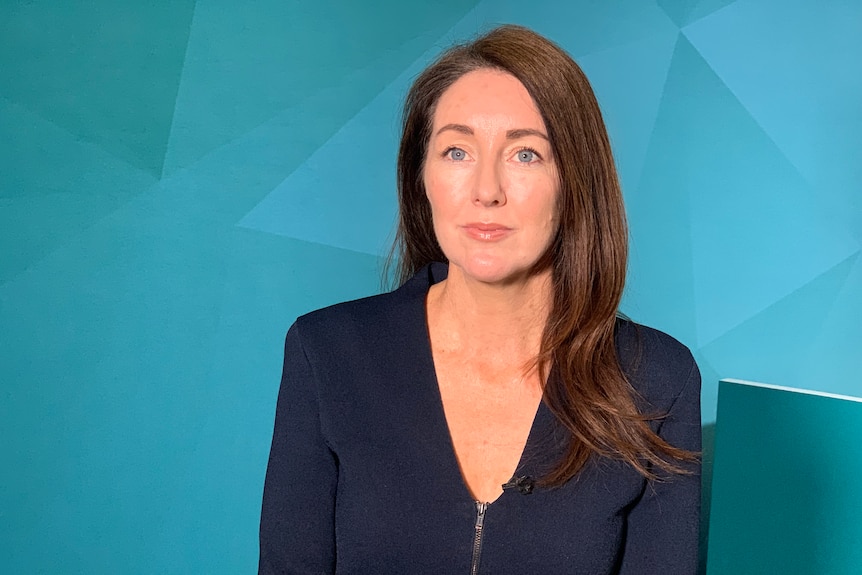
Mary Delahunty says super funds are making improvements to claims processes and times. (ABC News: Paul Pandoulis)
Mental health, language barriers can complicate claims
Because of the complexity of cases, often some can drag out for months or even years.
Many individuals reached out to ABC News about their ordeal but were unable to go on record due to the emotional toll their ongoing TPD claim disputes had had on them.
Some had suffered sexual violence, causing post-traumatic stress disorder. Many faced ongoing mental health struggles, which according to recent data reported by ABC News, has become one of the most common reasons for claims.
Insurers under pressure as mental health claims soar
Ms Constant said approaches to death and disability claims were “inconsistent” between funds.
“You don’t want somebody making a claim to need to touch base multiple times to provide information. Expectations should be clear and well communicated up front.
“And it’s particularly difficult, for example, if there is a language barrier or perhaps a geographic barrier.
“This is common across member services issues and particularly claims process issues, if you’re from a First Nations or first language other than English background.”
Xavier O’Halloran, CEO of Super Consumers Australia, said some funds had put more stringent conditions on particular types of claims.
“In some cases [the funds are] requiring people to have active specialist care in order to make, say, a mental health claim, in cases where people just simply can’t afford access or don’t have access to those types of services in their area,” he said.
“They’ve been introducing stricter and stricter terms … for how you prove that you’re mentally unwell.
“In some cases, these terms are leading to people not being able to make a successful claim.”
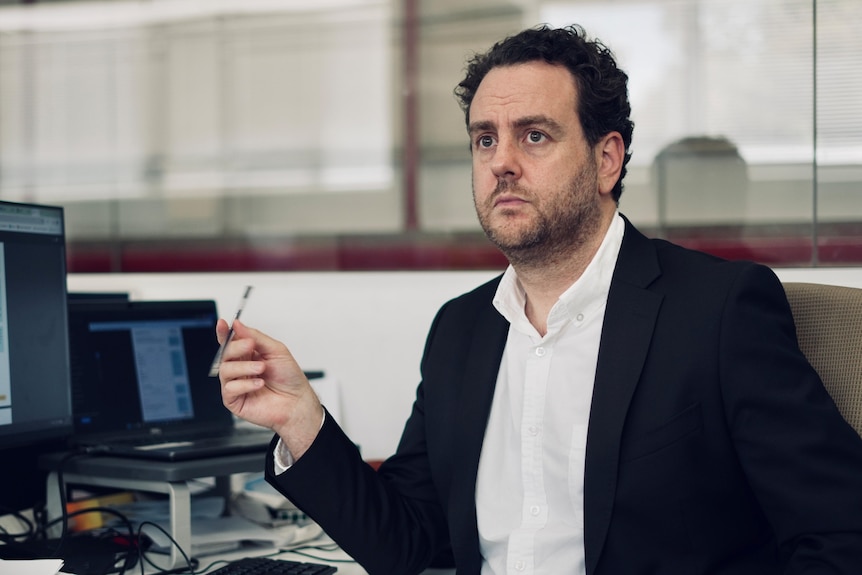
Xavier O’Halloran wants to see super funds respond to insurance claims in a more timely manner. (ABC News: John Gunn)
Mr O’Halloran noted that when super funds put up unnecessary barriers and continued to ask people for information they had already been provided, or draw out claims, it had real economic impacts on people’s lives.
“And it impacts people’s mental health, to be drawn out that long in a claims process with no certainty in sight as to whether they’re going to be successful,” he said.
On mental health claims, Ms Delahunty highlighted a 732 per cent increase in people aged between 30 and 40 making claims over 10 years.
“Adding that on to what super funds and insurers are already dealing with means that the system is under some strain,” she said.
“But we are making significant improvements.”
Requests for ‘irrelevant’ information drag claims out
Insurance claims advocate William Johns acknowledged disability claims were often complex cases but said the process could drag out for months, or more than a year, often because funds requested additional information.
One in four Australians in the dark about their super insurance
“Sometimes we’re just really surprised that they request information that’s irrelevant,” he said.
“They [super funds] support the insurers’ decisions without really going through the insurers’ mindsets — whether they handled the claim correctly or not.
“We just feel like the fiduciary obligations of the trustee is sometimes being misdirected or at least controlled somewhat by the insurer.”
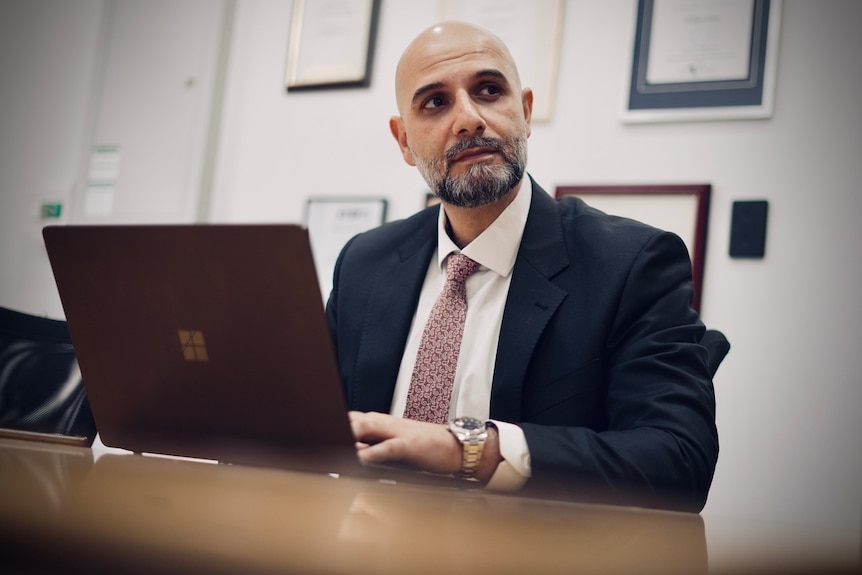
William Johns says many of the insurance claims the super funds reject are made by Australia’s most vulnerable. (ABC News: John Gunn)
Mr Johns called for the regulator to take more funds to court over alleged breaches.
“[A super fund] has got to act efficiently, fairly and honestly towards the client, and so inefficiencies are deemed as a breach in the Corporation Act,” he said.
“What we need is an enforceability of existing regulations to make sure that the superannuation funds are held to account … I think the ASIC does need to get more involved with insurers.”Calls for funds to face mandatory service standards
Consumer groups including Super Consumers Australia have pushed for for the government’s mandatory service standards to include specific timeframes for funds to respond to claims, but the super industry is resisting that change.
Millions of people will not have say in who inherits their super
“We want to see end-to-end timeframes and we want to see people given the ability to make complaints when these timeframes are not met,” Mr O’Halloran said.
“We want this all to be enforceable, so that people can have faith that when they claim on these insurance policies that they’ll get a fair hearing in a timely way, and be protected financially for a product that they’ve been paying for.”
Mr O’Halloran said there had been strong pushback from some players in the super industry, “that don’t want clear timeframes and don’t want clear obligations put on them”.
“[The super funds] want a lot of wiggle room so that they can take their time, which in turn costs consumers financially and leads to real financial hardship.”
Ms Delahunty said setting specific times for super funds to respond to claims would be problematic.
“It would be difficult to set in place a standard upon a doctor, for example, to make a diagnosis,” she said.
But she said the industry was supportive of more general mandatory service standards over how funds communicated with members.
“Mandatory service standards are really important to help members understand where they are in the claims process and what they can expect from their insurer and from their super funds,” she said.
“Setting those expectations helps alleviate a lot of the stress that people will be under when they’re … making claims for their mental ill health or [when] they’re making claims on behalf of a beneficiary because they’ve had a loved one die.
“These are stressful times. And so having those expectations clearly set through mandatory service standards can be very helpful.”