
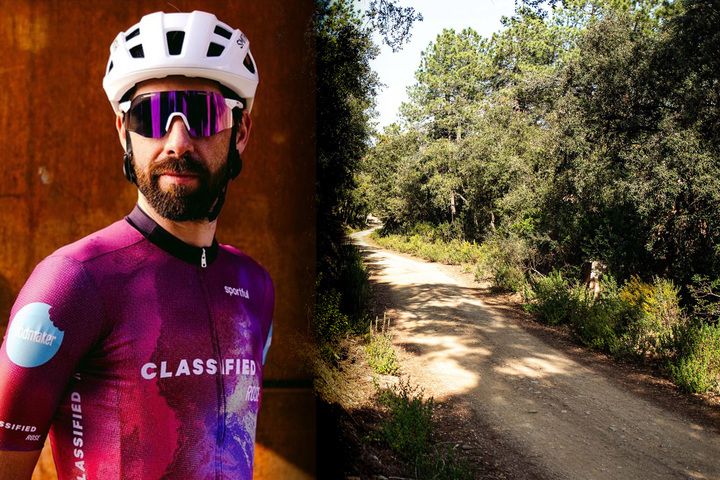
Since retiring from road racing, Thomas De Gendt hasn’t stopped racing entirely, racing for Classified x Rose and more recently setting up Breakaway Gravel, his own off-road team. In his latest column for Cyclingnews, the Belgian veteran talks us through how you get an outfit like that off the ground, and what their ambitions are.
The beauty of gravel – and starting a gravel squad – is that at the bare minimum, there only has to be one rider in a line-up, and then you are already a one-person team. It’s the complete opposite to road racing, where you can never participate solo, whereas in gravel, just racing with two or three people also works out very well.
You may like
Nothing really surprised me in this process, but I did find out that some small sponsors sometimes are more eager to give money than the really big companies. But that’s maybe that’s why they are so big – they are a lot smarter with their money.
As for the smaller sponsors that we have, they really want to invest money in this, because they are also the ones that want to break through and get better known. On the other hand, when it comes to exposure, I have noticed that when I talk to sponsors who have some kind of connection with Tadej Pogačar, they don’t tend to have much budget left because almost everything goes to UAE Team Emirates-XRG and there’s not so much room for small teams. But that’s totally normal, given what he’s achieved.
You may like
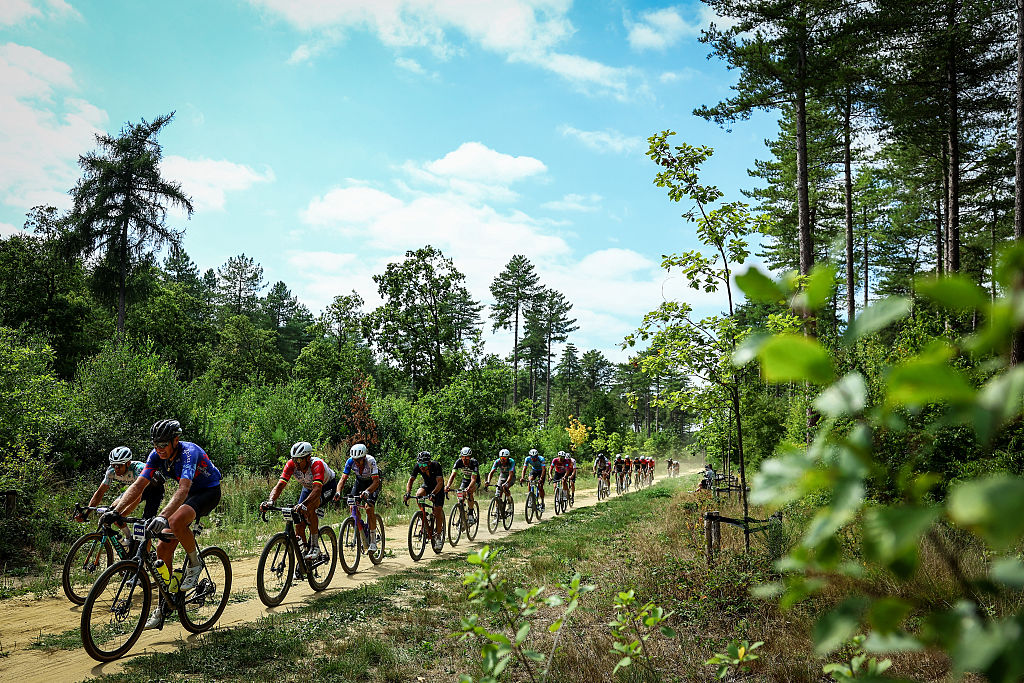
Racing in the 2025 Gravel Belgian National Championships (Image credit: Getty Images)A world of experimentation
What about combining it all with cyclocross? Well, it’s also possible, but cyclocross is a very difficult speciality to be up there in the action. In a cyclocross race, generally speaking only the top 10 leaders actually get exposure on TV and to be one of those 10 riders, you have to be really talented – and you’re also very expensive. Their usual yearly price tag is €200,000 or above, so that’s maybe not something I’ll ever have a budget for to pay anybody.
On top of that, something that’s interesting about gravel is that it’s not like cyclocross, where there is comparatively little innovation. Cyclocross is bound by a lot more rules and regulations, which doesn’t help. And on top of that, if you get a tyre with really good grip like Dugast, say, which helps you go faster round corners in a one-hour race, then almost everybody rides them, and there isn’t any need to move it all forward. They’ve got disc brakes now and they’ve tested out narrow handlebars as well, but with the bars, they’ve realised that for bike handling and technique, they’re more limited if they use them. And unlike being limited, I think, to 33mm tyres, in gravel we can have 55 or even 60mm tyres. That’s very different of course, but you have to remember that those wider tyres are just not beneficial for a one-hour, all-out race.
In gravel, on the other hand, everybody’s constantly trying things out, which sometimes work and sometimes don’t, but either way they’re very proud of what they do. They do that a lot in Unbound and for the American races, like Leadville, in particular and they call them ‘Franken-bikes’. I remember I saw people at Leadville riding a mountain bike with a normal gravel handlebar and then they put in an MTB fork in there too so they have the suspension. Then when I was in Kenya in the Migration Gravel Race, I think somebody had a full suspension MTB with a normal gravel drop bar.
We are always going full circle, in fact, and I think in a way, we are coming back to the mountain bike.
Another thing was when the gravel racers went from two gears in the front to one and now they have 13 gears in the back and oversized pulley wheels. It’s constantly a case of where everything has to be faster and smarter than the rest. But the key thing is that the UCI doesn’t have any rules on gravel and even if they have, then most of the races are not organised or licenced by the UCI so they have all the freedom that they can want. It’s all about just trying this, that, whatever, in their bike and their set-up – that’s the beauty of gravel.
So while that’s a very general truth about gravel, to go back to my own new gravel team, one very important mission in the future is to work with young riders that want to grow and mature.
If they can move on to a bigger team through my team, that would be already something very, very wonderful for the team and for me as well. Because then I will be able to say that I have led some young riders from gravel to the roads to a big team. And that’s very special.