
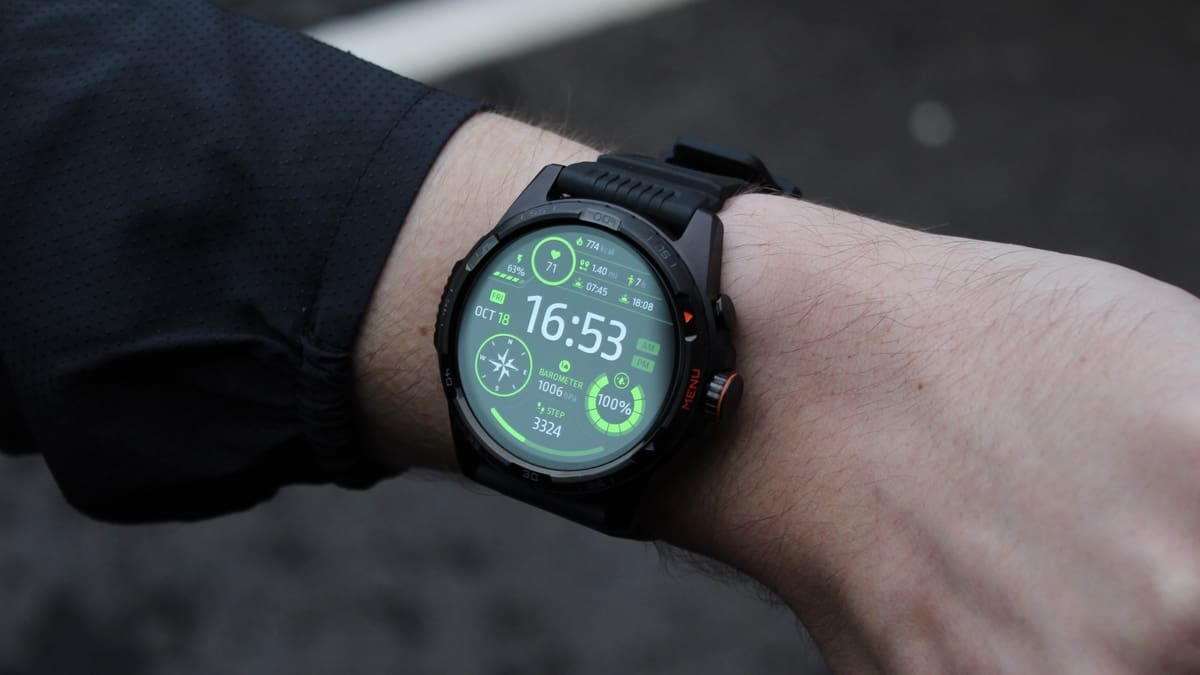
The dual-display pioneer seems to be quietly exiting the Wear OS market, leaving another gap in the ecosystem
TicWatch smartwatches, once a staple recommendation for those seeking long battery life and value, appear to be on their way out.
The Mobvoi brand, which produces the Wear OS watches under the TicWatch name, has removed almost all presence of its devices from its official website and Amazon.
Listings for key models like the TicWatch Pro 5 Enduro are currently marked as ‘unavailable’, and the ‘Products’ menu on Mobvoi’s own site now prominently features treadmills and AI recorders, with watches notably absent.
The company hasn’t issued a formal statement, telling 9to5Google only that it has “no new information to announce” but that “existing devices will continue to receive essential support” via updates. However, it’s not looking good.
After all, there’s been a long period of silence regarding Wear OS 6 updates (and patchy updates before that), as well as a general lack of new hardware announcements. The last device released by the brand was the TicWatch Atlas, but that was way back in October 2024.
The Wareable take
If this is the end of TicWatch smartwatches, Wear OS would lose a fun and innovative alternative.
Advertisement
TicWatch’s signature dual-layer display technology—which layered a low-power LCD over an OLED panel—was a stroke of genius that produced multi-day Wear OS battery years before the OnePlus Watch 2 achieved a similar feat with dual chipsets.
However, Mobvoi has struggled to keep up with the software demands of the modern Wear OS era.
Updates were nowhere near frequent enough to keep up with rivals, and a lack of communication with users meant that anyone who put their faith in the niche option likely felt compelled to consider alternatives.
The exit of TicWatch—again, if this is truly the end—would also leave the Wear OS market with just three major players: Google, Samsung, and OnePlus.
That’s a far cry from the wealth of options that existed on the platform’s early days, but it’s also perhaps a sign of the times—and of how only the major tech brands can deliver a consistent experience that annual cycles demand.