
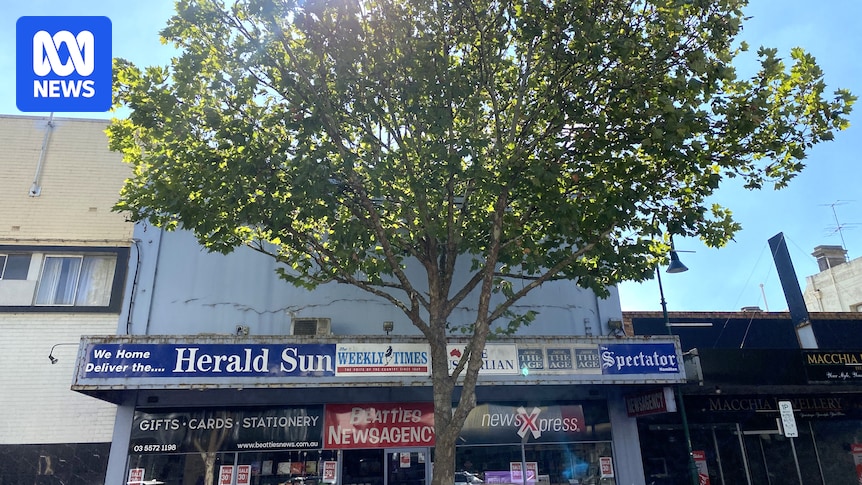
London plane trees will be removed from a south-west Victorian city, as a growing number of councils across the country try to phase out the species.
Southern Grampians Shire Council has confirmed 25 plane trees are in line for removal in Hamilton, and the future of another 75 trees will be considered.
The issue came under the spotlight in April, when the council was told older people with mobility issues avoided the town centre because of the trees.
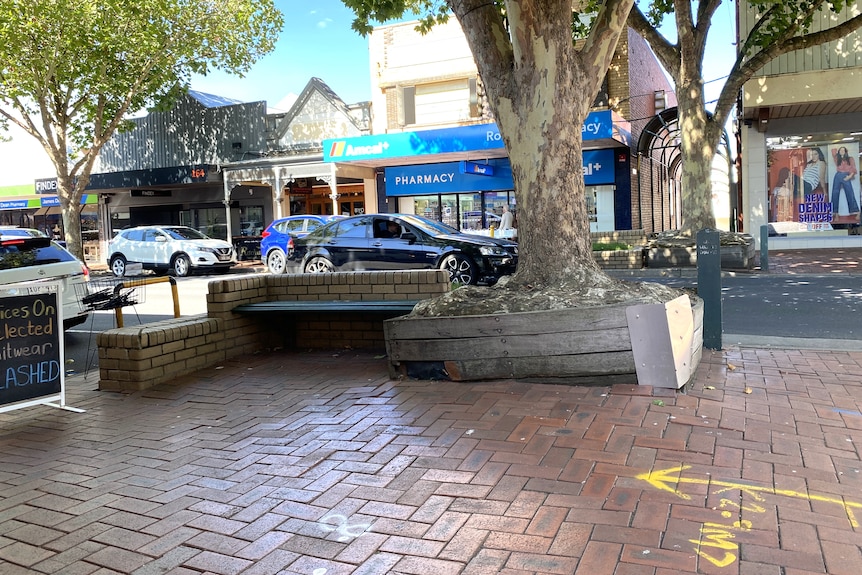
The streets of Hamilton have warped as the London plane trees have grown. (ABC News: Emily Bissland)
Impact ‘cannot be ignored’
The council organised an advisory committee to help determine the future of the trees.
Group member Sarah Hope joined after she created a petition to save the trees.
Ms Hope said the trees added “charm” to the city, and had a positive impact on local climate, biodiversity and mental health.
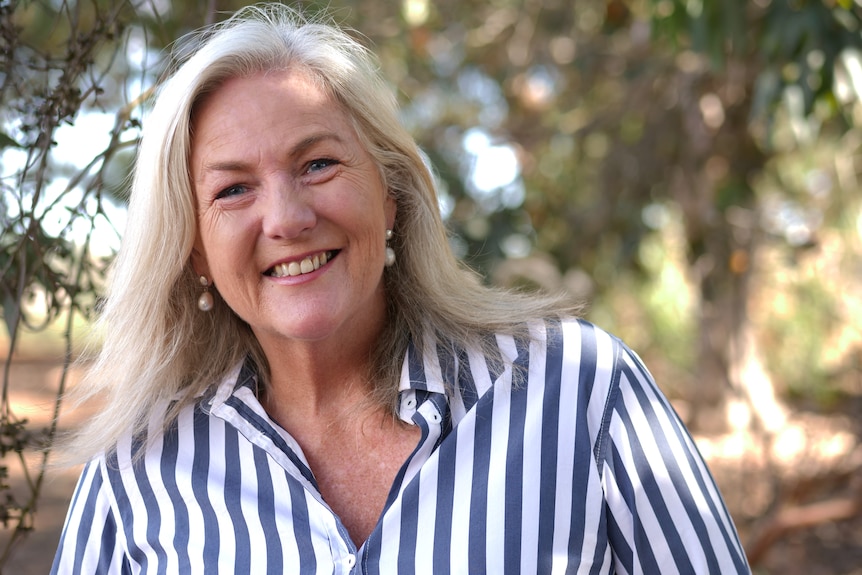
Sarah Hope led a campaign to save the 40-year-old London plane trees. (ABC News: Emily Bissland)
Now Ms Hope accepts that some of the trees need to go, and the group is “overwhelmingly” in favour of their removal.
“We had our first meeting, and we were presented with arborist reports and engineer reports,” Ms Hope said.
“The reports were quite damning for [the trees], unfortunately.”
Southern Grampians Shire councillor Afton Barber said the decision to remove the trees was hard, but necessary.
“The trees have long been an iconic fixture within our streets, but their impact cannot be ignored,” Cr Barber said.
“We need streets that are safe for residents and visitors of all abilities so they can feel confident to shop and socialise in Hamilton.”
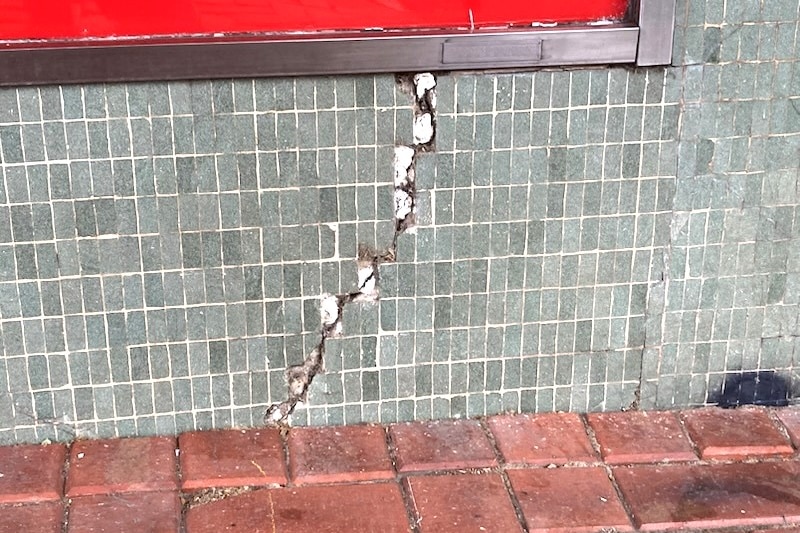
Southern Grampians Shire Council has documented root damage to a building on Gray Street. (Supplied: Southern Grampians Shire Council)
Keeping it green
Ms Hope said the advisory group would now focus on how greenery and shade protection could be retained on Gray Street.
“It became incumbent on me and other members of the group who did want to keep the trees to come up with a solution,” she said.
Ms Hope said she wanted another tree to replace the London planes and for vertical gardens to be installed.
The advisory group will also investigate whether other London plane trees should be removed from the city.
“This is going to be the next best scenario for those that love a green centre of Gray Street,” Ms Hope said.
“This is a test pilot for the rest of the town.”
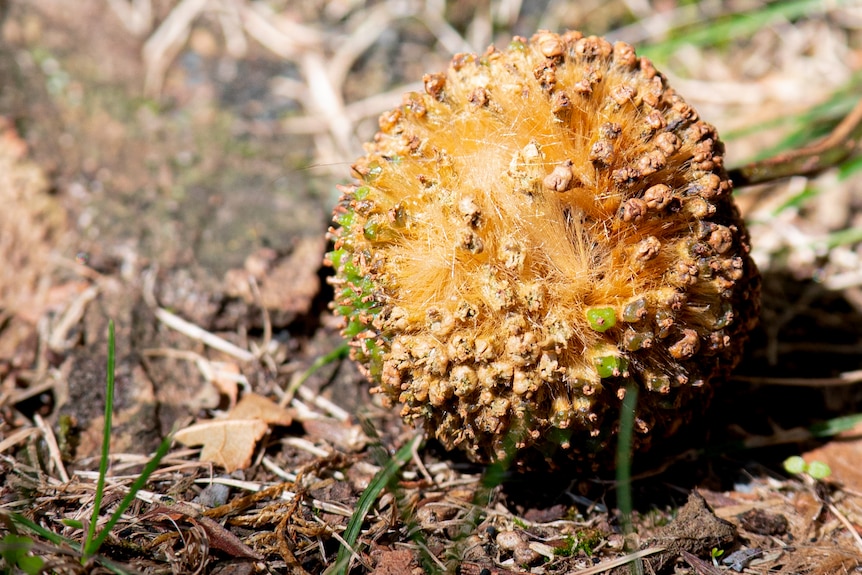
London plane flowers release pollen, but the trichomes on their leaves are a more common irritant. (ABC News: Emily Bissland)
The council said it was working on an updated design, including proposals for replacement tree species, greening walls and alternative footpath treatments for Gray Street.
It will also develop the updated concept designs for further community engagement next year, and consider the removal of about 75 other London plane trees in the city.
‘Better to spend the money and have the trees’
University of Melbourne horticulture expert Greg Moore said the removal of London plane trees was common across metropolitan and regional areas.
“[Councils] see the problems associated with these trees … but they forget the benefits,” Dr Moore said.
“When those trees are removed, it will make a huge difference to the streetscape in Hamilton, and it will make a significant difference to temperatures in summer.”

Greg Moore says the council could face similar issues in the future with different tree species. (ABC News: Darryl Torpy)
Mr Moore said there should be stronger investment in maintaining the trees.
He questioned the council’s finding that Gray Street was unsuitable due to its narrowness, given the many plane trees that lined the tight streets of London.
“The issue here is that they simply don’t give them the priority that they should be given,” Mr Moore said.
“It’s much better to spend the money and have the trees than to lose them.”