
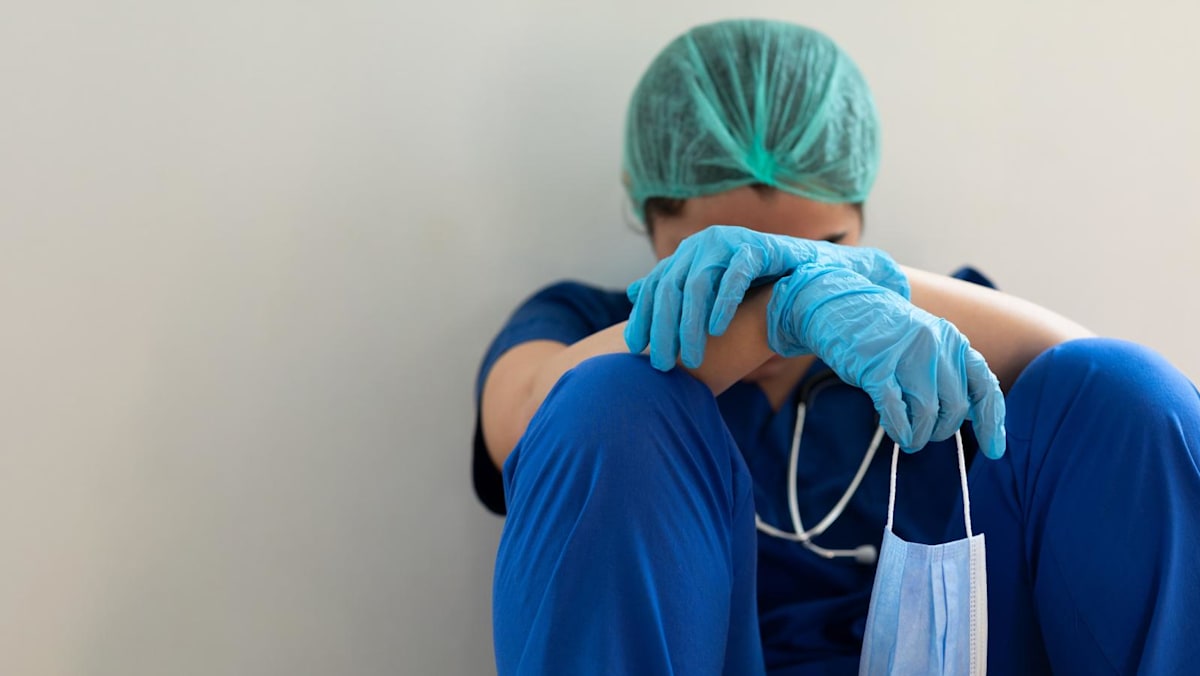
SINGAPORE: I still recall the force of the chair striking me before I hit the floor. It was decades ago, when I was a junior doctor. A caregiver attacked me just as I entered the ward. I fell to the ground, stunned, as my colleagues rushed to assist me.
Even now, the memory of the numbness, helplessness and embarrassment remains vivid. It was a moment that could have driven me away from medicine, but I stayed.
Why do we, as healthcare professionals, continue to serve, even when faced with such hostility? According to a tripartite workgroup’s survey, almost one in three healthcare professionals in Singapore witnesses or experiences abuse at least once a week.
While healthcare workers strive to provide the best possible care, abuse and harassment take a severe psychological and physical toll. Those subjected to threats or harassment often face heightened risks of burnout, depression and anxiety.
Abuse also worsens job dissatisfaction, absenteeism and turnover. In Singapore’s ageing society, where demand for healthcare workers is only set to increase, abuse and harassment can jeopardise the much-needed inflow of manpower into our healthcare sector.
Yet, even in the face of such challenges, the dedication of our healthcare professionals remains unwavering. They continue to answer a calling that demands personal sacrifice, often in high-stress environments.
But this steadfast commitment should never be mistaken for an acceptance of mistreatment. There is, and never will be, an excuse to abuse those who dedicate themselves to healing others. It is our collective duty to ensure a safe and respectful environment for healthcare workers.