
They say that if you think you have the flu, you probably have a cold, and if you think you’re about to die, you probably have the flu. It might sound dramatic, but I felt like I was about to croak a few weeks ago and, after hearing about the H3N2 flu strain last week, my debilitating illness is beginning to make a lot of sense.
The strain circulating this year — influenza A H3N2 — is a subtype of the usual flu, which allows it to partially evade immunity from previous outbreaks. The NHS said it was facing a worst-case scenario this month due to an “unprecedented wave of superflu” that threatens to overwhelm hospitals at the same time as a potential doctors’ strike. There are fears of a winter crisis: the number of people admitted to hospital with flu rose by 55 per cent last week to an average of 2,660 each day, the highest on record for this time of year.
My suspected bout crept up on me slowly one day last month. I’d been feeling a little off but, after running to catch a train, I noticed how much my body ached. I put it down to tiredness at first — I’ve got an 11-month-old daughter. The aching spread up my back, neck and legs, and was joined by a throbbing headache that forced me into an uncharacteristically early bedtime of 7pm. I woke up again at 11pm, this time in a full-on fever. Sweat was pouring from every part of my body and my head was hot enough to fry an egg on, yet I was wrapped in blankets and shivering like I’d been plunged off the Titanic.
I told myself that I’d wake up feeling better the next morning but no such luck. After being banished to the spare room by my partner, who I suspect diagnosed a case of man flu, I woke up stuck to the sweaty bedsheets feeling even worse. I was sneezing, spluttering and coughing nonstop, with a type of exhaustion I’ve never experienced before. Every single muscle was aching and it felt like someone was drilling inside my head.
I’ve had the flu once before, 20 years ago, but this illness felt much, much worse. My job as a freelance photographer means that I rarely turn down work, but I had no option. I barely had the strength to pick up my phone, never mind run around shooting with my full kit.
Two days in, my partner’s suspicions that I was attempting to get out of minding the baby turned into real worry and concern. I was still bedridden, delirious and, most alarmingly, I hadn’t eaten a single thing in days. It didn’t matter what was wafted under my nose: I had no appetite and I couldn’t even stomach a bite of dry toast — very unlike me.
• Should I be wearing a mask if I have the flu? What the science says
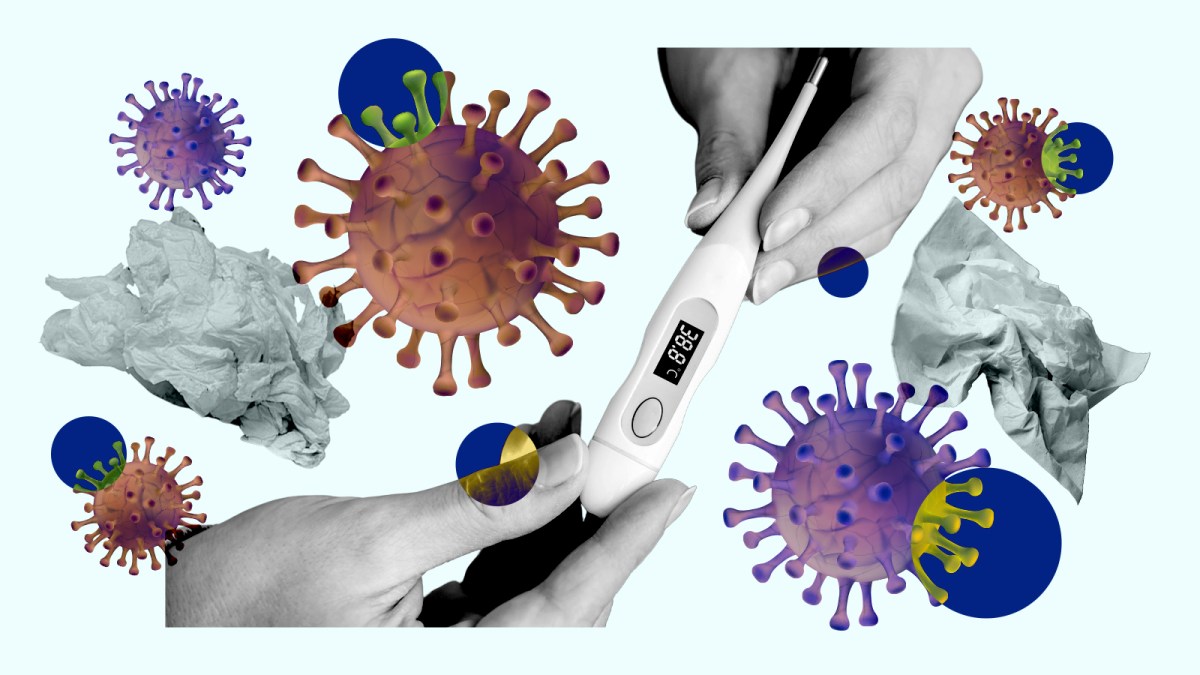
My fever wasn’t budging, so we used an ear thermometer to check my temperature. According to NHS guidelines, a temperature of 38C or above is generally considered a fever — mine was 41C and it stayed that way for four days straight. The NHS website lists ten possible symptoms of flu including high temperature, aching body and loss of appetite. I had all of them. I followed NHS guidance — rest, keep warm, drink plenty of water and take paracetamol or ibuprofen to lower your temperature and treat the aches and pains — but my thermometer reading still never dipped below 40.
I’ve had fevers before, but not one so persistent. A friend who works as a paramedic advised me to see a doctor because of my temperature but I refused: we’re constantly reading about how overwhelmed the NHS is and, while I felt awful, I was adamant that it would pass and I’d wake up feeling better the next morning. I didn’t want to be that guy who shows up at the doctor because they’ve got a cold.
But five days in, on a Sunday morning, the abdominal pain started. Sharp bursts of excruciating pain shot through my stomach and worsened with every cough, so when my family urged me to go to hospital, this time I gave in. Swaddled in blankets, I reluctantly climbed into the front seat of my father-in-law’s car and we drove to the nearest A&E.
The hospital was packed with people like me, complaining of a high temperature and fever. Initially, after hearing my symptoms, the staff weren’t worried, so I waited my turn. When I showed them pictures of my temperature readings, though, they decided my case was more pressing. Five-and-a-half hours later I was with a doctor and, after a urine test and a series of questions, I was told it was probably the flu, and I should go home and continue my paracetamol and ibuprofen treatment.
The NHS advises you to speak to a doctor if your symptoms don’t improve after seven days, and to go to A&E if you get sudden chest pain, difficulty breathing or start coughing up blood.
A few days later, I was still feeling rotten but thankfully my temperature started to go down. I missed a weekend away that I’d booked with my partner and I didn’t touch my daughter for ten days because I was so worried about her catching it. I’ve never had the flu vaccine — I thought that was only for the elderly — but next year I will definitely be booking one. After seeing me so ill, my 70-year-old father has had one and my friends and family have been wearing masks as a precaution.
I never found out if I had the H3N2 strain, but I was bed-bound for two weeks and my family were seriously worried. This flu shouldn’t be taken lightly — it’s the sickest I’ve ever been.
As told to Roisin Kelly