
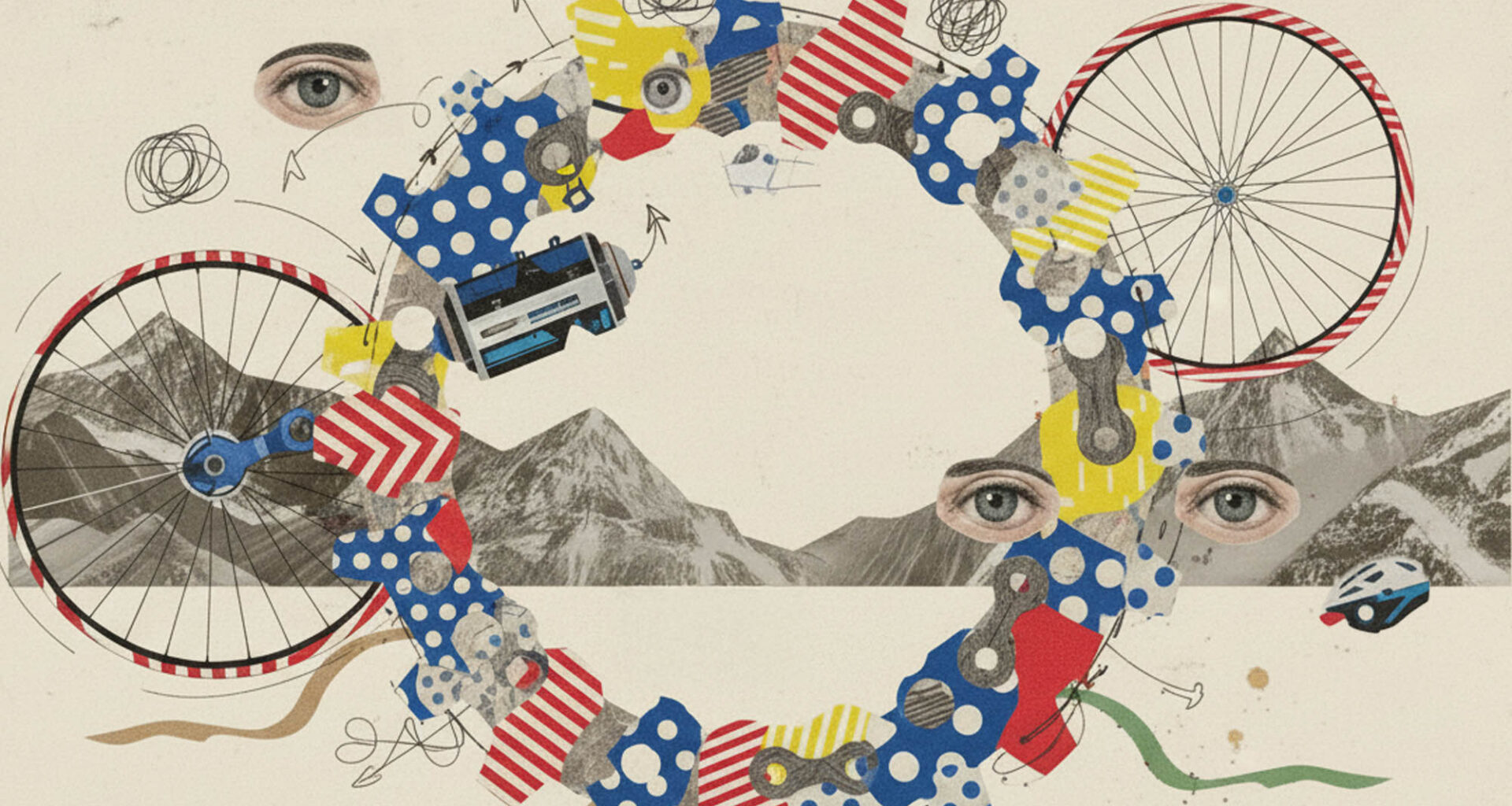
The bike industry loves to talk about innovation, but the story often gets lost at the counter.
Where belief should be built, discounts took over. This is not a dealer problem – it’s a system failure. This Brixen Paper dissects the dealer gap and the broken relationship at the heart of the industry.
The dealer gap became visible in Brixen through a brand-driven lens. Rather than stopping there, we deliberately sought out the dealer perspective afterwards – to test assumptions, expose blind spots and build a more complete picture. The result is this Brixen Paper.
This article is part of the Brixen Bike Papers – a 41 Publishing initiative from our 2025 Think Tank in Brixen, created with the goal of building a better bike world.
A series of essays diving into the uncomfortable truths, hidden opportunities, and real changes our industry needs. Click here for the overview of all released stories.
The Brixen World Bike Papers – The Lack of Digitalisation
1. The Front Line
You can have the perfect product, the star engineer and the most kickass campaign of the year, but none of it matters if the person selling your bike doesn’t believe the story. It dies right there, next to a tired counter and a receipt printer begging for retirement. And let’s be blunt. If the dealer or the salesperson doesn’t wear your brand’s jersey, your brand is in trouble. Full stop.
Dealers were meant to be the bridge between passion and purchase. But too many have become discount machines trapped between shrinking margins and permanent special offers.
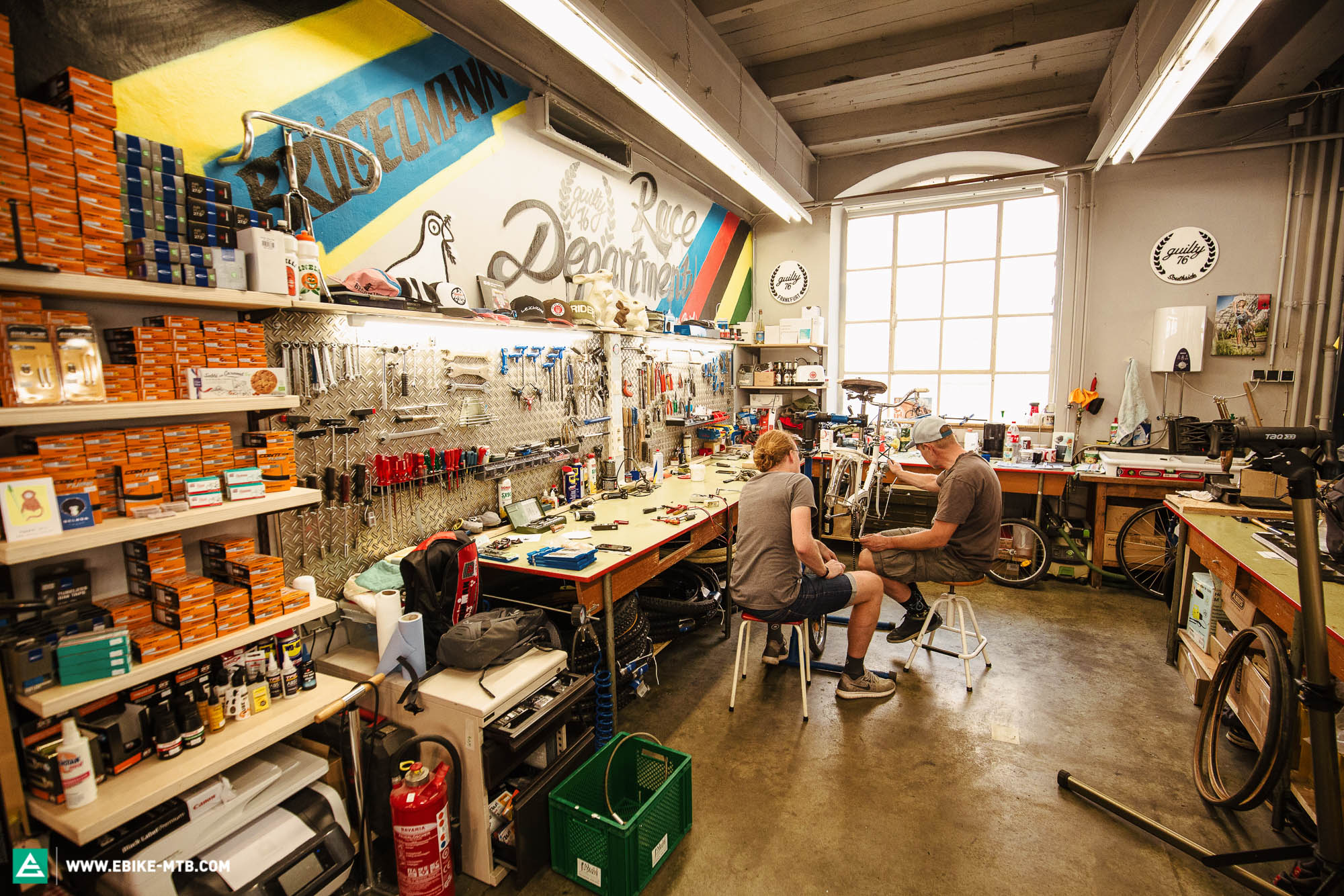
We built an industry where the final human touchpoint is too often the weakest link in the entire chain. And this weakness is not accidental. It’s the result of years of underinvestment in the very people who stand between a brand and its rider. Many dealers have become survivors instead of storytellers, navigating shrinking margins, inconsistent commercial policies and customers who arrive already exhausted by endless online comparisons. When the frontline collapses, everything behind it collapses with it.
2. The Professionalisation Issue
Let’s cut the politeness. Most dealers are not trained to sell experiences. They sell paper, numbers and specs. Because that’s exactly what the industry has conditioned them to do.
A customer walks in and says, “I saw this bike online.”
The standard answer is a spec recital. A TED talk on torque values, battery size and geometry numbers. Pure noise. Sometimes buying an electric drill feels more exciting than buying an eBike, and that’s something we should really worry about.
Where is the emotion? Where is the story? Where is the moment someone says, “This is what this bike will do for you”?
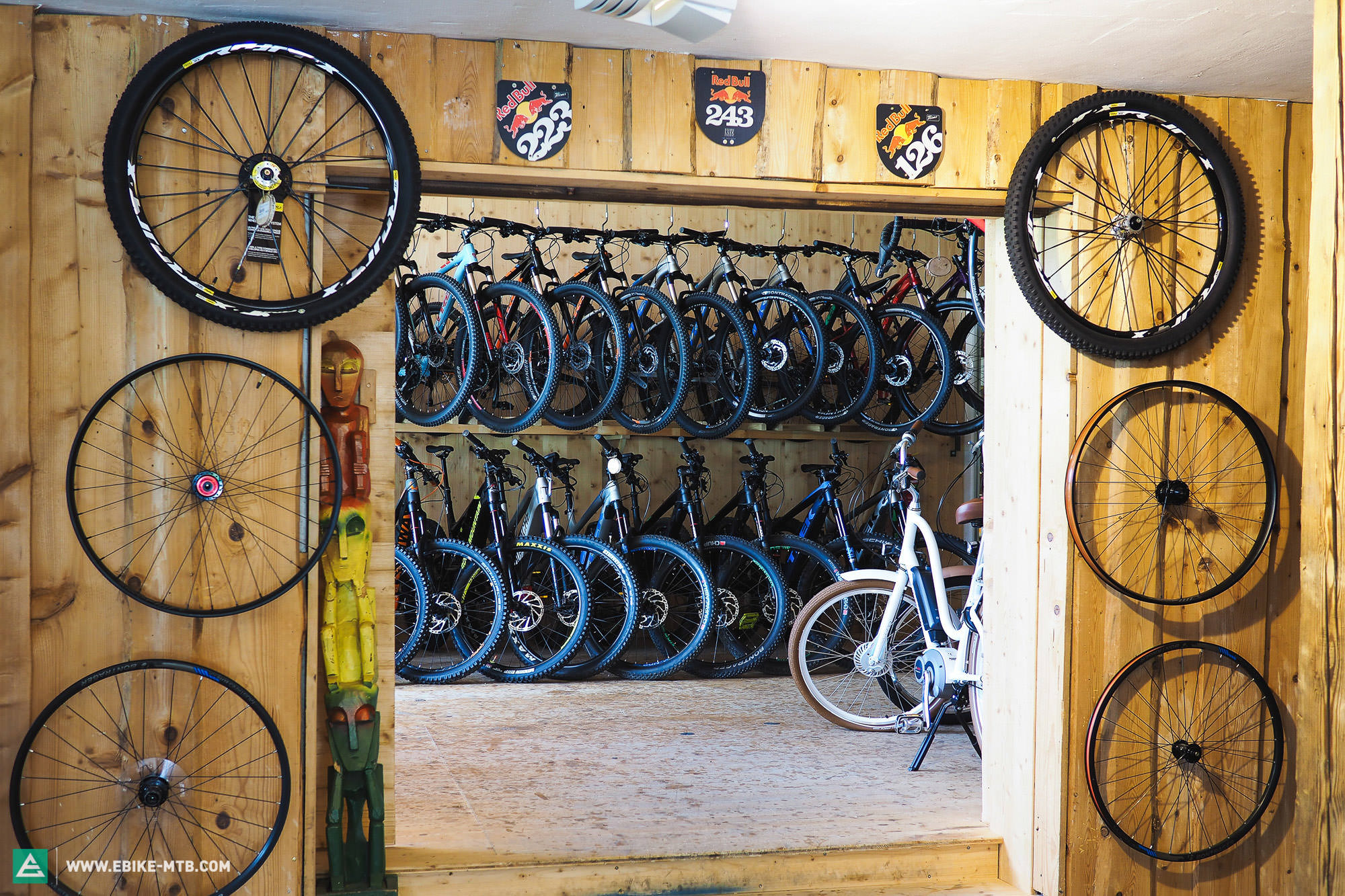
We talk endlessly about “premium retail experience,” yet much of the market still thinks premium means a cool shop with a fancy espresso machine and a wooden floor. The truth is more uncomfortable. Many retailers will tell you that none of this matters if the customer can find the same bike twenty percent cheaper online in under a minute. If price coherence collapses, every other layer of the retail experience can easily become irrelevant.
3. The Death and Rebirth of the LBS
The local bike shop is not dead. It’s confused.
E-commerce didn’t kill it. It killed itself.
It stopped evolving.
It stopped learning.
It stopped understanding that its job is not to sell bikes. Its job is to create believers.
Retailers across the market describe a similar turning point. When the bike boom finally gave shops a chance to earn real money, many brands panicked. Prices went up, margins went down and credit tightened. Then the crash came… and nothing was corrected. The avalanche of discounts that followed did not just erode prices. It eroded trust. Entire seasons of stock were devalued overnight.
The few shops that are thriving today are those that rebuilt from purpose, community and experience, not those who doubled down on discounting.
4. The Storytelling & Innovation Disconnect
Here is the painful truth. Brands invest serious money in technology, product development and details. They craft narratives, obsess over ride feel, usability and balance – and then expect an exhausted salesperson, juggling phone calls and workshop chaos, to deliver that story with zero training.
Imagine spending plenty of time refining a bike’s character, only to have the final conversation reduced to drivetrain, suspension travel or motor torque. Not because those details matter most – but because they are easier to sell. This is not a dealer failure alone. It is an industry shortcut. Retail was never meant to be a specification desk; it was always supposed to be a stage..
And when retailers speak openly, a pattern emerges. Many point to the constant instability imposed by brands: shifting commercial policies every few months, opening new points of sale without strategic control, flooding local markets and then blaming the shop when the price war erupts. Retail cannot deliver consistent storytelling and educated sales when the upstream system is incoherent.
Bikes have become more complex than ever, while the real differences between them have grown harder to explain and easier to ignore. Brands keep adding features, stories and layers – but rarely ask the uncomfortable question: who is actually supposed to carry all of this at the point of sale? An even more uncomfortable question follows: who takes responsibility for ensuring that the frontline is truly able to deliver? Because a strategy that does not survive the final human interaction is not a strategy at all. It is a failure of execution. And too often, our industry loses the story at the very last link in the chain.
5. A Broken Partnership
The deeper loss in the dealer gap is not operational. It is emotional. Brands and dealers are locked in a dysfunctional relationship. Brands love to point at dealers. Dealers love to point back. Each side blames the other for what is broken, while both quietly benefit from avoiding responsibility.
Dealers demand this feature, that specification, this margin, that condition. Based on a handful of loud opinions, brands begin shaping products and strategies – often instead of relying on structured market research and real rider insight. The result is a distorted feedback loop, where opinion replaces understanding.
What makes this dynamic even more uncomfortable is the level of influence some dealers hold. In the automotive world, there is little room for such opinionated bias. In the bike industry, it is often mistaken for proximity to the customer. The difference is subtle – and costly.
Instead of taking ownership and investing in a deep, shared understanding beyond orders, trade shows and preseason meetings, a gap has opened between what brands expect dealers to be and what dealers expect brands to deliver. Trust eroded. Alignment disappeared.
Speak to dealers long enough and the same story repeats itself. There was a time when brands invested in their shops because they understood something simple: a dealer who rides the bike, feels the bike and connects emotionally with the product will sell with conviction. Product days, test rides and training sessions made staff wear the jersey.
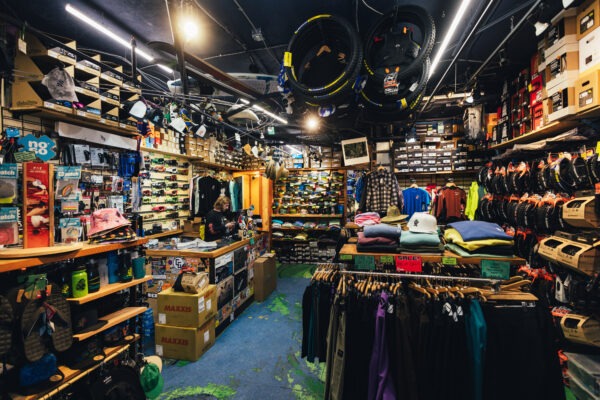
That connection didn’t vanish overnight. It eroded. The relationship shifted from passion to spreadsheets. From storytelling to discount codes. From ambassadors to order takers. From connection to transaction.
Today, the dealer landscape is radically heterogeneous. Some retailers have evolved into true local platforms for riding culture – building communities, offering skills training, creating shared experiences and delivering educated, confident sales. In these spaces, bikes are not explained through specs, but through purpose and use. Many, however, remain stuck in another decade, reduced to selling parameters and discounts, slowly eroding their own relevance. The difference is not size, location or budget. It’s mindset.
Until this relationship is reset, storytelling and educated sales will continue to fail at retail. Not because shops lack passion, but because the structure surrounding them systematically suffocates it.
6. The Love & Hate Relationship
Many brands are driven by fear – fear of losing sales, fear of friction, fear of resistance at the point of sale. Dealers are often perceived as hard to convince, sceptical of new developments and primarily interested in simple, easily sellable arguments. Some are seen as old-school, outdated and unwilling to evolve.
This perception quietly shapes behaviour. Instead of challenging and elevating the frontline, brands adapt downward. They simplify stories, reduce complexity and design products around what they believe dealers are able or willing to sell – not around what riders actually need or what the brand truly stands for. Frustration grows on both sides.
Brands begin to resent dealers for holding them back, while simultaneously failing to invest in bringing them to the level at which they expect their brand to be represented. It is a structural contradiction: dependence without trust, expectation without enablement. Brands need dealers, but don’t fully believe in them. They demand conviction, but avoid the responsibility of building it.
There is another uncomfortable layer to the relationship between brands and dealers. Dealers don’t sell bikes. They sell trust. And trust demands competence. Yet across large parts of the market, we expect retailers to close ten-thousand-euro eBike sales with the commercial training of a hardware clerk.
This is where the contradiction becomes obvious. Brands depend on dealers to represent them, to translate complexity and to build belief – while simultaneously failing to equip them for that role. What remains is a reduced version of retail: transactional, defensive and focused on what is easiest to sell.
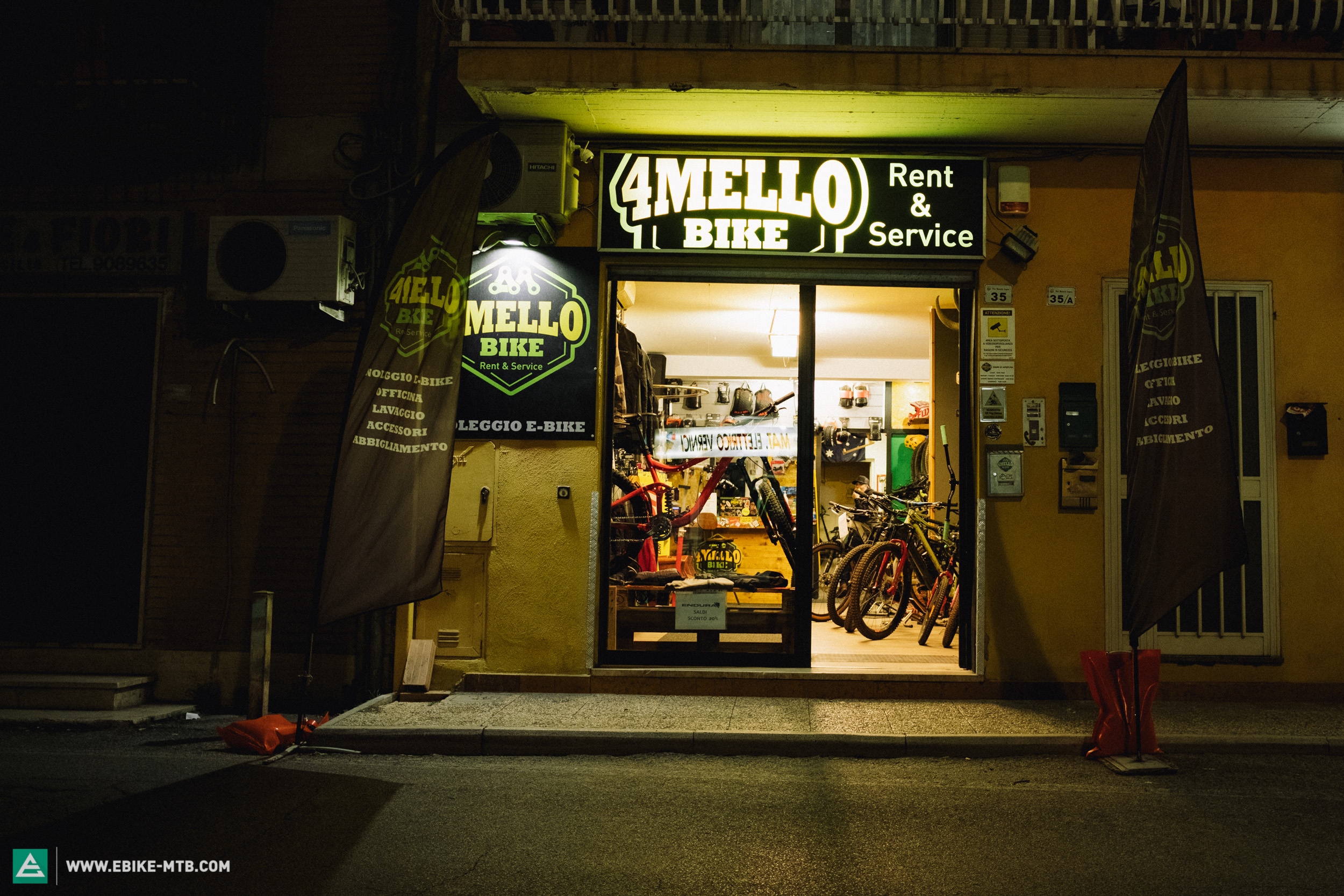
We don’t need shopkeepers anymore. We need experts and curators – people capable of communicating what brands truly do and stand for. People who can turn complexity into clarity, and a purchase into belief, instead of hiding behind easily sellable arguments.
Trust cuts both ways. High dealer fluctuation and short-term hype cycles make brands hesitant to invest in deeper education and long-term enablement. But avoiding that investment only reinforces the problem. The difference will be made by those who rebuild long-term partnerships – replacing seasonal transactions with shared responsibility, commitment and belief.
7. The Distribution Dilemma
D2C was never the enemy. It was the mirror.
It exposed slow sell-through, broken feedback loops, untrained dealers and price incoherence. Many brands moved D2C out of frustration. Others stayed loyal to IBD networks but never invested in their evolution. Both sides lost. Not because the channel was wrong, but because the system was never aligned.
Because the future isn’t online versus offline. The future is hybrid. The efficiency of online combined with the emotion and trust of offline. Whoever learns to bridge that gap will not just survive, they will lead.
And yet, when attempting to openly discuss this imbalance, an uncomfortable pattern emerges. When dealers are invited into the conversation around the dealer gap, the response is often immediate, engaged and honest. Many are eager to talk. To share numbers, frustrations, mistakes and lived reality from the shop floor. By contrast, when brands are asked for their perspective, the dominant responses are polite refusals, “no comments” or, more frequently, silence.
This asymmetry matters. Because it reveals where the tension really sits. Dealers are living the consequences of incoherent pricing, margin erosion and shifting strategies every single day. Brands, shielded by distance from the point of sale, often avoid the conversation altogether. The dealer gap, in that sense, is not just a structural problem. It is a dialogue problem. One side is asking to talk. The other is choosing not to listen.
Retailers across Europe acknowledge another hard truth. Below certain margin thresholds – often around twenty percent – the retail model simply collapses. In the current discount-driven fight for survival, street prices destroy viability long before product innovation, storytelling or service strategy even enter the equation. When margin disappears, everything else becomes theoretical.
Yet this moment, as painful as it is, also exposes the reality with rare clarity. The crisis strips away illusion. It reveals which business models were resilient and which were merely carried by volume, hype or favourable conditions. In good times, inefficiencies hide. In difficult times, they surface.
That is why the current pressure is not only a threat, but an opportunity. An opportunity to reset pricing discipline, to redefine roles, to invest where belief is built and to position clearly instead of competing on survival discounts. Those who use this moment to rebuild coherence, trust and long-term value will emerge stronger. Those who don’t will simply confirm what the crisis has already made visible.
8. What Needs to Change
We need to redefine what a dealer is.
Not a shop that sells bikes, but a local ambassador who represents a brand’s purpose and creates riders instead of transactions.
This requires:
Accredited dealer networks that raise the floor, protect standards and reward the top performers — not just by volume, but by quality of experience and belief-building.
Shared educational programs across brands, focused on experience, use cases and rider needs instead of isolated product specs.
Storytelling as a mandatory part of sales training, treating narrative competence as seriously as technical knowledge.
Consistent price discipline and margin protection, without which any retail experience collapses before it can even begin.
Digital tools that truly connect brand, dealer and rider, enabling real feedback loops and long-term relationships instead of decorating PowerPoint decks.
Clear commercial stability, replacing constantly shifting policies with long-term frameworks that allow dealers to invest with confidence.
Active brand engagement beyond order cycles, including training days, test rides and shared experiences that rebuild emotional connection.
A shift from transaction KPIs to relationship-based success metrics, valuing retention, community and lifetime value over short-term sell-through.
Support for dealers as local platforms, enabling community building, events, demo fleets, rentals and education instead of pure inventory holding.
Professionalisation of retail operations, including CRM usage, service subscriptions and structured customer journeys.
Acceptance of a hybrid future, where online efficiency and offline trust are aligned instead of played against each other.
Those who bridge this gap, or dare to reinvent it, will own the future. The rest will keep losing relevance invoice by invoice.
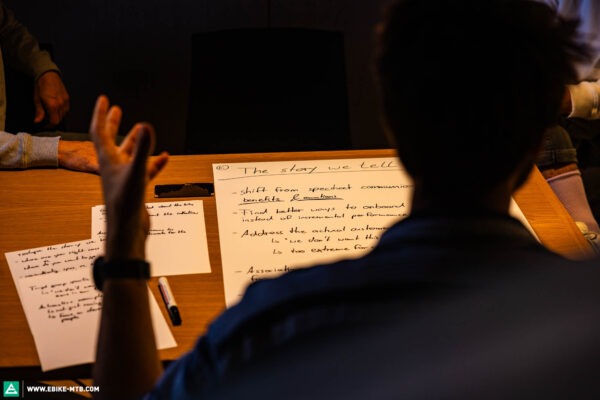
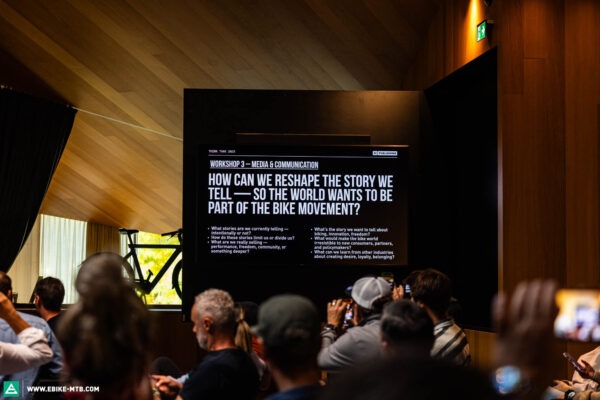
This also means accepting a simple reality: growth will not come from repeating the same distribution logic with better PowerPoints. Reaching new riders will require expanding the ecosystem beyond traditional retail and pure online sales. Community spaces, rentals, mobility hubs, tourism networks, lifestyle partnerships and education programs will become essential access points – not as replacements, but as extensions. The ecosystem must evolve. But it must do so without abandoning the human connection at its core.
9. The Possible Future
The bike shop of 2030 will not be defined by square meters. It will be defined by mindset. The most relevant spaces will no longer be the biggest, but the clearest. Shops that understand their role not as inventory holders, but as local platforms for riding culture, mobility and belonging. Places where product is only one element within a broader ecosystem.
Events will matter more than window displays. Community building more than foot traffic. Demo fleets more than static showrooms. Service subscriptions, rentals and certified resale will replace the obsession with one-time transactions. Data will no longer be collected to feed dashboards, but to improve the rider’s experience and the dealer’s profitability.
Digital tools must finally stop being decoration and start becoming infrastructure. Tools that connect brand, dealer and rider in real time. Tools that enable long-term relationships instead of one-off sales.
The game is no longer about selling bikes. It’s about staying inside a rider’s journey for as long as possible – from first curiosity to first ride, from maintenance to upgrade, from ownership to replacement.
Because the dealer gap is not about commerce. It’s about connection. Long-lasting, meaningful connection. The kind that turns a purchase into belonging and community. By building strong local ecosystems, we don’t just elevate bike culture. We fundamentally improve the rider’s experience – often not just through a better bike, but through better setup, better guidance and better understanding.
10. Conclusions – Closing the Gap
If the last decade taught us anything, it’s this: the dealer gap isn’t a retail problem. It’s a system problem, a cultural problem and, above all, a leadership problem.
It will not close through force, volume or efficiency. It will close when leadership returns – and with it, the emotional contract that once made this industry thrive. Because the dealer gap is not about commerce. It is about connection. Long-lasting, meaningful connection that turns a purchase into belonging and a customer into a rider.
The future belongs to those who invest in belief instead of volume, and who enable dealers to evolve from shopkeepers into brand ambassadors and builders of local ecosystems. Not merely to sell more bikes, but to create better experiences that elevate riding, culture and the value riders take from their bikes. Everything else is just moving inventory until relevance runs out.
This article is part of the Brixen Bike Papers – a 41 Publishing initiative from our 2025 Think Tank in Brixen, created with the goal of building a better bike world.
A series of essays diving into the uncomfortable truths, hidden opportunities, and real changes our industry needs. Click here for the overview of all released stories.
Did you enjoy this article? If so, we would be stoked if you decide to support us with a monthly contribution. By becoming a supporter of GRAN FONDO, you will help secure a sustainable future for high-quality cycling journalism. Click here to learn more.
Words: Juansi Vivo, Robin Schmitt Photos: Diverse