
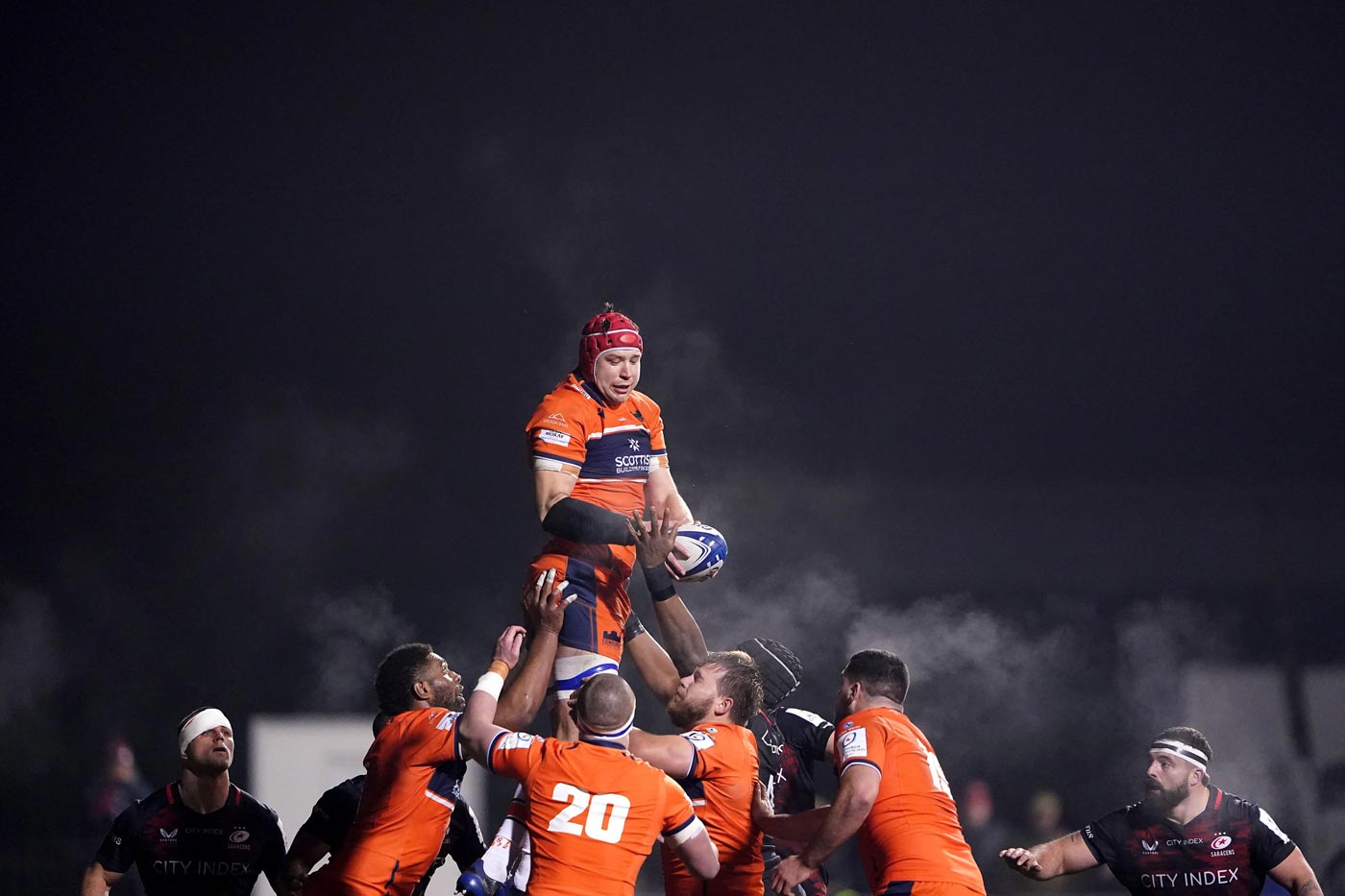
As the United Rugby Championship evolves season after season, so too does the debate surrounding its impact on Scottish rugby. For Glasgow Warriors and Edinburgh Rugby, the URC has brought new commercial reach, colourful rivalries and a unique blend of playing styles. But it has also raised tough questions about competitiveness, player development, scheduling and whether the league is truly serving Scotland’s long-term interests.
What makes the URC such a fascinating talking point is its dual nature: part domestic league, part international showcase. On one hand, it exposes Scottish players to South African power, Irish precision and Italian unpredictability. On the other, its structure often leaves both Scottish teams fighting uphill battles against deeper squads and more financially robust unions.
From Glasgow’s perspective, the URC has delivered both opportunity and frustration. The Warriors have shown they can compete with anyone on their day – especially at Scotstoun – yet the physical demands of playing South African teams away from home remain a massive challenge. The travel, climate shifts and brutal forward battles can drain a squad faster than a traditional domestic league ever did. Injuries have become a decisive factor in Glasgow’s title pushes, raising the question: does the mixture of styles make them better, or simply wear them down?
Edinburgh face a similar dilemma but with their own twist. Their identity within the URC has shifted repeatedly with coaching changes, recruitment cycles and tactical experiments. At their best, they look like a team capable of top-four rugby. At their worst, they struggle for cohesion against the relentless consistency of the Irish provinces. For Edinburgh, the URC’s intensity hasn’t just tested their depth – it’s exposed the need for a clearer philosophy, one that can survive the attritional nature of the league.
Irish dominance remains the elephant in the room. Leinster operate with a level of financial depth and player-resource allocation that no other URC side – let alone Scottish ones – can match. Munster and Ulster benefit from similarly robust pathways. For teams like Glasgow and Edinburgh, competing with Irish squads feels like entering a marathon where some runners start 20 metres ahead. The league’s structure rewards depth, and depth is where Scotland remains thinnest.
Yet the URC also brings undeniable positives. The mixing of styles has improved Scottish players technically and mentally. Young props are exposed early to South African scrummaging. Backs learn to adapt to varying speeds and defensive systems. And the league’s broadcast reach undeniably boosts Scottish rugby’s commercial footprint. Without URC revenue, the SRU’s financial landscape would look significantly more precarious.
Still, the long-term question persists: does the URC give Scottish teams the best chance to thrive? Or does it trap them in a cycle where they are competitive, but rarely dominant?
Some argue that the league’s toughness hardens Scottish players for Test rugby, pointing to recent improvements in Scotland’s consistency under Gregor Townsend. Others counter that both pro teams need more winnable fixtures to build confidence, reward fans and generate momentum.
Perhaps the truth lies somewhere in between. The URC has elevated Scottish rugby in many ways, but its structural inequities cannot be ignored. Glasgow and Edinburgh can flourish in the league, but only if they continue to evolve – and if the SRU is willing to invest in deeper, more sustainable player pathways.
For now, the URC remains both a proving ground and a pressure cooker. It tests Scottish rugby’s limits but also reveals its potential. Whether it ultimately helps or hinders will depend not just on the league itself, but on how Scotland adapts to the demands it continues to impose.