
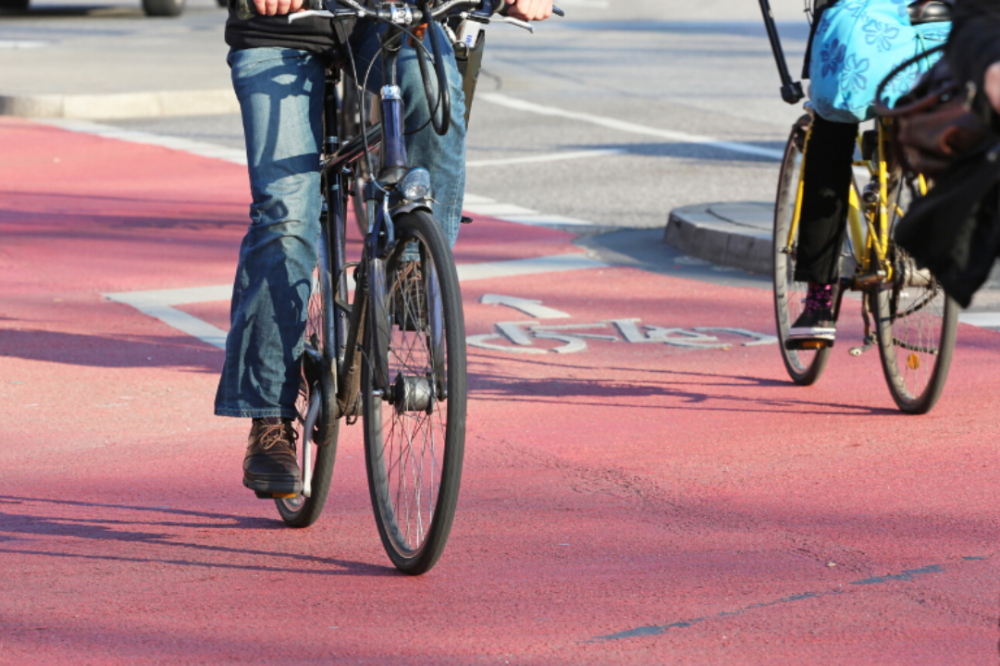
THE INDEPENDENT Active Travel Board in Wales has published its second annual report today (December 16), which tracks the progress and challenges facing Wales in its journey towards becoming an active travel nation.
This year, the Board has welcomed a range of modest gains in active travel in Wales, including continued investment at £19.57 per head, a 17% proportional increase (from 6% to 7%) in adult cycling participation, new statutory duties and strengthened inclusivity commitments.
It also points to disappointing Active Travel to School rates (only 48% of primary school children and 33% of secondary school children walk to school in recently published data), alongside continuing gaps in infrastructure delivery and inclusive design.
The report includes a progress report on last year’s nine recommendations, with several unmet, though partial progress does include the launch of the National Travel Survey, the establishment of the Active Travel to Schools Hub and capacity-building initiatives.
Under new Chair Kirsty James, who brings both lived experience as a severely sight-impaired person and professional expertise in her role at RNIB, the Board and reconvened Inclusive Active Travel Subgroup have led crucial work on barrier removal.
The Board has conducted detailed research into Welsh law and policy on access barriers, finding that while good progress has been made across Wales, discriminatory barriers such as A-frames, narrow chicanes and kissing gates continue to prevent disabled people, older people using mobility aids, and parents with prams from using active travel routes.
Amanda Say, a transport accessibility campaigner and Board Subgroup member who uses a powerchair, explained: “What appears as a simple journey for many can become an insurmountable obstacle for others.
“Some barriers make a complete journey impossible and force you to retrace your journey, creating anxiety about the range of my powerchair.
“The irony is that these barriers are meant to improve safety, but they often create the very accessibility problems we’re trying to solve.”
Commenting on the Board’s new recommendations, Chair Kirsty James said: “We must ensure that every pound spent moves us closer to our goal of becoming a true active travel nation where walking, wheeling and cycling are accessible choices for all.
“Wales is showing real leadership in creating transport systems that work for everyone and this year’s annual report does demonstrate progress, including a 17% proportional increase in adult cycling, a new Active Travel to Schools Hub, and more.
“However, the challenges ahead are significant, and our recommendations try to tackle those head on.”
The Board has issued six new recommendations to be completed up until 2030:
Vital Role of Ring-fenced Funding:
Reinstate ring-fenced funding of at least £50 million annually with minimum 4% annual increases and continue Transport for Wales’ administration role.
Build an Effective Active Travel to School Hub:
Establish the Hub as a dynamic vehicle to coordinate infrastructure and behaviour change programmes by 2027.
Accelerate Wales-Wide Barrier Removal:
Remove all discriminatory access barriers from active travel routes by 2027, unless objectively justified.
Embed Inclusive Design Throughout Active Travel Delivery:
Incorporate mandatory equality, diversity and inclusion design reviews with specialist input from groups representing protected characteristics in all investments.
Support Safe E-Cycling While Addressing Public Safety Issues:
Promote legally compliant e-cycling while taking action against non-compliant e-bikes and unregistered e-motorbikes.
Effective Promotion of Active Travel:
Publish final statutory guidance by November 2025 and embed behavioural science approaches from April 2026.
The Active Travel Board for Wales is encouraging the public to get in touch with them to share their views, and to suggest themes or studies for future reports: [email protected]