
Queensland has recorded its worst year in more than a decade for cases of the flu, but experts aren’t sure why case numbers are so high.
According to Queensland Health data, there have been 93,753 lab-confirmed cases of influenza so far this year.
You think you have the flu. Is it even worth using a RAT?
This represents an 18 per cent jump on last year’s total of 79,770 cases — the previous highest number in a decade.
It is well up from the 5,509 cases recorded in 2013 and the 298 cases recorded in 2021.
The highest increase in cases occurred in the North West health region, which takes in areas like Mount Isa, Cloncurry, Julia Creek, Mornington Island and Normanton.
There were 322 cases in 2024. So far this year, there have been 843 cases — an increase of 162 per cent.
Cases on the Gold Coast jumped 43 per cent — from 9,654 to 13,843 — while cases in Brisbane’s Metro North health service region jumped 26 per cent from 14,648 to 18,387.
But not every region recorded an increased number of cases — some actually recorded drops.
Cases in the South West region — which takes in Roma, Charleville and St George — dropped 28 per cent from 620 last year to 449 so far this year.
In the West Moreton region — which embraces Ipswich and the Lockyer Valley — cases dropped 10 per cent from 7,433 last year to 6,721 so far this year.
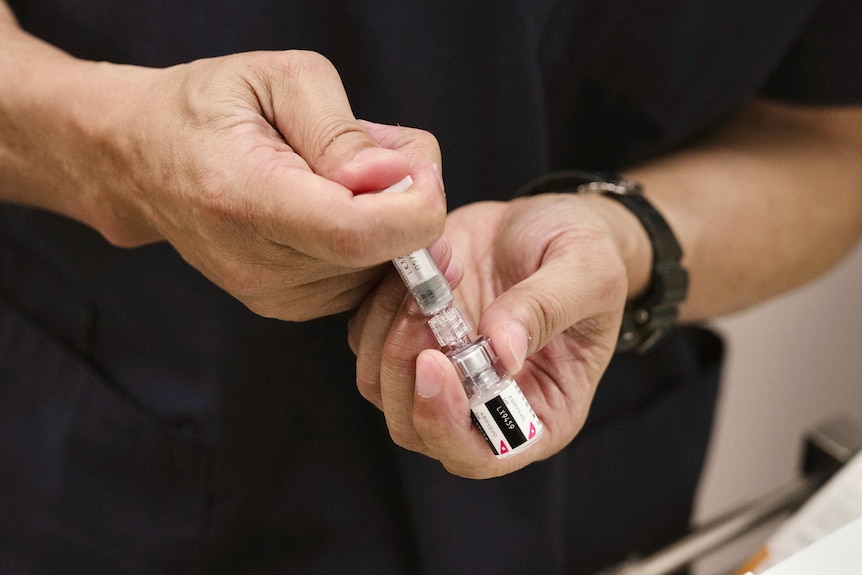
While Queensland’s overall flu cases spiked, some regions recorded a drop in infections. (ABC News: Michael Lloyd)
Over 23,650 cases were reported in the Metro South health region, taking in Brisbane’s southern suburbs and Logan.
As of December 14, there was — at that point — 66 people in hospital with influenza.
Most in hospital were over 65 years old.
Prolonged peak, slow decline
Data suggests the 2025 influenza season has been marked by a prolonged peak and a slower decline in case numbers when compared with the more rapid rise and fall recorded in 2023 and 2024.
Authorities believe these trends are consistent with other jurisdictions in Australia and around the world. They are likely influenced by changes to influenza strains, weather conditions, increased social gatherings and population immunity.
There have been 289 flu-related deaths reported in Queensland so far this year.
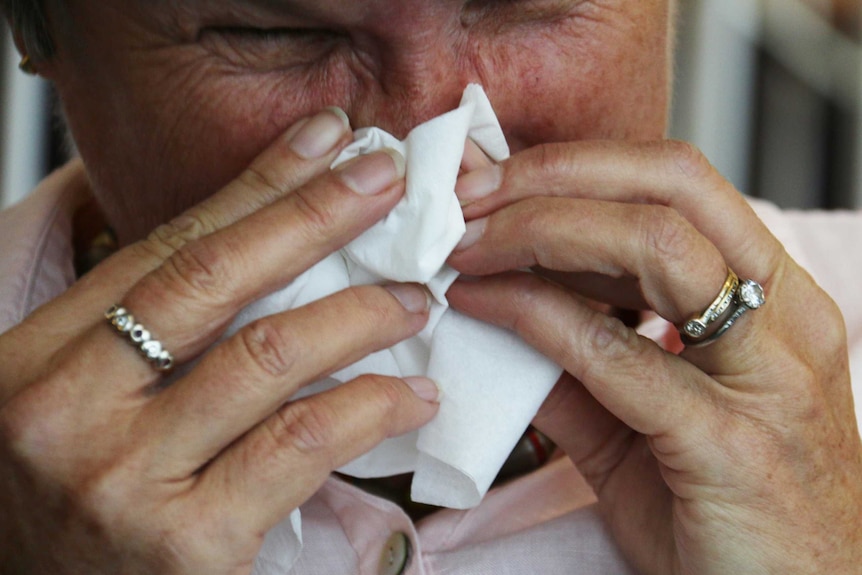
Flu cases remain higher than usual for this time of year. (ABC News: Kym Agius)
A spokesperson for Queensland Health said the flu notifications and hospitalisations remained higher than expected for this time of year.
“It is important people take precautions,” they said.
“Influenza numbers remain well below the August 2025 peak, but flu is still circulating in the community with more than 1,600 new flu cases recorded in the last week.
“We want to remind Queenslanders to prioritise good hygiene habits such as washing hands, covering coughs and sneezes with a tissue, and staying at home when unwell to prevent the spread of influenza to others.
“This is especially important as we move into the holiday season so people can enjoy time with their family, friends and loved ones.”
New flu strain
Andrew Redmond, an infectious diseases specialist at the Royal Brisbane and Women’s Hospital, said the increase in case numbers was likely due to a combination of factors.
These include the fact that people are now travelling more and potentially bringing the virus back with them, and that vaccination rates have declined since the pandemic.
However, he suspects the jump in cases between this year and last could be attributed to a viral mutation and the creation of a new strain called ‘K’.
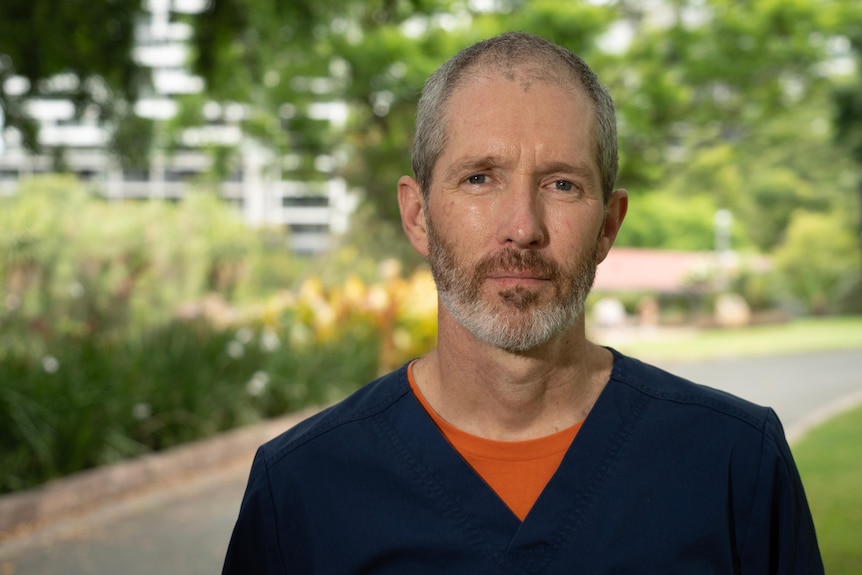
Andrew Redmond is an infectious diseases specialist. (ABC News: William Murray)
“There are two circulating strains of influenza A, H1N1 and H3N2, and they are both pretty well covered by the vaccine,” Dr Redmond said.
“There was a strain that escaped out of [H3N2] which was not as well protected by the vaccine.
“It’s called the ‘K strain’, and this is probably what is largely circulating now.”
There is no evidence to suggest ‘K’ causes more severe symptoms, but because it is not as well combated by the vaccine, it spreads more easily.
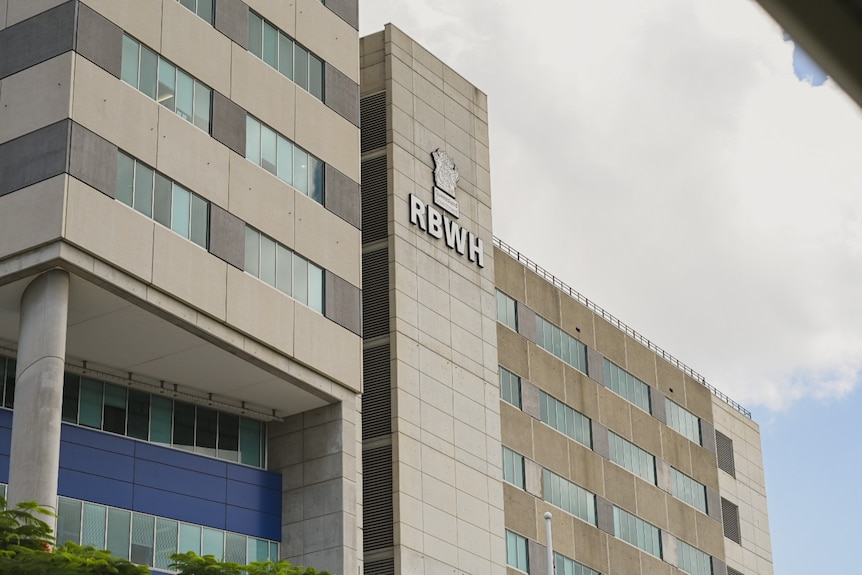
The state government announced a 48-hour pause on elective surgeries in June. (ABC News: Alice Pavlovic)
Dr Redmond said the vaccine would likely be updated next year to include protection again the K-strain.
Flu numbers rise while vaccine rates remain low
Some 1,690 cases were reported in the week ending December 14, which is considered unusually high for this time of year.
Dr Redmond it made it even more important for people to ensure they were vaccinated heading into a social time of year, particularly those at increased risk from infection.
“For those of us who aren’t dealing with lots of medical illnesses, maybe the benefits are less to us and more for those around us,” he said.
“But that’s still a real benefit.”
Premier and deputy premier refuse to reveal vaccine status
The premier and deputy premier refused to publicly state whether they had received the vaccine at the height of the flu season in August.
Both stated the matter was between them and their doctors.
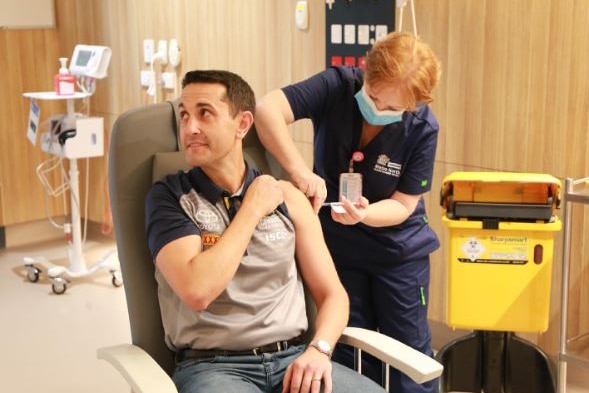
Despite sharing his COVID-19 jab on Instagram, David Crisafulli hasn’t revealed whether he has had his flu vaccination this year. (Supplied: Instagram)
The state also had to pause elective surgeries for 48 hours in June at Queensland’s largest hospitals as they were being overwhelmed by patients with the flu and COVID-19.