
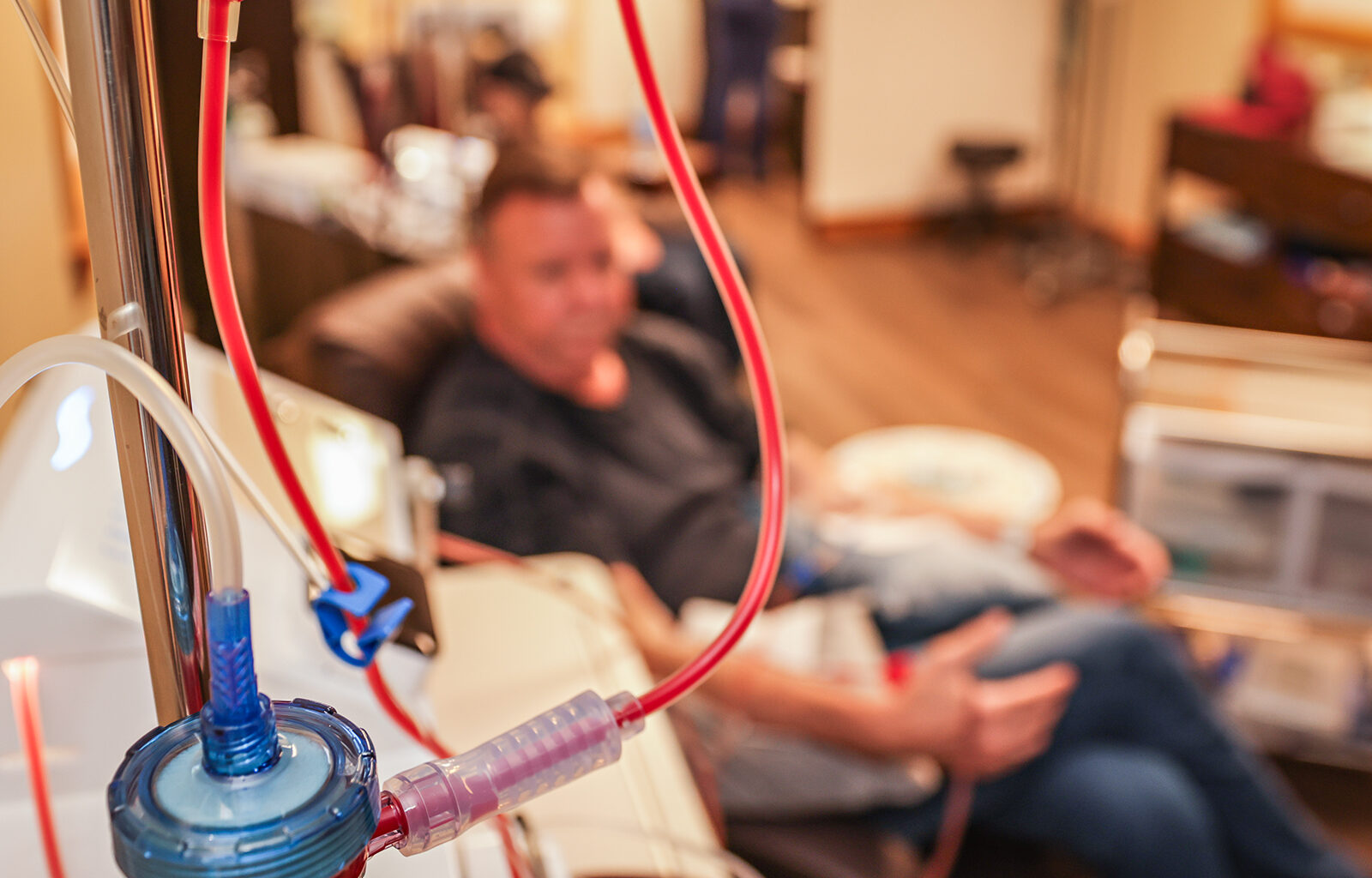
Inside the Natural Path located at the southern end of Kalispell, Dr. Paul Raish offers a variety of naturopathic therapies familiar in the wider wellness world: a red-light bed, a hyperbaric oxygen chamber, and nutrient IV therapy, among others. Perhaps one less well known is the administration of ozone, using the O3 molecule.
Homeopathic medicine has largely retained popularity throughout the years despite an overall dearth of peer-reviewed research supporting the remedies it promotes. Naturopathic doctors differ from conventional medicine with a focus on remedies like homeopathy, the practice of using natural substances to trigger the body’s ability to heal itself. Such treatments are largely exempt from regulatory frameworks, unlike pharmaceuticals, and thus are often not supported by scientific research.
But its proponents, including Raish, caution against downplaying its role in modern medicine, particularly as it offers a form “alternative” or “complementary” principles.
“In naturopathic medicine, we’re taught to think through the biochemistry, think through the physiology and the anatomy, and figure out how to help in a really natural way that’s not harmful to the body,” Raish said. “That just leaves some really, really cool stuff.”
One such naturopathic remedy is ozone therapy.
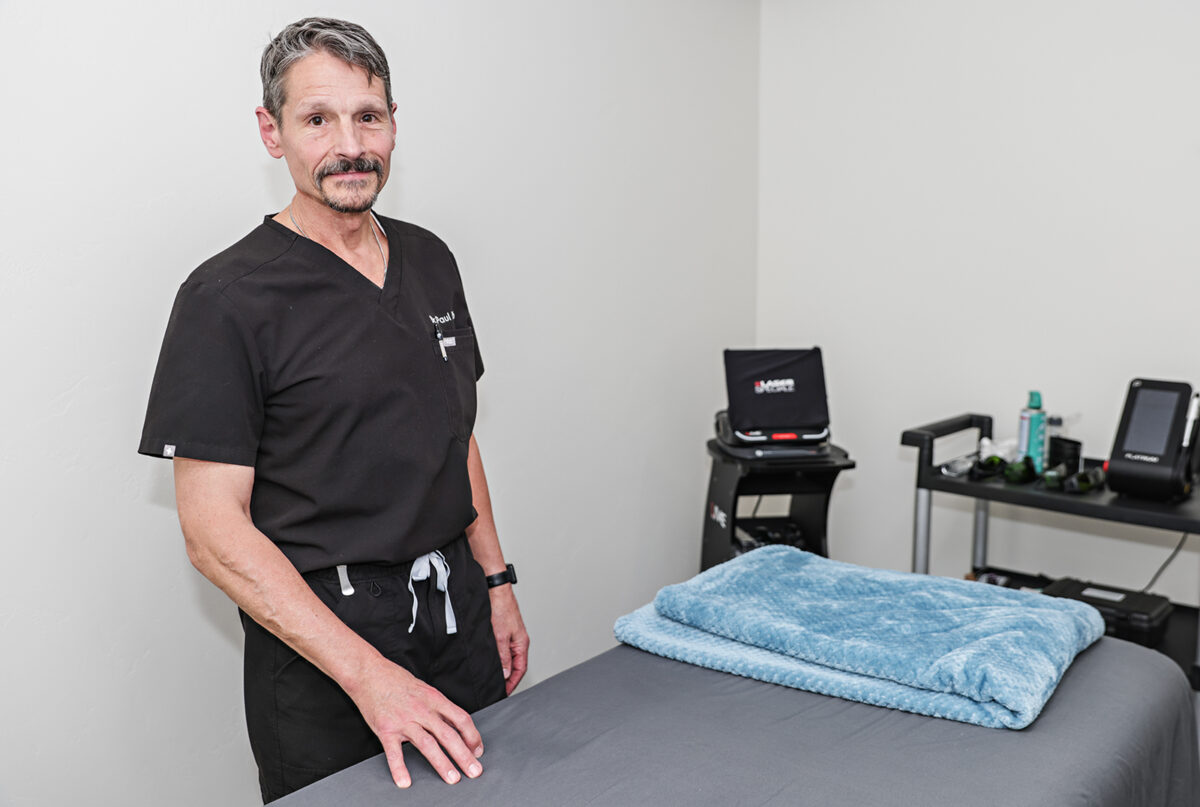 Dr. Paul Raish of The Natural Path clinic in Kalispell on Nov. 20, 2025. Hunter D’Antuono | Flathead Beacon
Ozone has been around since the mid-19th century, when German Swiss scientist Christian Friedrich Schönbein noticed a distinct odor after observing an electric current run through water. He realized the unique smell likely indicated the presence of a different substance and dubbed it “ozone,” after the Greek word “ozein,” or “to smell.” (Ozone is also produced when lighting strikes the air, resulting in that same smell.)
Over time, scientists experimented with ozone, discovering negative effects – like the health hazard of breathing it in the air – as well as its positive antibacterial properties when used topically. During World War I doctors used it for cleaning wounds, noting its hemodynamic and anti-inflammatory properties.
After the war, antiseptics for wound cleaning took over, and the use of ozone began to draw renewed skepticism, with its benefits falling out of favor as its harmful effects became widely accepted. Today, the U.S. Food and Drug Administration (FDA) labels ozone as a “toxic gas with no known useful medical application in specific, adjunctive, or preventive therapy.”
Part of that is due to a lack of research, proponents of ozone therapy say.
Dr. Dan Gragert, a direct primary care provider at Bluebird Health in Kalispell, has considered using ozone therapy at his clinic for sports medicine issues like arthritis-related problems; however, given the dearth of scientific data on it, Gragert has been reluctant to test the waters.
“Head-to-head there’s more likely better options, like platelet-rich plasma, that we have more data on,” Gragert said. “Until there’s just generally more data, it’s not something that we’ll probably do in our clinic. But just because there’s a lack of evidence of benefit doesn’t mean that there’s evidence of a lack of benefit.”
Ozone therapy works by targeting the aerobic system of cellular metabolism. It’s taken up in mitochondria and has the potential to be used in areas where there is chronic stress affecting the tissue.
It initially causes a localized inflammatory response specific to certain inflammatory markers, Gragert said. Those markers, like glutathione and mitochondria, can then mediate ongoing inflammation.
“Medicine in general is kind of moving toward the pro-inflammatory mindset, where it used to be very much inflammation of all kinds is bad,” Gragert said. “Some are using localized strategic inflammation as a means for healing.”
Data on ozone therapy is limited, and thus still has yet to be accepted by the larger fee-for-service insurance world. Gragert mentioned Platelet-Rich Plasma (PRP) again, and how despite there being studies on it for the past 20 years he’s just beginning to see it integrated into some treatment plans, noting that it will likely take another 20 or so years until it is accepted under the insurance umbrella of medicine.
“Realistically, what people classify as this traditional or insurance coverage type world, it’s just very slow to adopt new things,” Gragert said. “It’s also very cautious of liability, and so it takes a while; unless there’s some big institution that can chug out big, major, placebo randomized control trials and make a pretty convincing argument for it, it just takes time.”
Meanwhile, inside The Natural Path are people who don’t have the luxury of time; feeling unsatisfied with the conventional medical system, they are seeking out alternative solutions now.
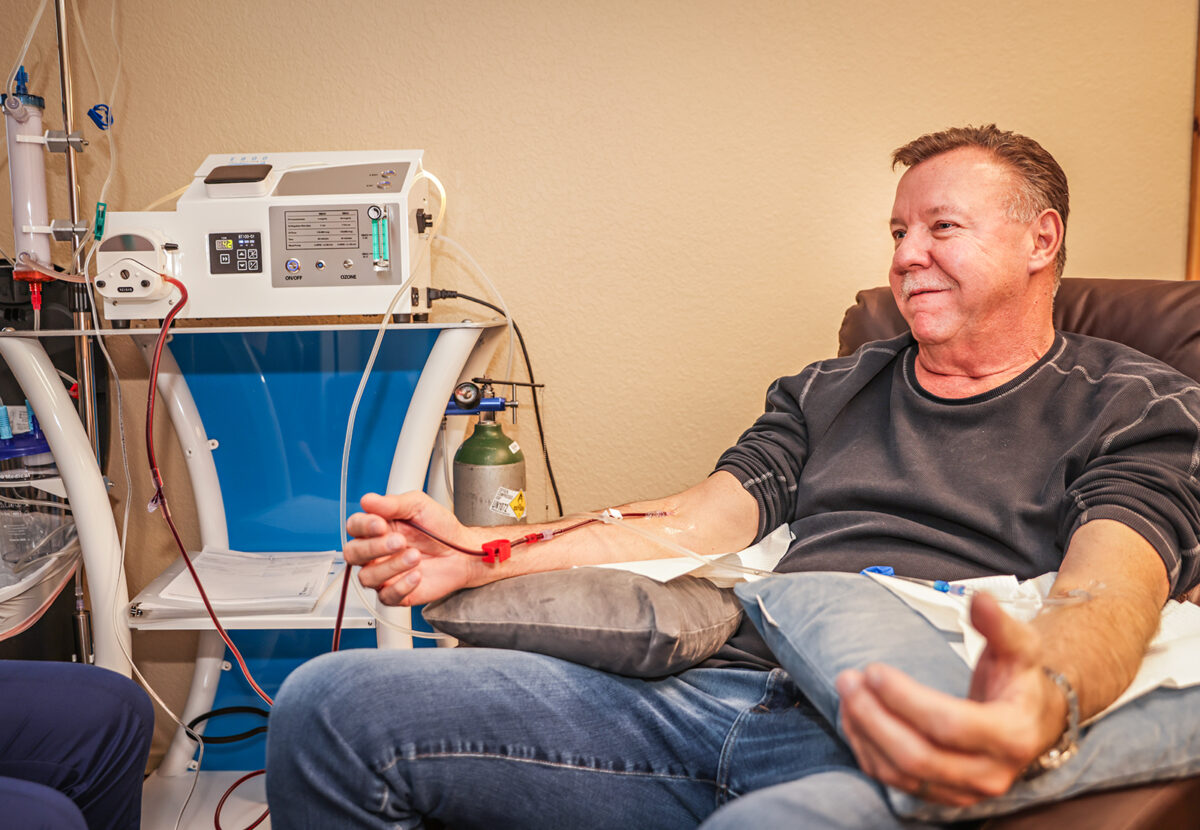 Patient Jeff Miller receives extracorporeal blood oxygenation and ozonation treatment at The Natural Path clinic in Kalispell on Nov. 20, 2025. Hunter D’Antuono | Flathead Beacon
When he learned that his glomerular filtration rate (GFR) had dropped to around 34 earlier this year, signaling late stage three of chronic kidney disease, Jeff Miller said that his doctor began to talk to him about preparing for dialysis. When Miller asked about other options, his doctor recommended that he wait for dialysis.
“We were hung up on kidney dialysis,” Miller said. “I was looking for answers and a solution.”
Refusing to accept the answer, Miller began looking online and found The Natural Path, Raish’s clinic. After a four-hour consultation with Raish, Miller started on his treatment plan: an elimination diet replaced by primarily steak and eggs with the occasional greens, natural supplements, walking two miles twice a day, and going in for intravenous ozone therapy. He stopped taking the medication his doctor had prescribed and stopped drinking alcohol.
Raish uses different ozone therapy machines based on the patient’s health circumstances. One ozone therapy machine, a high dose German machine, takes 200 milliliters of blood out of the body and ozonates the blood under high pressure before returning the blood to the body. A single treatment can consist of 10 passes through the cycle.
Another machine called EBOO, Extracorporeal Blood Oxygenation and Ozonation, takes blood out of the body and through a filter that diffuses the blood before it goes through the ozonation and back into the body, working with a lower dose of ozone over a longer period.
In two weeks, Miller’s GFR went from 34 to 44. By three weeks, he had lost 18 pounds.
At the end of November, Miller went back to his kidney doctor, discovering his GFR had improved to 65.
“It was a scary situation for a while,” Miller said. “But everything’s turned out great so far.”
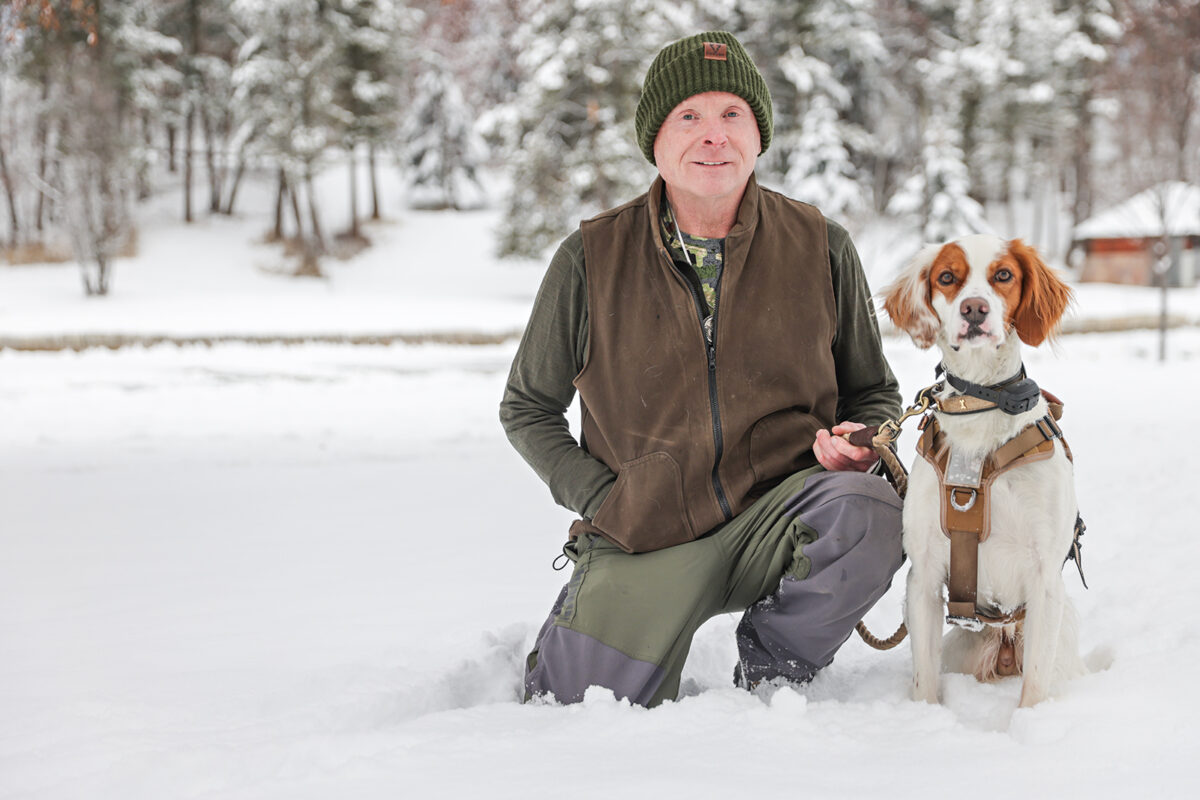 Kevin Moore and his dog Rip in Woodland Park in Kalispell on Dec. 3, 2025. Hunter D’Antuono | Flathead Beacon
After a car crash in 2014 changed his life with a traumatic brain injury (TBI), Kevin Moore had difficulty adjusting to life with a TBI, unsatisfied with the limited answers and solutions doctors had provided about his unique symptoms. From his past experiences training dogs for Navy SEALs and as a martial artist and fight promoter, Moore knew veterans and retired fighters who also had traumatic brain injuries.
“No one could really tell me what was happening,” he said. “So, I surrounded myself with other friends that were going through the same thing.”
He joined the Brain Injury Alliance, connecting with other brain injury survivors. Then, another patient referred him to Raish.
Raish integrated the high-dose, 10-pass ozone therapy into his naturopathic practice after experiencing a significant improvement to his own enduring brain fog from a traumatic brain injury. Raish trained with Dr. Frank Shallenberger, a pioneer in anti-aging medicine who introduced him to the idea of using ozone therapy for a variety of health issues.
“Ozone for the joint, ozone for the tissue, great,” Raish said. “But ozone for the systemic body? That blew my mind.”
The amount of scientific evidence supporting ozone therapy for brain injuries is smaller than the amount of evidence supporting ozone therapy for other issues like arthritis, drawing concerns, Gragert at Bluebird Health said. One 2022 study on rats with brain injuries notes ozone treatment alleviated symptoms, while another case report in January 2025 documents a person’s neurological crisis after receiving intravenous ozone therapy.
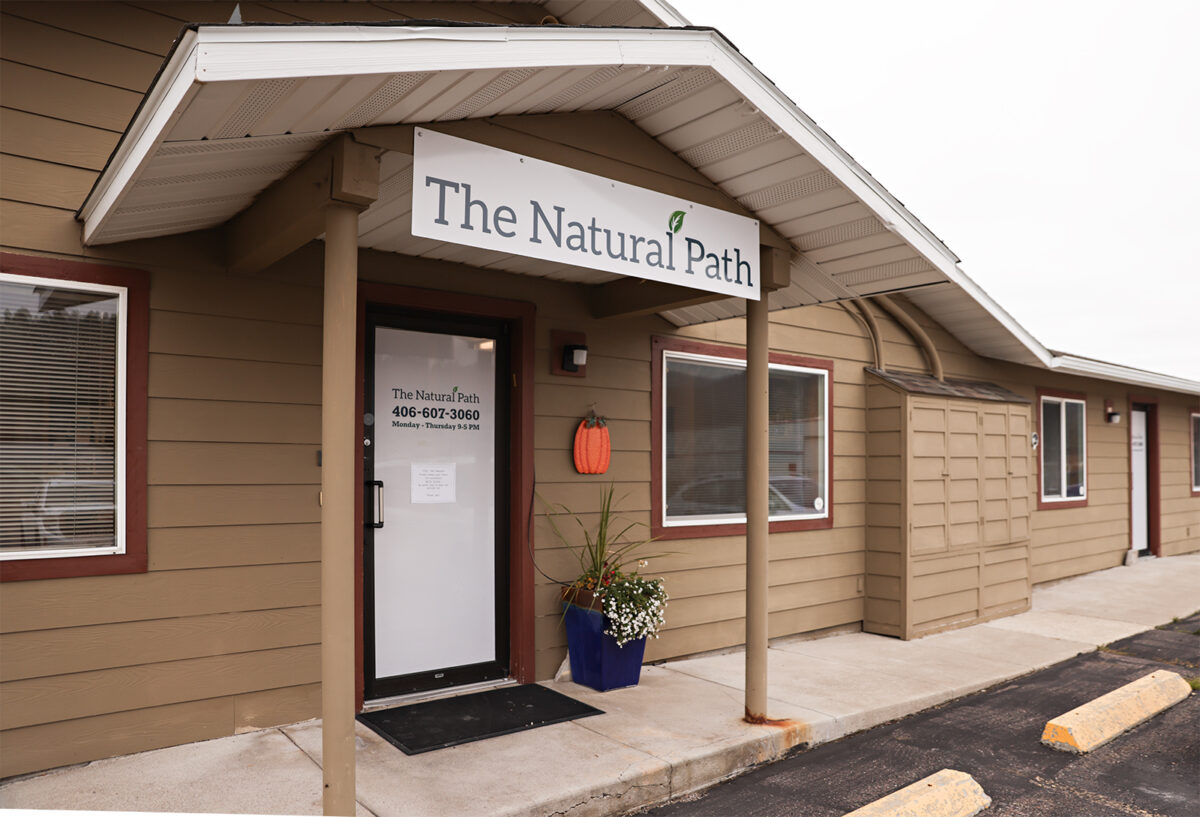 The Natural Path clinic in Kalispell on Nov. 20, 2025. Hunter D’Antuono | Flathead Beacon
Like Miller, Moore went through a long consultation. Raish set him up with his own treatment plan, requiring daily exercise, a changed diet, regularly going in a cold plunge or sauna, nutrient IV therapy, and blood ozone therapy.
For Moore, the new regiment changed his life.
“I recognize the importance of traditional medicines, particularly in emergencies,” Moore said. “Since this brain injury, Dr. Raish is playing the music I want to hear.”
Moore now sees Raish about once a week. His health has largely stabilized, and he feels like he has a better grasp on understanding how to live with his health conditions.
“TBI survivors are starving, we’re hungry for information, and no one can give it to us,” Moore said. “With the naturopath, you walk into a smorgasbord of information to digest and understand – that’s healing on its own.”