
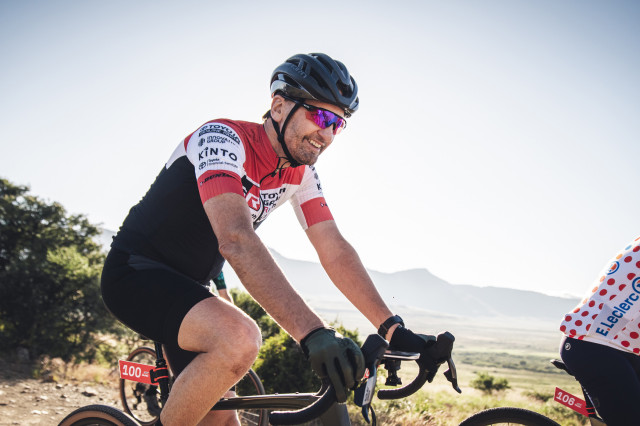
The Absa Cape Epic is known as the biggest, toughest, and most prestigious mountain bike stage race in the world, and is the brainchild of pure outlandish and bold passion from Kevin Vermaak, a young South African mountain biker. After living in the UK for a while, Kevin took off on an adventure with a couple of mates to race La Ruta in Costa Rica, which then stood tall as the most prestigious amongst the very few off-road stage races around in the early days of the sport.
From this, he came up with the brazen idea of creating the Cape Epic in 2004. Over a very short time, the race that many thought might be just a one-off novelty became the biggest thing in the sport, and stood alone in its staging and format. Fast forward through the next 20 years, with Kevin having sold the event to Ironman in 2016, he returned with yet another game-changing dream race; The Nedbank Gravel Burn, which took place at the end of October in South Africa, and attracted some of the biggest names in the sport – and first time around too.
We caught up with Kevin to hear about his journey, the learnings along the trail, and to find out where things will lead with Gravel Burn from here on.
ORCC: You were in a very different life situation, and MTB was in a very different place when you launched the Cape Epic. How different was it starting something new again, so many years later?
Kevin Vermaak: It was very different, both personally and professionally. When we started the Cape Epic, I was younger, less experienced, and perhaps more willing to take risks without fully understanding the consequences. This time around, I brought a lot more perspective. I now have a family, I understand the personal cost of building something from scratch, and I am far more aware of what it takes to sustain an event beyond its first edition. At the same time, that experience gave me confidence. I knew how hard it would be, but I also knew it was possible. Starting again felt familiar, but not naïve.
There were a few similarities too, in that both categories were growing with a huge opportunity to create a significant multi-day event.
ORCC: When you launched the Cape Epic, there was no YouTube or real modern digital media. How has your approach to media and communication evolved?
KV: The landscape is unrecognisable compared to 2004. Back then media was largely print-based, and television was something you aspired to one day. Today, communication is immediate, global and constant. Viewers access a multitude of sources and a variety of profiles; way more than ever before. As an organiser, you cannot treat media as an afterthought; it is part of the event itself.
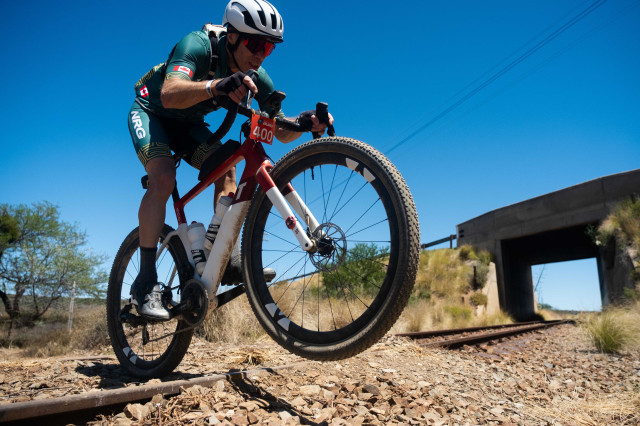
What has changed most for me is the importance of authenticity. You cannot manufacture belief; people see through that very quickly. The upside is that if you tell your story honestly and invest properly in content, you can reach people all over the world in a way that was impossible twenty years ago.
And yet, although the landscape is massively different, the fundamentals remain; again, authenticity is at the core of this.
The risk and reward factor
ORCC: From a risk and reward perspective, what lessons did you carry from Cape Epic into the Gravel Burn?
KV: The biggest lesson was understanding what the early phase of a new event really looks like. Back then, there was no way of telling if the concept would actually work (if there would indeed be universal appeal), but with Nedbank Gravel Burn, it was easier to bring our vision for the rider experience to life. In terms of the feasibility of the business, the Cape Epic carried heavy debt for a long time. It was an enormous strain, and it took six years before the event stabilised financially. That experience never leaves you.
Nedbank Gravel Burn was no different in its first year – we made a significant loss. That was expected, and it was a conscious decision to invest heavily in the first year. If you want to build something properly, especially in a remote region and with purpose-made infrastructure, the first year will always cost more than it earns.
The difference this time is perspective; when I started the Cape Epic, there was no case study to point to and no real benchmark for what I was trying to build. Financial support was harder to secure because the concept itself was unproven. With the Nedbank Gravel Burn, I understood the risks far better. I knew where the pressure points would appear and what it takes to carry something through its early stages.
I am still emotionally and financially invested, probably more than ever. The first year had to work at any cost. Now that it has, we can step back and start refining. We can become more structured, while still maintaining the level and ambition that the event demands. Experience does not remove the risk, but it does mean you are far more prepared for it.
ORCC: Cape Epic is now an icon, but it was a maverick idea at the start. How different was the reception to Gravel Burn, and have governing bodies embraced gravel yet?
KV: The cycling world is more open to new ideas than it was twenty years ago, but it is also more crowded. When we launched the Cape Epic, mountain bike stage racing barely existed. With gravel, the discipline already has momentum, but it still lacks a clear definition. That creates both opportunity and complexity. I do not think governing bodies have fully caught up with what real gravel racing is yet, particularly multi-day racing in remote environments, and especially with the rider experience. That said, there is far more curiosity and acceptance today than there was in the early days of mountain bike stage racing.
ORCC: Once you were free to start again, why gravel and not another mountain bike stage race?
KV: I did not want to compete with the Cape Epic. That event still means a great deal to me. But gravel felt like the right place to be at this moment. It is the fastest-growing part of cycling, and for good reason. By its nature, it is more accessible and therefore more inclusive, and attracts riders from many different backgrounds.
On a personal level, my gravel bike has become my favourite bike. In fact, it is the only bike I ride now. Gravel allows you to go far, to explore, and to ride at your own level on a huge variety of surfaces without feeling boxed into a single discipline.
I also felt that gravel is where mountain biking was twenty years ago. It is growing quickly, but still defining itself. That is an exciting place to be, and it gives us the opportunity to build something new rather than reinvent the wheel.
Creating off-road fire in the Karoo
ORCC: Organisationally, what surprised you about solo gravel racing compared to pairs MTB stage racing?
KV: The speed of the race was a big surprise. Solo racing on gravel roads is fast and dynamic, and bunch riding plays a far bigger role than it does in mountain biking. Groups are often larger, they stay together for long stretches, and riders end up sharing much more of the route with one another. That changes both the racing and the social dynamic, and it meant our safety planning had to adapt.
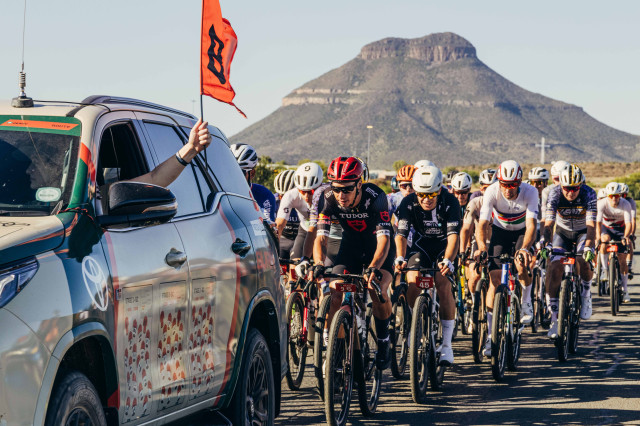
At the same time, solo racing simplified certain aspects of logistics and category management. What stood out most, though, was how inclusive the format felt. Riders may have been racing their own race, but they were also spending long hours riding with others, getting to know one another out on the remote roads and then coming together again in the Burn Camps to share the experience.
ORCC: You spent a lot of time promoting the event in person around the world. How important was that, and how much did your Cape Epic credibility help?
KV: In-person engagement is crucial. Cyclists value connection and authenticity, and that is especially true of gravel riders. Sitting in a room with people, asking and answering questions honestly and sharing the vision builds trust in a way digital communication cannot. My history with the Cape Epic certainly opened doors, but credibility only takes you so far; people still need to believe in the idea itself. The time and effort spent travelling and meeting riders face to face proved to be one of the best investments we made.
ORCC: How did you manage to bring in partners like Tom Pidcock and Red Bull, and does that change how you handle branding and media?
KV: Those relationships came through alignment and a fairly natural chain of events. Pinarello share the same owners as Amacx, who came on board as a partner early on. Through that relationship, we hosted a Firestarter evening at the Pinarello store in London, which led to deeper conversations about the race. Pinarello committed fully and took an entire Lapa of 20 tents at the Nedbank Gravel Burn. Through that connection, we met Tom, who was curious about the concept and decided to come and experience the event for himself.
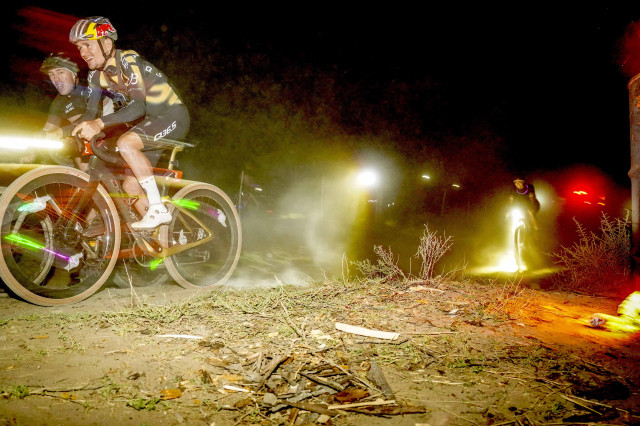
With Red Bull, I had a strong feeling that the Night Burn would resonate with them. It was visual, energetic and very different from anything else happening in gravel racing. We had a series of conversations about the idea and the broader vision of the event. It was not a typical activation for them, but they were drawn to the originality. They were keen to work with us, and together we pushed the concept further. Working with partners like that raises the bar. It forces you to be clear about your values, protect the integrity of the event, and think creatively about how stories are told. I enjoy that pressure, and I think it ultimately strengthens the race.
The wrath of storms
ORCC: Going into the first stage with heavy rain, were you worried?
KV: Not really worried, more disappointed. The first stage through the forest is a special one, and it would have been even more enjoyable in dry conditions. That said, it is a rainforest, so the route itself handled the rain well and was never at risk. In truth, we were also quite lucky. There are other stages on the route where sustained rain could have caused real problems, and that never materialised. While the weather was intense at times, it did not affect the integrity of the race. Rather than becoming a negative, the conditions brought people together and helped set the tone for the week.
ORCC: Wind, frost and extreme conditions are familiar to you from Cape Epic. How prepared were you, and how did you manage rider morale?
KV: By now, we have accepted that you cannot control the weather! But you can control how prepared you are for it. The key was staying adaptable and having robust systems in place. Logistics, medical support and race operations were adjusted to suit the conditions, and the team executed that extremely well. Our priority was always rider safety and comfort, and ensuring the race could continue without compromising the overall experience. When riders see that the event is being managed calmly and confidently, morale tends to follow.
Blazing ahead
ORCC: Behind-the-scenes work often goes unnoticed. Were there major learnings you will carry forward?
KV: Yes and no. There weren’t any big surprises. I am fortunate to work with an experienced and highly capable team, and that showed throughout the event. What the first edition and the conditions thrown at us gave us was the opportunity to examine every detail with a fine-tooth comb. You cannot deliver a perfect event in year one; there is simply not enough time to do everything at the level you ultimately want. What this first edition gave us was clarity; we know exactly where to refine and where we can be more structured.
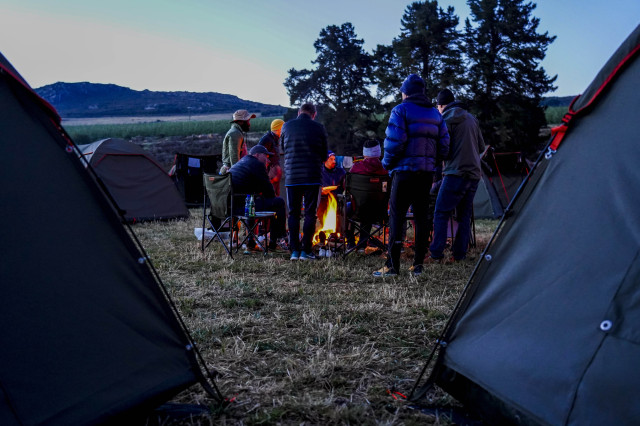
One of the strongest signals came from the Blaauwater loop stage; riders loved staying in one place for two nights, and that has opened up opportunities to innovate the route, enhance the experience and double down on infrastructure where it makes sense. Local engagement remains critical; working closely with landowners, towns and communities is not just operationally important, it is part of the responsibility of bringing an event like this to the region. Leaving a positive and lasting impact in every place we visit is something we will continue to prioritise as the event evolves.
ORCC: Looking ahead, where would you like to take the Nedbank Gravel Burn, and how do you think about scaling it sustainably?
KV: My focus is on quality before quantity. One of the advantages of the Karoo is space, and from the outset, the plan was to be able to scale rider numbers while still preserving the intimacy of the Burn Camps. Growth has to be deliberate, with infrastructure, staff and community involvement developing alongside it. The first year showed us what is possible. Now it is about refining that foundation and being smart about how we evolve. Profitability comes from doing things properly and sustainably, not from shortcuts. If we get that balance right, the event can grow into something enduring. That is the goal.
You might also like: