
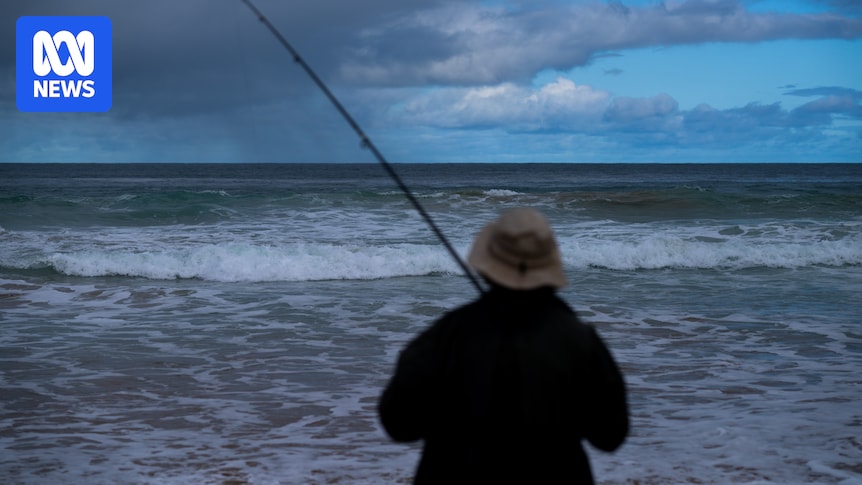
Recreational fishing restrictions initially put in place to protect fish stocks impacted by South Australia’s algal bloom have been eased, days before Christmas.
The state government has announced fishers can now catch full bag, boat and passenger limits of blue swimmer crabs and southern garfish in the Spencer Gulf.
The decision to relax the restrictions followed scientific assessments indicating blue crab and garfish stocks are “performing sustainably” in the region.
Catch limits for recreational and charter boat fishers took effect in November, alongside commercial fishing bans around Gulf St Vincent and Kangaroo Island.
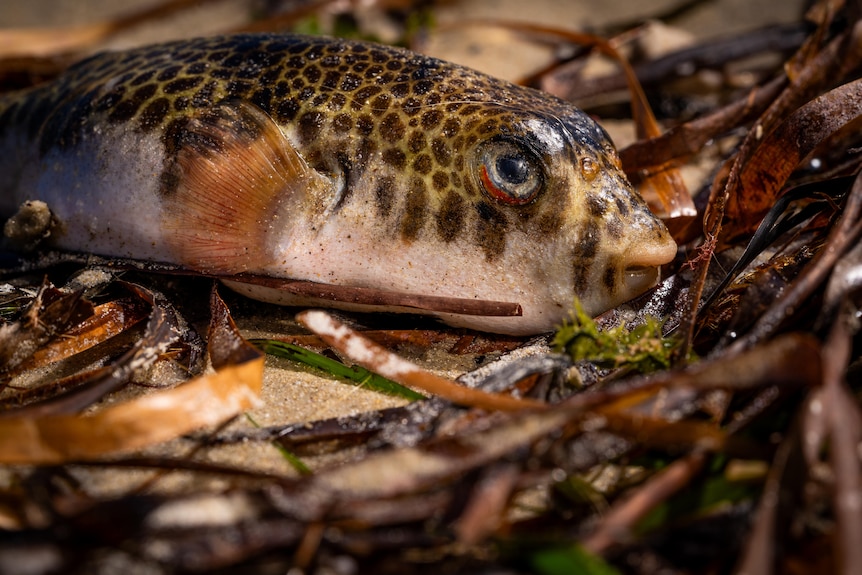
Dead marine life has appeared on South Australia’s beaches since the algal bloom began in March. (ABC News: Che Chorley)
All other temporary recreational bag, boat and charter boat passenger limits remain in place and are subject to regular review.
Premier Peter Malinauskas said the move was “timely” given the “proximity to Christmas” but reiterated the decision was guided by scientific evidence.
He said the rule changes came amid a “sustained period of consistent clearing up” of South Australia’s algal bloom, which had devastated the state’s marine life since March.
“This is on the back of research and science which tells us those stock levels are actually doing quite well, and we can now reopen the limits,” Mr Malinauskas said.
“We’ll continue to monitor it closely for as long as it is required, but we’re not going to keep these restrictions if we don’t need to.”
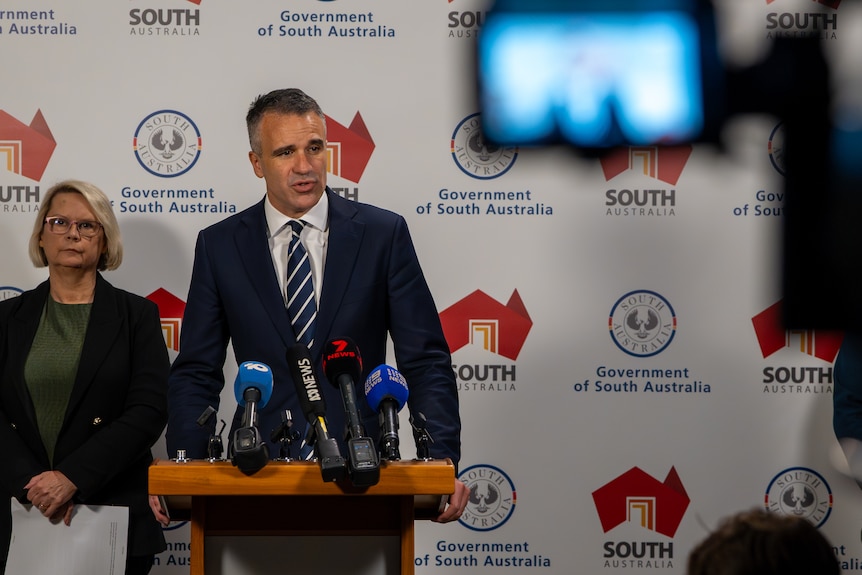
Peter Malinauskas says the decision was backed by scientific evidence. (ABC News: Trent Murphy)
Restrictions have also been eased on catching migratory finfish species — including Australian herring, barracouta, mulloway, southern bluefish tuna, Western Australian salmon and yellowtail kingfish — in the Kangaroo Island and Gulf St Vincent regions.
The state government said allowing full bag limits would “have minimal impact” on the sustainability of fishing stocks within the two fishing areas.
“In respect to Gulf St Vincent, we still see nowhere near enough recovery of fish stocks in the way that we would like. There is a long way to go,” Mr Malinauskas said.
“Species such as calamari in the Gulf St Vincent still remain a significant concern.”
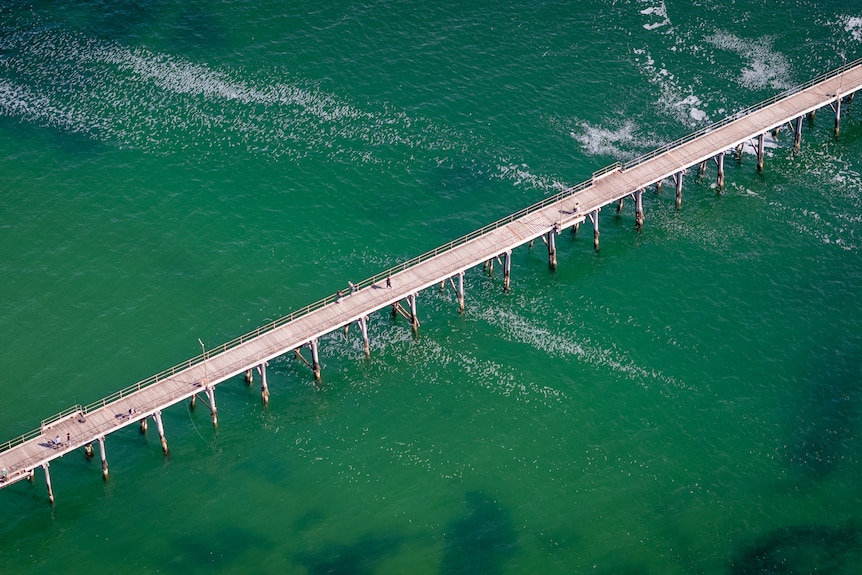
Other temporary commercial and recreational fishing restrictions remain in place. (ABC News: Che Chorley)
Restriction relaxation a ‘real step forwards’
Steve Castle, who owns a tackle shop in Adelaide’s north, has seen a downturn in business this year as a result of the algal bloom.
He thought the relaxation of limits for crabs and garfish was “a really good idea” and came at an important time for the fishing sector.
“It’s going to promote so many more people going away for Christmas time, and school holidays, to catch a feed of fish,” Mr Castle said.
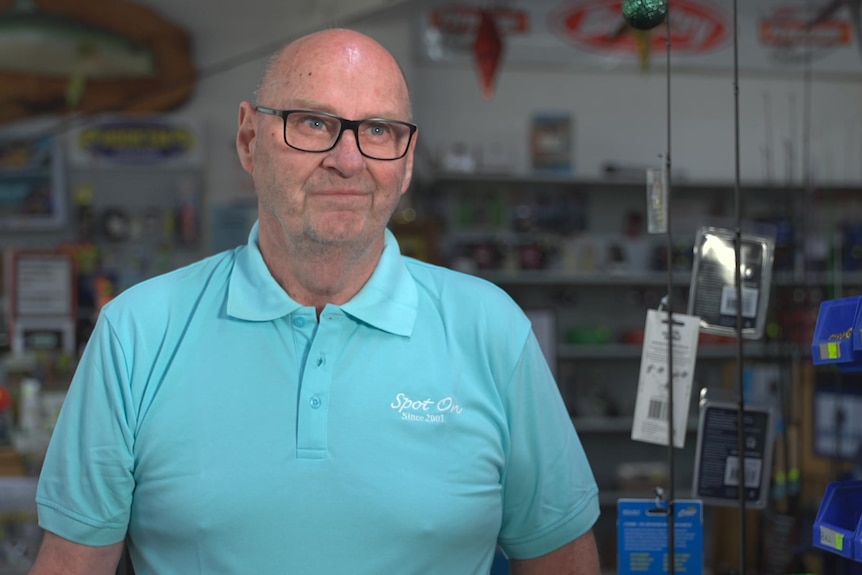
Steve Castle owns a fishing shop in Adelaide. (ABC News)
RecFish SA CEO Asher Dezsery — who had previously raised concerns about the impact of the restrictions on recreational fishers — also welcomed the move.
“Our expectations early were, if we see a scale back of fishing, we’ll also see a scale forwards where we can,” he said.
“What we’ve seen today is a real step forwards in our confidence in terms of management, in terms of good, sustainable decisions for fisheries.”
Mr Dezsery said he was pleased to see limitations on tuna species removed as recreational fishing competitions kick off.
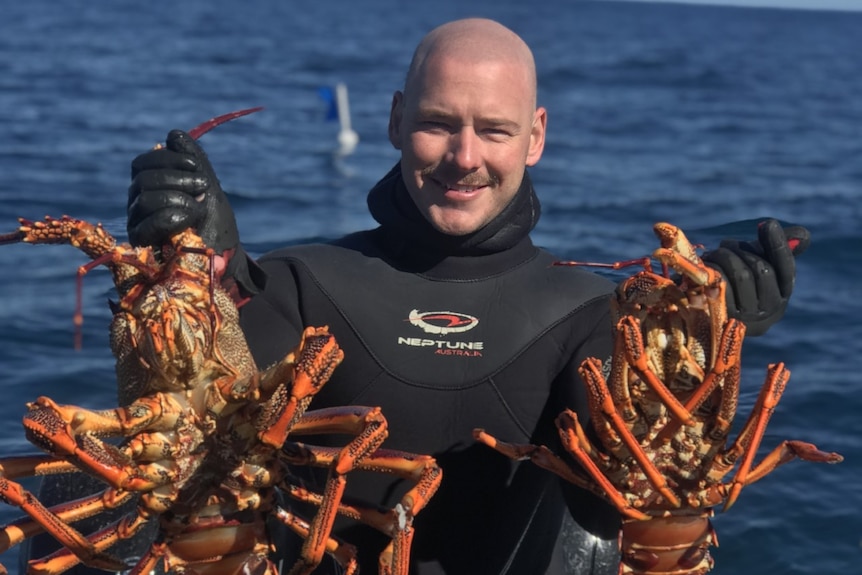
Asher Dezsery welcomed the decision to ease some recreational fishing restrictions. (Supplied: RecFish SA)
‘Not claiming victory’
SA Research and Development Institute executive director Mike Steer said while the absence of the bloom around parts of Adelaide’s metropolitan coast was positive news, there were still hurdles to overcome.
Mr Steer said small patches remained around Kangaroo Island and Whyalla, but testing received on Friday night showed declines in chlorophyll — an indicator of the algae — in those areas.
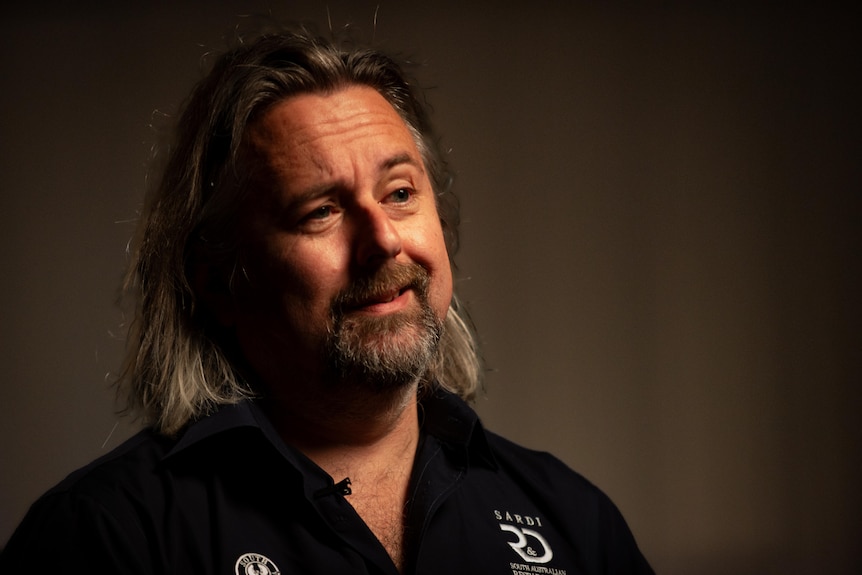
Mike Steer says the footprint of the algal bloom has reduced significantly. (ABC News: Dean Faulkner)
“There’s a couple of things in the back of our minds we want to overcome,” he said.
“The first one is to punch through summer, peak summer, and the next one is to get over our upwelling season which will kick in late December, January, February.
“That’s when we get those cold, nutrient-rich waters come up from the deep.
“We get over that hump, then I think we can be really confident in making a declaration.”
Mr Malinauskas said the state government remained cautious in its approach to the bloom and did not want to “pretend the algal bloom can’t come back”.
“We’re not claiming victory or anything like that in the context of overcoming the bloom, we’ve just got to continue to monitor it,” he said.