
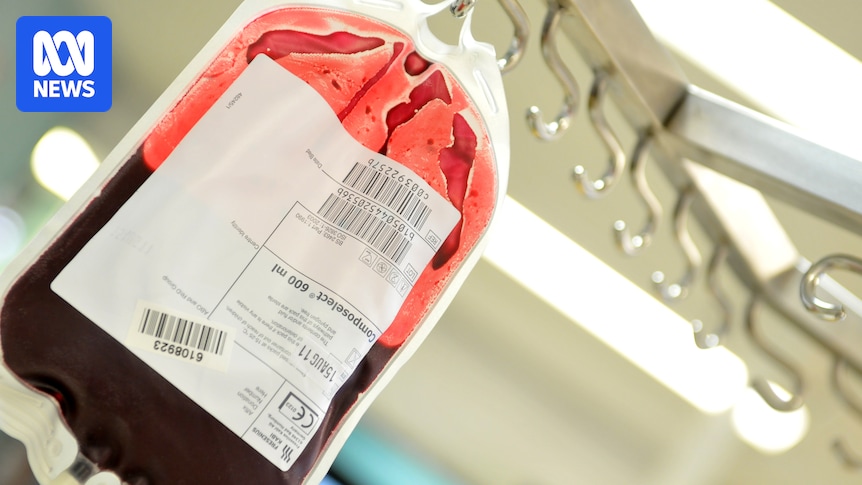
The urgent call-out for blood donations in the wake of the Bondi Beach terrorist attack has sparked a record surge in donations.
In the 24 hours following the attack, a record 7,810 donations were given across the country, according to Australian Red Cross Lifeblood data.
Of those, 1,300 were first-time donors.
But with limited donation centres in regional areas, some donors will have to wait months before they can give blood.
Across Australia, donors can only donate through Lifeblood’s permanent facilities or mobile services.
While cities have multiple permanent locations, many areas in regional NSW rely on Lifeblood’s mobile buses.
More than 350 communities across Australia are serviced by the mobile donor centres, but visits can occur between one month and a year apart.
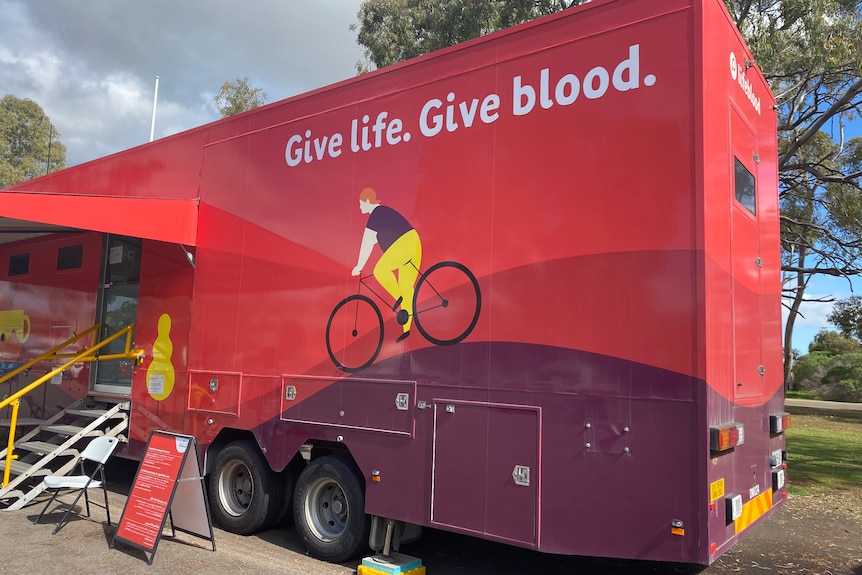
Visits by donor buses can be few and far between in regional areas. (Supplied: Australian Red Cross Lifeblood)
Waiting months to donate
Jessica Swan, who lives in Batemans Bay, wants to donate blood.
But with appointments being fully booked for the mobile bus’s next visit in January, the earliest time she could book was April.
“Whenever the truck’s in town, I try and donate,” Ms Swan said.
“The truck offers a lot of appointments, but sometimes if you have to re-book, you can’t donate again for the next three months.”
The nearest permanent centres are in Canberra, a two-hour drive from Batemans Bay, and Wollongong, which is almost three hours.
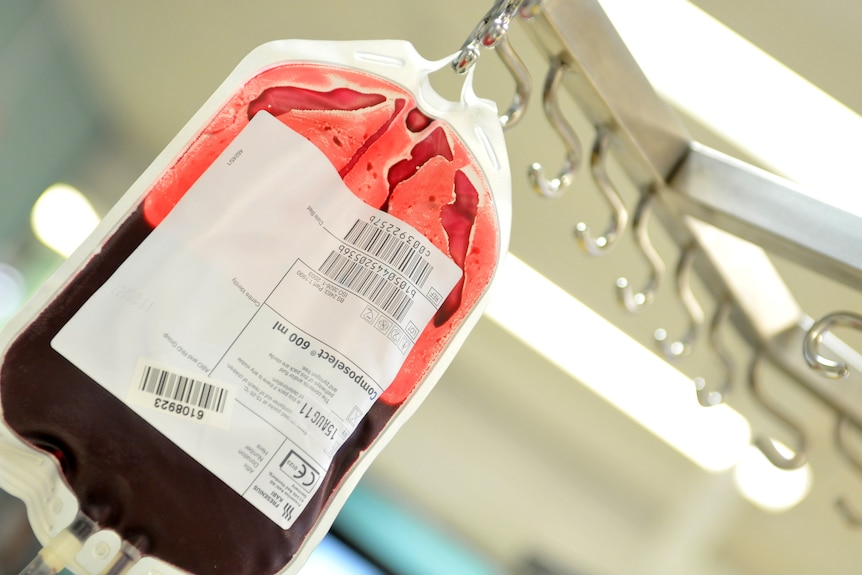
Appointments at mobile donor centres can book out quickly. (Supplied: Australian Red Cross Lifeblood)
Michael Tar, who lives in Griffith in south-west NSW, said people there also could not donate this week if they wanted to.
“We can’t do it here in Griffith because there’s no truck available. You would have to travel to Wagga or Albury,” Mr Tar said.
The closest permanent centre to Griffith is Wagga Wagga, a four-hour round trip.
But some regional residents are making the journey to contribute to the Bondi victims’ recovery.
Gabi Warton from Batemans Bay will travel to Canberra this weekend to see her family for Christmas and plans to give blood in the city.
“I did think to myself if I could go and chuck them another litre of blood, it would really help them up in Sydney,” Ms Warton said.
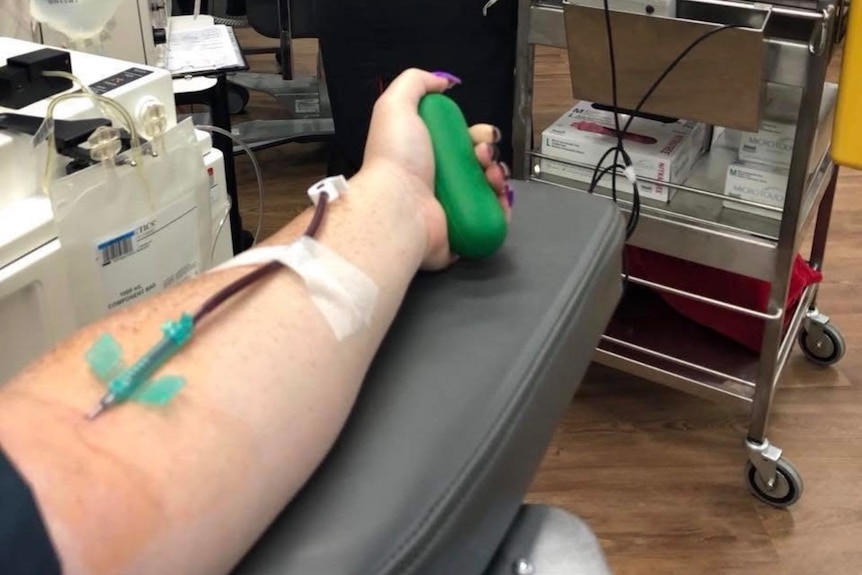
Gabi Warton gives blood regularly and says she will do so in Canberra this weekend while visiting family. (Supplied: Gabi Warton)
Record donations
At the permanent Lifeblood centre in Wagga Wagga, manager Neil Wright said the demand for people to donate after the Bondi terror attack had been the highest he had seen in 25 years.
“Yesterday [December 17], we did nearly 100 donors here in Wagga, which is about 60 per cent over the daily target,” Mr Wright said.
“It’s been really inspiring out of something so tragic to have something so positive happen.”
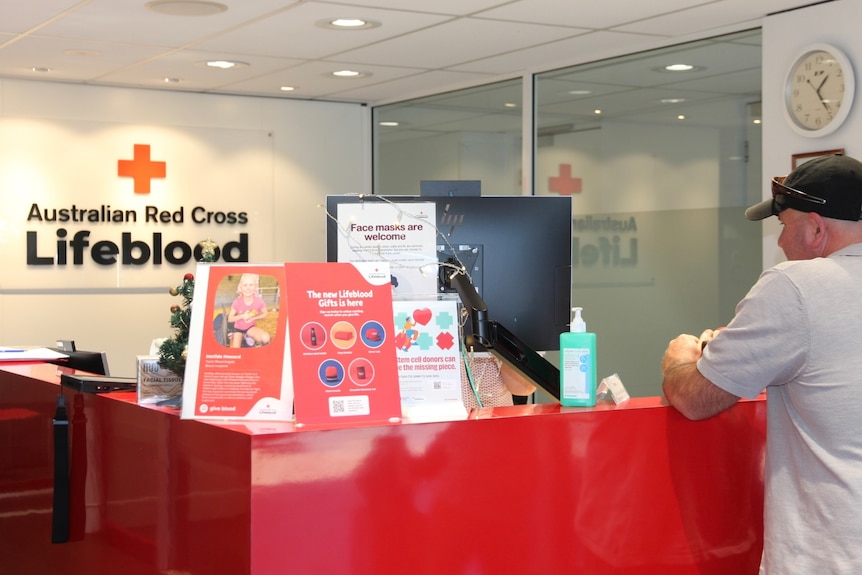
The closest permanent Lifeblood centre to Griffith is Wagga Wagga, a four-hour round trip. (ABC Riverina: Jostina Basta)
Need for more centres assessed country-wide
Lifeblood spokesperson Jemma Falkenmire said the decision to build a new centre was “looked at across a national level”, and several factors were considered.
They included government funding, existing access to a service, population size and growth, availability of staff, distance from the Sydney processing centre, and increased demands for blood and types of donations.
Lifeblood is encouraging people to keep booking appointments because it will need blood and plasma donations into the new year.
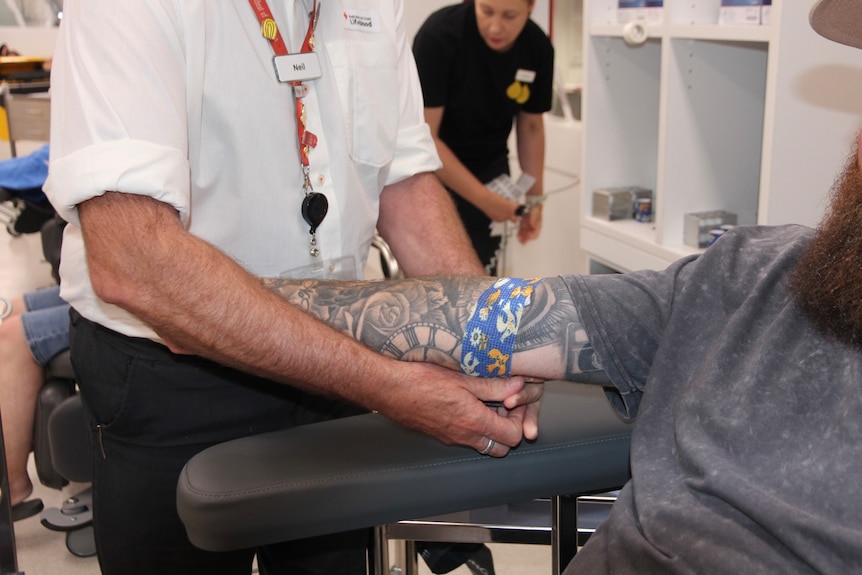
The Lifeblood centre in Wagga Wagga has seen a high demand of people wanting to donate. (ABC Riverina: Jostina Basta)