
By Charles Pekow — A recent study warns that cyclists face greater danger in low-income neighborhoods than in wealthier ones, calling on planners and policymakers to prioritize safety improvements in poorer communities.
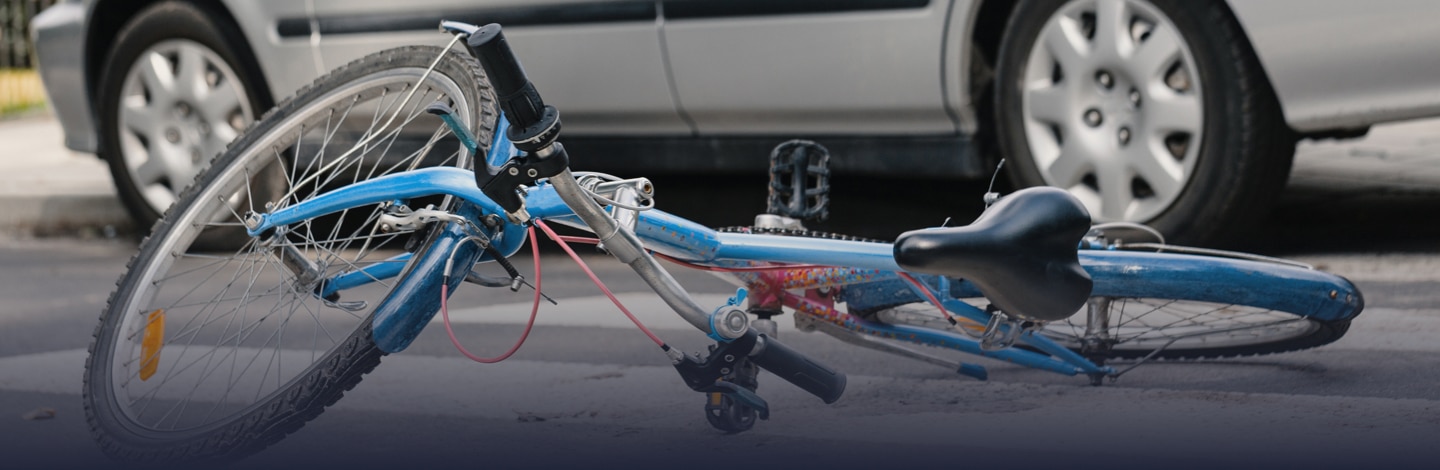 Stock photo. Pubic Domain.
The study, “Examining Bicyclist Safety Inequities across Neighborhoods of Different Income Levels in Florida,”published in the Journal of Cycling and Micromobility Research, analyzed six years of Florida data from the 2010s. Researchers found that mixed land use, a high concentration of signalized intersections, and large elderly populations correlated with higher rates of bicycle crashes—particularly crashes resulting in serious injury or death. The authors identified “inequities in transportation planning” as a key factor, noting that low-income neighborhoods typically lack sidewalks, bike lanes, and safe crossing infrastructure.
Residents of lower-income communities rely more heavily on bicycles for daily transportation and often ride on busy roads with higher traffic risks. By contrast, wealthier riders more frequently cycle for recreation on off-street paths and trails, away from motor vehicles.
The study suggests that upgrading traffic signals and improving bus stop signage in low-income neighborhoods could reduce crash risk. Researchers also found that stop signs more effectively improved bicyclist safety in higher-income areas, underscoring how the same interventions can produce different outcomes depending on neighborhood context.
(Visited 13 times, 16 visits today)