
The 2026 Formula 1 power units have not yet hit the track, but a potential technical loophole is already fuelling a heated dispute among the teams.
Just weeks before the new cars debut, concerns are mounting that at least two manufacturers are exploiting a regulatory grey area to secure a significant performance advantage.
Specifically, Mercedes and Red Bull Ford Powertrains are under scrutiny for allegedly finding a way to bypass 2026 compression ratio limits while strictly remaining within the letter of the law.
FOLLOW LIVE: Ashes third Test, day five coverage
READ MORE: Paul laughs off rigged fight claims as gruesome toll revealed
READ MORE: The GOAT has a new nickname. Here’s the story behind it
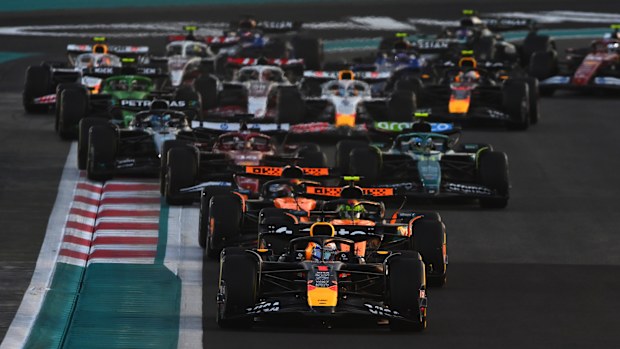
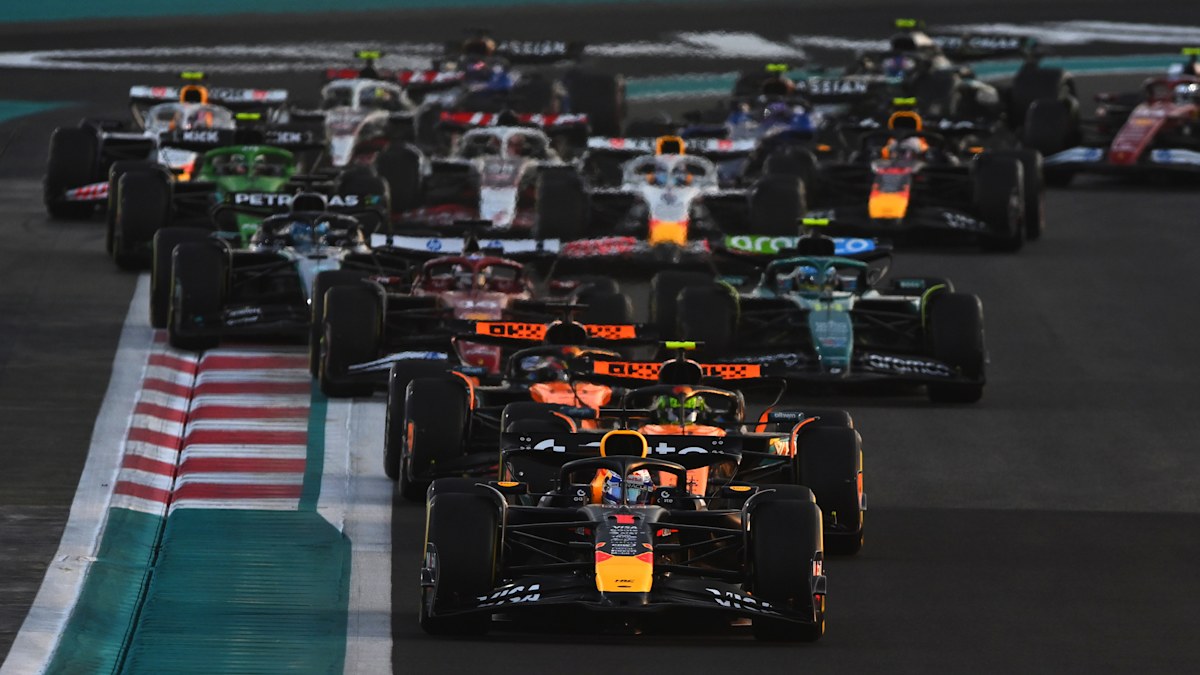
Max Verstappen leads Lando Norris and the rest of the field at the start during the 2025 Abu Dhabi Grand Prix. Rudy Carezzevoli via Getty Images
According to German outlet Motorsport Magazin, rival manufacturers have grown suspicious and are now seeking urgent clarity on how these rules will be enforced.
In F1, the compression ratio is a critical measurement of how much the air-fuel mixture is squeezed inside the engine’s cylinders before ignition.
Increasing this ratio allows the engine to extract more mechanical energy from the same amount of fuel, drastically improving efficiency.
To regulate this, Article C5.4.3 of the new regulations mandates that the maximum compression ratio drop from 18.0:1 to 16.0:1 — a move designed to restrict peak power while forcing a shift toward more efficient combustion.
However, it is being alleged that specific materials used in components like the piston or cylinder head could expand at extreme operating temperatures to subtly reshape the engine’s internal geometry.
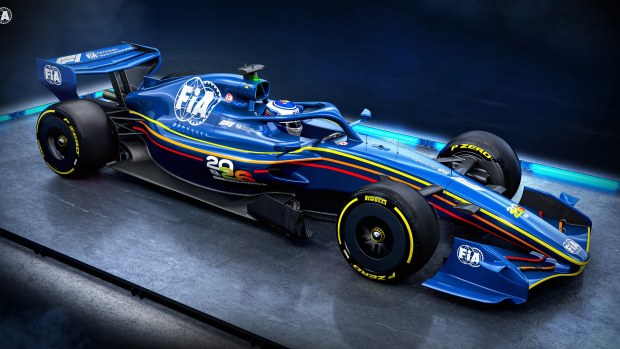
The FIA has released official renders of the next-generation 2026 Formula 1 car. FIA
This clever engineering would allow the engine to meet stationary compliance checks at ambient room temperature while unlocking a higher, more powerful compression ratio once out on track.
Reports suggest that clawing back those two points of compression could yield a massive 15-horsepower boost.
On a circuit like Melbourne, that advantage translates to roughly 0.3 seconds per lap.
With total combustion output also slashed for the new era, a 15-hp gain represents a far greater percentage of power than in years past, giving this advantage the potential to upend the 2026 grid.
While no wrongdoing has been proven, the mere theory of a loophole has sparked intense discussions and triggered formal requests for clarification from the FIA.
In response, the governing body acknowledged the matter, confirming that the issue remains under technical evaluation.
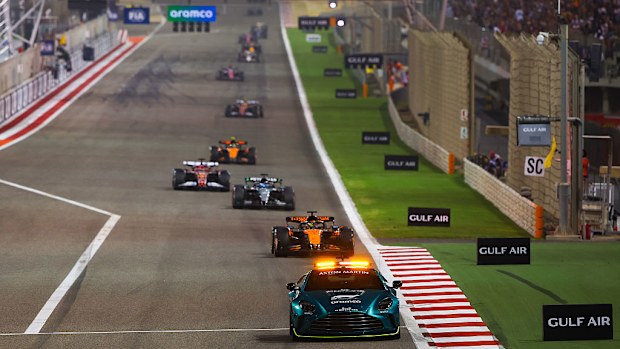
The FIA safety car leads McLaren’s Oscar Piastri during the 2025 Bahrain Grand Prix. Getty
However, officials were quick to downplay the controversy, stressing that both the 2026 rules and the measurement methods themselves are clearly defined.
“The topic has been and continues to be discussed in the technical forums with the power unit manufacturers, as the new limit naturally raises questions about interpretation and compliance,” an FIA spokesperson told The Race.
“The FIA continuously reviews such matters to ensure fairness and clarity, and if necessary, adjustments to the regulations or measurement procedures can be considered for the future.”
The governing body also conceded that while thermal expansion can warp these dimensions, the current rulebook conspicuously lacks any provision for testing engines at racing temperatures.
While no smoking gun has surfaced, the 2026 era has already descended into a technical arms race.
Long before the first green light, teams are exploiting the fine print to derail their rivals’ progress.