
Times are changing in Bali. Once upon a time, it was not possible to pay by card, hardly anywhere. It was only with cash or, if you were visiting somewhere very posh, traveler’s cheques.
Times have changed, and while cash is still king in many parts of the island, more digital payment systems are being rolled out at top tourist attractions.
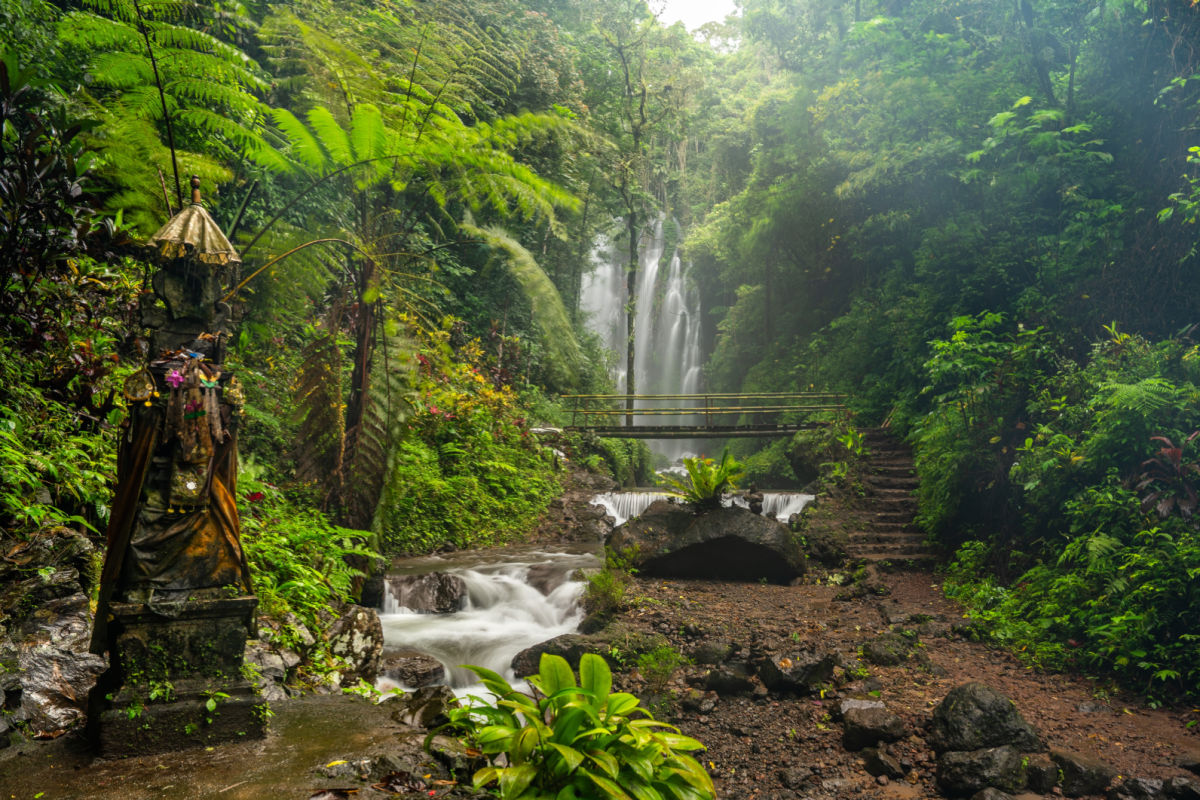
Tourists traveling in Bali must get accustomed to the fact that digital payment systems are becoming increasingly standardised.
It’s more important than ever to have an international debit or credit card, or traveler’s debit card, as well as carrying small notes while on vacation. It’s not that cash is being phased out; rather, there has been a big shift this year toward introducing more digital payment systems across top tourism destinations.
This is for a number of reasons: first, to keep up with global shifts in digital payments and banking systems; second, because it is the preferred method of payment for most tourists and visitors; and third, for transparency.
As many top tourism attractions are managed by government agencies and must pay tax revenue, there has been a focus on digitizing systems to ensure there is watertight accounting.
Speaking to reporters this week, the team at the Buleleng Tourism Office explained how they are moving to roll out more digital payment systems and e-ticketing devices across attractions in the region. The Head of the Buleleng Tourism Office, I Gede Dody Sukma Oktiva Askara, explained that the Buleleng Tourism Office only has 13 e-ticketing devices and that this number is insufficient to accommodate all the tourist attractions that have been included as tax-generating destinations.
With this in mind, in 2026, the Tourism Office plans to apply for a grant for additional e-ticketing devices from the Bali Regional Development Bank (BPD) through a corporate social responsibility (CSR) scheme.
Askara explained, “We tried to procure it ourselves, but because the system is connected to the Bali Regional Development Bank (BPD) and doesn’t meet the TKDN (National Level of Utilization), we couldn’t. Therefore, we submitted a grant application for 2026.” Buleleng Regency needs a total of 40 such devices to roll out at the 25 official tourism attractions in the region.
Askara and his team hope that the grant will be fulfilled and the devices can be implemented as quickly as possible. Buleleng Regency is set to see a surge in tourist arrivals in 2026. In fact, 90% of Buleleng’s top hotels have confirmed that they will be operating at full occupancy this festive season.
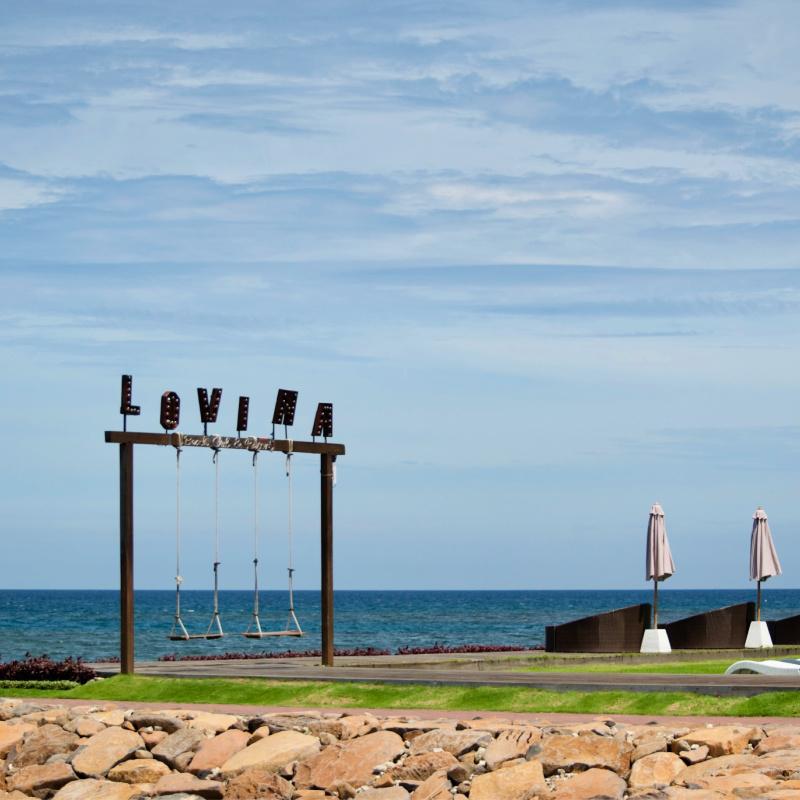
Speaking to reporters earlier this week, Aksara explained, “After Christmas and New Year’s, some popular hotels are already over 90 percent booked. Some have even closed because their rooms are full.”
He added, “There’s still a huge opportunity during the Christmas and New Year holidays. Visits typically increase significantly from the end of the year to the beginning of the new year.”
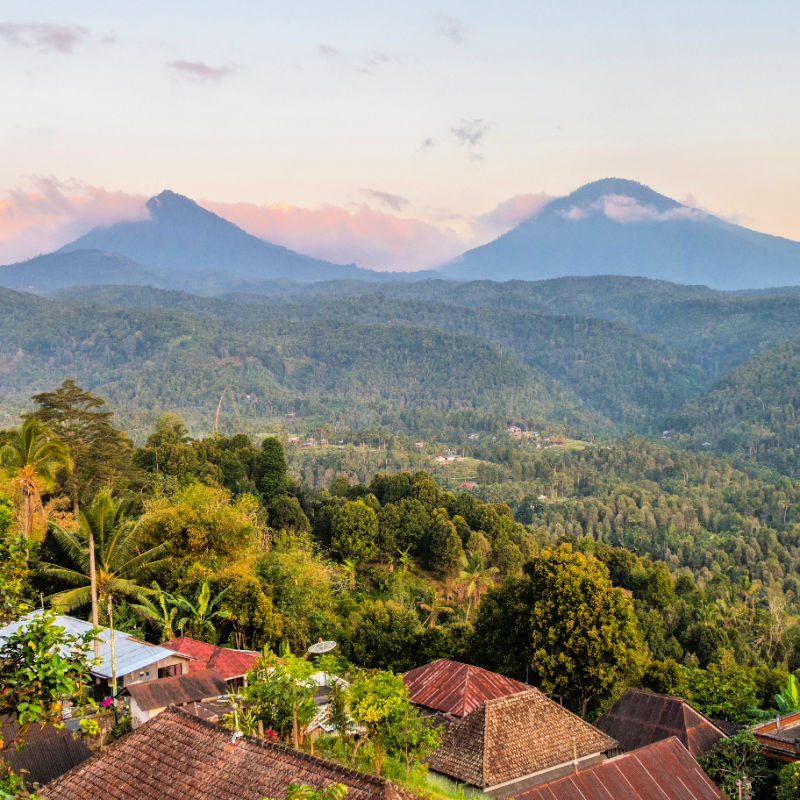
With so much to see and do in Buleleng Regency, it’s hard to understand why it’s taken so long for the region to appear on the itineraries of holidaymakers.
Buleleng Regency spans much of the north and north west of Bali and is one of the lesser-known areas of the island to international tourists who tend to congregate around the central south of the island in Badung Regency.

Buleleng Regency is home to unmissable natural landscapes and cultural experiences. Pemuteran Village, best known for its community and conservation tourism programs, was recently named the UN World Tourism Organisation Best Tourism Village in the World. Buleleng Regency is also home to Munduk, where tourists can find unspoilt waterfalls and dense tropical jungle.
Of course, no mention of Buleleng Regency would be complete without highlighting the region as being the gateway to West Bali National Park, home to wild deer, monitor lizards, incredible marine life, and the critically endangered Bali Starling.
Discover more from The Bali Sun
Subscribe to get the latest posts sent to your email.