
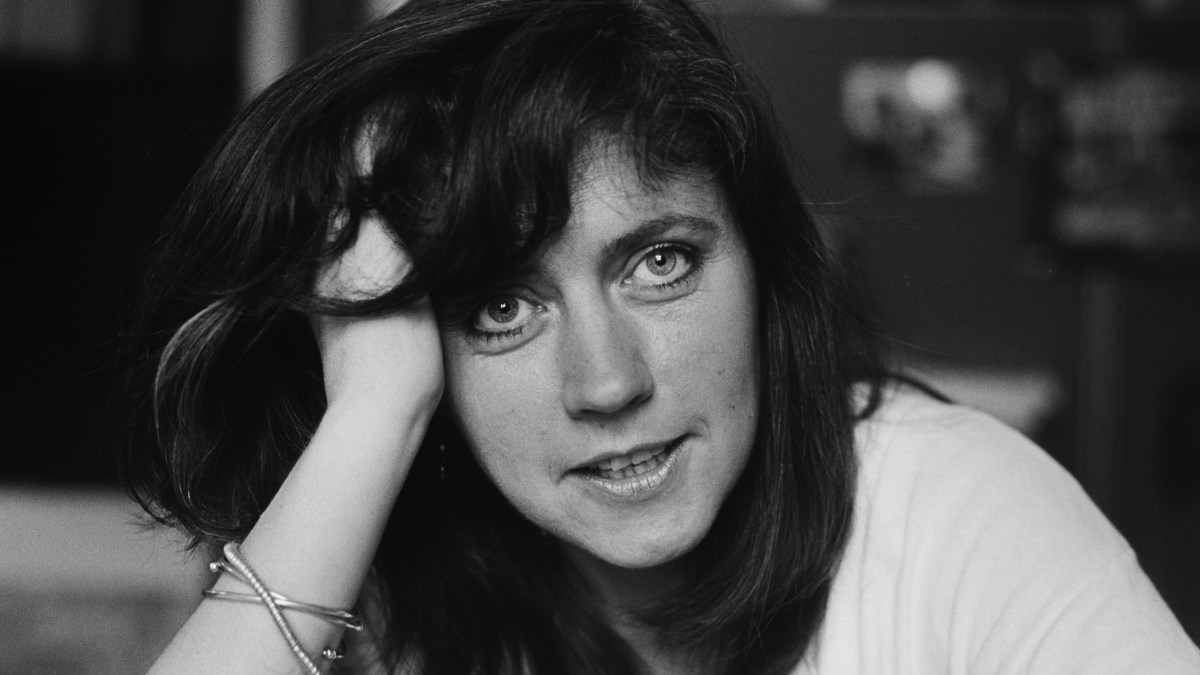
The search for Harry Potter almost defeated Susie Figgis. During pre-production for the first film in the franchise, the casting director and her team considered about 40,000 young actors for the roles of Harry, Ron and Hermione. In addition to video auditions sent in by young hopefuls, Figgis received “post bags full of letters”, and spent most of her free time visiting schools across the country. “At the height of her work you could barely go out for a meal with her,” her husband joked. “She would just stare at people in the restaurant.”
Figgis, who had a knack for discovering unknowns, gradually settled on a handful of favourites. As far as the title role was concerned, she was in no doubt: “With Daniel [Radcliffe] I just looked at him and thought, ‘God, he’d be good’.” The film’s director, Chris Columbus, was less sure; rumour was that he was angling to give the role to an American. “That just wasn’t my cup of tea,” Figgis said.
The dispute went so far that Figgis, “close to despair”, eventually quit the production. Thankfully the seeds had already been sown among the producers, and it was her favourites, Radcliffe, Emma Watson and Rupert Grint, who finally received the call-up from Columbus.
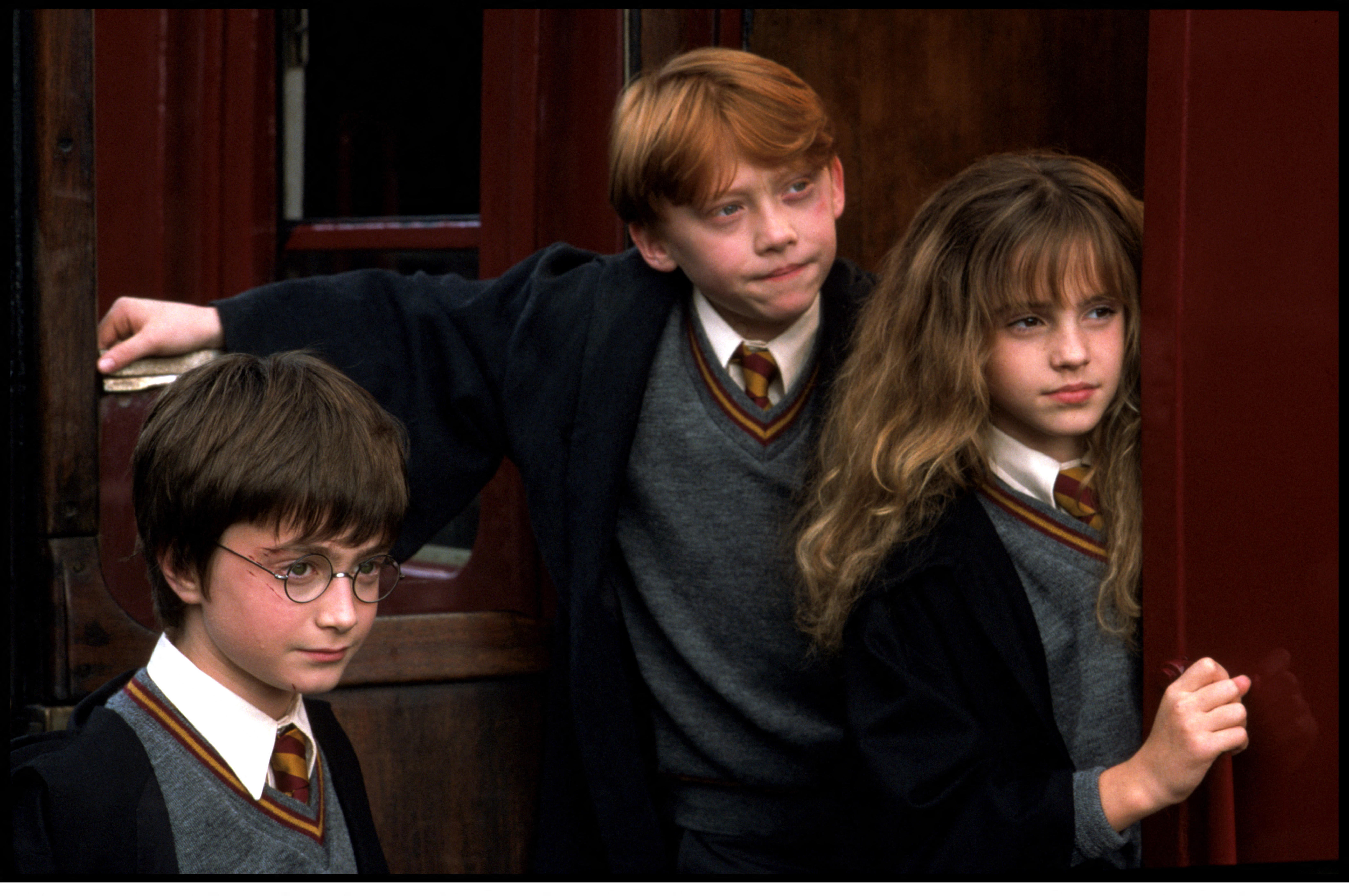
Daniel Radcliffe, Rupert Grint and Emma Watson as Harry, Ron and Hermione in Harry Potter and the Philosopher’s Stone
ALAMY
Figgis watched with satisfaction as the young Harry Potter actors went from success to success. “I believed then, and I still believe now, that if you get the right people you get an amazing film,” she said. Over a long career as one of the industry’s most respected casting directors, working on productions ranging from Gandhi to The Full Monty and Bohemian Rhapsody, she was able to demonstrate the truth of that belief.
Susan Figgis was born in Nairobi, Kenya, in 1948 to Brian, a QC, and Shirley (née King) Figgis, who restored antiques and kept house. The family moved to the UK when Figgis was ten, and she was sent to Wispers School in West Sussex soon after.
Her boarding school experience was miserable but formative. “You either go under or you survive,” she said. “I was a survivor.” One of many punishments she suffered was being locked in the school library for hours after dark by her headmistress, known as Ma B: “I overcame my terror because otherwise Ma B would have won. Now I can walk in the dark and feel no fear.” She was expelled more than once, but developed a gutsy attitude to authority that would later serve her well.
After leaving school she spent a few years acting in the People Show, an avant-garde improvisational theatre group, before taking an entry-level job at a casting agency, and then starting her own. Working from a Soho loft, she did the casting for several minor productions, including an unsuccessful 1980 St Trinian’s reboot, before receiving an unexpected call from Richard Attenborough. He asked if she would be interested in casting his next film, Gandhi. “I thought it was a joke at first,” she said. Figgis bought herself a new pair of jeans (hers had too many holes) and went to meet the veteran director. She would never know for certain why he decided to hire a relative newcomer for such a landmark production: “I just got lucky.”
Attenborough had planned on casting a white actor in the film’s title role, but Figgis objected, and after a protracted search she found Ben Kingsley. According to Kingsley, Attenborough “collapsed” into his chair after seeing him in his make-up and costume. “It was the collapse of a man who had reached the end of a very long journey,” he said. Kingsley went on to win best actor at the 1983 Oscars for his performance.
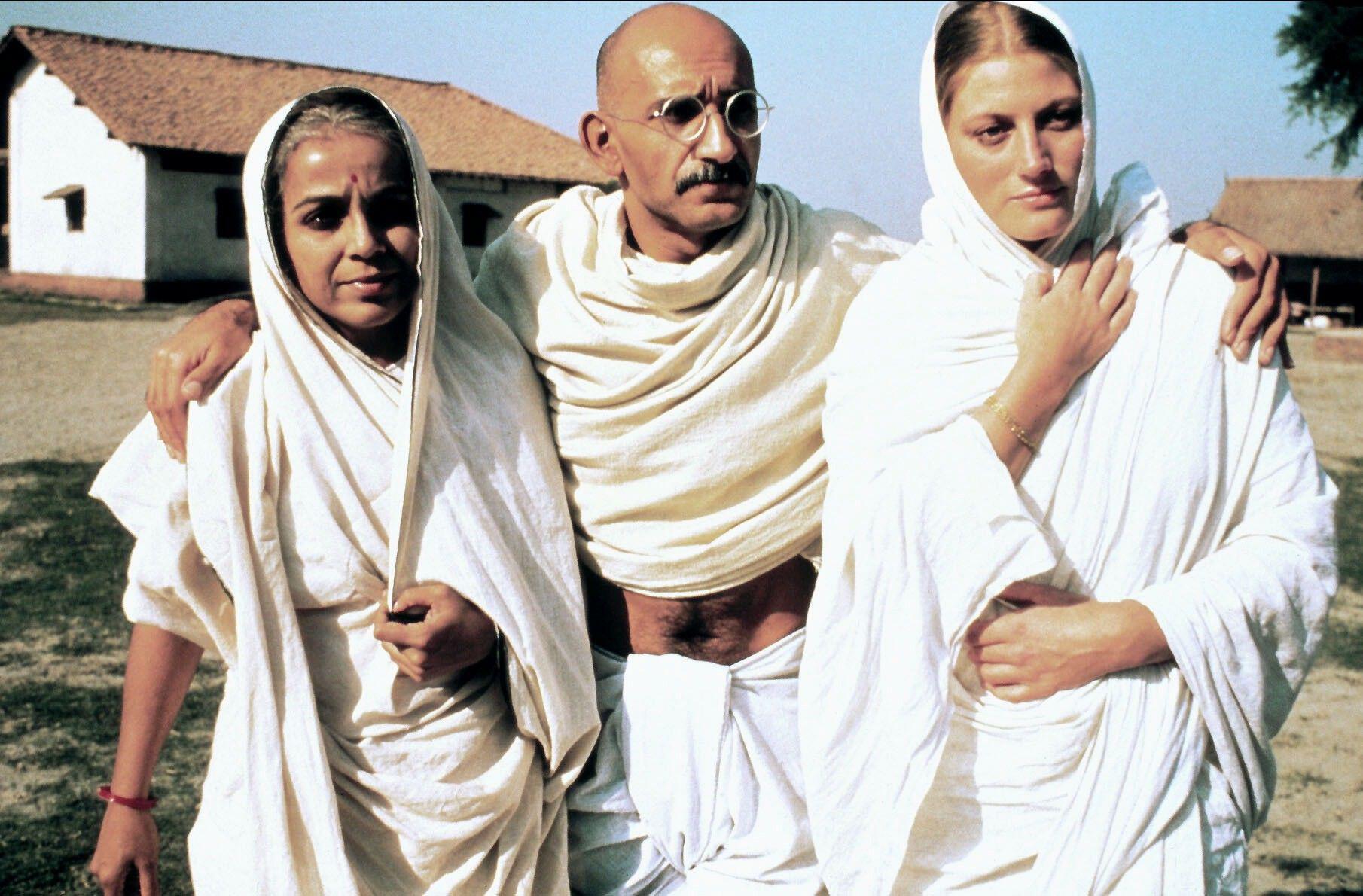
Ben Kingsley as Gandhi
WARNER BROS/ALAMY
Figgis’s life took another turn in 1986 when she travelled to Zimbabwe to cast her second Attenborough film, Cry Freedom. There she became familiar with members of the ANC, and on returning to London she was recruited by Eleanor Kasrils, a prominent, exiled anti-apartheid campaigner.
Figgis became one of the ANC’s trusted overseas contacts. “She was not some dilettante living out fantasies sprung from a career in the movies,” insisted Eleanor’s husband Ronnie Kasrils, another leading ANC figure. Figgis, he said, “responded to a deadly serious motivation to assist in a just cause in which she deeply believed”. She worked with the organisation for four years, relaying communications, organising disguises and couriers, and even putting up ANC comrades in her home. Kasrils reckoned that Figgis’s experience as a casting director had given her a “canny eye” and made her a reliable judge of character.
One weekend Figgis returned early from a trip abroad after a fight with her boyfriend to find Bill Anderson in her home. Anderson, who worked in intelligence for the military wing of the ANC, was in London to meet a contact, and had been offered Figgis’s home as a safe house on the assumption that she’d be away. His cover blown, Anderson took Figgis out for dinner. A few years later, in 1990, they were married; the two lived together for the rest of Figgis’s life in north London. She is survived by Anderson and their daughter, Anu, as well as her stepdaughter, Ntsiki Mackay-Anderson.
Figgis worked on several award-winning productions during her career, and cast some fiendishly difficult roles, including Bohemian Rhapsody’s Freddie Mercury. Her final selection for that role, Rami Malek, won best actor at the 2018 Oscars for his performance.
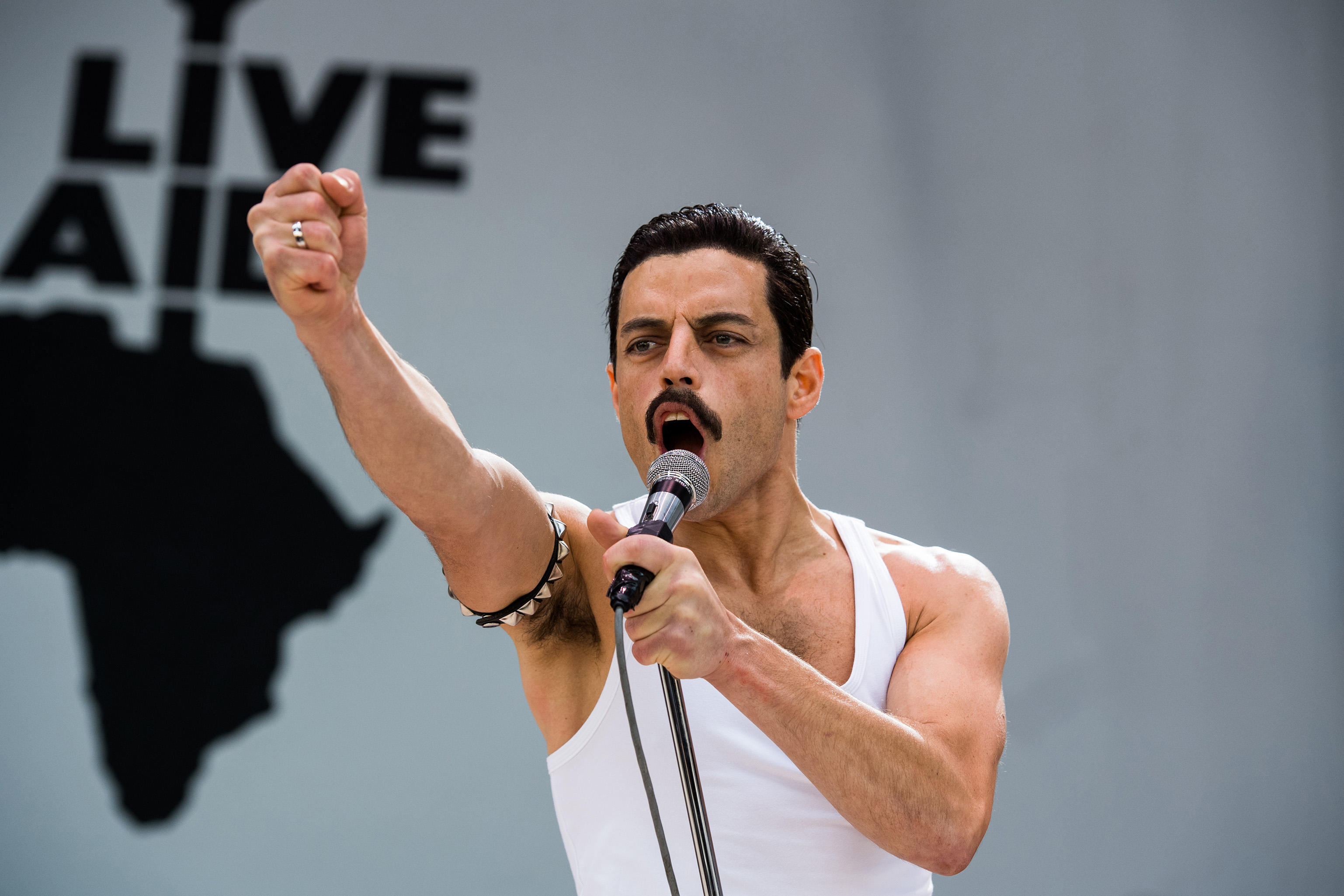
Rami Malek as Freddie Mercury
TWENTIETH CENTURY FOX/ENTERTAINMENT PICTURES/ALAMY
After Harry Potter she began working with another favourite collaborator, Tim Burton. She appreciated that Burton’s characters were less Hollywood than those in other films: “If you sit on the Underground and look around you, those are the people you see in Tim Burton films.” She worked with the director on Charlie and the Chocolate Factory, Sweeney Todd and Alice in Wonderland, the last of which starred Mia Wasikowska, another of Figgis’s discoveries.
One key to her great talent for discovery, she claimed, was patience. “I spend at least an hour auditioning an actor, looking for some extra-special quality,” she said. Figgis had little time for directors who believed they could spot a star in a “15-second cattle call”. She believed in making auditionees feel safe and respected, and then giving them the time to open up. In Rupert Grint’s case, she even invited him to come to her home with his family. “This is not only common decency,” she wrote, “it is the only way to discover if young people have talent.”
Susie Figgis, casting director, was born on March 24, 1948. She died of undisclosed causes on December 12, 2025, aged 77