
There was a time, not all that long ago, when the baseball offseason was mostly finished by mid-December. In recent years, significant signings have waited until January or even February.
But the week between Christmas and New Year’s tends to be an unofficial pause. Transactions won’t end, but they tend to slow down, and there’s a lot of impact talent still readily available. Four of our Big Board’s top five free agents — and seven of the top 10 — are still available. Huge trade chips remain on the table, including some big-name starting pitchers.
So, as we prepare for the hot stove to cool down, let’s take stock of where things stand. Which teams have been active, which are lying dormant and which seem to be stuck in between, neither making significant additions nor committing to a true rebuild.
We’ll group the 30 teams into these seven tiers — aggressively adding; shaking it up; threading the needle; running it back; rebuilding; and half-measures — with the league roughly halfway to spring training.
Tier 1: Aggressively adding
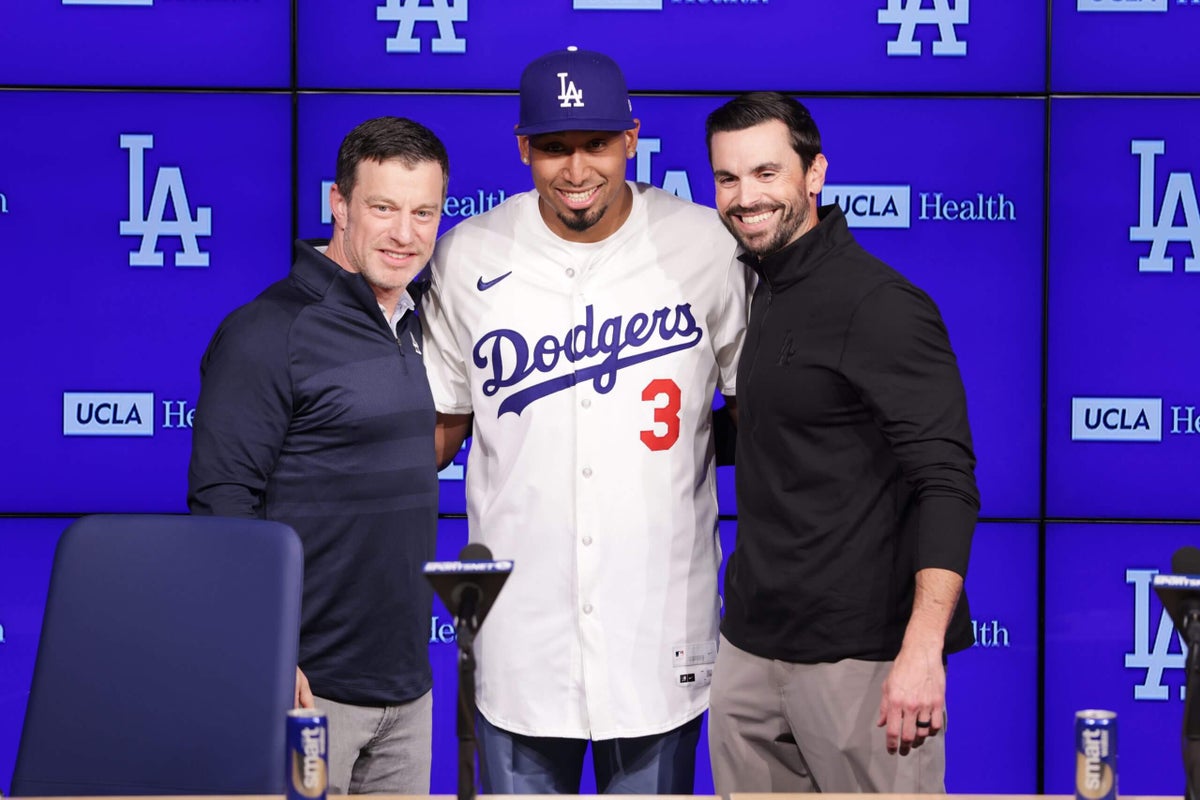
Los Angeles Dodgers — They haven’t done a lot this winter, but they also didn’t lose a lot to free agency (and much of what they did lose could be addition by subtraction). Despite having their championship roster largely intact, they’ve signed Edwin Díaz to the largest relief pitcher salary in history, continuing their recent history of aggressive — and expensive — offseasons.
Toronto Blue Jays — Trying to build upon their return to the World Series, the Blue Jays made an early splash with Dylan Cease, doubled down on their rotation with a $30-million wager on Cody Ponce, and added a sneaky elite reliever in Tyler Rogers. They could still use a bat, but the Blue Jays have been actively building on last year’s breakthrough season.
Baltimore Orioles — After trading for Taylor Ward, then signing Pete Alonso and Ryan Helsley, the Orioles finally addressed holes in their rotation by acquiring starter Shane Baz from the Rays. Their offseason was aggressive even before last week’s in-division trade. It’s still worth wondering whether they have enough starting pitching, but the Orioles are certainly active.
Philadelphia Phillies — The Phillies could fit in the running-it-back tier, but they’ve done more than re-sign Kyle Schwarber and remain in contact with J.T. Realmuto. Brad Keller and Adolis García are meaningful additions at positions of need, and trading Matt Strahm to the Royals could open payroll to add more. Now, what to do with Nick Castellanos?
Tier 2: Shaking it up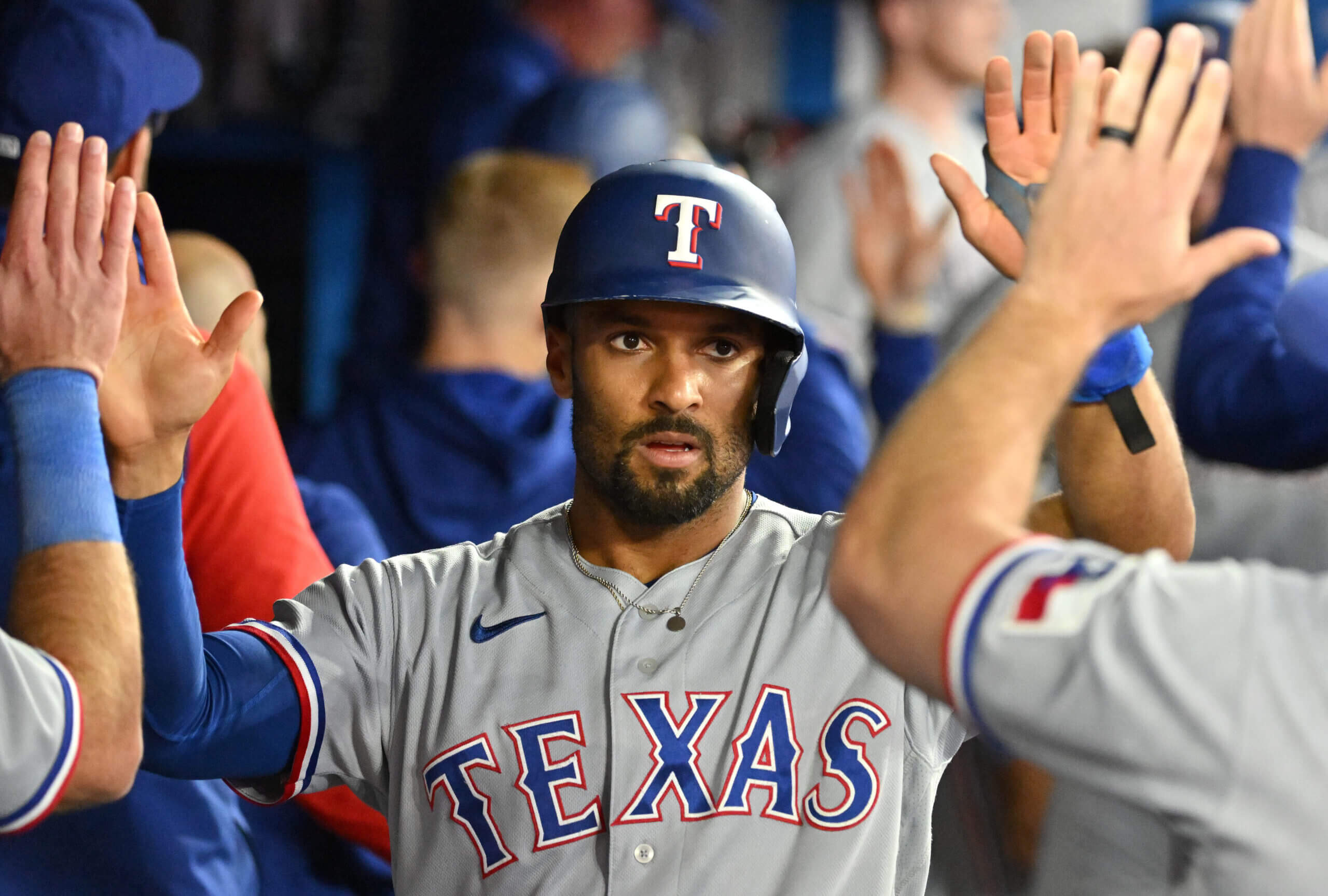
Marcus Semien has changed teams, moving from one club shaking it up to another. (Dan Hamilton / USA TODAY)
New York Mets — The Mets remain a work in progress in part because they went all-in on this shake-it-up approach. They swapped bad contracts to stabilize second base (Brandon Nimmo for Marcus Semien) and then traded Jeff McNeil; lost Pete Alonso then quickly signed Jorge Polanco; lost Edwin Díaz but signed Devin Williams and Luke Weaver. They’re probably not finished, but already, their team looks a lot different than it has in recent years.
Boston Red Sox — We’re still waiting for the big free-agent addition — and they could still re-sign Alex Bregman — but the Red Sox have completed 10 trades this winter. Most have been relatively small (opening 40-man spots, basically) but early additions of Sonny Gray and Johan Oviedo began to reshape their rotation, and Sunday’s deal for Willson Contreras added some much-needed right-handed power. There remains the possibility of trading an outfielder for another pitcher or infielder.
Atlanta Braves — The Braves best rank somewhere between “running it back” and “shaking it up,” but we’ll put them closer to this end of the spectrum. Ha-Seong Kim was technically a re-signing, but only because they acquired him late last season specifically looking to bring him back for 2026. Raisel Iglesias is back, and now he’s paired with Robert Suarez in the late innings. Mike Yastrzemski brings left/right balance, and Mauricio Dubón is an offensive upgrade as a utility man. A lot of the key players are going to be the same, but the Braves are shaking things up enough to improve their depth and their chances.
Texas Rangers — Hard to say the Rangers are definitely better, but they’re certainly different. They let Jonah Heim and Adolis García go, then swapped second baseman Marcus Semien for left fielder Brandon Nimmo. A new leadoff hitter (Nimmo), catcher (Danny Jansen) and a few middle-inning relievers (Alexis Díaz, Tyler Alexander, Chris Martin) don’t make for a massively exciting offseason, but the Rangers clearly are creating a different look after missing the playoffs two years in a row.
Pittsburgh Pirates — Have they built a contender? Maybe not. But the Pirates are making moves to swap pitching depth for much-needed offense. Most notably, they’ve traded starter Mike Burrows for slugging second baseman Brandon Lowe and another starter, Johan Oviedo, for young outfielder Jhostynxon Garcia. They’ve also shown at least surface-level interest in some notable free agents. Could they more meaningfully add before spring training?
Tier 3: Potentially threading the needle
Milwaukee Brewers — The Brewers had the best record in baseball last season, and so far, their biggest offseason signing is extending a qualifying offer to Brandon Woodruff, who accepted it. Their biggest addition came from a need-for-need trade of Isaac Collins for Angel Zerpa. The big question remains: Are the Brewers going to trade No. 1 starter Freddy Peralta, and if they do, can they get back big-league-ready talent that can make a difference in 2026?
Houston Astros — After previously swapping one utility man for another and signing a couple of low-cost depth starters, the Astros made a more meaningful addition last week when they gave up prospects to get young starter Mike Burrows from the Pirates. With Yordan Alvarez at DH and Carlos Correa at third base, though, the Astros seem likely to trade either Isaac Paredes or Christian Walker as they work within payroll restrictions to try to stay postseason relevant.
Kansas City Royals — The Royals have addressed their outfield by non-tendering MJ Melendez, trading for Isaac Collins and signing Lane Thomas, but those moves aren’t going to radically improve their offense. They’ve built a strong bullpen with the addition of Matt Strahm, but that wasn’t exactly a blockbuster move. To make a bigger splash, the Royals could end up trading one of their starting pitchers (Cole Ragans, Kris Bubic, Noah Cameron) to significantly upgrade their lineup.
Arizona Diamondbacks — Hard to tell how far the Diamondbacks are willing to go. They brought back Merrill Kelly and added Michael Soroka — basically rebuilding their rotation without Zac Gallen — but the big question is, are they going to trade second baseman Ketel Marte? And if they do, could they replace Marte with Alex Bregman? And is it possible they keep Marte and still add Bregman? There seems to be potential to thread the needle, shake things up or add aggressively.
San Diego Padres — Until last week, the Padres were a Tier 5 team lying in wait, but in the past few days they’ve re-signed Michael King and taken a shot on Korean infielder Sung-Mun Song. So, now what? The Padres are not a team to settle for a predictable offseason. They have the trade chips to potentially get creative — Ramón Laureano, Jake Cronenworth, Jeremiah Estrada, Nick Pivetta — and A.J. Preller clearly likes thinking outside of the box.
Tier 4: Running it back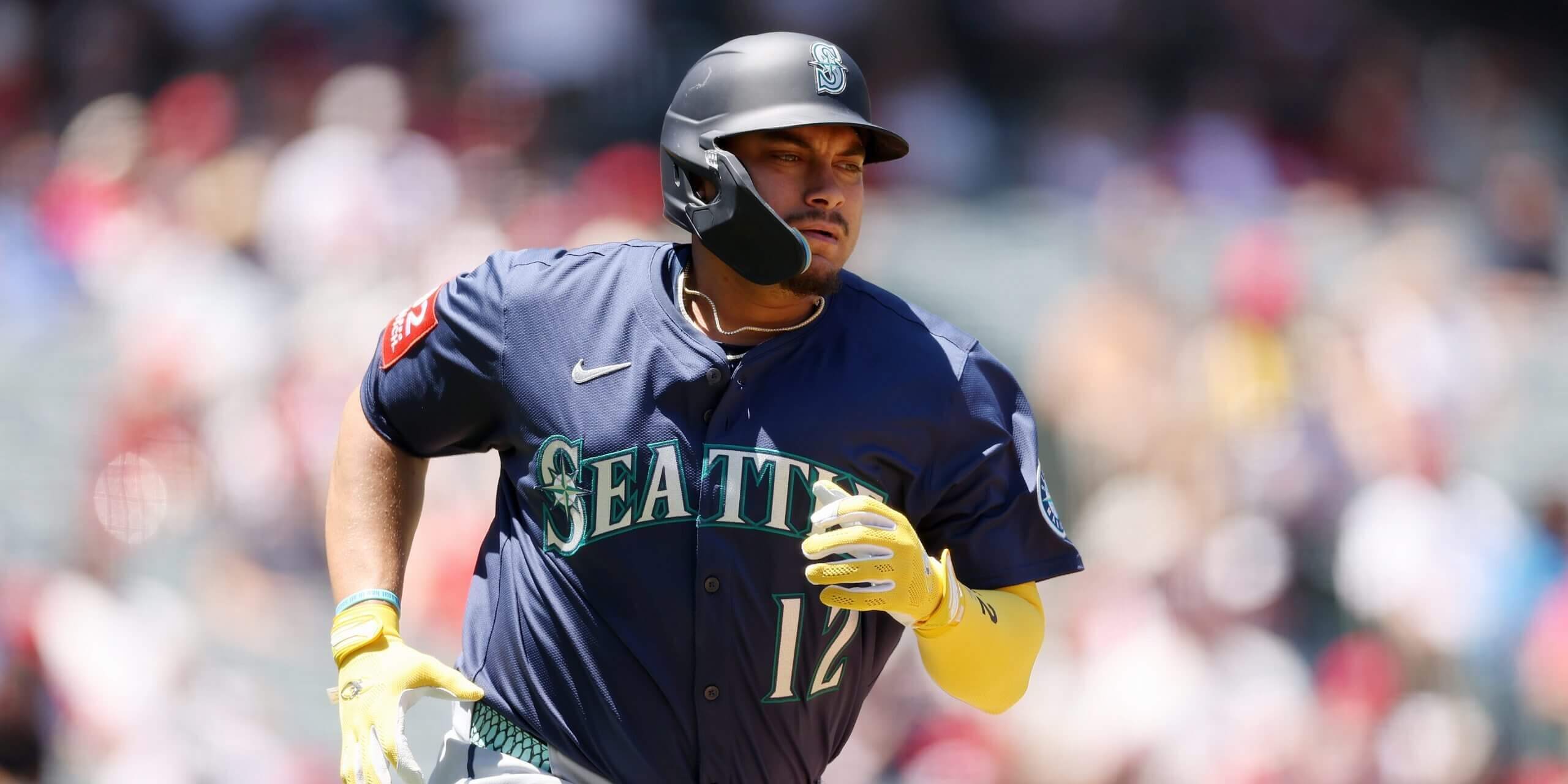
Josh Naylor fit well in Seattle, and so both sides opted to extend that relationship. (Luke Hales / Getty Images)
Seattle Mariners — The Mariners shook things up at last year’s trade deadline, and their biggest splash of the winter has been re-signing one of those summer additions, Josh Naylor, to remain at first base. The Mariners also made a significant trade for bullpen lefty Jose A. Ferrer and signed a new utility man (Rob Refsnyder) and a new backup catcher, but generally speaking, the Mariners roster still looks awfully familiar. There’s still time to change that.
Detroit Tigers — Sure, they signed Kenley Jansen and Drew Anderson, but they also re-signed Gleyber Torres and Kyle Finnegan. All told, it’s a meaningful tweak in the ninth inning for a roster that otherwise looks basically the same as last year. You know what could really move the Tigers into a different tier? Trading Tarik Skubal. Whether that will actually happen remains to be seen.
Cleveland Guardians — Look, they did just make the playoffs for the seventh time in 10 years, so maybe this is working? But the Guardians seem to be in a bit of a holding pattern — unless you count roster turnover due to a gambling scandal — and despite a clear need for offense, they have apparently focused on adding relief pitchers, but Shawn Armstrong is so far the most notable one. But they certainly wasted no time re-signing backup catcher Austin Hedges.
Cincinnati Reds — There’s some chance that the Reds move out of this tier with a meaningful splash, but their pursuit of Kyle Schwarber was a unique set of circumstances because Schwarber lives near Cincinnati. Without him, the Reds seem more likely to add a lesser source of offensive pop. Their biggest signing so far is a reunion with closer Emilio Pagán, and the broad strokes of their roster remain basically unchanged.
Tier 5: Lying in wait
New York Yankees — Trent Grisham accepted a qualifying offer, Amed Rosario, Ryan Yarborough and Paul Blackburn returned on one-year deals … and that’s it? The Yankees are notoriously aggressive and have made a splash each of the past three offseasons (Carlos Rodón, Juan Soto, Max Fried). Now, they’ve lost Cody Bellinger to free agency and there are question marks all over their pitching staff. They have to do something big at some point, right?
Chicago Cubs — So far, the Cubs are in the run-it-back group with re-signings of Shoto Imanaga and Caleb Thielbar, but unless they also re-sign Kyle Tucker, the Cubs are almost certainly going to make some sort of meaningful change (Tyler Austin is interesting, but he’s not filling Tucker’s shoes). Maybe they go forward with a youth movement, but we’re waiting for them to strike a deal for a meaningful upgrade.
San Francisco Giants — A Rule 5 catcher and a back-end starter might be useful, but they’re not going to push the Giants back into October. Maybe they could trade for Brendan Donovan or sign one of several remaining free agent starters? Six months ago, this team traded for Rafael Devers. Surely, the Giants are going to do something of note before spring training starts.
Tier 6: Rebuilding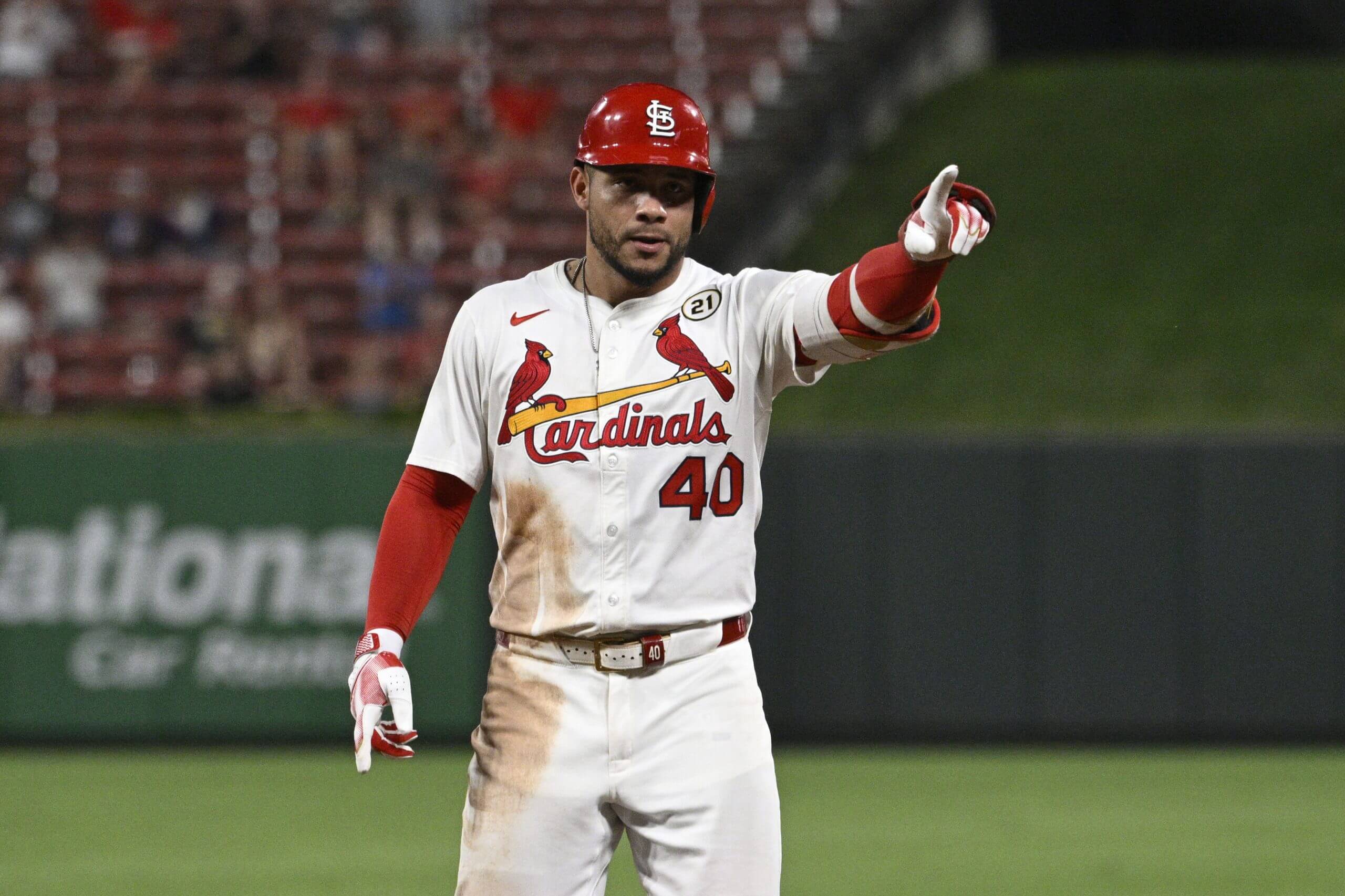
Willson Contreras was a strong performer in St. Louis, but with the Cardinals fully rebuilding, he was sent elsewhere. (Joe Puetz / Imagn Images)
St. Louis Cardinals — Last winter, the Cardinals hinted at rebuilding. This winter, they seem to be really doing it. They’ve already dealt Sonny Gray and Willson Contreras, and trades of Brendan Donovan, Nolan Arenado and Lars Nootbaar — maybe others — seem at least possible. Dustin May was an obvious risk-reward signing that fits a team in this mode.
Tampa Bay Rays — Are they rebuilding, or are they just the Rays? Sometimes it’s hard to tell the difference. After making some short-term additions with veterans Cedric Mullins and Steven Matz, the Rays last week traded second base mainstay Brandon Lowe and arbitration-eligible starter Shane Baz for mostly young prospects who probably won’t help in the short term. That sort of thing would signal a clear rebuild in most markets, but the Rays do this sort of thing a lot.
Washington Nationals — In the midst of rebuilding their front office and coaching staff, the Nationals have also traded a reliever for a catcher who was a somewhat recent first-round pick, and they’re at least contemplating blockbuster deals involving top starter MacKenzie Gore and shortstop CJ Abrams. Maybe they’ll stop short of a total rebuild, but this is clearly the Nationals’ direction.
Miami Marlins — Technically, they have yet to actually do any rebuilding this offseason, but there’s enough smoke — about a potential Sandy Alcantara trade, or an Edward Cabrera trade — to assume the Marlins are going to continue in that direction after making a couple of rebuilding trades last summer. Buying low on Christopher Morel was a rebuilding-type addition in the same vein as the Cardinals’ signing of May.
Chicago White Sox — Hard to really rebuild when the roster has so few desirable players, but this clearly is still where the White Sox fit even after their surprising addition of Japanese slugger Munetaka Murakami, who could be a tremendous trade chip if he succeeds. Is this the winter when they finally trade Luis Robert Jr.?
Tier 7: Half-measures
Minnesota Twins — The Twins were in full rebuild mode last summer, but rather than continue on that path, they’ve signaled a desire to at least marginally add this offseason. So, rather than aggressively dangle Joe Ryan, Pablo López and Byron Buxton in trade talks, the Twins have signed Josh Bell to provide some thump at first base. A partial sale of the team could help them financially, so maybe that’s a factor?
Los Angeles Angels — The Angels traded Taylor Ward for Grayson Rodriguez, acquired faded infield prospect Vaughn Grissom, and took a one-year gamble on Alek Manoah, and signed veteran relievers Drew Pomeranz and Jordan Romano. Does that add up to anything? The Angels have lost at least 89 games four years in a row, and they’ve probably been a bit distracted this winter. It’s tough when the team’s supposed-to-be-second-best player doesn’t play at all.
Athletics — As usual, it’s hard to tell what the Athletics are trying to do. They acquired second baseman/outfielder Jeff McNeil from the Mets, moved on from J.J. Bleday in their outfield and signed Mark Leiter Jr. as a bounce-back candidate in their bullpen, but what else? They apparently have some willingness to spend ($10 million will go to McNeil next season). Maybe they could sign a starter? Maybe they could trade a position player? Who knows? The Athletics might feel perpetually stuck in-between until they get to Las Vegas.
Colorado Rockies — The Rockies could go into full sale mode — like the Cardinals, or like the Twins last summer — but they seem inclined to keep center fielder Brenton Doyle, who should be one of their best trade chips. The Rockies do have a new front office, so maybe they’re going to become more definitive, but they’ve been stuck for a while in this directionless tier.