
Artificial intelligence is widely recognized as the core technology in an emerging industrial revolution that will probably transform every facet of the global economy. U.N. Trade and Development (UNCTAD) estimates — conservatively — that the global AI market will reach $5 trillion by 2033, thanks to average annual growth of about 31%.
The International Monetary Fund predicts that the technology could boost global gross domestic product by 4% over the next decade, with the United States gaining as much as 5.4%. AI’s impact on science, innovation, the military, and geopolitics is already significant, reinforcing the sense that the race for AI dominance is also a race for global dominance.
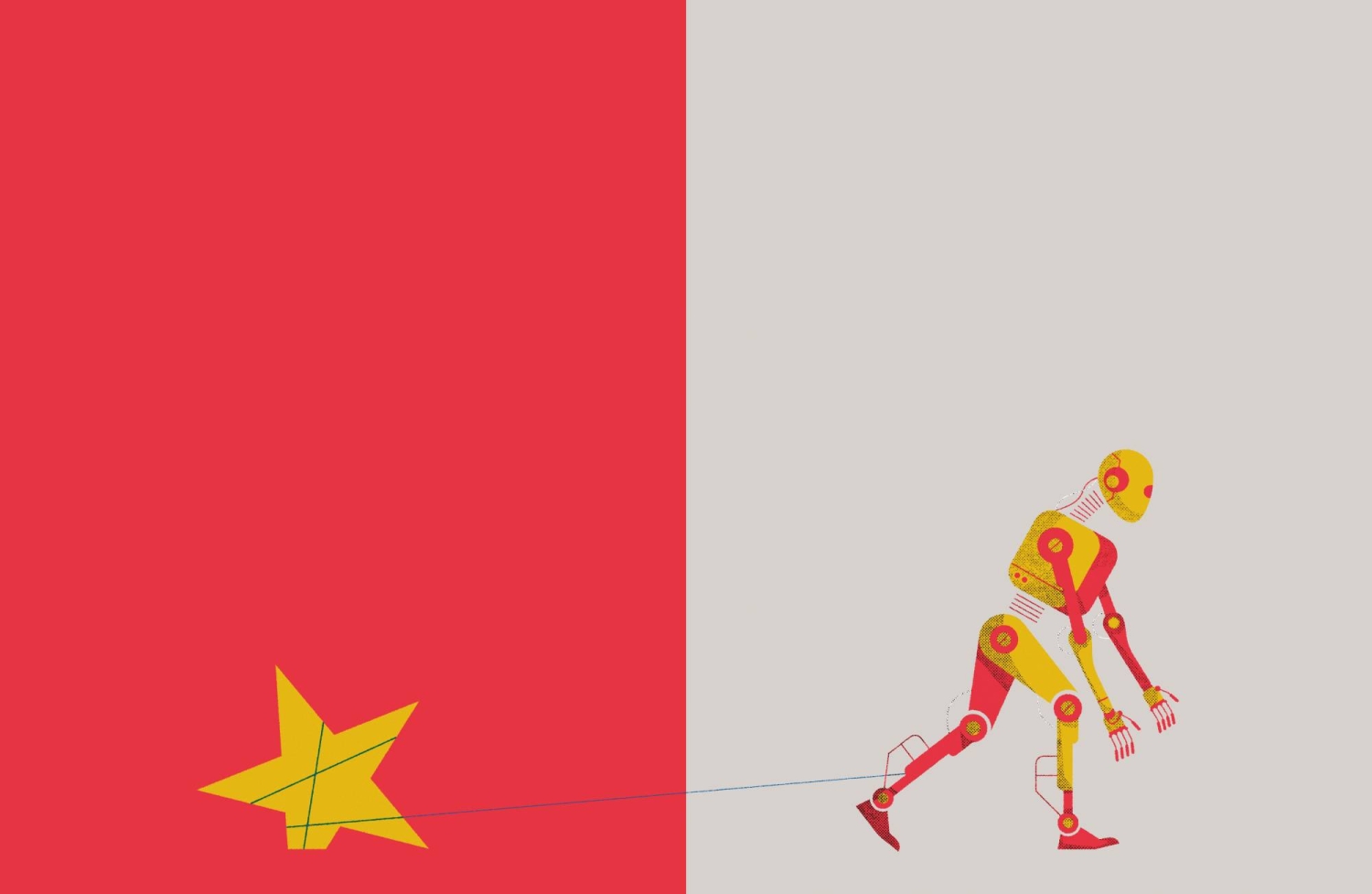
In this context, the Chinese startup DeepSeek’s release of a highly competitive chatbot caused a sensation in early 2025. Dubbed the “DeepSeek moment,” it immediately prompted analogies to the Soviet Union’s launch of Sputnik in 1957. But do such spectacles really mean that China is closing the gap with the West?