
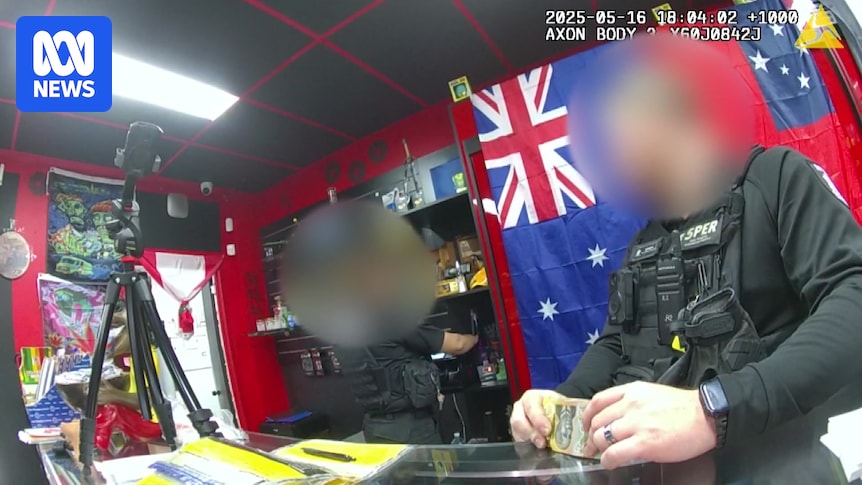
Illicit tobacco operators are chalking up unpaid fines so large that one player alone owes more than $7 million, the ABC can reveal.
Another five operators owed between $1 million and $2 million as of October this year — amounts sitting as unpaid fines with Queensland’s state debt collection agency.
The size of debts is the latest indication of hurdles for authorities who are ramping up enforcement and penalties against a blossoming illicit tobacco trade.
Amid a massive government shutdown of stores announced this month, illegal cigarette and vape sellers are offering online sales with home delivery and after-hours shopping.
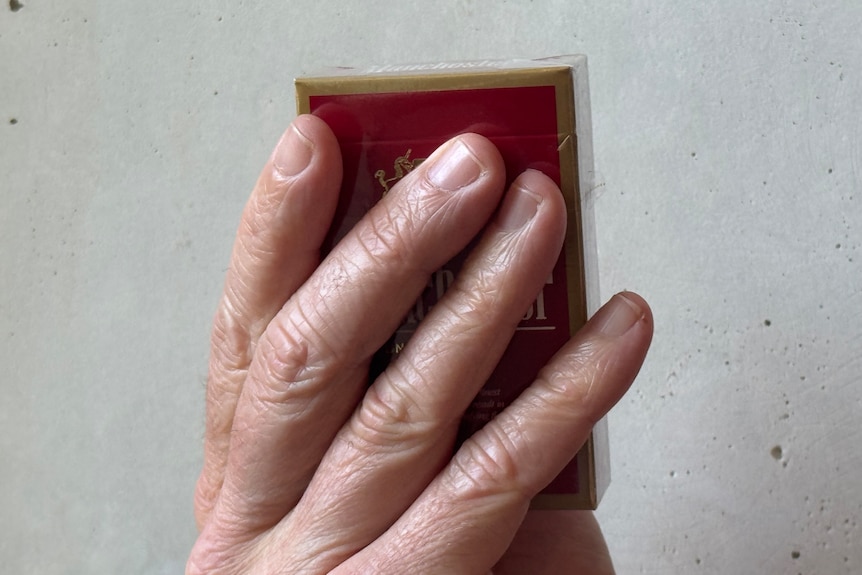
An ABC investigation last month revealed tens of millions of dollars in unpaid fines to illicit tobacco trade. (ABC News: Alexander Papp)
Sales still occurring under enforcement regime
While anecdotes have emerged of tobacco supplies tightening in some areas, blatant sales still occur.
The ABC last week was able to purchase an illegal pack of Manchester Red cigarettes for $15 from a busy Brisbane CBD store at about 1.30pm on a weekday — just 850 metres down the road from Health Minister Tim Nicholls’ executive office and 40 metres from the Brisbane Magistrates Court. Another customer bought a carton of Marlboros.
Academics said the size of unpaid fines is an indication of the multi-billion-dollar scale of the nicotine black market and warn crackdowns can simply result in crime gangs pivoting to covert sales.
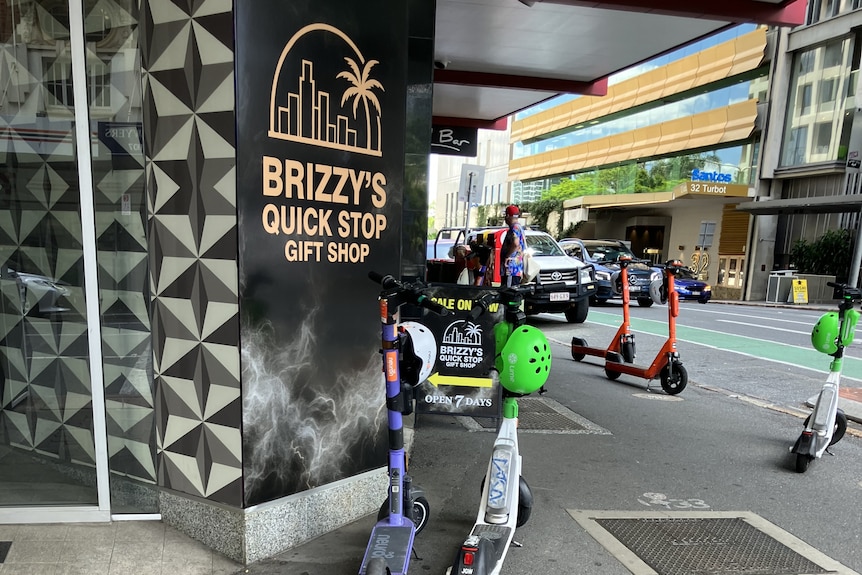
Stores across the south-east are still selling illicit nicotine products at cheap prices. (Supplied)
The illicit tobacco trade has roared amid increasing federal government charges on nicotine products.
The ABC has visited dozens of stores in the past half-year finding packs of cigarettes without required warning labels selling for as little as $7. Legal packs can cost more than $40 — with at least $33 of that from duties and taxes alone.
Tens of millions in fines going unpaid
An Australian Criminal Intelligence Commission paper last month estimated almost $3.3 billion in excise was lost to the illicit trade in the 2024 financial year alone.
Queensland’s state government has initiated reforms including upping fines tenfold in April this year to about $32,000 for individuals and $161,000 for companies behind stores. It followed frustration that previous penalties were inadequate, and Minister Nicholls stated: “We need to hit them where it hurts most, and that is financially.”
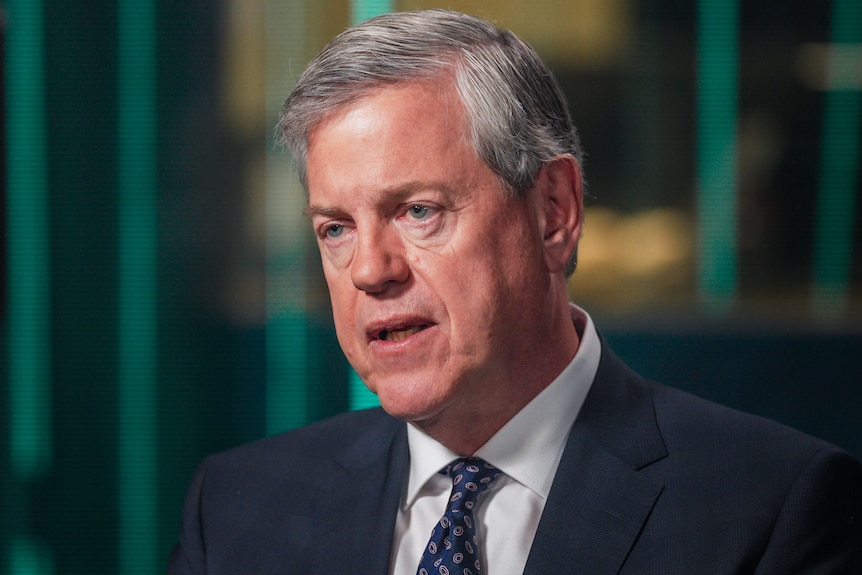
Tim Nicholls says the health department’s fines are attempting to hit illegal retailers “where it hurts most”. (ABC News: Chris Gillette)
But the ABC last month revealed the lion’s share of tobacco fines had gone unpaid: of $54.9 million coming to the State Penalties Enforcement Registry since January 2024, only $11.7 million in cash had been recovered.
At the time, the government refused to detail amounts owed by top debtors, citing privacy reasons despite the ABC saying it did not need individuals to be identified.
The ABC subsequently filed a Right to Information request for the top 10 debtors, forcing the government to relent.
It admitted that the biggest debtor alone owed between $7 million and $8 million. The next five biggest owed between $1 million and $2 million each, and bottom four owed between $500,000 and $1 million.
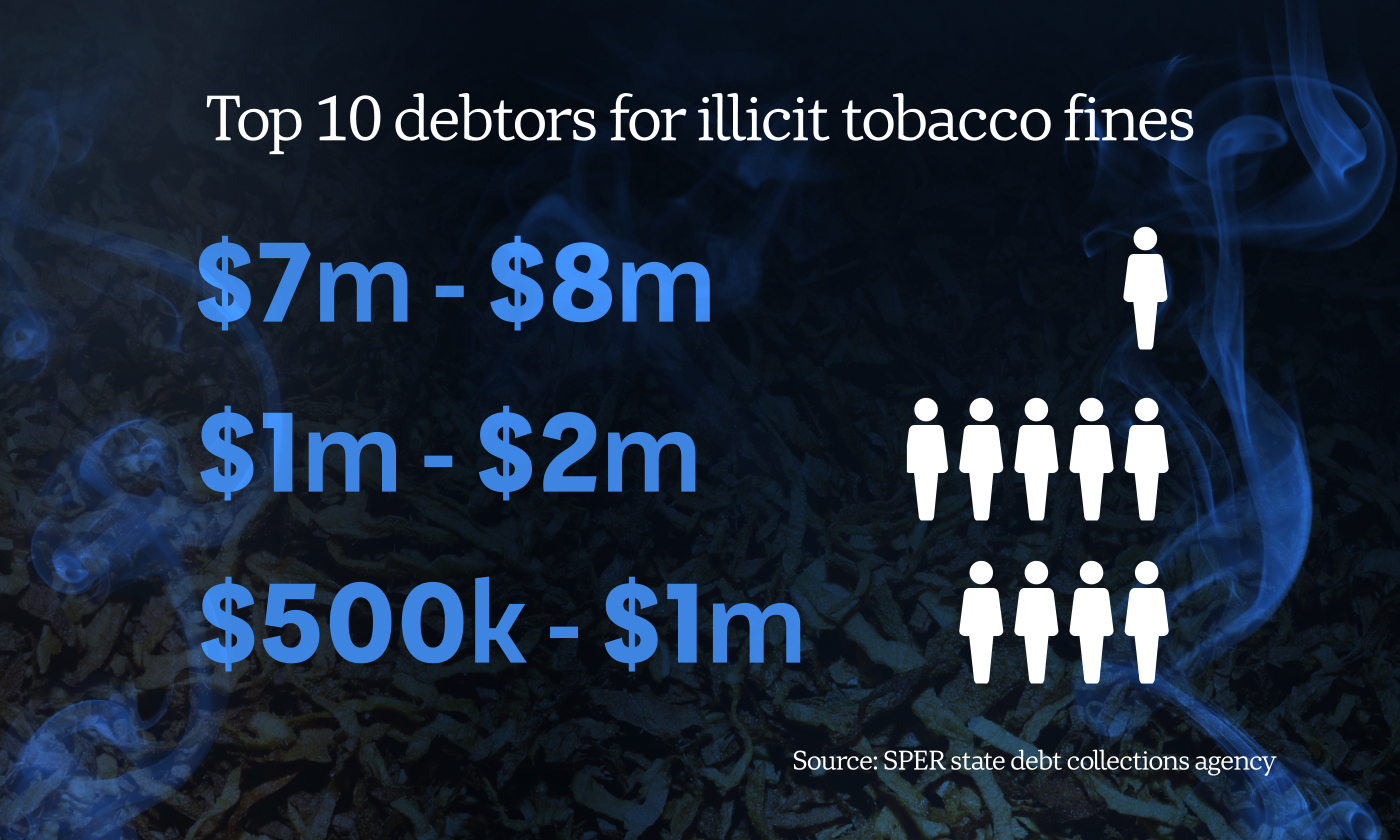
The biggest debtor alone owed between $7 million and $8 million, with the next five owing between $1 million and $2 million each. (ABC News: Pete Mullins)
It was not clear if corporations or individuals were involved.
Queensland Health issues fines to store owners, with major offences for supply of tobacco and vapes. After 28 days, any unpaid amounts are transferred to SPER.
Of total outstanding debts of $37.7 million, the vast bulk appear to have been chalked up since fines were increased in April.
Experts warning illicit markets ‘highly adaptable’
Just this month, the state government announced “Australia’s largest ever coordinated enforcement action” by shutting down 148 illicit tobacco stores with three-month closures.
Some venues are since short of supply or increasing prices slightly — one store lifted from $12 to $15 a pack, citing the raids. Still, sales remained open in Brisbane, via online QR codes in the Gold Coast, and simply occurring outside closed stores in Bundaberg and Rockhampton.
Dr Martin says prohibition-style enforcement alone would not work to curb the illicit trade. (ABC News)
James Martin of Deakin University, who has written research on the tobacco trade with Sydney University’s Edward Jegasothy, told the ABC that black markets were “highly adaptable”.
“With sufficient demand, they flow around whatever obstacles are in their way,” he said.
Dr Martin, a criminology lecturer, said a question remained around whether enforcement could effectively suppress illicit suppliers. Even if that did occur, suppliers would pivot to commercial sales “like we see with other illicit drugs”.
He said enforcement alone would not work. “We need to recognise that the tobacco excise is well past the point of effectiveness” and to improve access to less harmful forms of nicotine, he argued.
Controlling illicit vaping, smokes like ‘whack-a-mole’
Dr Martin also said the high-fine amounts owed by some tobacco traders showed they had “sufficient resources and capabilities to frustrate law enforcement”.
The government and debt collection sources have pointed to hurdles in collecting fines, including that smaller amounts are typically repaid at higher rates than larger amounts — plus criminals could simply be bad at repaying debts.
SPER’s actions to reap money include tapping bank accounts, offering long-term repayment plans and once even impounding a $200,000 Mercedes AMG from a company director over a tobacco fine.
Minister Nicholls’ office acknowledged illicit operators would “push the envelope when it comes to peddling contraband” and said Queensland laws were now the “nation’s toughest”.
The health department was the last line in defending against an illegal tobacco trade and would work with other authorities including Australian Border Force, his office said.