

Trek just rebranded its mountain bike teams to look like its new fishy energy drink sponsor. Finn Iles and the Specialized Gravity Team are pushing canned sea food. Remco Evenepoel is celebrating Pizza Hut Belgium’s birthday. The holiday season is serving up some weird food sponsors for cycling.
This, it turns out, is nothing new. Cycling’s always had rotating cast of snackable sponsors that wouldn’t necessarily be appetising mid-race. Here’s a brief, but not exhaustive list of some of the odder edible endorsements, from pescatarian practicality to luxury aprés.
And, just a note, we’re leaving out the list of booze sponsors that make a splash at podium time. UCI forbids athletes from promoting alcohol (and OnlyFans), but is fine with taking money from various brands for beer gardens and champagne celebrations.
Other snackable sponsors aren’t so weird, even if the actual endorsement takes an unexpected form. Mark Cavendish pushed pistachios, Peter Sagan supported Sunchoke/Jerusalem Artichoke brand Sunroot, Colavita and Italpasta have sponsored teams with their olive oil and pasta profits. Roland, sponsor of a team and individual athletes like Jolanda Neff, is a Swiss cookie brand.
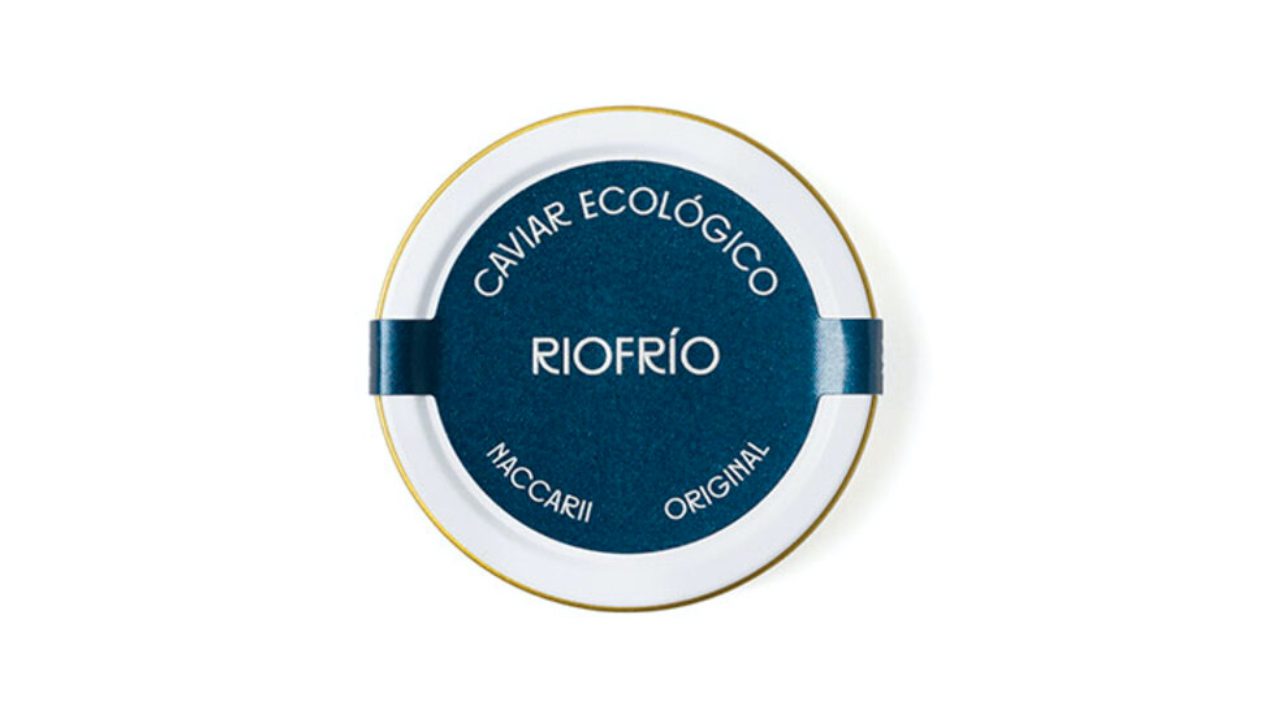
When does recovery become aprés?
When Katusha inked a sponsorship deal with Caviar de Riofrio, the Russian squad did so under the auspicies of nutrition. I don’t know how much caviar the Spanish brand was making but, given the number of athletes and number of race days and training rides that a World Tour team covers in a year, I can’t imagine there’d have been much of the “ecologically pure sturgeon caviar” leftover for consumers to actually buy if all the riders were eating it as a recovery food.
The sauciest team on any start line
Belgian sauce brand Pauwels has roots in cycling that run deep. Pauwels remains on the jerseys of one of the larger cyclocross teams, still. Why? While it’s team riders aren’t likely to be sloshling mayo on their post-race snacks, Belgian ‘cross fans are known for their love of frites. Specifically, frites and mayo. We’re guessing a lot of that mayo is from Pauwels.
Would you like fries with that?
The other half to Pauwels, in a sense, is the short-lived Domo-Farm Frites team. The road team was formed by outspoken Belgian manager Patrick Lefevere for the 2001 season. Farm Frites is a Dutch company making potato fries for those Pauwels sauces. Domo, if you’re wondering, was a carpeting company. The team soon changed to Quick Step and various other co-sponsors, leaving fries behind but earning long string of victories for Lefevere.
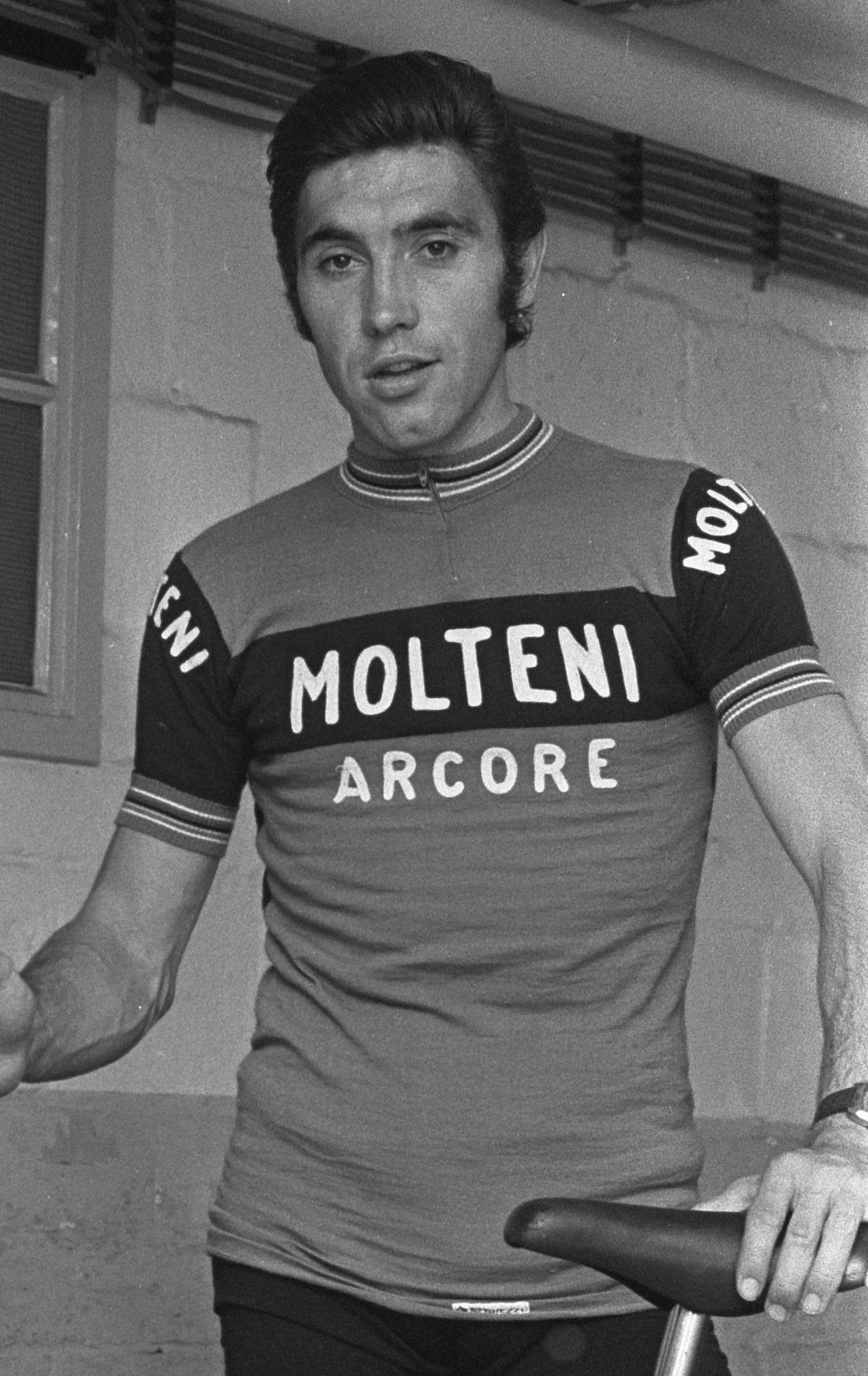
Molteni and Merckx
Even casual cycling fans will remember the iconic Molteni jersey’s of Eddy Merckx. But what is Molteni? Or Molteni Arcore on some jerseys? Well, Molteni was a cold meats brand based in Arcore, Italy. That’s right. Arguably the most iconic name and most recognized jersey in cycling was selling salami.
Trek-Unbroken follows the flow
Trek’s mountain bike programs, both XC and downhill, have born the Wisconsin-based bike brand’s name as the sole sponsor for years. Going into the 2026 season, both are now Trek-Unbroken. While that sounds like some Americana out of Hollywood, it’s actually an Icelandic company that makes recovery tablets out of Norweigan salmon.
With a new title sponsor comes a new jersey design. And Trek-Unbroken’s new jerseys can only be described as fishy. I can’t tell if it’s supposed to look like water or evoke the shimmering texture of salmon skin, but it’s definitely more fishy than it is Trek.
Specialized Gravity’s canned heat
Trek and Specialized are long-running rivals, no matter what surface the race takes place on. While Trek’s jumped into the ocean with both feet, it was Specialized leaning on the pescatarian performance advantage first. Frinsa Solo is a canned seafood brand from Spain. It’s sponsored Loic Bruni and, now, the team for a bit. A dazed looking Finn Iles whipping open a jar of canned … turkey? was a jarring interruption to the usual fare of downhill bikes and podiums on the Specialized feed.
Remco Evenepoel gets stuffed
Pizza Hut’s stuffed crust pizza, the hidden topping the changed the game for circular-shaped dinners, just turned 30. Among the celebrants was a semi-enthused Remco Evenepoel. The double Olympic champion lights some candles and smiles, but doesn’t actually eat any greasy goodness.
We tried to calculate what has more calories: that stuffed crust pizza Evenepoel’s holding or his high-carb diet for an average Classics one-day race. Based on what teams seem to be aiming for, 150g/hr, and the stated calories/carb ratio of Maurten gels and drinks, it’s close. Close enough that it depends on Remco’s topping preferences and finishing time. Pepperoni and Paris-Roubaix? Dead heat. Margherita at Milan-San Remo? Pizza Hut isn’t enough to get him over the Poggio. What’s wild is that the stuffed crust pizza is probably more nutritionally balanced than what Evenepoel’s eating on the bike for an average race day.
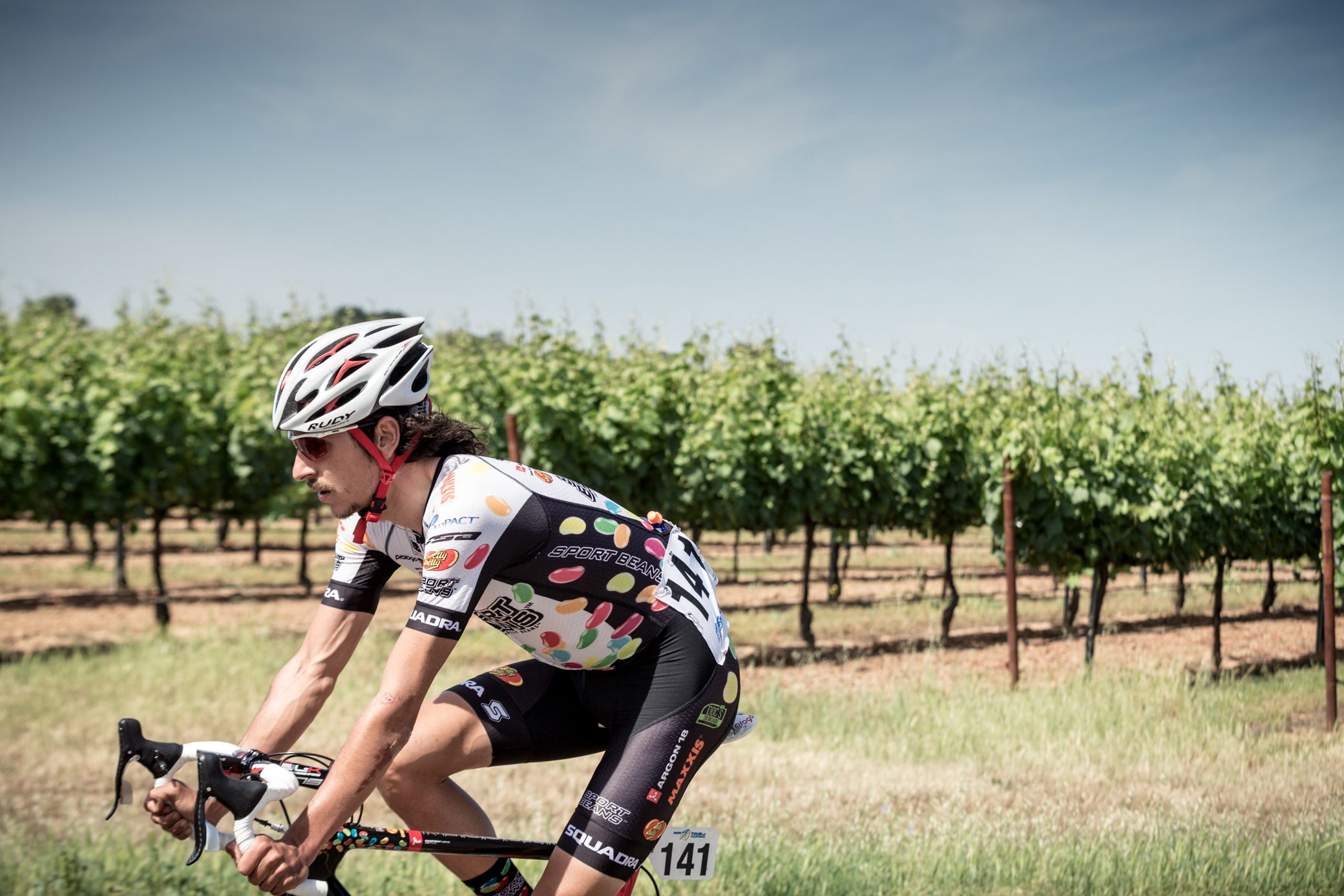 Lachlan Morton riding for Jelly-Belly at the 2016 Tour of California. Photo credit: Oran Kelly
A sugary-sweet sponsorship
Ubiquitous in North American cycling while it lasted, Jelly Belly was a U.S.-based road team. The title sponsor, Jelly Belly, even tried making “sport” versions of its jelly beans for a while. According to the still-living website, a 24-year-old Lachlan Morton’s favourite Sport Bean flavour was lemon lime, while his favourite Jelly Belly flavour was “buttered popcorn.” It was Louis Lemus 2013 national champ kit, a Mexican flag made of jelly beans, that was the piece de resistance.
While it seemed like a stretch at the time, a candy company sporsoring a healthy passtime, it probably would be a better fit for today’s instant carb-obsessed gravel racers and gas station food cyclists. All that stuff is basically just sugar.