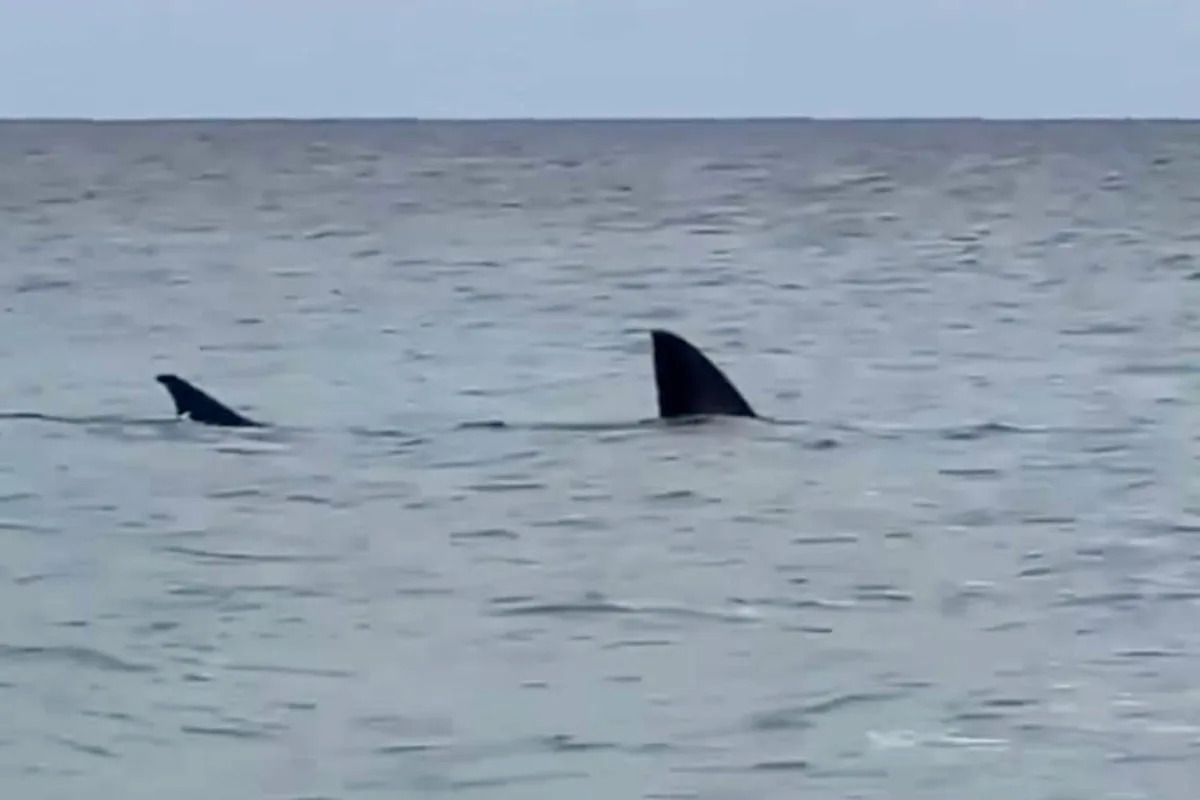
A three-metre great white shark spotted in knee-deep water in South Australia has sparked concern — but not for the lives of swimmers. There are fears the shark has become yet another victim of the deadly algal bloom wreaking havoc off the state’s coast.
The white shark’s fins were clearly visible on the surface of the water near Kangaroo Island as its body “barely cleared” the sand beneath. The shark was showing signs of distress and was “struggling to stay alive”, according to Shark Watch SA, which shared video of the scene.
“This shark showed similar traits to other Pointers caught up in the algal bloom, and while we don’t know for sure whether this shark was experiencing natural mortality, it’s a stark reminder that other parts of the state are still experiencing the full extent of this crisis and need our full attention,” the organisation said.
Local fishermen were able to tow the shark to deeper waters, but its fate remains unknown.
Fisheries have been notified.
Devastating algal bloom kills thousands of marine animals
The toxic algal bloom was first reported in mid-March off the Fleurieu Peninsula, and has claimed the lives of more than 87,000 marine animals from more than 390 species.
Just last month, beachgoers reported the worst fish kill since the algal bloom started, with thousands of dead fish washing up on metropolitan beaches.
The most recent testing, however, shows the bloom has moved once again as it is affected by weather and ocean currents.
The South Australian Algal Bloom Water Testing and Monitoring Program studies phytoplankton, including the harmful Karenia species, to track changes in the algal bloom.
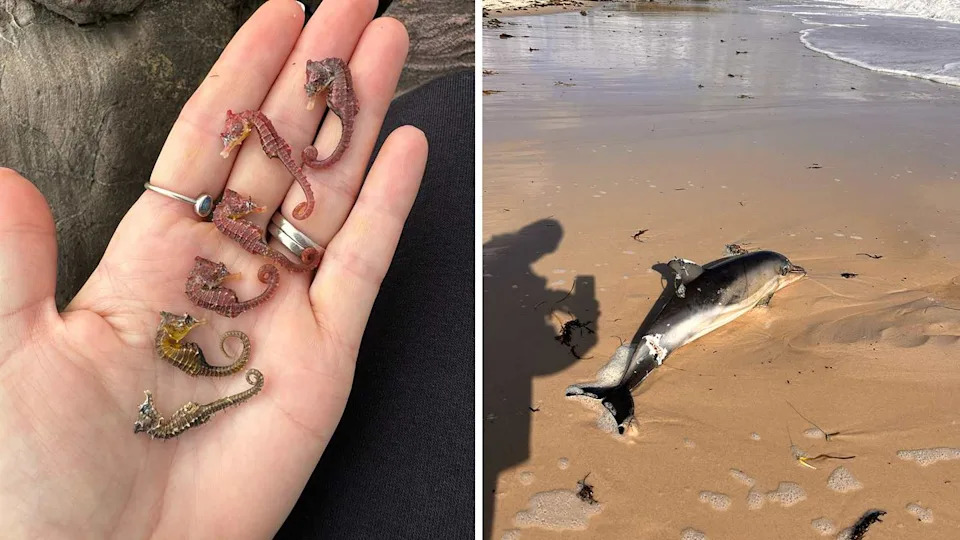
Every level of the ecosystem has collapsed. Source: Jo Dunn/jamesh1969/iNaturalist
On December 12, water tests showed all 21 metropolitan onshore sites recorded “no or low levels of Karenia”.
Three of those sites had zero levels of Karenia, while the other 18 showed a “significant” decline in numbers compared to mid-October, the government site said.
Elevated levels of Karenia were only recorded at two sites: Emu Bay Jetty on Kangaroo Island — near to where the great white shark was spotted — and Whyalla Jetty.
Government ‘ill-prepared’ for bloom
In early November, a senate inquiry into South Australia’s algal bloom found state and federal authorities were caught unprepared.
The Greens-chaired inquiry, led by Senator Sarah Hanson-Young, examined how the state and federal governments coordinated their response to the widespread bloom.
The committee’s 207-page report called for a national approach to “climate-induced, slow onset and significant ecological events” and for ongoing funding to support ocean monitoring and harmful algal bloom (HAB) research.
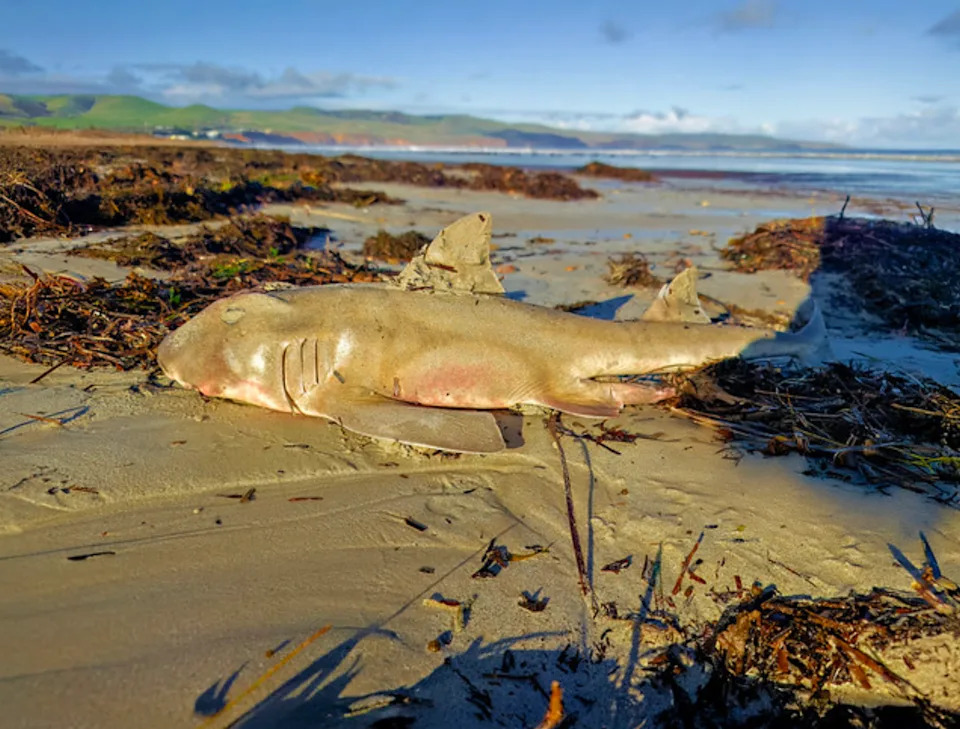
Even large fish like this Port Jackson shark have succumbed to the bloom. Source: Ian Gibbins/iNaturalist
Senator Hanson-Young said the findings showed both levels of government were “ill-prepared and asleep at the wheel”.
“What this inquiry has laid bare is just how ill-prepared the state and federal governments were for a climate-induced disaster like we are having unfolding on our coastline here in SA,” Ms Hanson-Young said.
It’s not known how the bloom will respond to the summer heat. Warmer water typically speeds up algae growth and reproduction.
with Newswire
Do you have a story tip? Email: newsroomau@yahoonews.com.
You can also follow us on Facebook, Instagram, TikTok, Twitter and YouTube.