
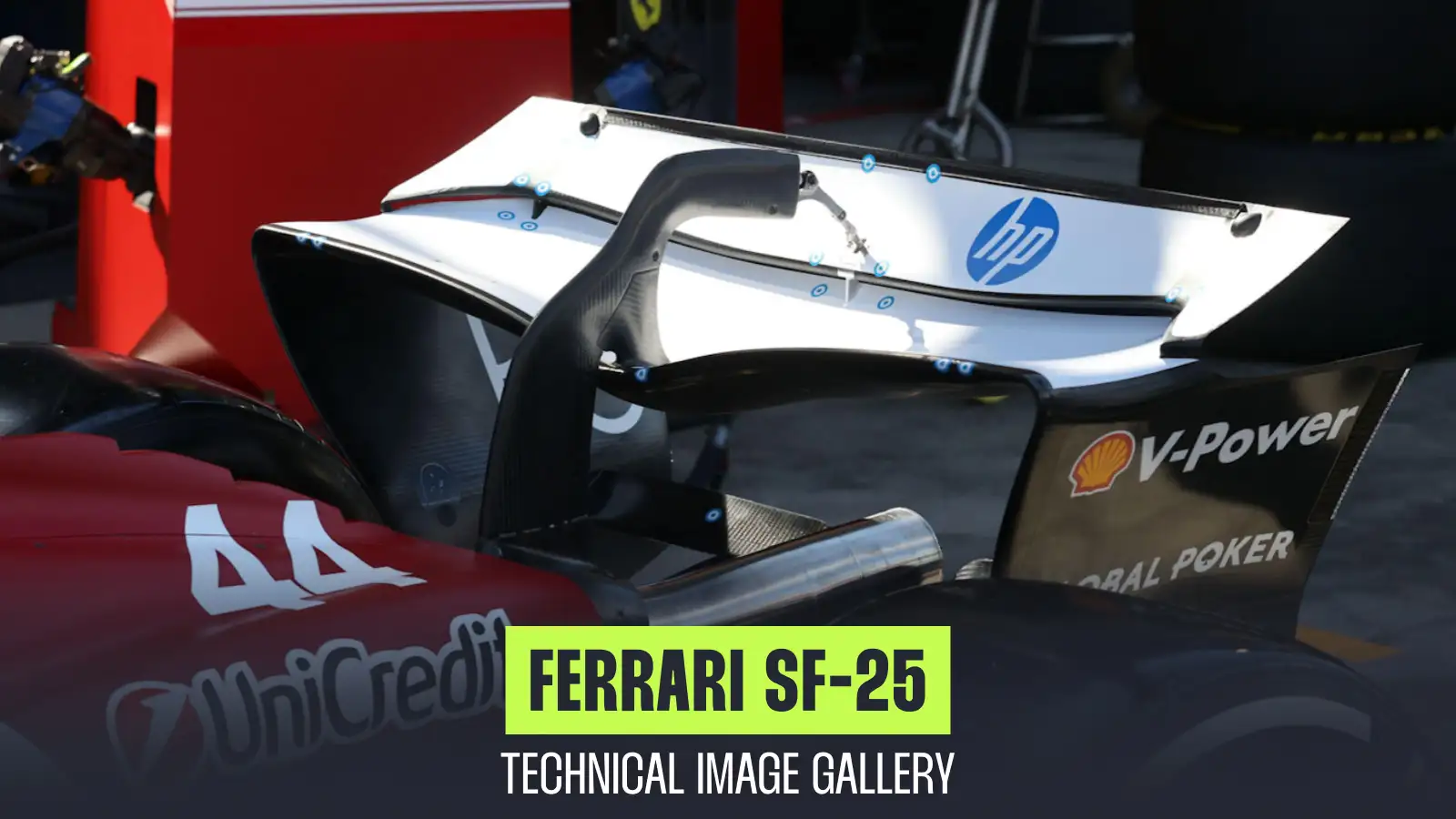
The need to balance development of the current car and also focus heavily on the 2026 project was always going to be a difficult balancing for the teams.
Ferrari being behind the eight ball from the get-go made this task all the more difficult but they did make some changes throughout the course of the season to tidy up some of their weaknesses. They also worked tirelessly to find the right balance at each Grand Prix that suited each of their drivers.
The constant search for performance
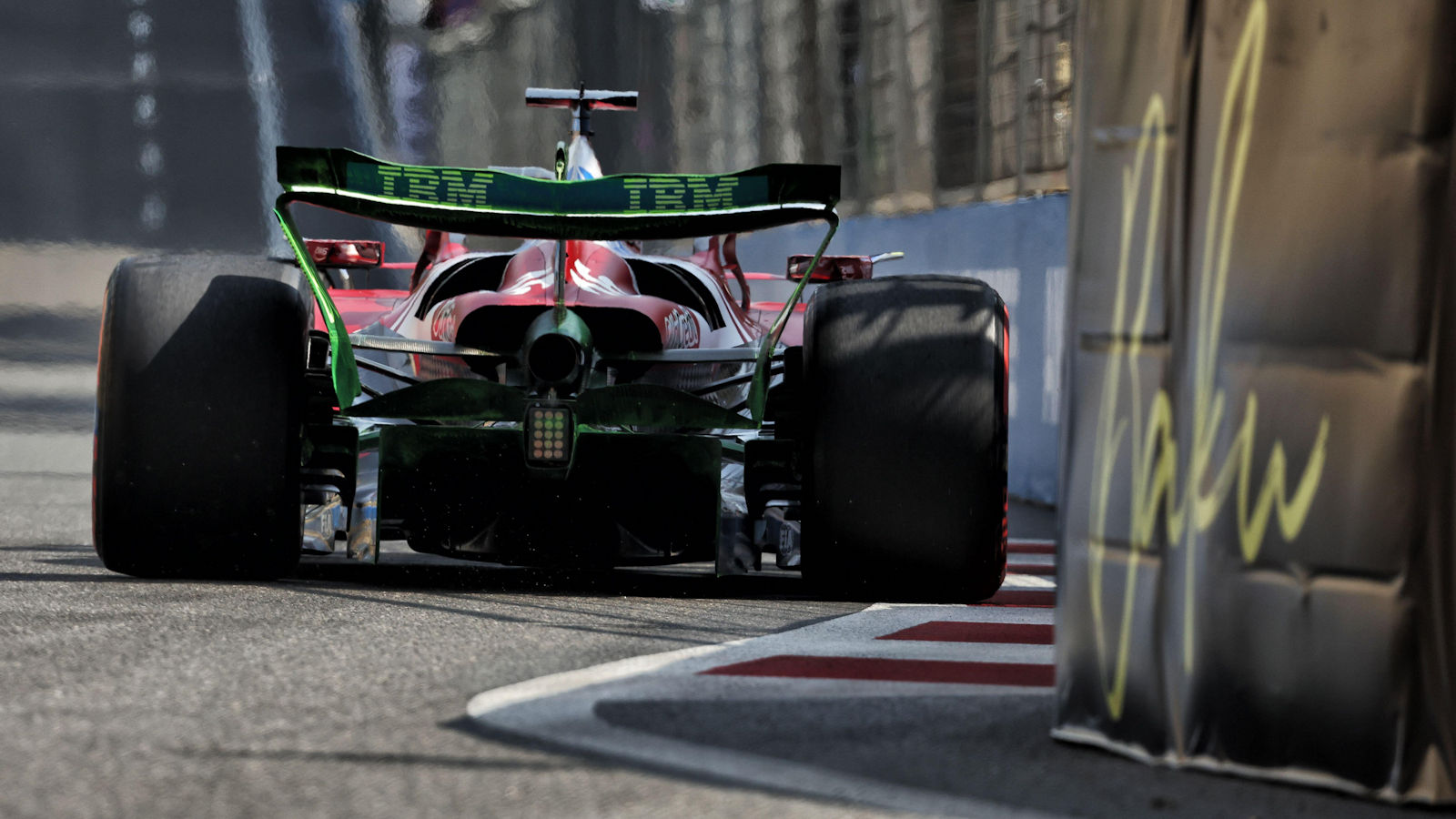
A dash of flo-viz paint on the rear wing of the SF-24, as the team ensures it’s working as expected on the streets of Baku, given the trimmed trailing edge.
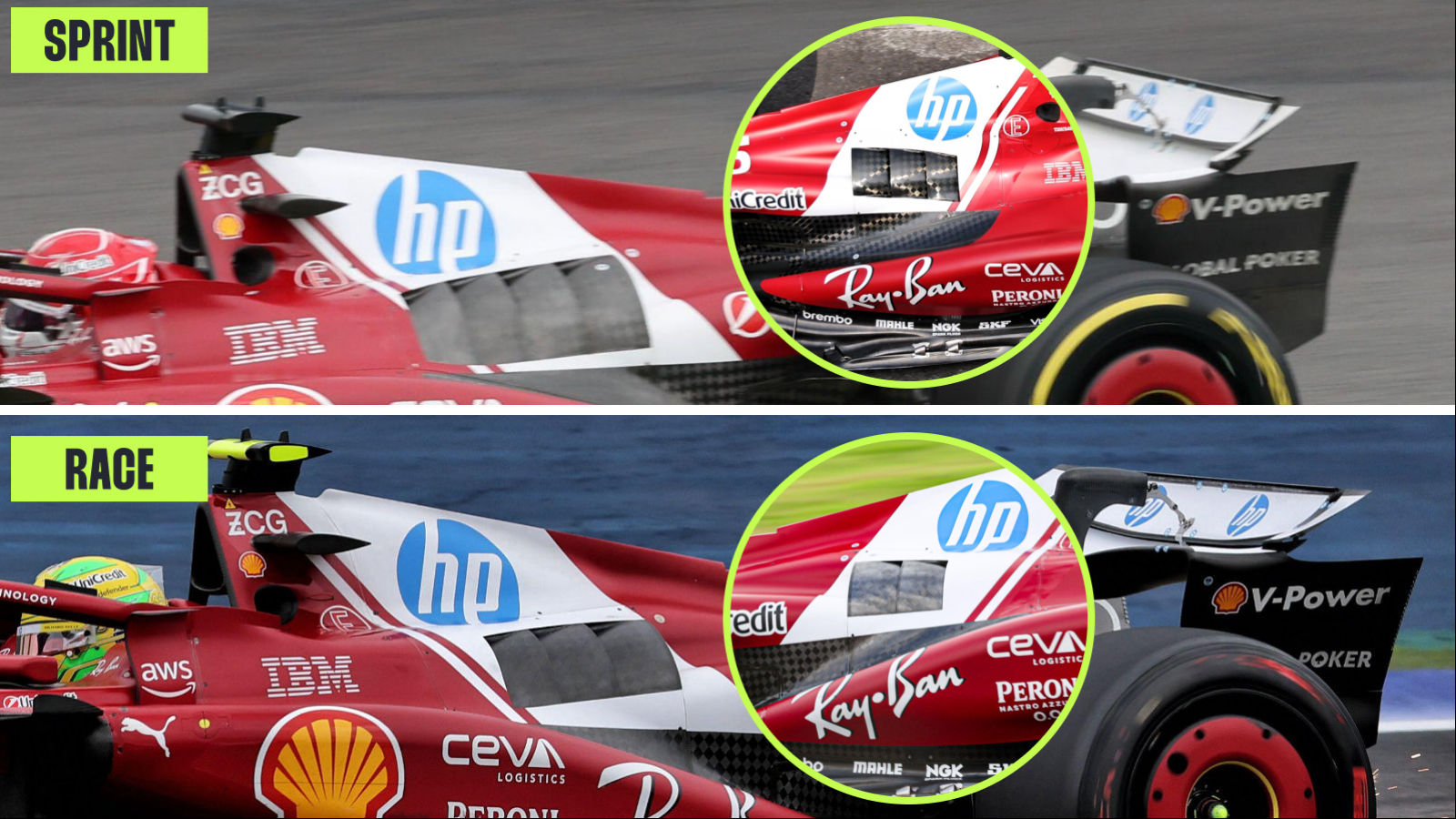
Ferrari often ran various cooling configurations during race weekends, as they looked to optimize the performance of the powerunit, however, they can be seen making that change between the Sprint and race on this occasion.
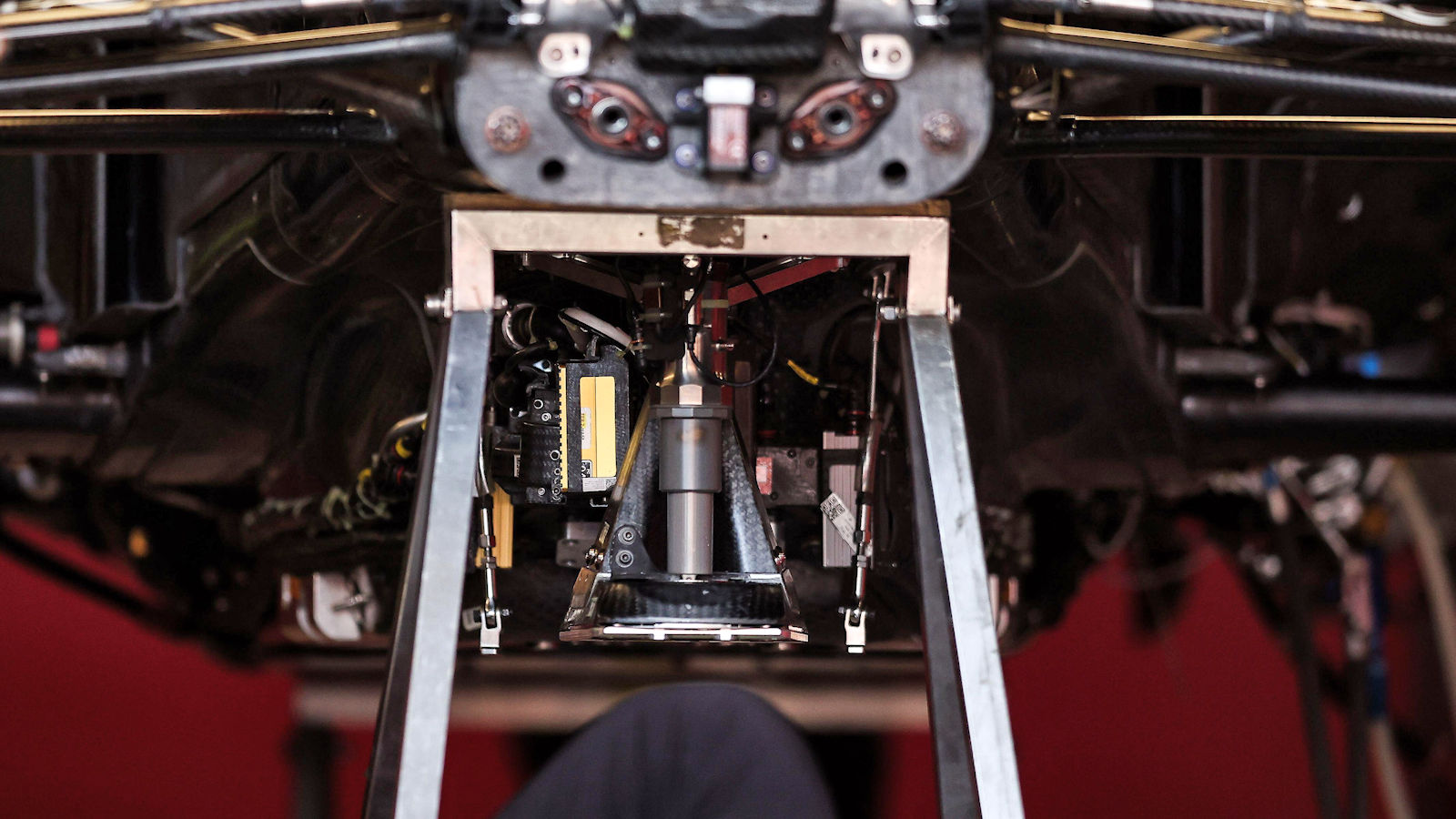
The Ferrari SF-25 without the floor or bodywork in place presents us with an opportunity to see the sprung arrangement housed between the bib and underside of the chassis.
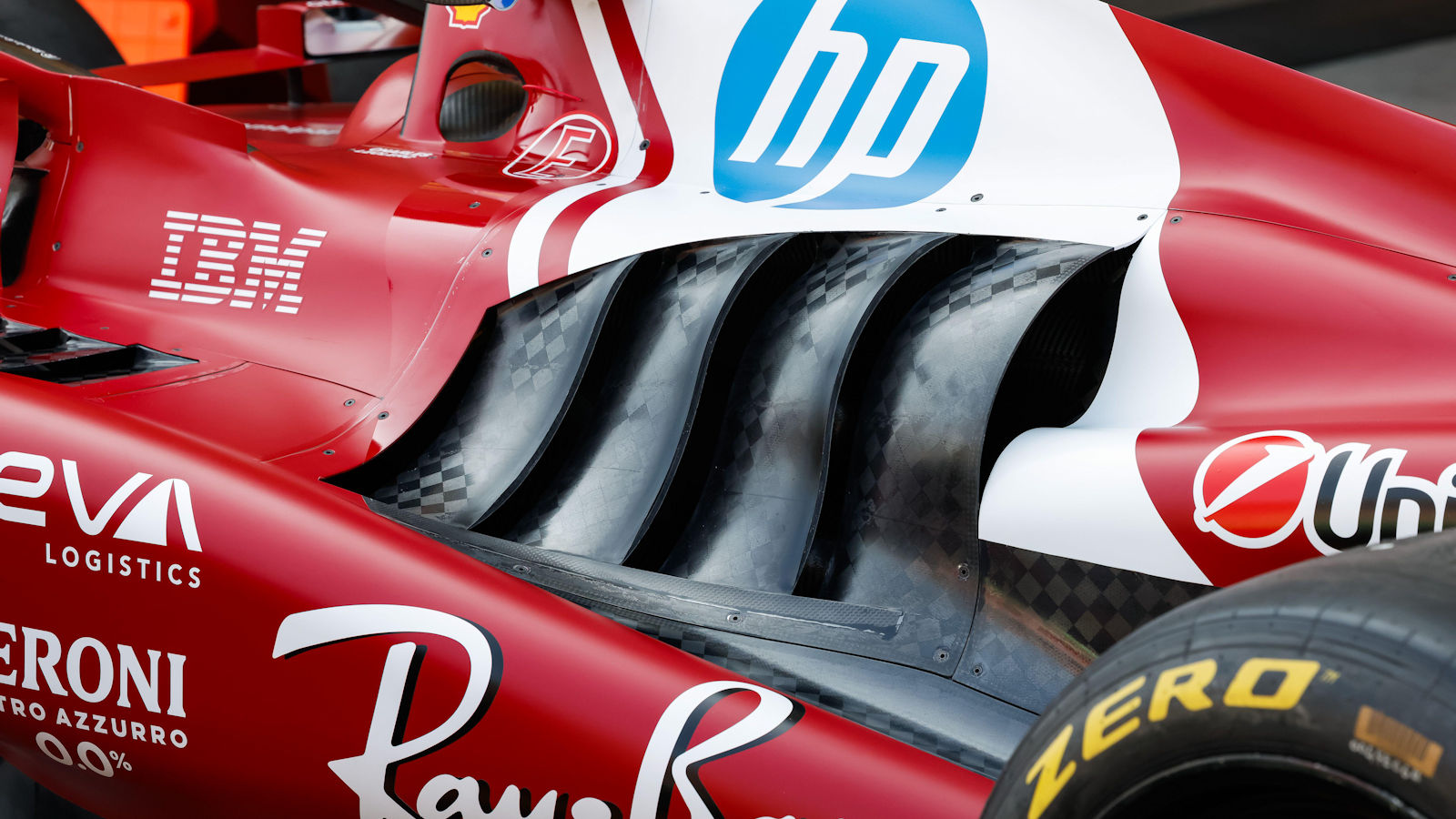
Speaking of cooling, here’s the most expansive solution that the team ran on the side of the SF-25’s engine cover, with 5 louvred openings used to reject the heat generated internally.
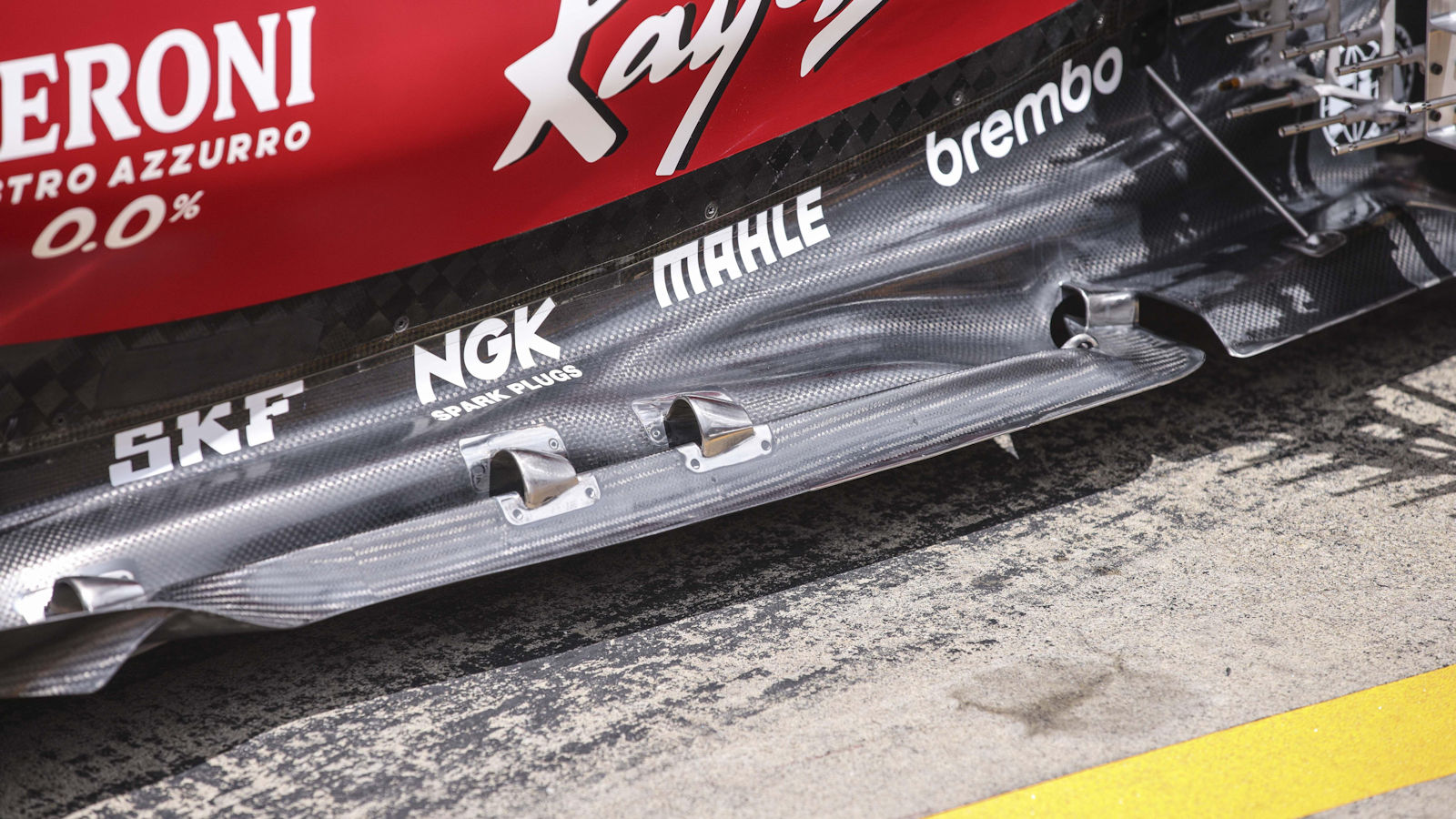
A close-up of the floor edge on the SF-25, with the notably thick profile used on the horseshoe-style support brackets, which in of themselves undoubtedly have some aerodynamic influence.
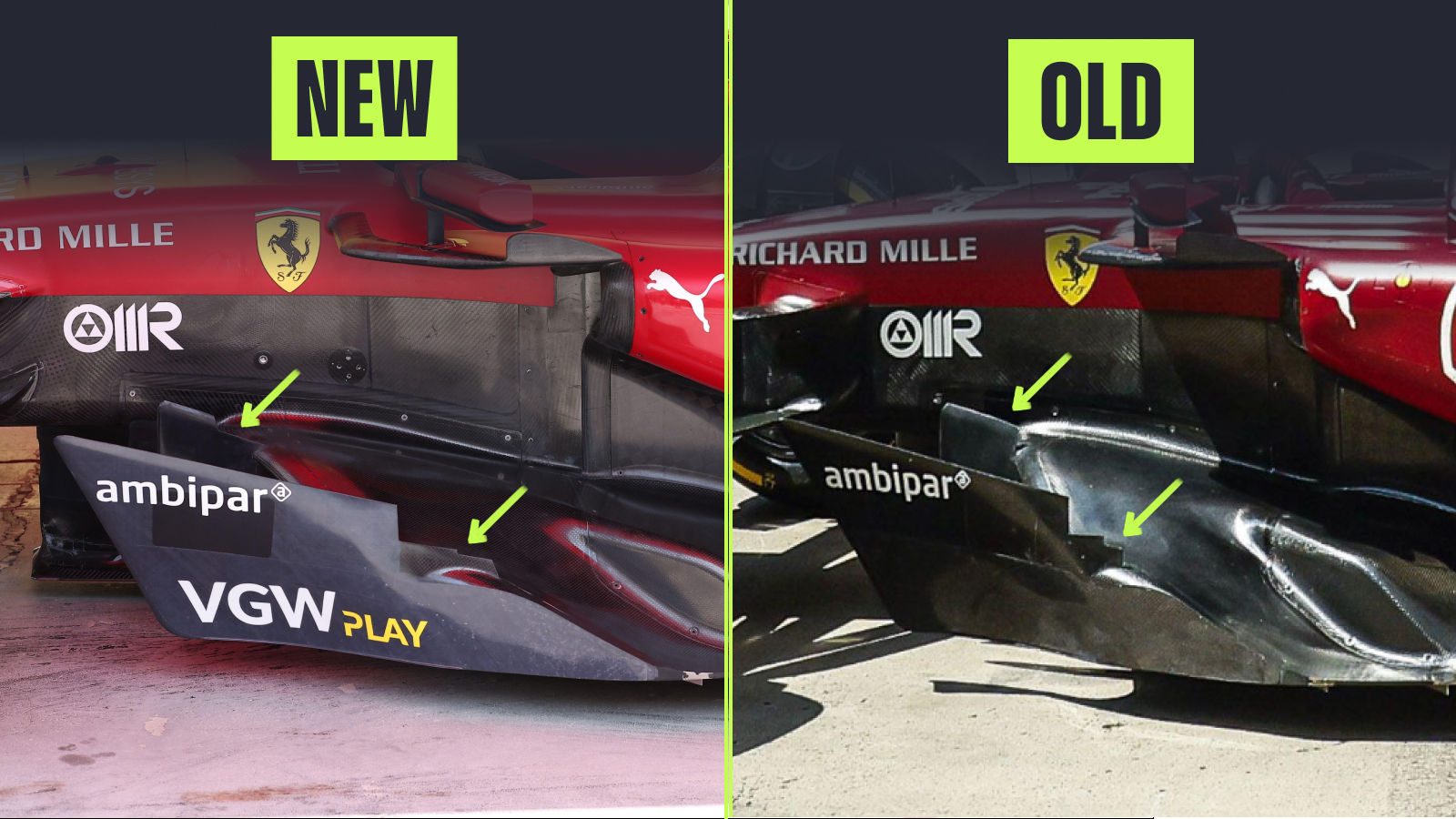
Changes were made to the SF-25’s floor fence arrangement at the Austrian Grand Prix, with a stepped profile added to the upper surface of the innermost fence, whilst the stepped arrangement at the rear of the outermost fence was also modified.
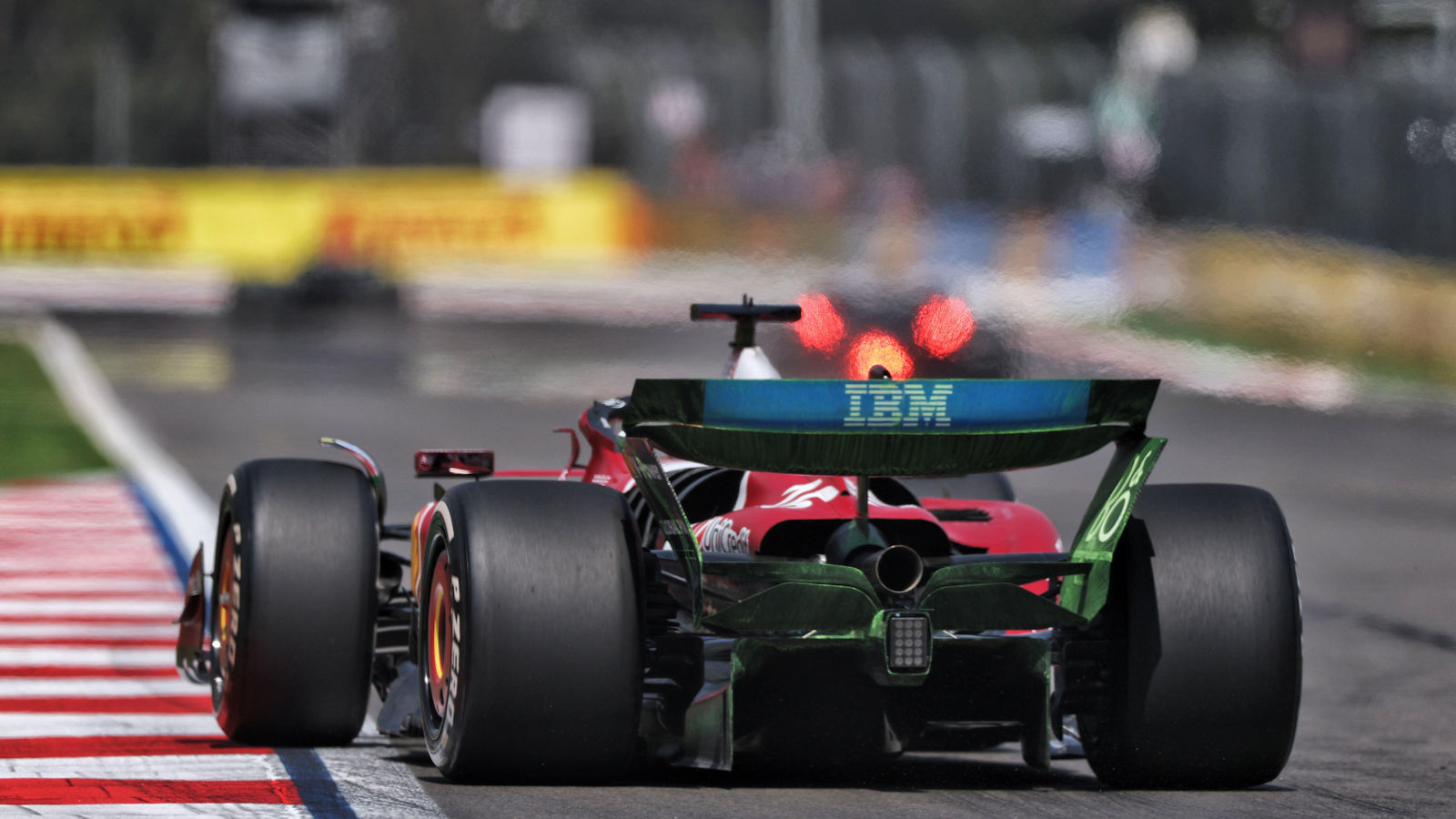
The rear and beam wing on the SF-25 with green flo-viz painted on them as the team check to make sure they’re performing as anticipated.
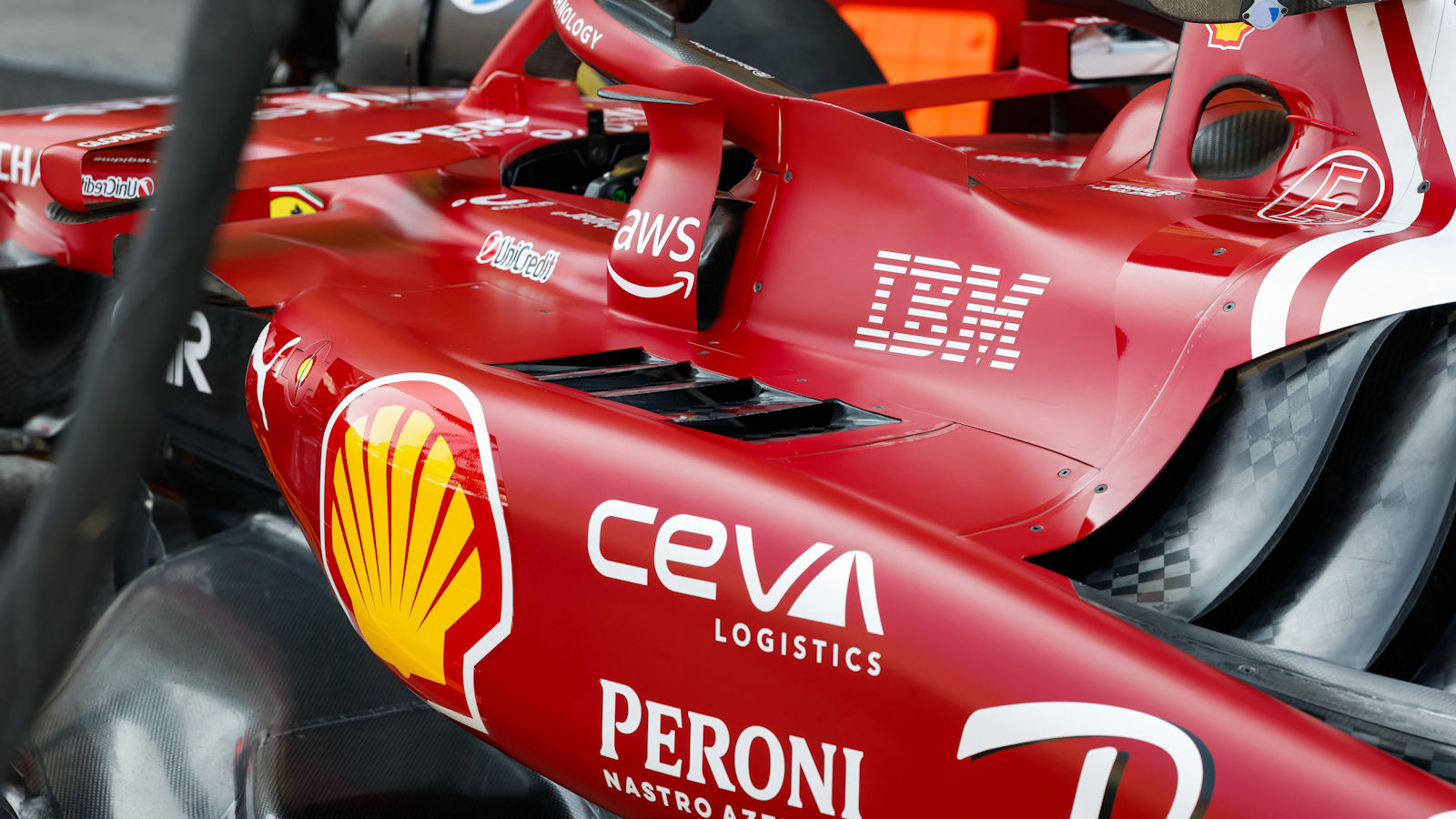
To increase the SF-25’s cooling capacity further the team had the option of an additional louvred panel on the upper surface of the sidepod.
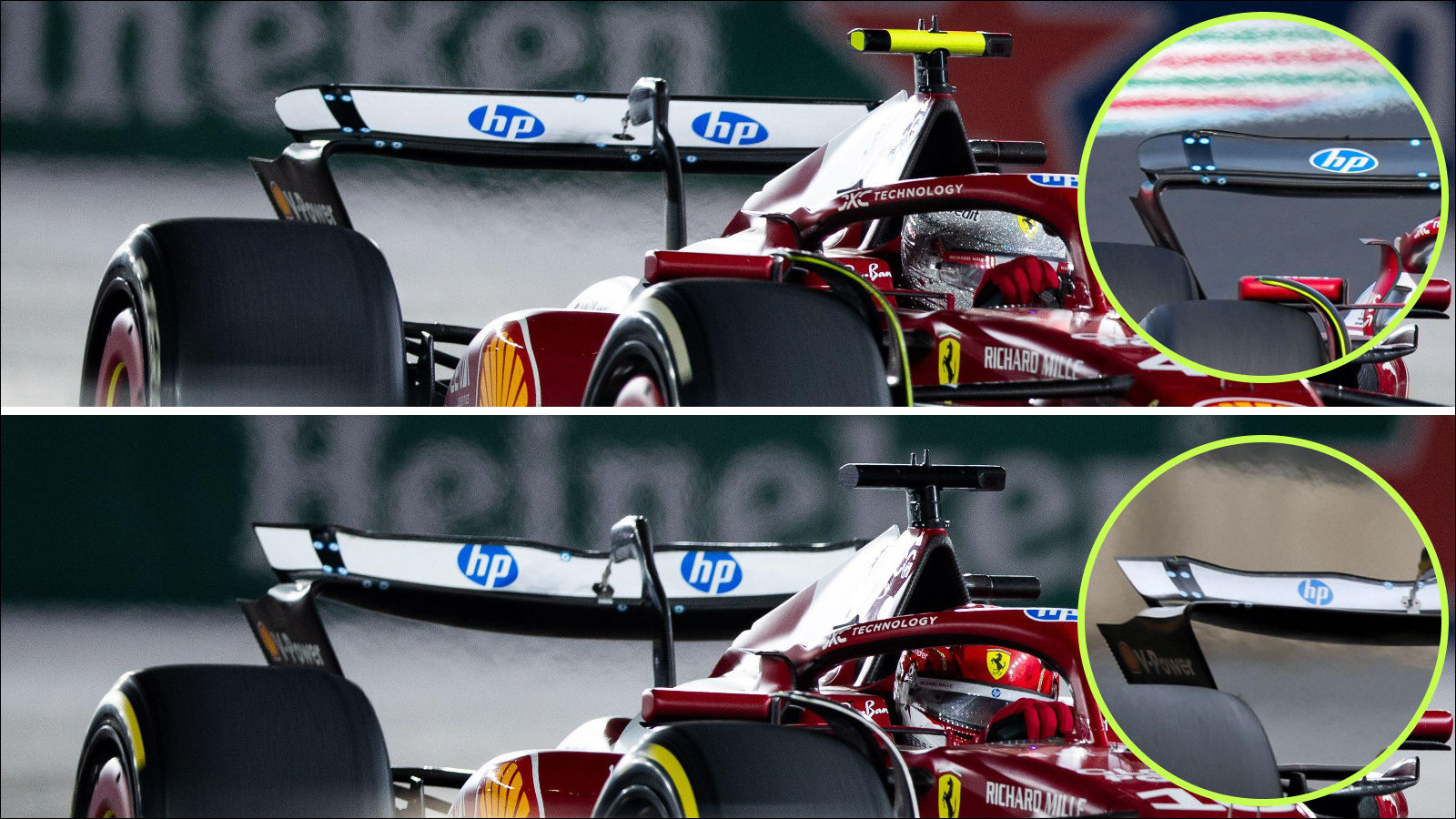
The various rear wing solutions at the lower end of the downforce spectrum that Ferrari employed during the season.
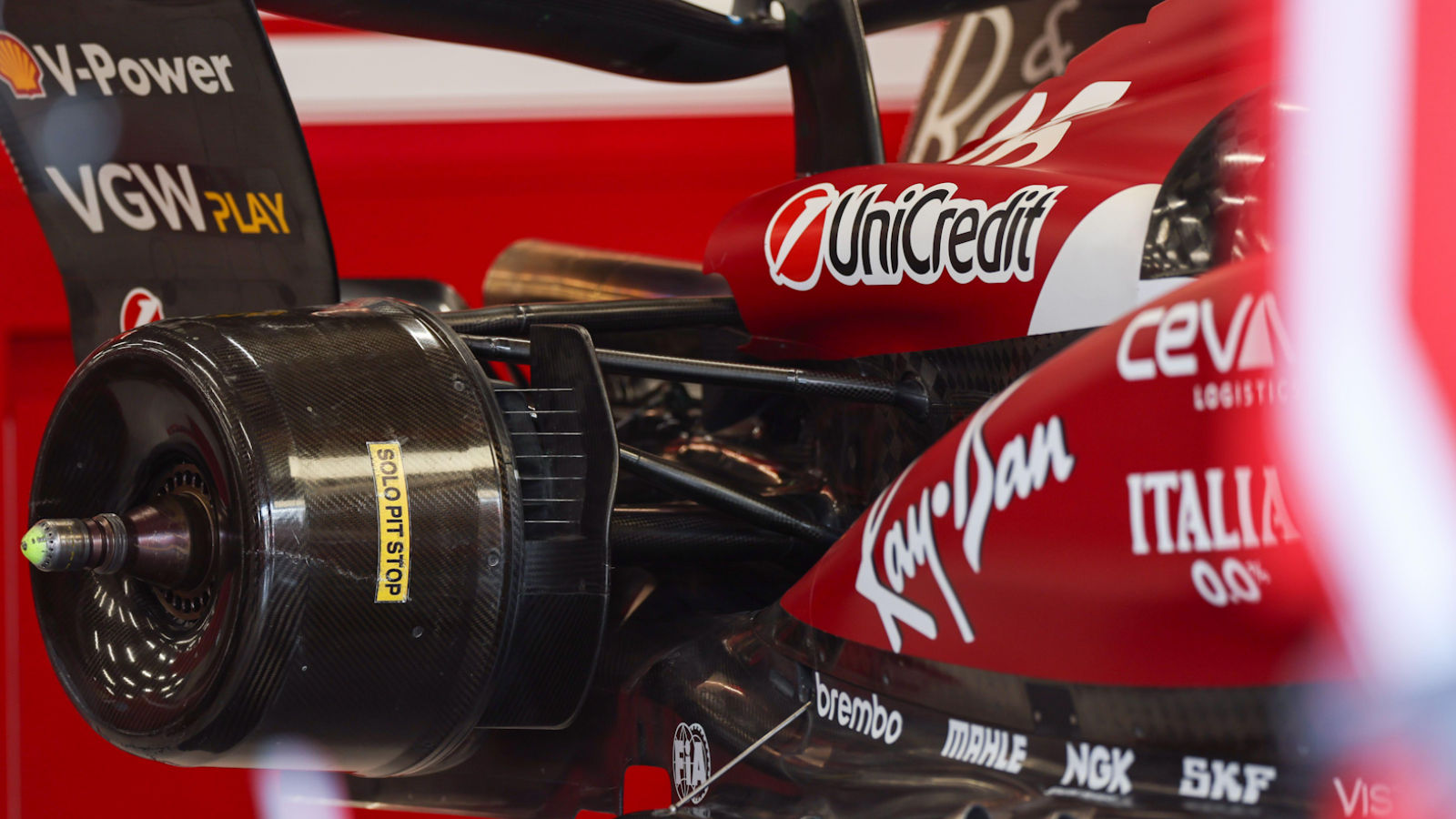
The rear end of the SF-25, including the rear suspension and brakes, with the shape of the end fence and the debris spars notable features.
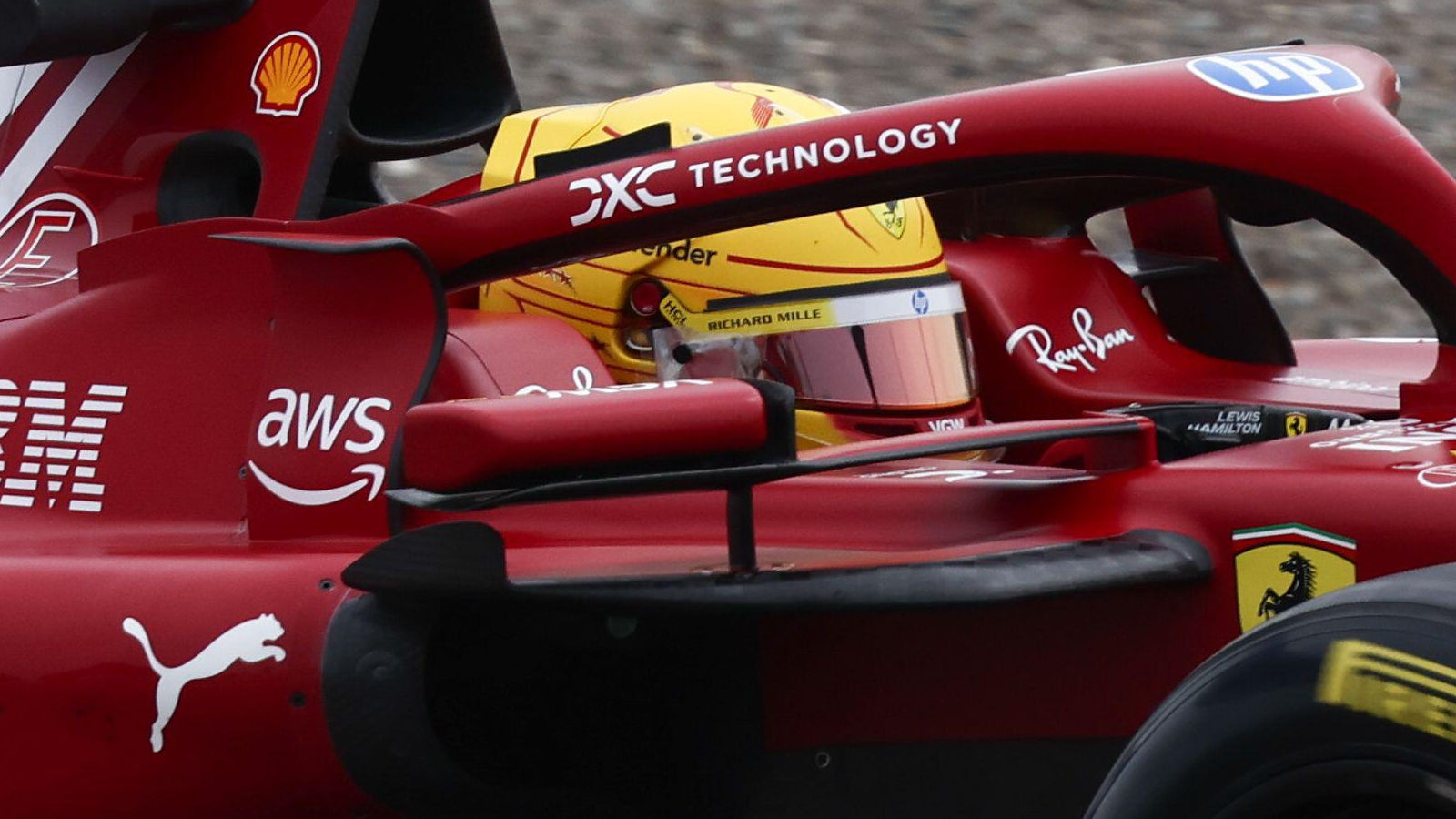
A look at the aerodynamic furniture surrounding the sidepod and cockpit region on the SF-25, including the flipped-up winglet on the end of the sidepod wing section, the slatted wing mirror arrangement and halo fairing devices, including the Cobra-style vane mounted atop the sidepod, beside the rear leg of the halo.
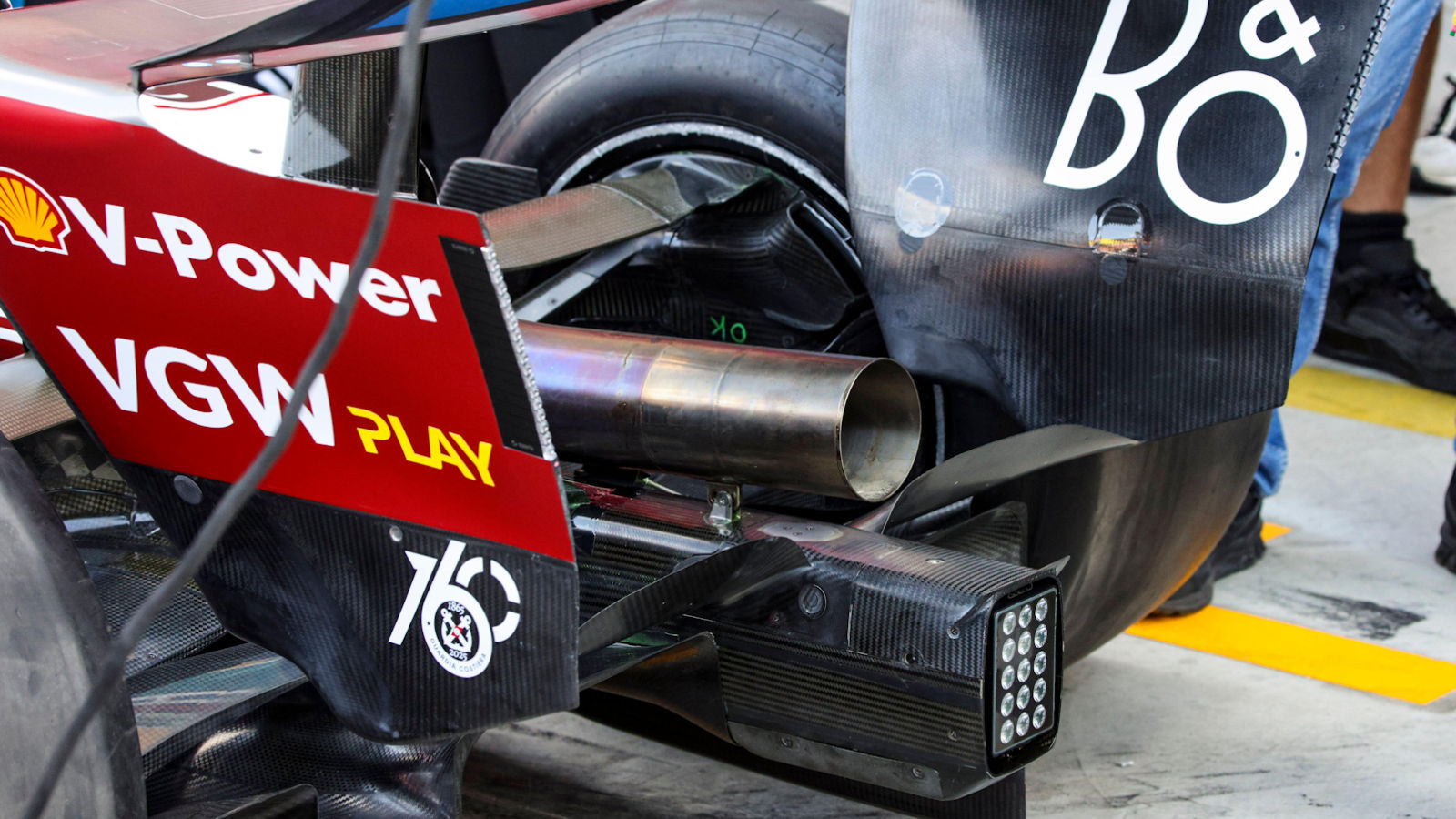
An overview of the SF-25’s rear end with a single element beam wing arrangement in place, whilst also offering a good view of the shapely rear suspension elements, which work in conjunction with the shape of the rear brake duct outlet.
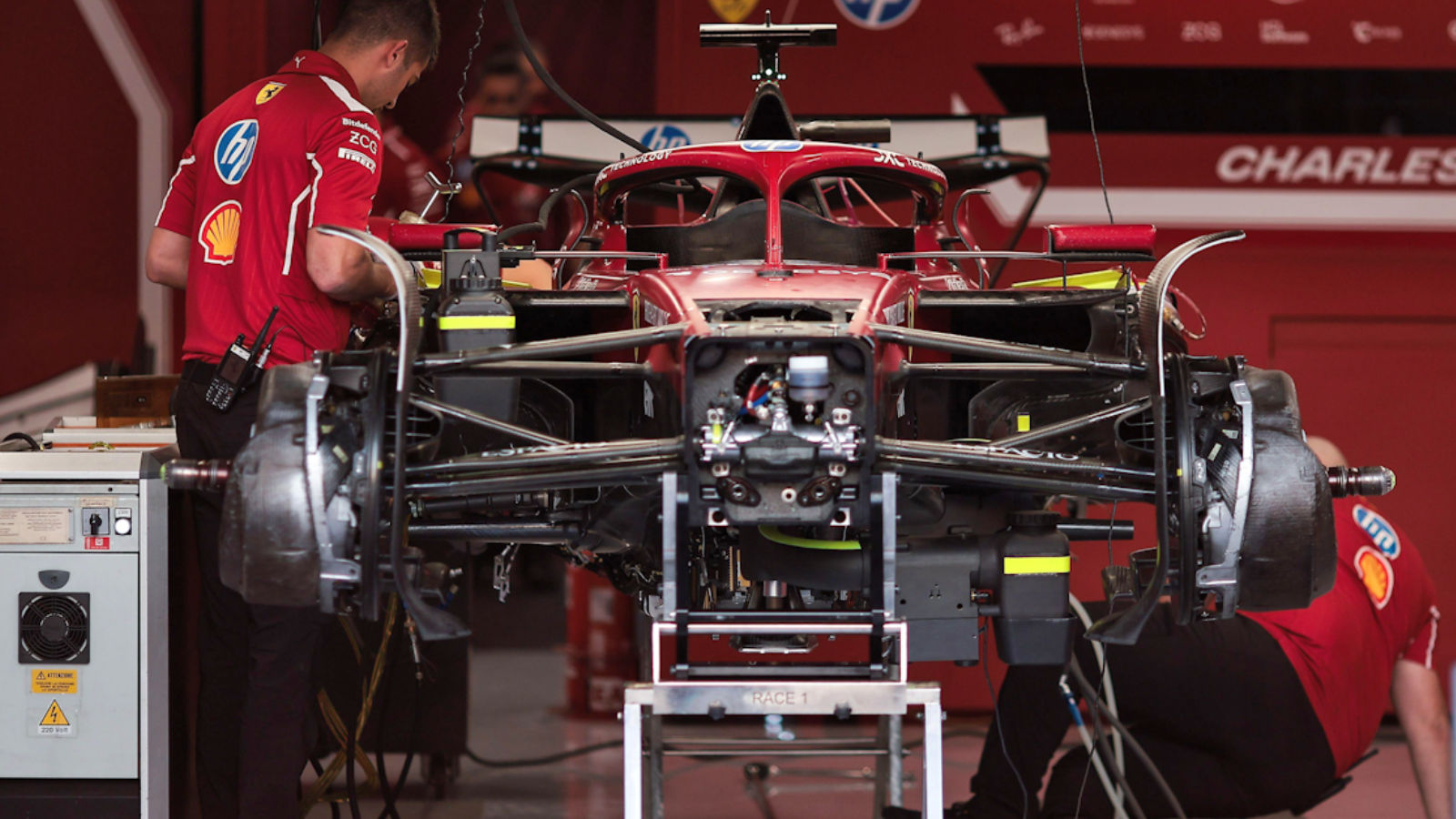
An overview of the SF-25 as it’s prepared on the stands with the outer brake caliper fairing and disc fairing now in place.
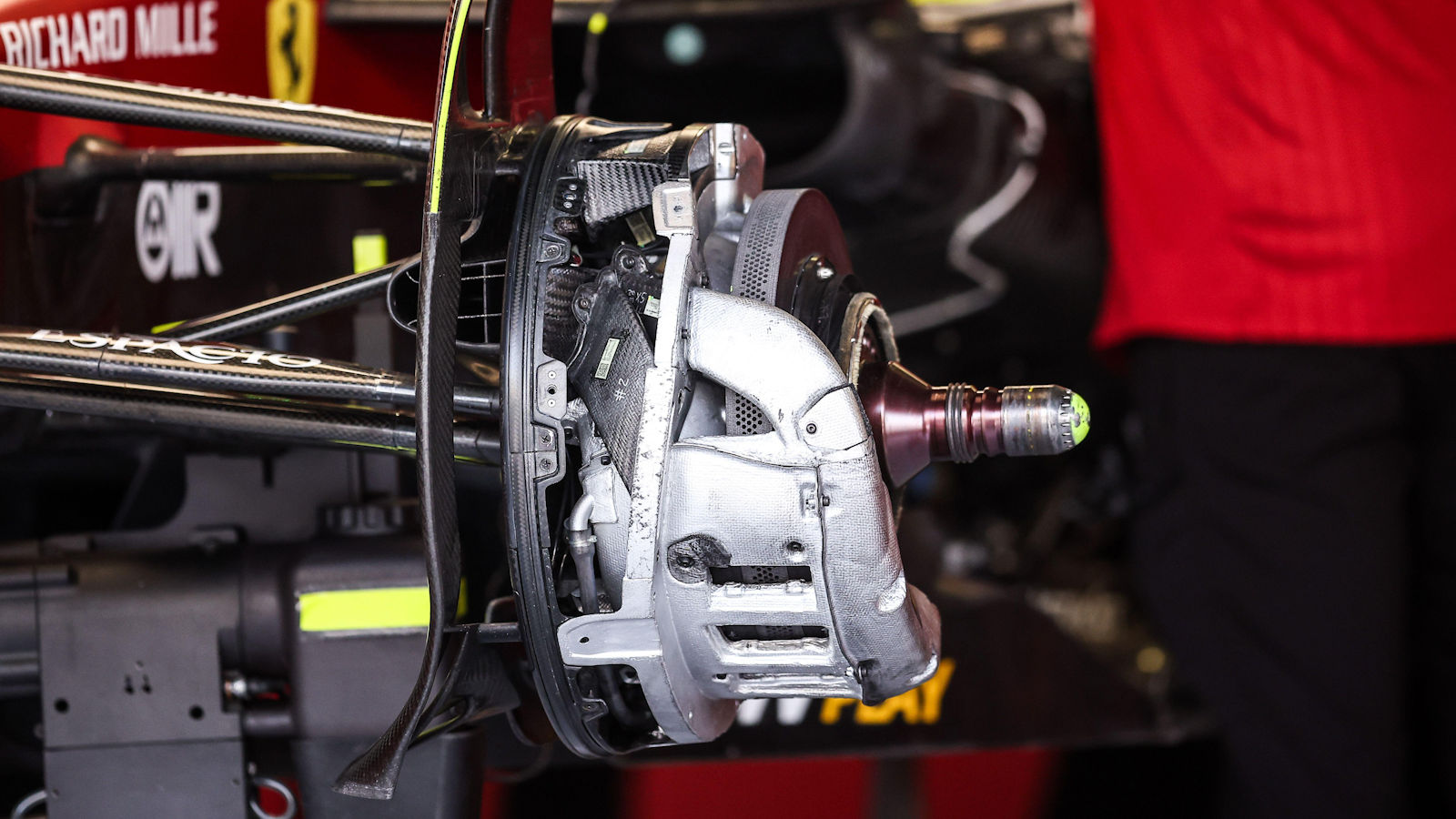
Ferrari opted for a ladder-style fairing for their brake caliper, creating windows around the brake disc to allow the heat being generated under braking the means to escape to the void between it and the outer fairing.
Want to be the first to know exclusive information from the F1 paddock? Join our broadcast channel on WhatsApp to get the scoop on the latest developments from our team of accredited journalists.
You can also subscribe to the PlanetF1 YouTube channel for exclusive features, hear from our paddock journalists with stories from the heart of Formula 1 and much more!
Read next: Has Max Verstappen pinpointed the reason for Lewis Hamilton’s Ferrari struggles?