

MPCC puts Tapentadol and the ‘medicalization of the sport’ at center of efforts as UCI rolls out bio passport crackdown.

(Photo: Gruber Images + Getty)
Updated December 29, 2025 01:54AM
Cycling’s anti-doping group is urging the UCI to clamp down on the “escalating medicalization” of the sport.
In a recent press release, the MPCC sounded warning claxons over a peloton that’s riding high on the hyper-strength opioid Tapendatol and swigging cocktails of performance-boosting, pain-killing chemicals.
“The MPCC is becoming increasingly concerned about an excessive use of medicine in the sport,” reads the note.
“We call upon the governing body to take action against the expansion of the so-called grey area. This grey area includes substances and medical treatments not yet banned by WADA, but which raise serious ethical questions when used by healthy athletes, rather than the sick patients they were developed to treat.”
The MPCC’s new focus on “medicalization” comes soon after the UCI issued its controversial, non-committal stance on ketones.
The governing body recommended in October that riders not use ketones, but did not ban them. The verdict was delivered after years of the MPCC campaigning against the use of these nutritional supplements.
As far as the MPCC is concerned, the UCI cannot waste such time addressing these new medical scourges of pro cycling.
Finishing bottles and high-power painkillers
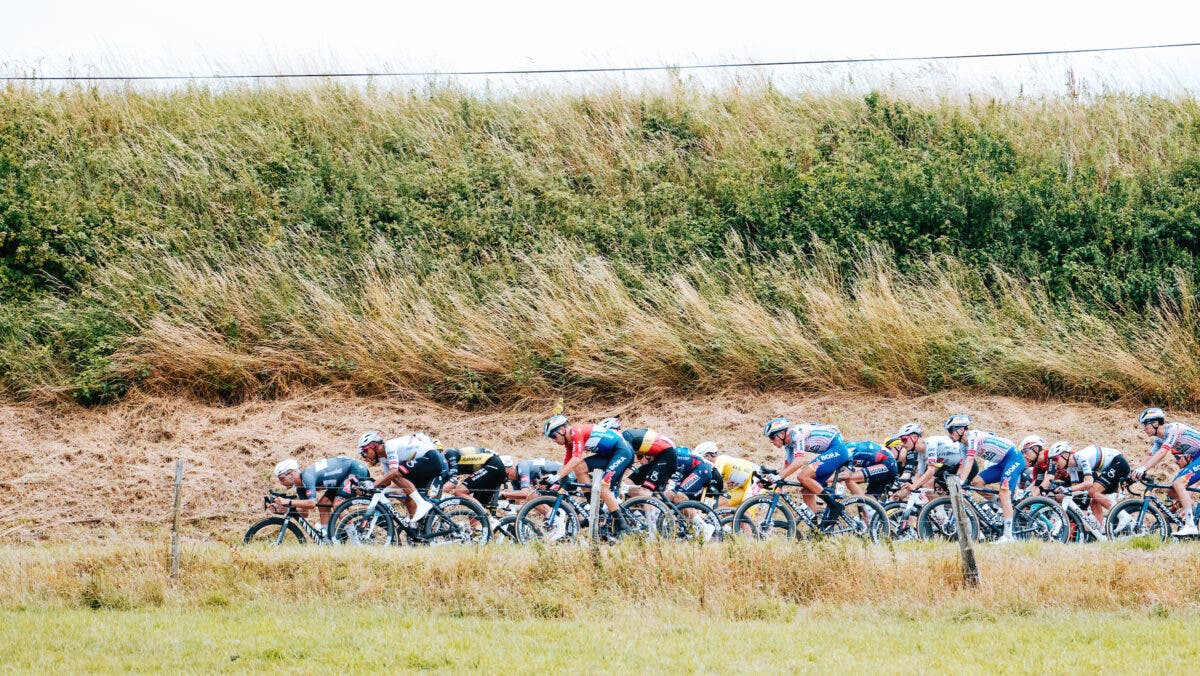 ‘Finishing bottles’ are thought to have been part of pro cycling for decades. (Photo: Gruber Images )
The MPCC “clean cycling” group has long campaigned to remove “grey areas” from the pro peloton.
Unlike its old war on ketones – supplements that were widely and openly used for years – its new targets are more mysterious and potentially more dangerous.
The MPCC resurfaced decades-old concerns of riders slugging finishing shots of painkillers, caffeine, and who knows what else in preparation for the final Ks of a race.
The group also aired its fear of the use of the potent painkiller Tadendatol in the “medicalized” modern peloton.
“The so-called ‘finishing bottle’ rumors are back rife in the peloton. Multiple borderline substances are said to be mixed and passed into the peloton to prepare riders ready for the final,” read the note issued last week.
“Next to this, we face other potential substance abuse with medicine such as Tapendatol, which is up to 10 times stronger than Tramadol [which was banned in competition by WADA after 12 years of lobbying from the MPCC].
“The UCI now has this specific substance under monitoring,” the statement continues. “But must we wait for the result of another lengthy analysis while riders’ health is at risk and crashes are becoming even more prominent?”
MPCC calls for decisive action in midst of UCI bio passport crackdown
 The MPCC wants fast action from the UCI, in contrast to the governing body’s drawn-out consideration of ketones. (Photo: Gruber Images)
The MPCC’s statement arrives hot off the back of the UCI’s renewed clampdown on athletes with biological passport abnormalities.
The provisional suspension of Red Bull rider Oier Lazkano in October marked the start of a series of sanctions for athletes with irregularities in their anti-dope profiles.
The MPCC called on the UCI to be similarly authoritative in response to the rise of new “grey areas” in an increasingly sophisticated sport.
“Cycling needs the UCI to act quickly and decisively to protect both the sport’s credibility and the health of the peloton – so that no athlete feels forced to take questionable products merely to keep up,” reads the statement.
“The lengthy timelines of anti-doping processes without quick and concrete action leave space for various substances to be debated each year. This allows athletes to continue using them despite the unanswered questions surrounding their health or performance-enhancing effects,” the MPCC’s note continued.
The UCI responded to the MPCC’s concerns over ketones with a drawn-out investigation that delivered a nothing-burger of a conclusion.
If finishing bottles and Tapendatol are being passed through the pro peloton, they may continue to be so a little while longer.
Velo reached out to the MPCC for further comment, but has yet to receive a response.