
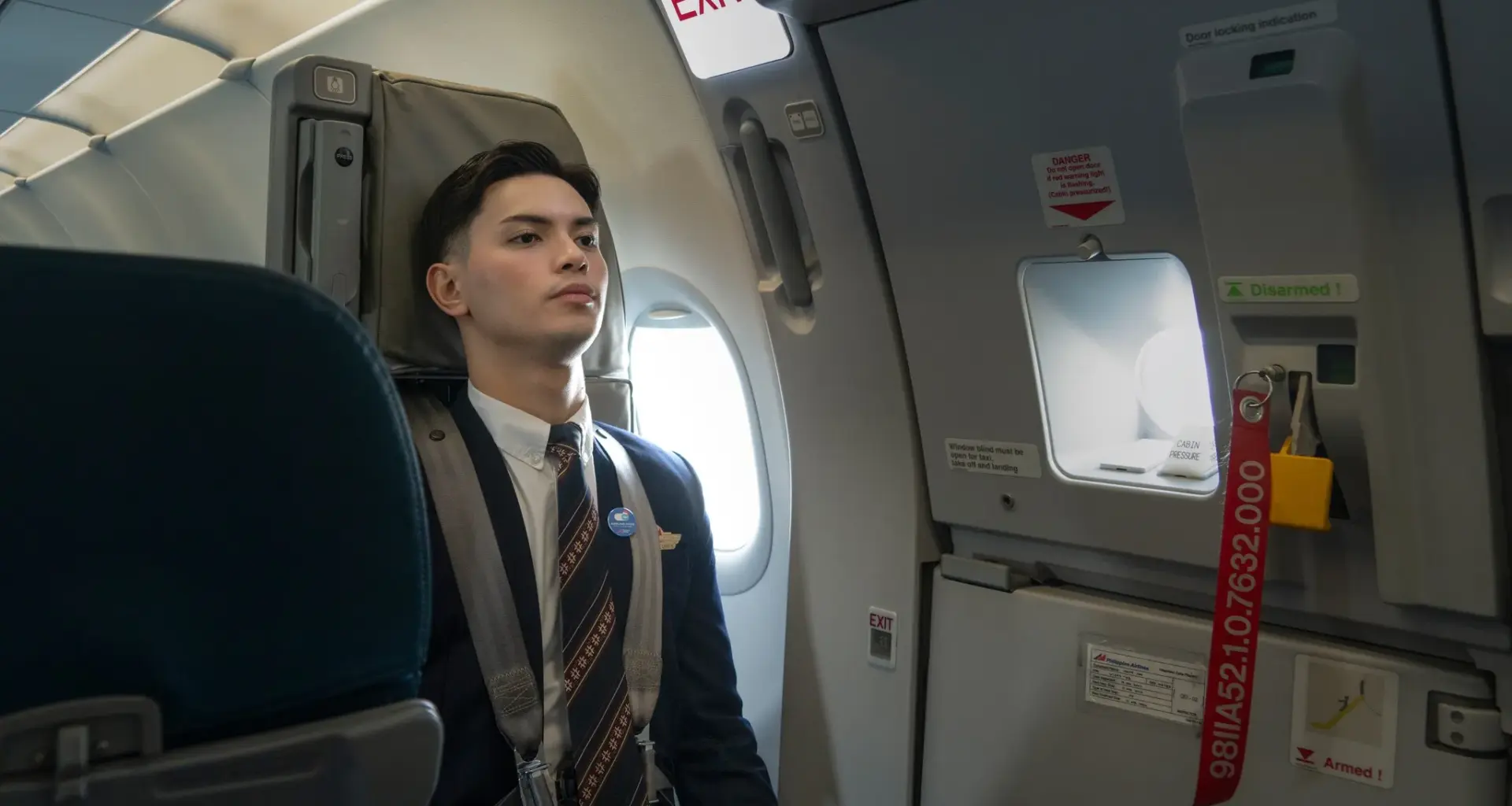
Hamburg has become a focal point in discussions around long-haul narrowbody operations as the Airbus A321XLR reshapes airline network planning and onboard crew logistics.
With flights stretching close to 11 hours, airlines such as Iberia operating from Madrid and American Airlines (AA) from New York (JFK) now face a critical operational question: how to manage cabin crew rest without traditional rest compartments.
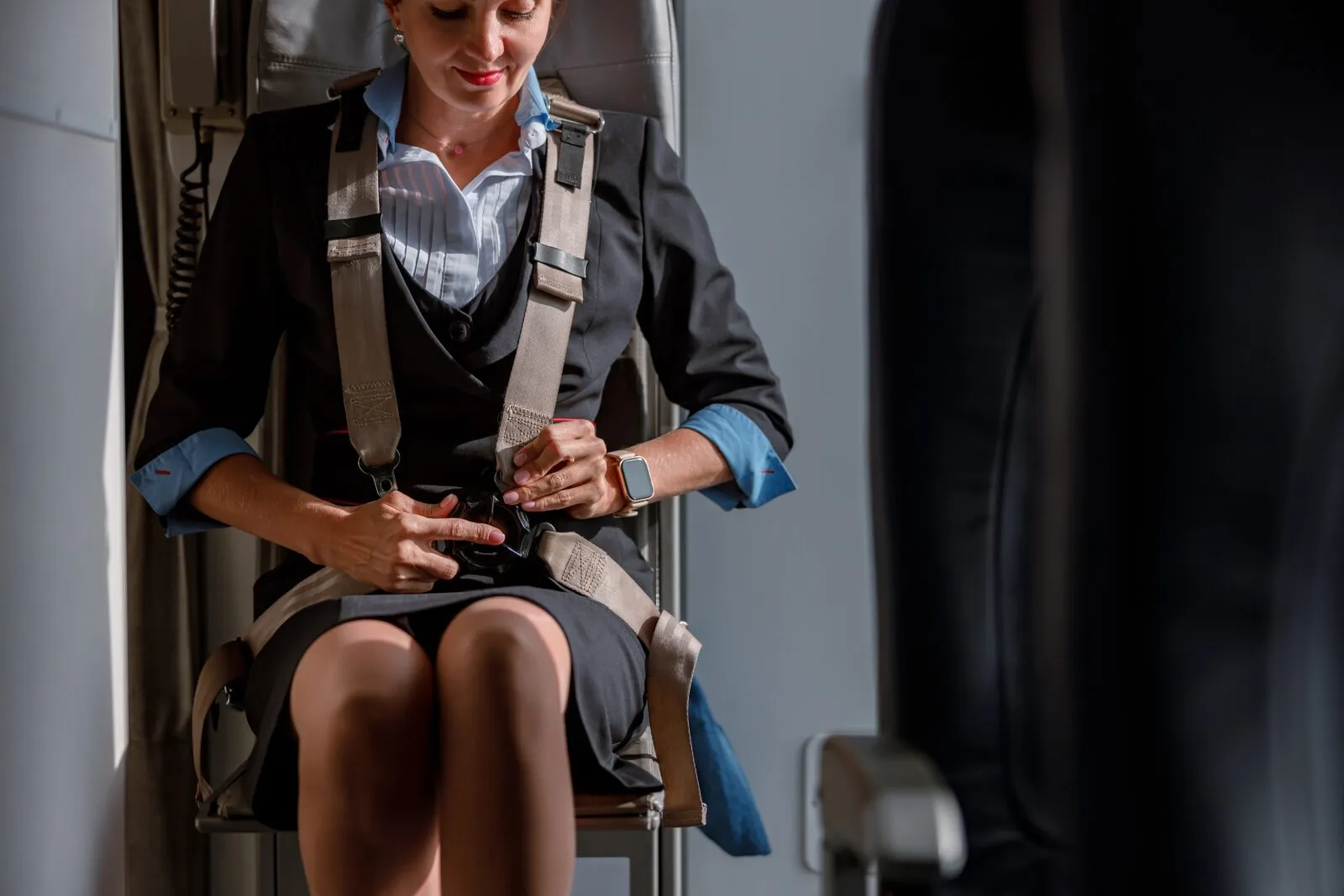 Photo- Shutterstock
A321XLR Crew Rest Places
The Airbus A321XLR introduces long-range capability to a single-aisle platform, but it does so without the dedicated crew rest areas found on widebody aircraft.
As airlines deploy the type on transatlantic and extended thin routes, crew rest planning has emerged as a safety, regulatory, and economic consideration rather than a comfort-driven one.
Crew rest refers to a regulated period during flight duty when pilots or cabin crew step away from active service to mitigate fatigue.
On widebody aircraft, this usually involves enclosed compartments with bunks that meet specific regulatory standards tied to flight length and duty limits.
Aviation authorities classify crew rest into three categories, ranging from fully enclosed bunks to standard reclining seats.
Longer flight duty periods require higher-class facilities, while medium-duration flights allow rest in curtained or designated cabin seating. The A321XLR’s typical mission profile places it near the upper edge of these limits, SimpleFlying reported.
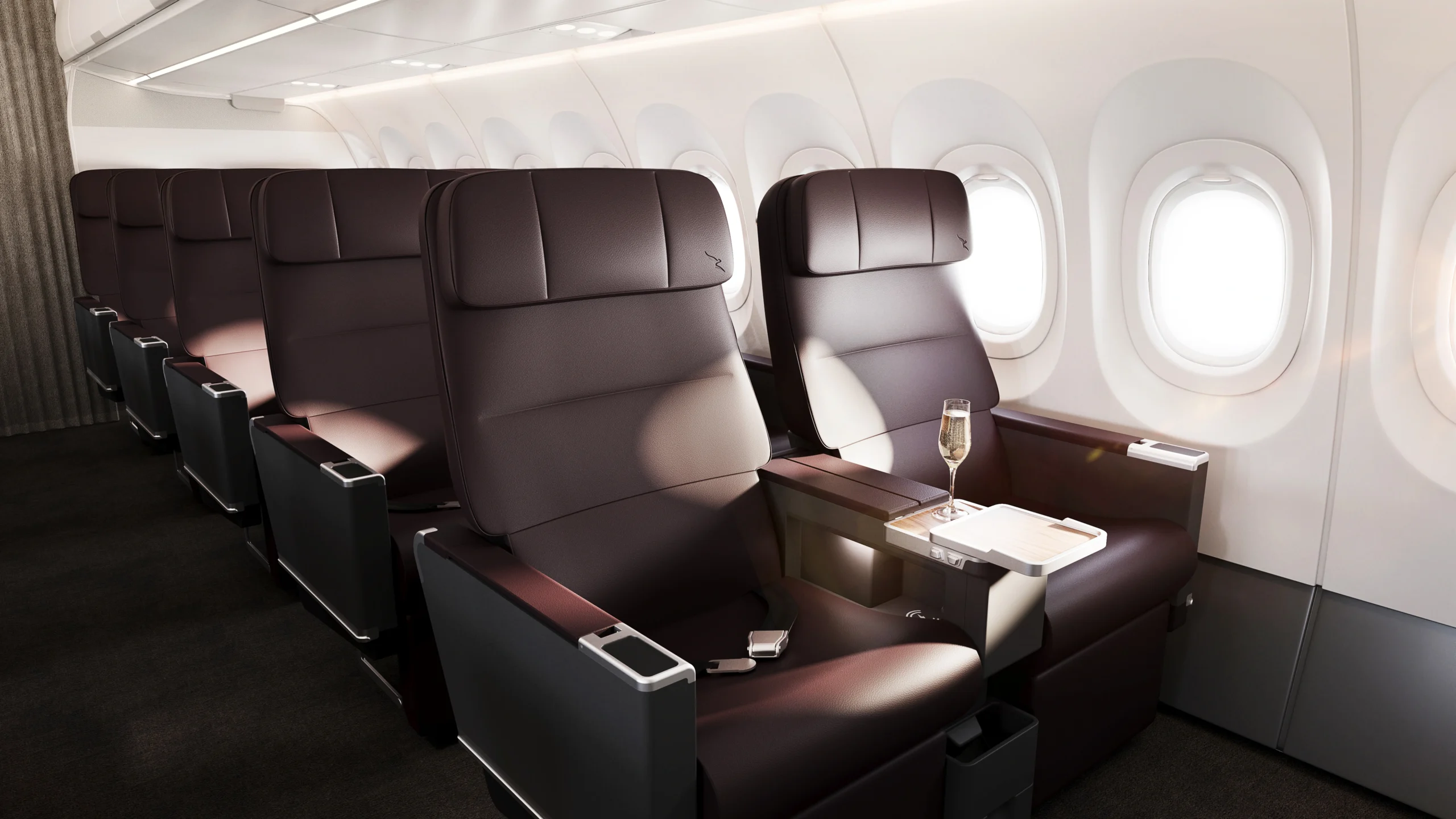 Photo: Qantas
A321XLR Solutions
The Airbus A321XLR does not include a built-in crew rest compartment, as floor space and payload efficiency remain priorities. Most operators plan missions between eight and eleven hours, which often fall short of mandating enclosed bunk facilities.
In practice, airlines may allocate curtained economy rows or a single lie-flat business class seat for flight crew rest. A third pilot may be required on longer sectors, rotating duties every few hours while resting for approximately 90 minutes.
Cabin crew typically remain within allowable duty limits without additional staffing. Manufacturers have proposed alternative solutions to address this gap.
Modular concepts developed for narrowbody aircraft place fold-out rest beds near forward galley areas, minimizing lost seating while offering short-duration rest.
These designs aim to balance regulatory compliance with revenue protection.
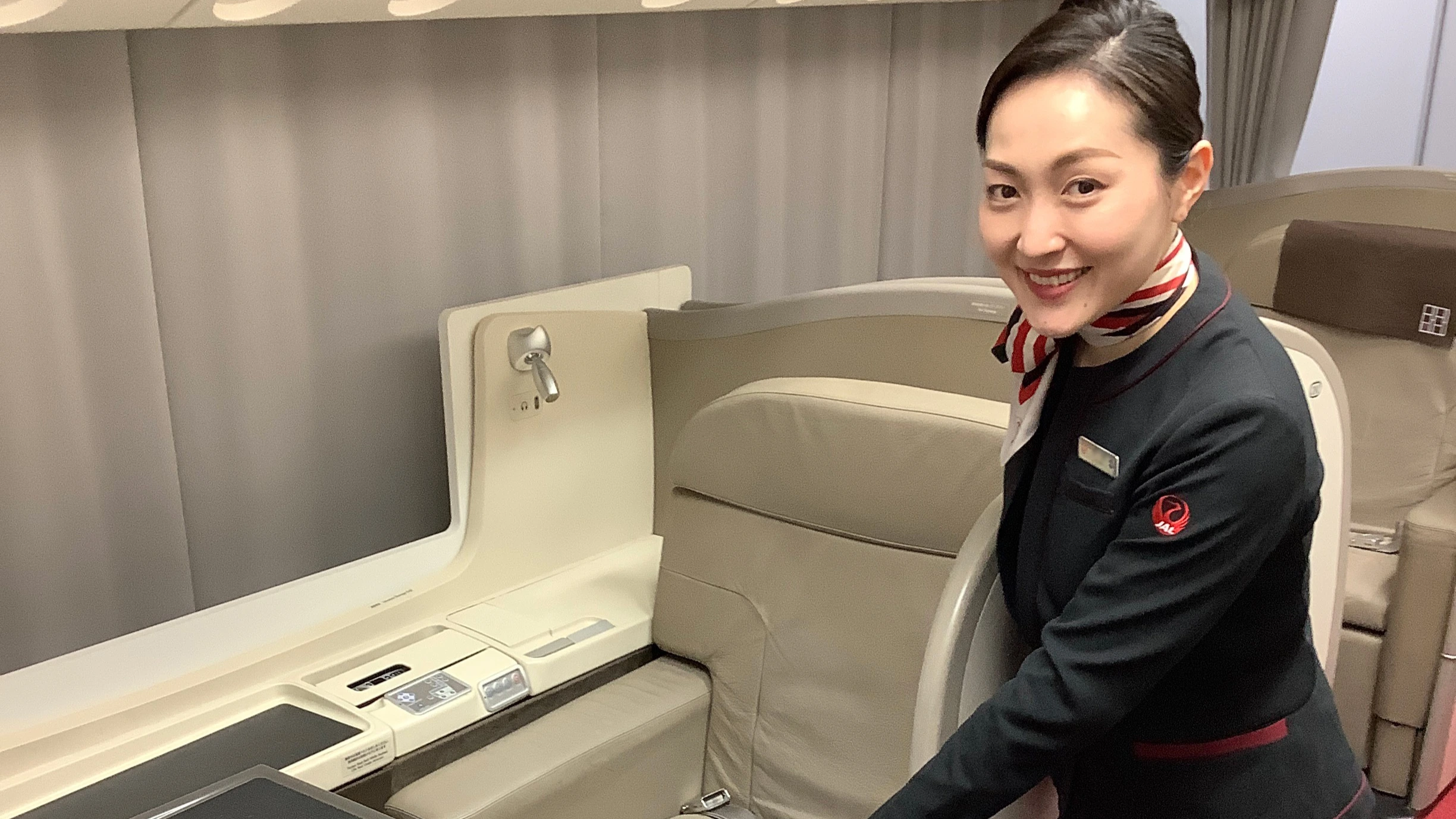 Photo: Japan Airlines
Operational Challenges
Crew rest on long-haul single-aisle flights presents trade-offs. Using revenue seats for rest reduces sellable capacity, while modular solutions can limit galley space and complicate emergency procedures.
Another concern lies in crew perception. While airlines value the A321XLR’s lower fuel burn, reduced emissions, and route flexibility, flight and cabin crew face extended duty periods with less privacy and comfort than on widebody aircraft.
These human factors continue to influence operational acceptance.
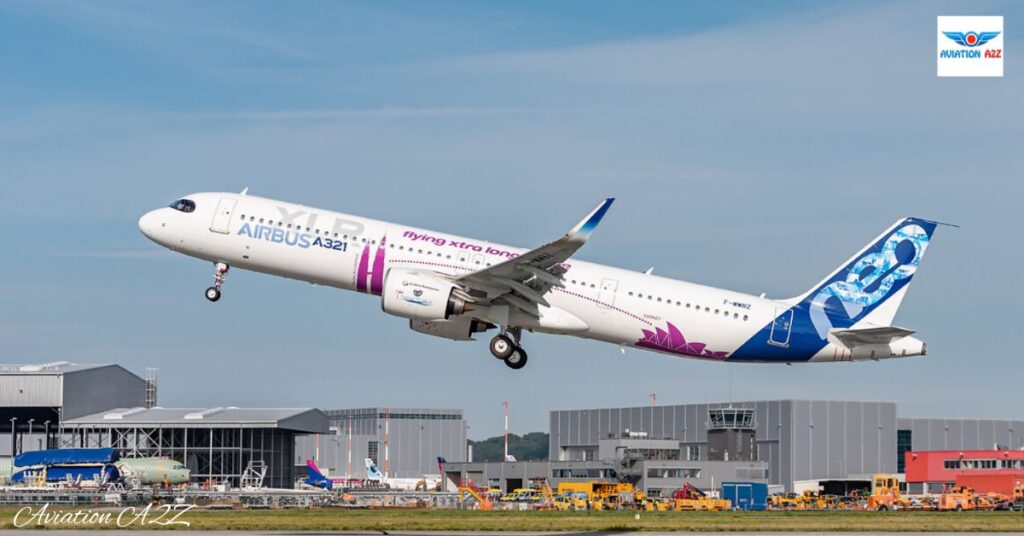 Photo: Airbus
Regulatory Duty Limits
Crew rest planning on the Airbus A321XLR is governed primarily by flight duty time limitations rather than cabin design preferences.
Aviation authorities set maximum duty periods based on sector length, time of day, and crew composition, which directly influence whether formal rest facilities are required.
For flights approaching 10 to 11 hours, airlines typically remain within thresholds that allow rest in designated or curtained seats instead of enclosed bunks.
This regulatory flexibility enables operators to deploy the A321XLR on long sectors without installing permanent crew rest compartments, provided fatigue risk management and duty rotation rules are strictly followed.
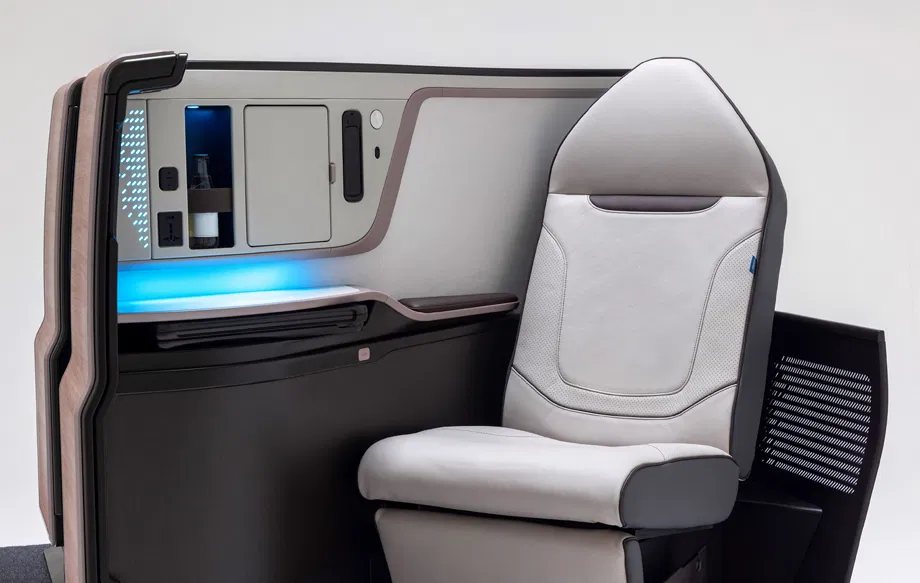 Photo: Adient
Bottom Line
The Airbus A321XLR enables airlines to fly routes once reserved for twin-aisle jets, but it forces a rethink of crew rest practices.
Airlines must balance regulation, safety, and economics as narrowbody long-haul flying becomes more common.
Crew rest solutions will likely remain pragmatic rather than luxurious, shaped by duty limits rather than design tradition.
Stay tuned with us. Further, follow us on social media for the latest updates.
Join us on Telegram Group for the Latest Aviation Updates. Subsequently, follow us on Google News