
This week we will mostly be concerning ourselves with the supply of money, being hung out to dry and a few wishes for the year ahead…
What if the Prem plan doesn’t work?
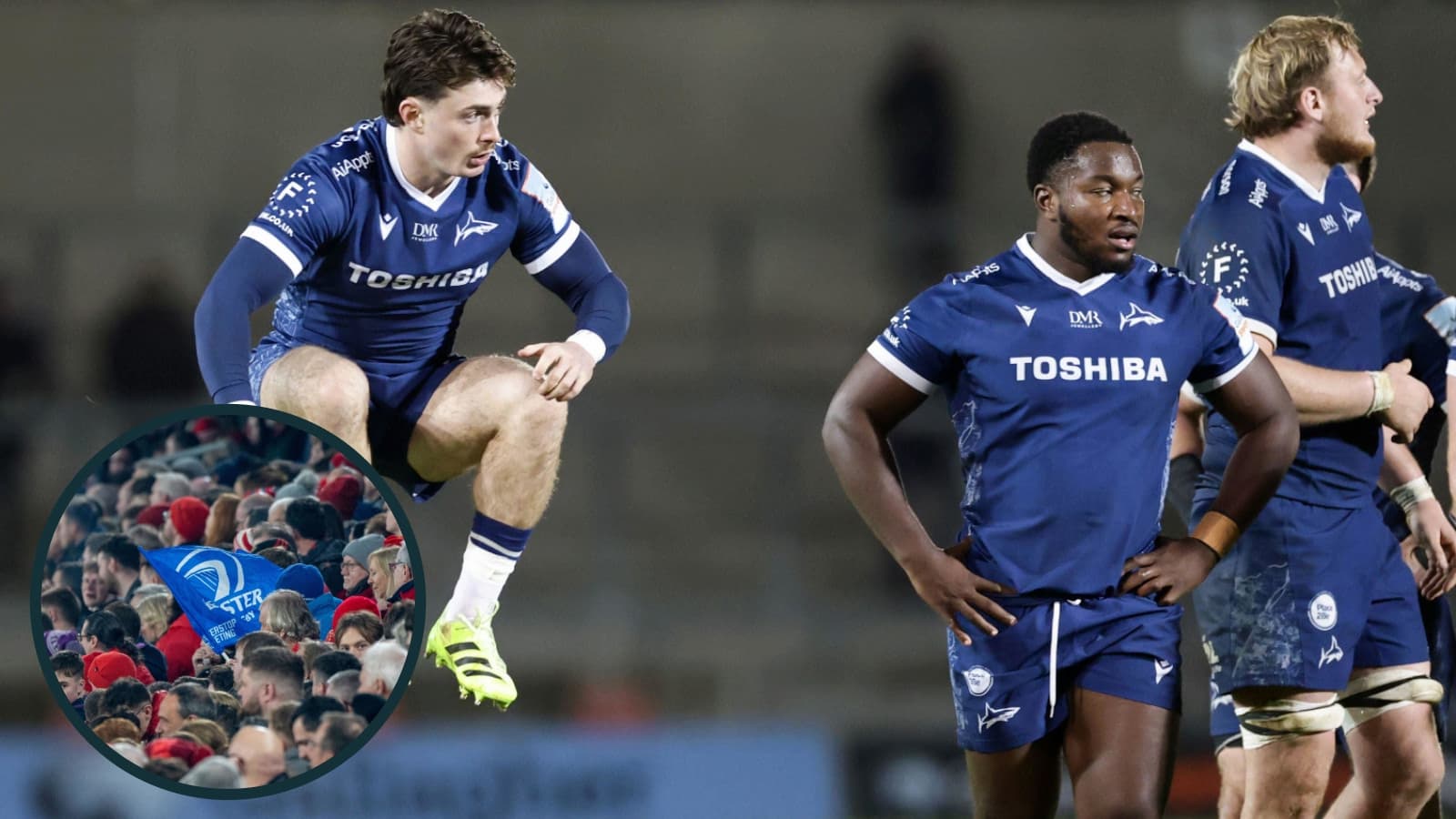
The most concerning aspect of the Sale squad’s midweek meeting with the club owners this week was not the run of form that preceded it. Rather it was the numbers that preceded it. GBP 8m is a heck of a lot of money to lose on anything, never mind simply to keep a rugby club afloat. But that was the annual result shown in Sale’s most recent accounts. To put that into perspective, Sale’s annual loss is 120 per cent of the annual base salary cap for the entire squad.
Imagine a company making an operating loss to the value of 120 per cent of its annual wage bill? We can, but not a company that would be operating next year. But then such losses are the nature of the industry; the 10 clubs in the Prem made a loss of GBP 32m combined according to preliminary figures released this week. Rising costs, squeaky tight margins, covid loan burdens, continued reliance on benefactors with deep pockets, all are haranguing one or the other Prem clubs.
Newcastle were thought to be on the brink of going the same way as Wasps, London Irish and Worcester before Red Bull gave them wings, and added depth in a couple of other positions as well. Harlequins’ losses are put at around half the salary cap; that’s a side that, unlike Sale, has a long, famed, and well-established fan base, densely-populated catchment area and draws an average home gate of roughly double that of Sale.
Small wonder then that the Prem is all but certain to scrap relegation this season, ostensibly in order to safeguard its money-losing teams from the financial ardours of relegation, while at the same time draping itself suggestively in equity shop windows and hoping for some well-heeled – preferably American – custom. And given that the product is, currently at least, both attractive and English-speaking, it may well get it. Few things get such deals moving forward like a common language of communication.
But those numbers, while not totally surprising, should make one thing clear: if that custom is enticed to a different shop window over the next few months, there are few other possibilities out there. It’d be nice to know if there’s consideration being given to a Plan B.
Baptism of fire
If you are going to devote the time and resource to becoming a professional referee, it’s going to be at least in part driven by the desire to be the whistler in those big games: World Cup Finals, Six Nations deciders, European crunch knock-outs, play-offs, derbies.
That dream came true early in the career of the 27-year-old Peter Martin at the weekend as he took charge of a Munster v Leinster clash laden with subplots and scores to settle after Munster’s surprise win in Dublin earlier in the season. Seasoned referees would have had to breathe deep and settle the nerves, to call on the reserves of experience, would have had an inkling that it could be a task that proved thankless.
The relatively green Martin never stood a chance. The two teams tore into each other, trying every sly trick in the book at every breakdown along with implementing some pretty aggressive defensive plans and limited attacking plans. It required a level of experience that Martin simply could not have been expected to have.
It was his misfortune to adjudge Alex Nankivell’s potentially scoring pass forward when it probably wasn’t, but he’s not the first referee to do that – Wayne Barnes has a story about being wrong about forward passes and he turned out ok. If more scrum penalties should have gone to Leinster, more ruck penalties should have gone to Munster. Swings and roundabouts in a game where both teams sought advantage by both hook and crook. In the end, Martin could only referee what was in front of him, which was a pig of a game. An intense pig, a nuanced pig, a technically awkward pig, but a pig nonetheless.
So blaming him, to the extent that has been done so, for the game’s poor quality is a bit rich from all concerned. Perhaps instead point the finger at the well-meant but ill-conceived selection process that put a rookie in charge of this game in the first place.
2026?
What do we want for 2026? A more settled feel to the game for one, with less law-tinkering (and associated soap-boxing) and league-tweaking and more continuity.
A resurgence for Wales would be nice; if the problems are of their own making, so be it, but it feels wrong not to have a strong Welsh team in rugby; the same goes, to an extent, for Australia.
Want more from Planet Rugby? Add us as a preferred source on Google to your favourites list for world-class coverage you can trust.
A revamp of the club fixture calendar (says the guy who asked for continuity – Ed.) which gives us a logical and smooth transition between competitions and allows European (and African) competition to flourish again.
A ruck, between two sets of the gnarliest and most disturbingly quiet forwards around, forming over Henry Pollock. With all the oldest heads doing the pulse celebration after it.
But most of all, for all the readers of Loose Pass, we wish a happy, healthy and prosperous 2026 to you all.