
The attention towards traditional watches, nor the discussion around them, has ever been more lively. Once upon a time, it was strictly specialised media relaying the latest novelty news to the select few who would hear it. Today, however, the number of established players in watch media has increased, and, as a result, the audience for watches has vastly grown as well.
As the number of watch enthusiasts increases, the number of voices participating within the community has increased as well. With more and more individuals entering the mix each day, their passion for watches inevitably leads to content creation around them. Whether more humble and personal with the occasional “#wotd (watch of the day) wrist-shot” and caption or more elaborate with YouTube, Instagram, and TikTok multi-media content at higher and higher velocities that stoke the flames of horological discussion at all hours around the globe, there is undoubtedly more noise and buzz around watchmaking.
It is incredible to see the watch community exponentially grow each year. The interest in undoubtedly obsolete yet fascinating timekeeping objects, which blend the worlds of art, design, and science, is still fascinating and becoming an obsession of a new generation. But with this heightened participation and buzz means there is more noise to filter through.
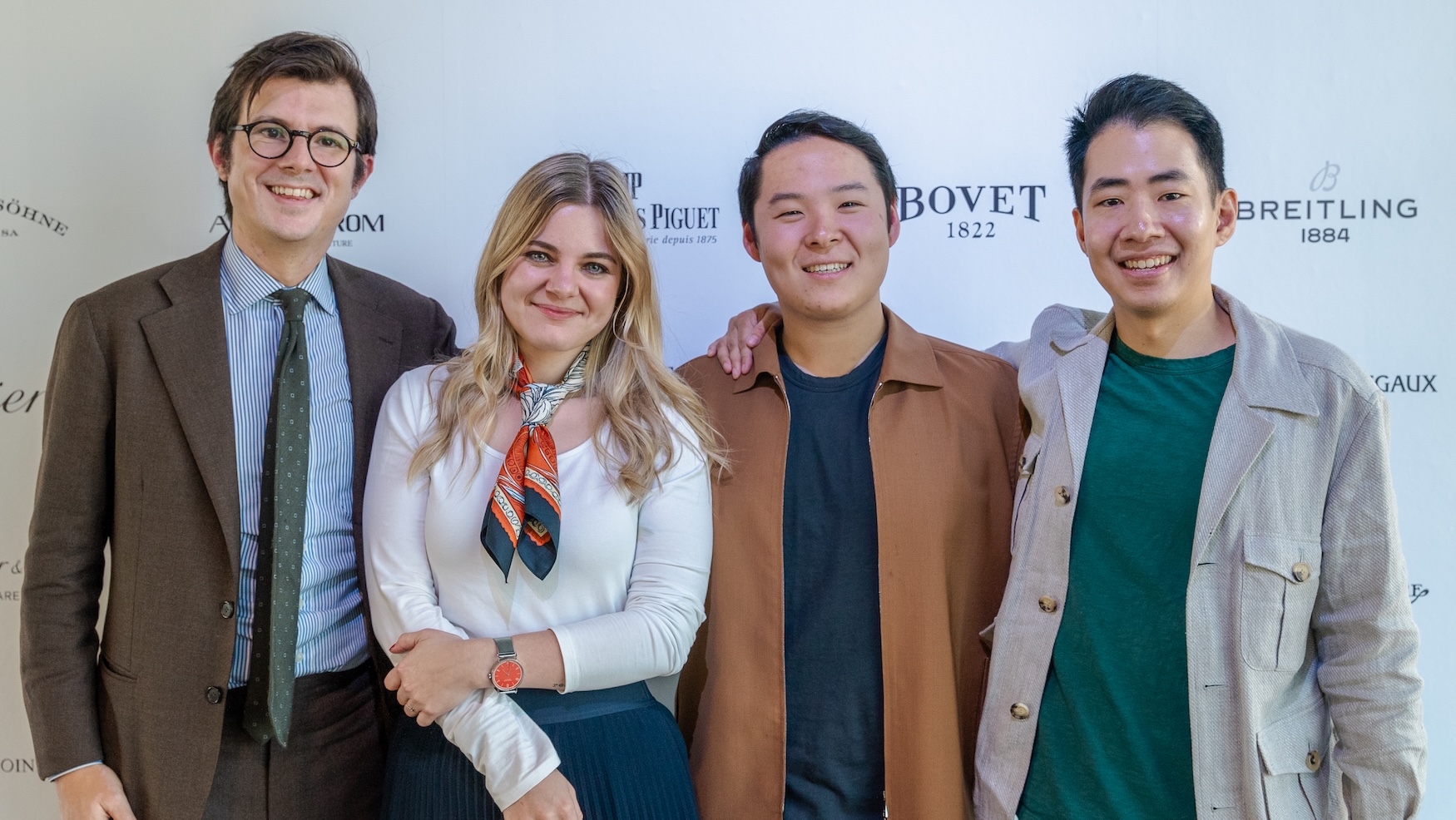
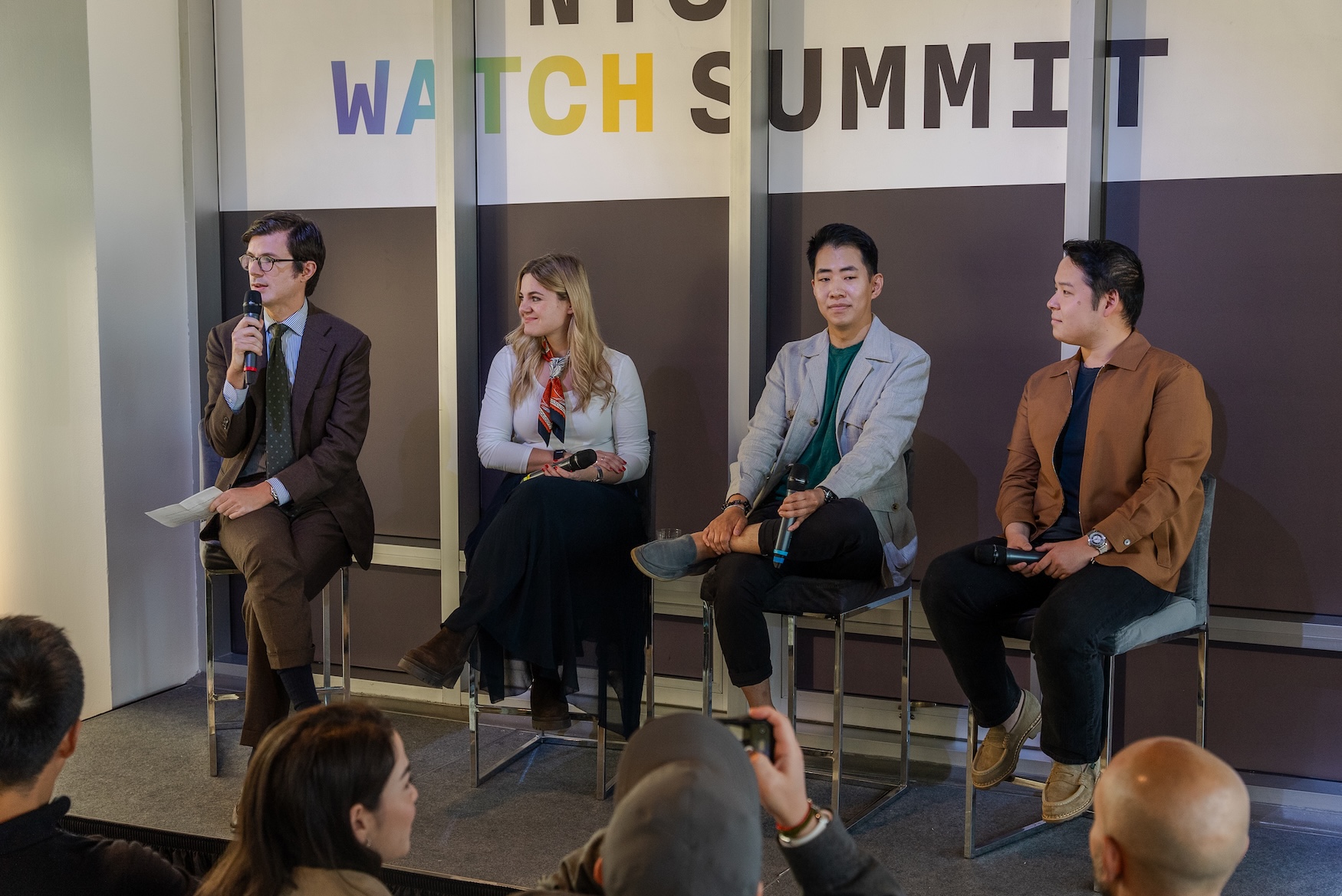
In the Forum’s concluding panel, “Myths and Misconceptions in Watchmaking,” featuring Ines Hatzmannsberger, International Communication, Nomos Glashütte; James Kong, COO of Fleming and @waitlisted; TanTan Wang, Editor at Hodinkee; moderated by Tim Jeffreys, Deputy Editor of Editorial at Hodinkee, together, they examined the enduring role of storytelling in shaping modern watch culture and how it can both illuminate and mystify the world of luxury watchmaking.

Two key funnels for information about watches were called out in the discussion. The first is the brand’s own communications on its various platforms, and the second is “enthusiast press” platforms like Hodinkee, which are, admittedly, dependent at times on the brand’s communications. Depending on the transparency and clarity of the source information, it can cause a game of telephone in which, by the time the information reaches the target audience, elements of misinformation can arise.
“We want to educate, and we want to entertain,” says TanTan Wang. “So how do you actually balance that without being unfaithful to representing what you’re actually talking about?” With each brand “speaking its own language”, TanTan points out the Rosseta Stone-like translation watch press must master, translating the information into ”plain English.” The constant communication the digital age affords has led to certain cultural rhetorics, or unwritten rules that have since proven to be misconceptions. One such example is the idea that “in-house” always equates to better, when in reality, there are nuances to what in-house or “manufacture calibres” actually mean. If such terms are misunderstood or misinterpreted, then how can anyone be sure-footed in their praise or criticism of a watch?
Despite the best efforts of all participants within the information ecosystem, an anecdote from Ines Hatzmannsberger suggests that some realities and inherent complexities and nuances lead to inevitable confusion.
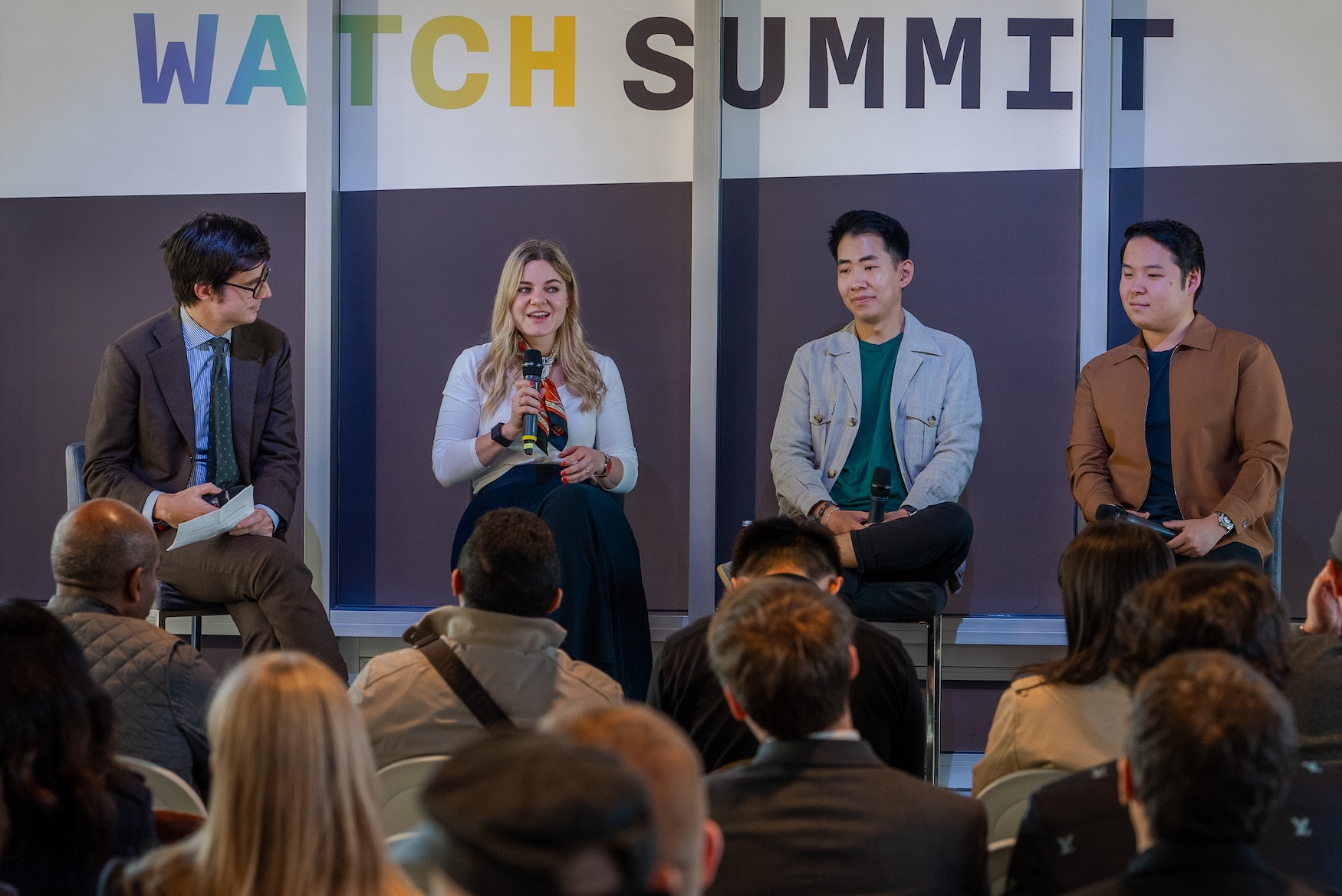
Nomos is one of 10+ brands located in Glashütte, and the close proximity of the manufactures, and usage of the region in their names has resulted in surprisingly frequent mixups. “Many people think Glashütte is a brand. Glashütte is a town in Germany. A very small town, only about 2000 people live there, but it is a town,” Hatzmannsberger explained.
The result of this point of confusion surprised attendees of the event. “Every other week”, according to Hatzmannsberger, Nomos receives watches that are mistakenly sent to the manufacture. In particular, many Glashütte Original owners have sent their timepieces for servicing, not realising they have sent their watch to the wrong location. Fortunately, as a small town, it is not a terrible inconvenience to walk it over to the right manufacture.
Ultimately, the panellists all agreed that the industry needs balanced storytelling that is both engaging and accurate, with the complexity and nuance of watchmaking properly considered and relayed to worldwide audiences of watch media.
All images courtesy of the Fondation Haute Horologerie