

Given its potential impact on the creative industry, it’s no surprise that there is a lot of talk around the subject of Artificial Intelligence. What has taken many people by surprise, myself included, is the speed with which AI has hit the mainstream; only three or four years ago, even the term ‘AI’ didn’t mean much to me beyond a sci-fi cliché, and the occasional passive reference in the specifications of photo-editing software.
And yes, so-called ‘intelligent’ features have been present in applications like Adobe Photoshop for a while, but at nowhere near the level of sophistication we’re seeing today. Compared to apps like Firefly and ChatGPT, they’re chalk and cheese.
You may like
Since the dawn of generative AI, most of the conversation has been focused on the potential negative consequences for photographers – if it will take our jobs or render cameras redundant – but there has been relatively limited discussion about how the use of AI can enhance how we take images.
It’s important not to forget that all AI models are trained on content created by humans. In other words, using all of the web as its inspiration, AI is actually geared to offer an overview of how humanity interacts with the world and how this makes us feel: the Human Condition.
As a framework for testing how ChatGPT responds to my prompts, I’m looking for each answer to hit one of three pillars: honesty, breadth of analysis and understanding. Honesty is fairly self-descriptive – how much does it tell me what I might not want to hear?
You may like
Question 1: basic query
Can you critique this cityscape image from my portfolio?
I thought I’d start by giving ChatGPT as little direction as possible. I uploaded an example image in isolation, introducing myself to the algorithm, as it were, and let the AI pick which elements it thought worthy of analysis. Its first response was typically upbeat.
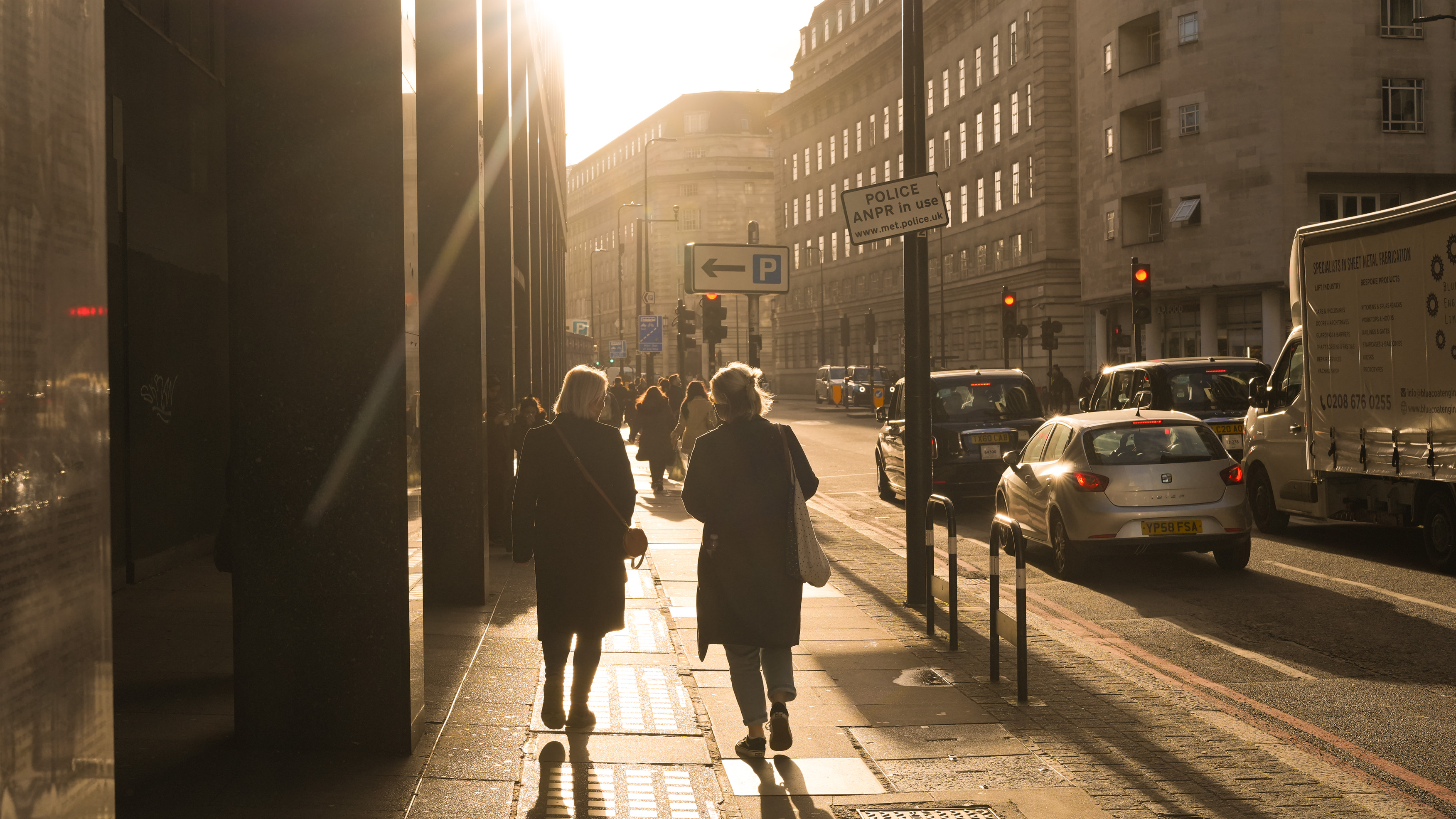
The first image I uploaded to ChatGPT was a fairly simple street scene (Image credit: Future/ Peter Fenech)
“Thanks for sharing this—there’s a lot working very well here.”
Thanks! However, if I were talking to a human, I’d be expecting a ‘but’ to follow. I was pleasantly surprised.
“The lighting is the standout strength of this image. Golden-hour backlighting creates a warm, atmospheric mood and gives the scene a strong sense of time and place. The low sun adds depth through long shadows and rim light around the figures. The flare and haze feel intentional rather than distracting. They soften the scene and enhance the cinematic quality. Highlights are well controlled overall. The sunlit pavement is bright but not blown out, which suggests good exposure discipline.”
I can already make an interesting observation: ChatGPT can identify which characteristics of my shot other humans are likely to find attractive. I’d expected it to start with the technical aspects, such as my choice of shutter speed, metering mode, and f-stop (later, it did identify that the camera – a Sony A7 V – must have a good dynamic range), but instead it honed straight in on the aesthetics.
This is definitely a human-like reaction. When was the last time you showed someone an image and the first thing out of their mouth was “I love your choice of ISO”? It’s far more likely they’d reference the sunlight, the shadows, how autumnal the image looked, or what it made them feel. I then got my first bit of gentle criticism.
“One small consideration,” ChatGPT begins, like a friend who’s afraid to hurt my feelings. “the brightest area near the top center pulls the eye quite strongly. That’s not necessarily a flaw, but slightly reducing highlight intensity there (either by framing or post-processing) could help keep attention more firmly on the pedestrians”.
Hmm, okay, I take the point. I wanted to introduce a hazy wash of light, so it was intentional, but at least the AI seems to have guessed this was the case. Other suggestions included cropping in a little tighter using a telephoto lens, a trend we’ll discuss again soon, and lifting the shadows on the left of the frame. Overall, this response managed to hit two of our three pillars, Honesty and Breadth.
ChatGPT feedback: This is a strong, confident street photograph with a cinematic feel. The light is used deliberately, the composition feels thoughtful, and the technical execution supports the story
My impressions: ChatGPT is capable of seeing an image from the viewer’s perspective, but given a generic prompt, it’s likely to keep feedback generic.
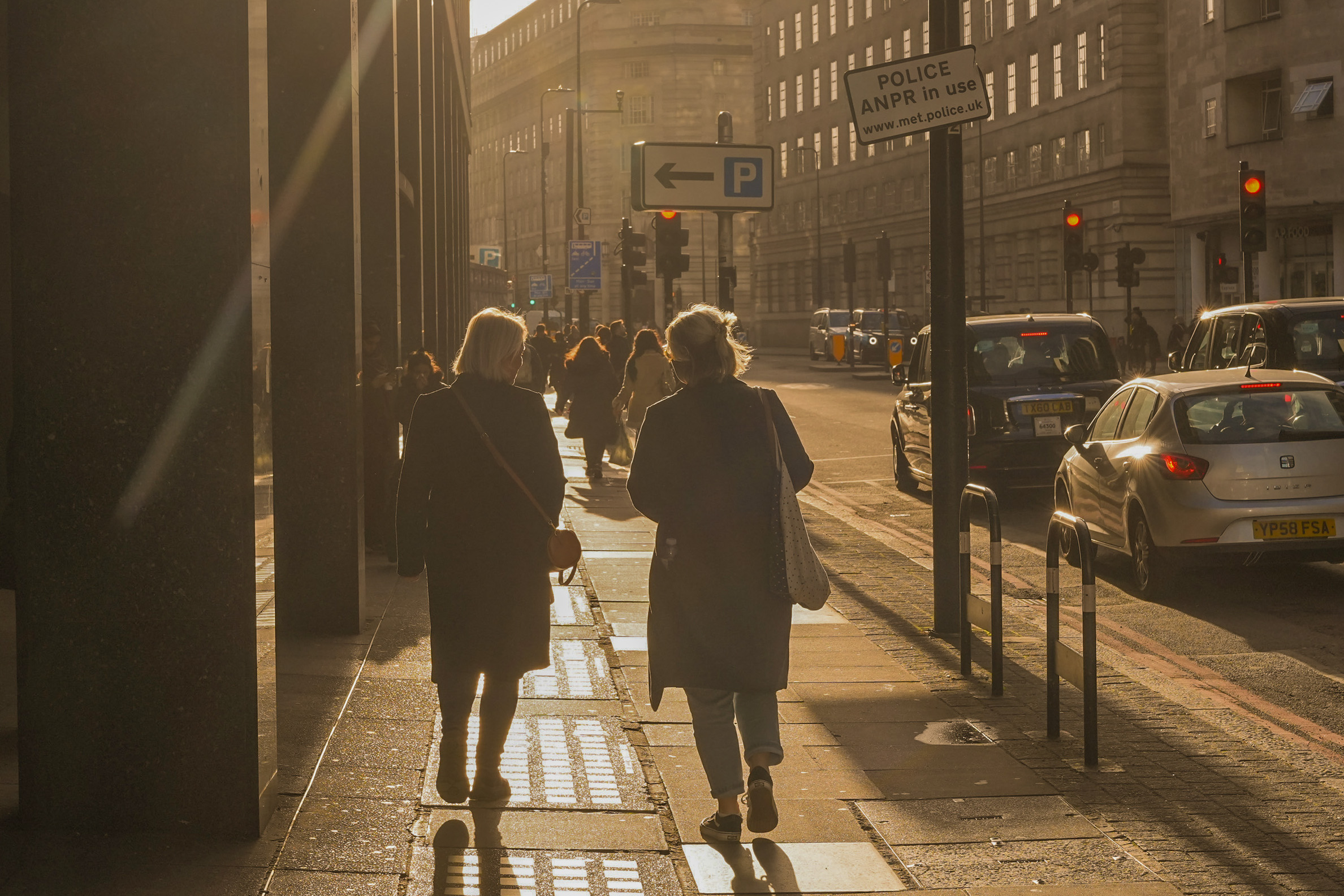
The same image with the amendments suggested by ChatGPT, including a closer crop and toned-down highlights (Image credit: Peter Fenech)Question two: chasing criticism
Give me a review of my cityscape photo. Tell me what you think about the quality of the lighting, the composition, and the technical considerations such as my choice of shutter speed, aperture, white balance etc. What can I do better?
Next, I provided a prompt with greater specifics of the parts of an image on which I wanted feedback. With this question, I was looking for harsher criticism on areas I might not have considered.
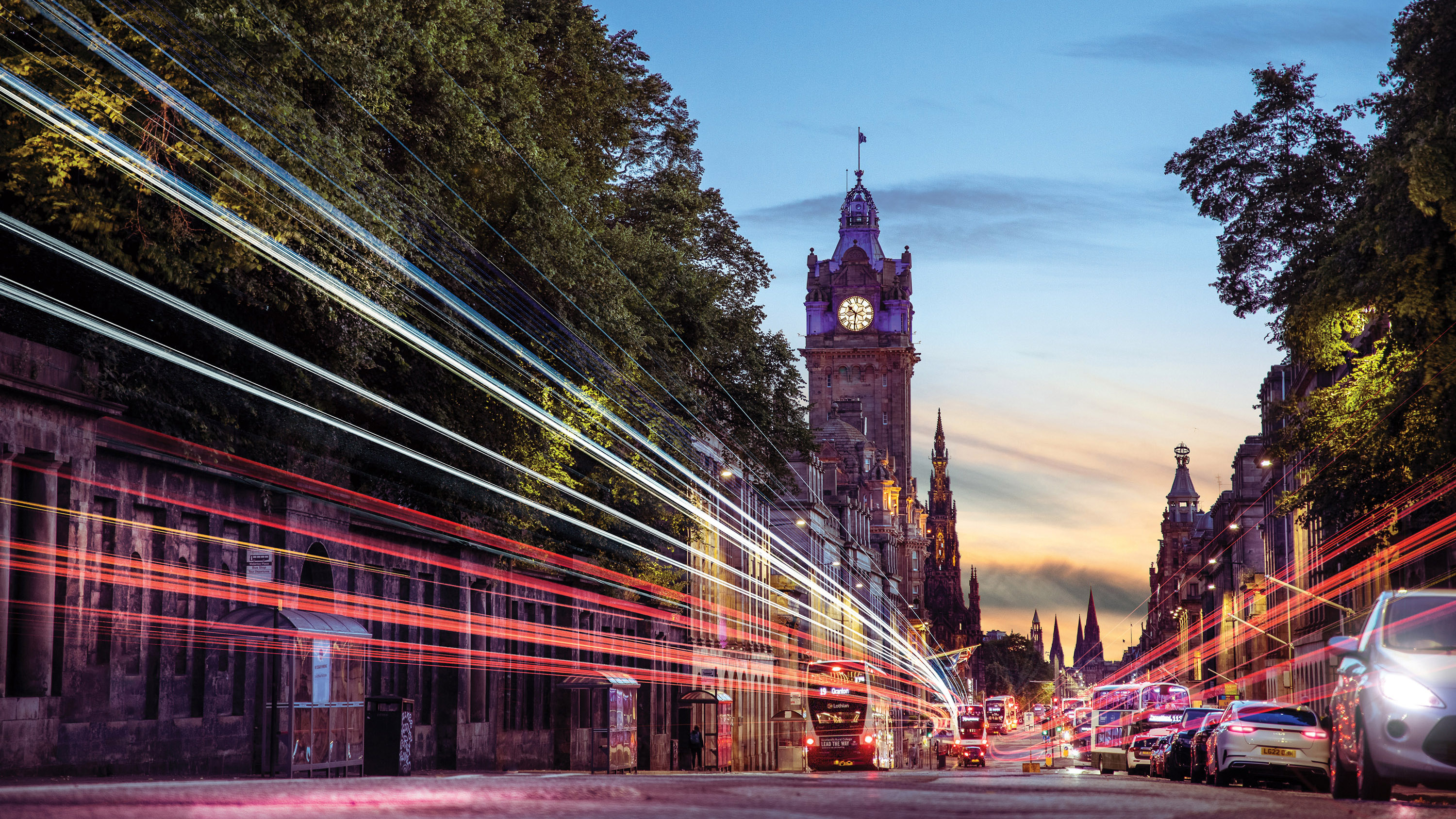
(Image credit: Peter Fenech)
“The image succeeds as a dynamic, energetic urban scene. The long-exposure light trails immediately communicate movement and modern city life, while the historic architecture anchors the frame and gives it identity. It’s visually engaging and clearly well executed,” is ChatGPT’s initial observation.
Once again, it starts with a reinforcing positivity, which I suppose I would mirror when reviewing a stranger’s photography. I do suspect this is to ensure people keep coming back to the app. This is followed by a more direct criticism.
“Saturation is pushed fairly hard, especially in the reds and purples. It looks good at first glance, but on longer viewing it edges toward “HDR cityscape” territory.”
I was kind of hoping it would notice this, as it was the image parameter I would probably have highlighted first if I were performing a portfolio review. The saturation on this shot had been turned up in Affinity Photo for a specific paper stock; in print it would look fine, but the JPEG does look overcooked. The rest of the feedback on my choice of camera settings was complimentary, but the final word surprised me.
“The composition is very centered and very balanced. While this works, it also makes the image feel a bit safe.”
I don’t actually agree with it in this case, since the placement of the clock tower was largely dictated by editorial requirements, but of course, ChatGPT didn’t know that. What’s interesting is that without too much of a detailed prompt, it was encouraging me to take risks with my framing.
This is excellent as many beginners don’t really know what to ask or that central framing might be considered a bad thing. The AI was able to provide some professional insight, the type I’d hope to receive on a one-to-one workshop with a pro. This fulfilled the second of our three pillars, Breadth of analysis.
ChatGPT feedback: This is a polished, technically accomplished cityscape, and it would sit comfortably in a curated urban portfolio. Bringing a bit more of your personal voice or risk-taking into images like this would be the next exciting step.
My impressions: Describing your intent is necessary for targeted, practical feedback, but AI can recognize common beginner mistakes and competently offer advice for improvement.
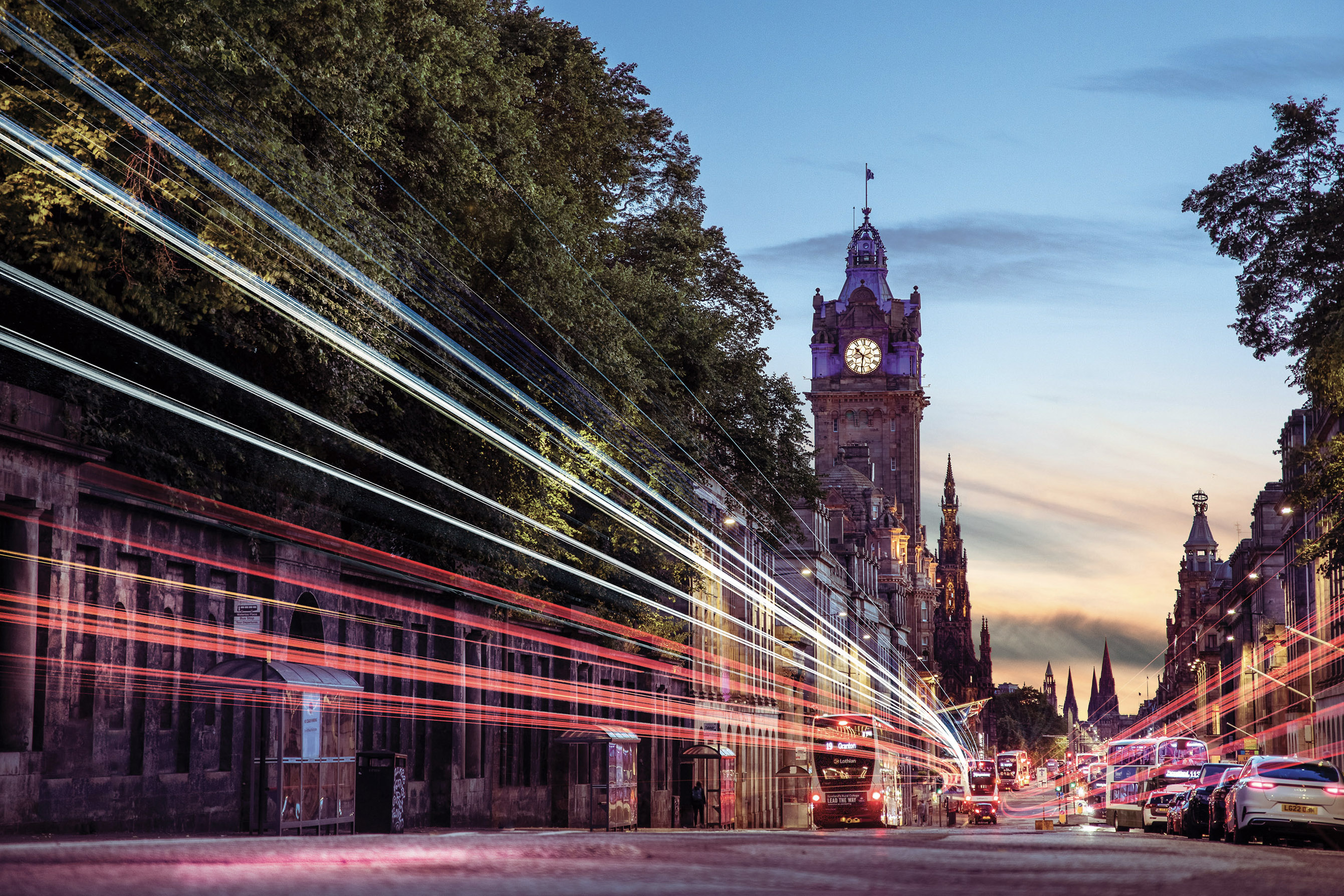
The cityscape image, complete with the ChatGPT suggestions applied. This includes a closer crop – something the AI seems to prefer – with the clock tower more closely on a third, and reduced saturation (Image credit: Peter Fenech)
Today’s best Affinity Photo 2 deals
Question three: advanced prompt
I’m curating a portfolio of seascape imagery. How would this more abstract image sit alongside other, more traditional, coastal photography? Can you give me some for improvement when capturing this style of image?
So far, ChatGPT has been able to point out minor areas of improvement, but I still suspect much of this is pulled from stock answers and generic photography reviews. Yes, it has pointed out some specifics in my images, but I’m not yet convinced it understands my intentions and creative outlook. Therefore, for my next prompt, I gave it a more conceptual image to analyse along with a two-component question, asking for ideas on the frame itself and its wider use in a portfolio.
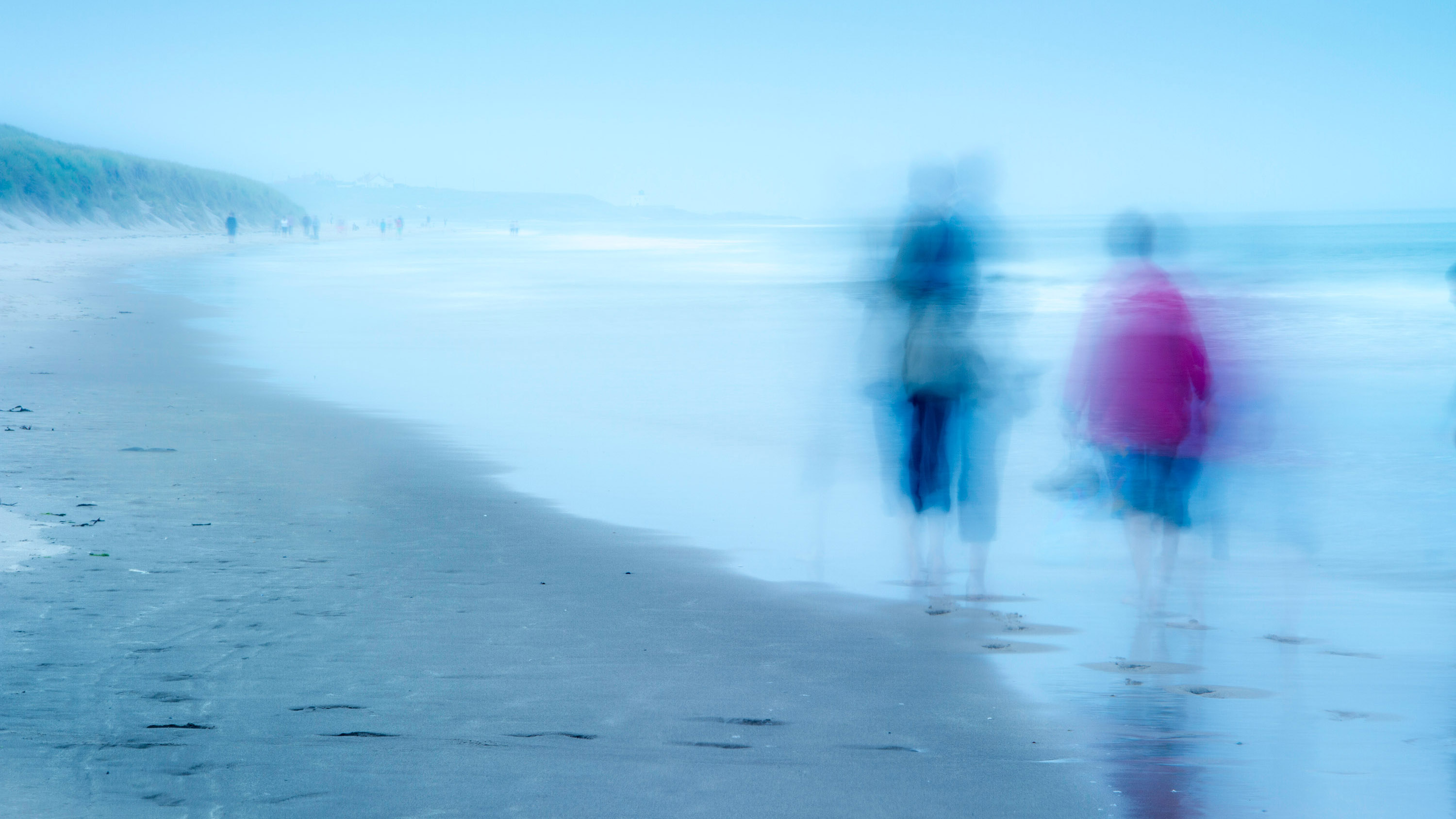
(Image credit: Peter Fenech)
“This image would actually strengthen a seascape portfolio—provided it’s curated thoughtfully”, it begins, with the ubiquitous em-dash included to remind me I’m talking to AI. “It plays a very different role from classic coastal vistas, and that contrast can be an advantage rather than a liability.”
The model then goes into some depth on how an abstract image differs from something more literal. I guess this could be considered an understanding of intention, although my direct reference to abstract photography in my prompt could have given it a head start. I felt it was more creative in its advice for how I could incorporate the image in a portfolio or book.
“Where it wouldn’t work is as an opener or a dominant style unless the entire portfolio leans abstract,” it points out. “Instead, this is best placed after a calm, minimal horizon image. Think of it as poetry between prose.”
ChatGPT feedback: This image doesn’t dilute a seascape portfolio—it deepens it. It shows sensitivity to time, movement, and human presence, which are all intrinsic to the coast. The key to improving this style isn’t more blur or more abstraction—it’s precision within softness. The more intentional your choices feel, the more powerful these images become.
My impressions: The more detailed your enquiry, the more targeted and specific ChatGPT’s response. It helps if you already know what you’re looking for and the types of feedback you require.
Question four: testing understanding
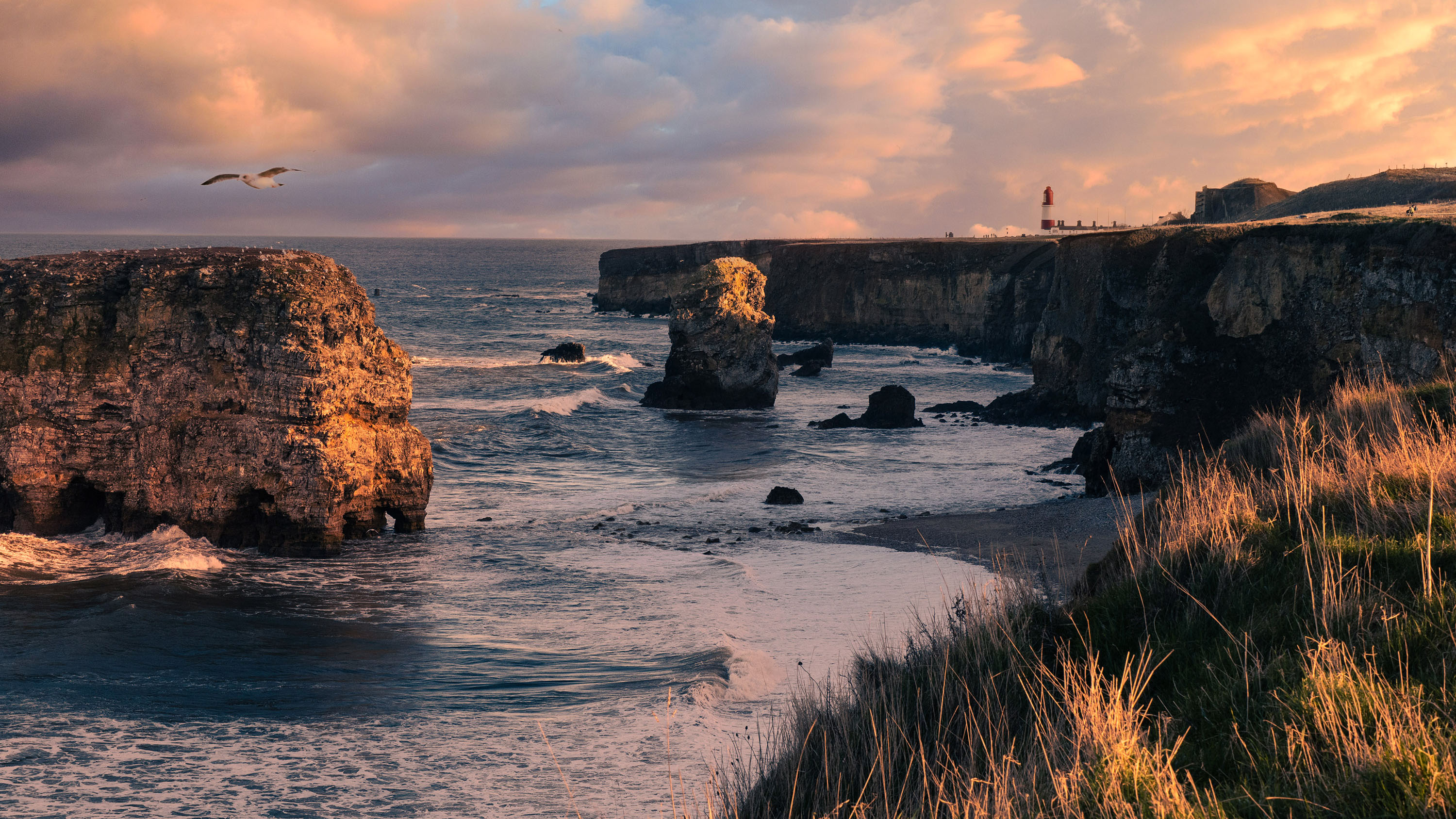
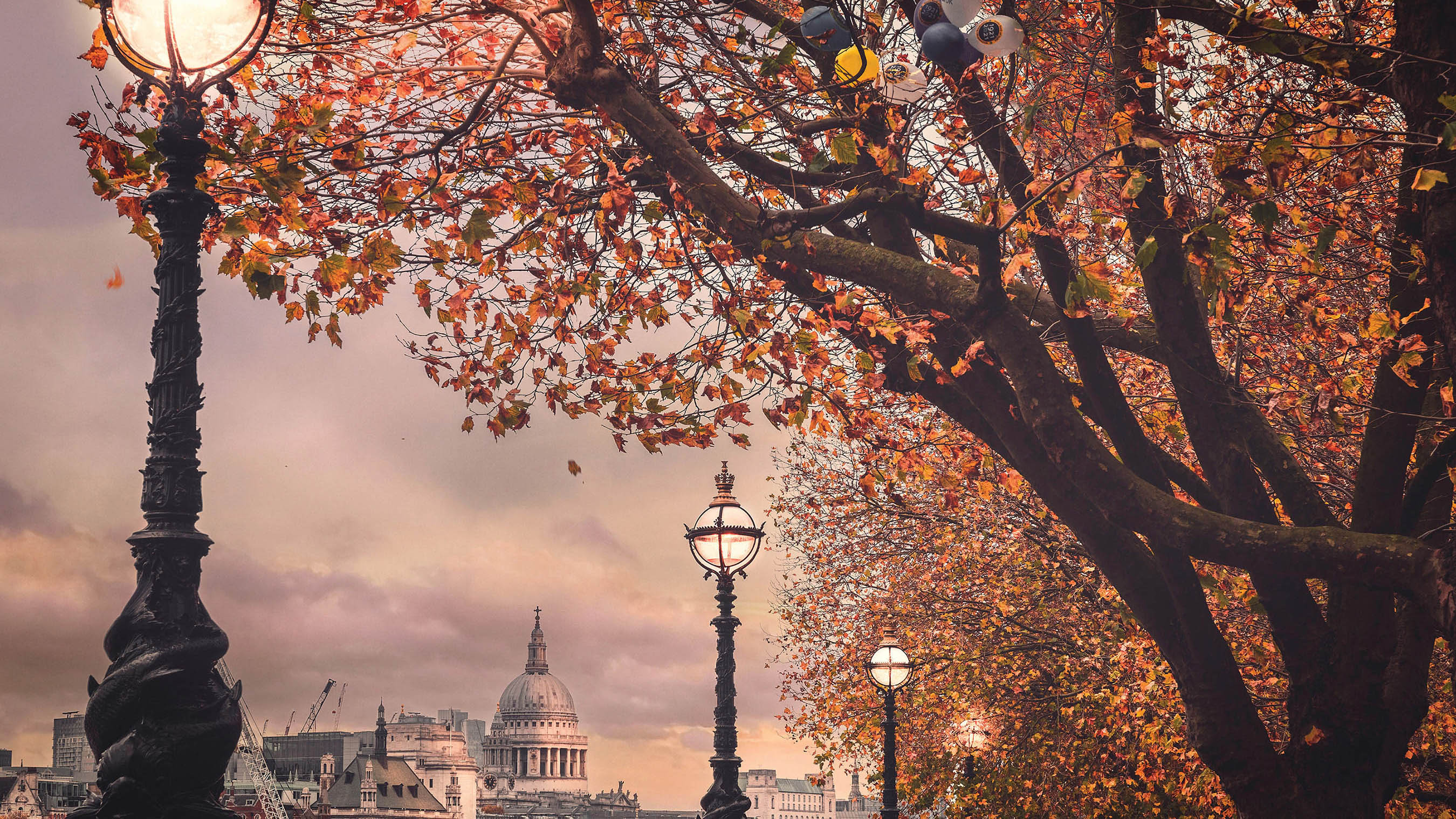
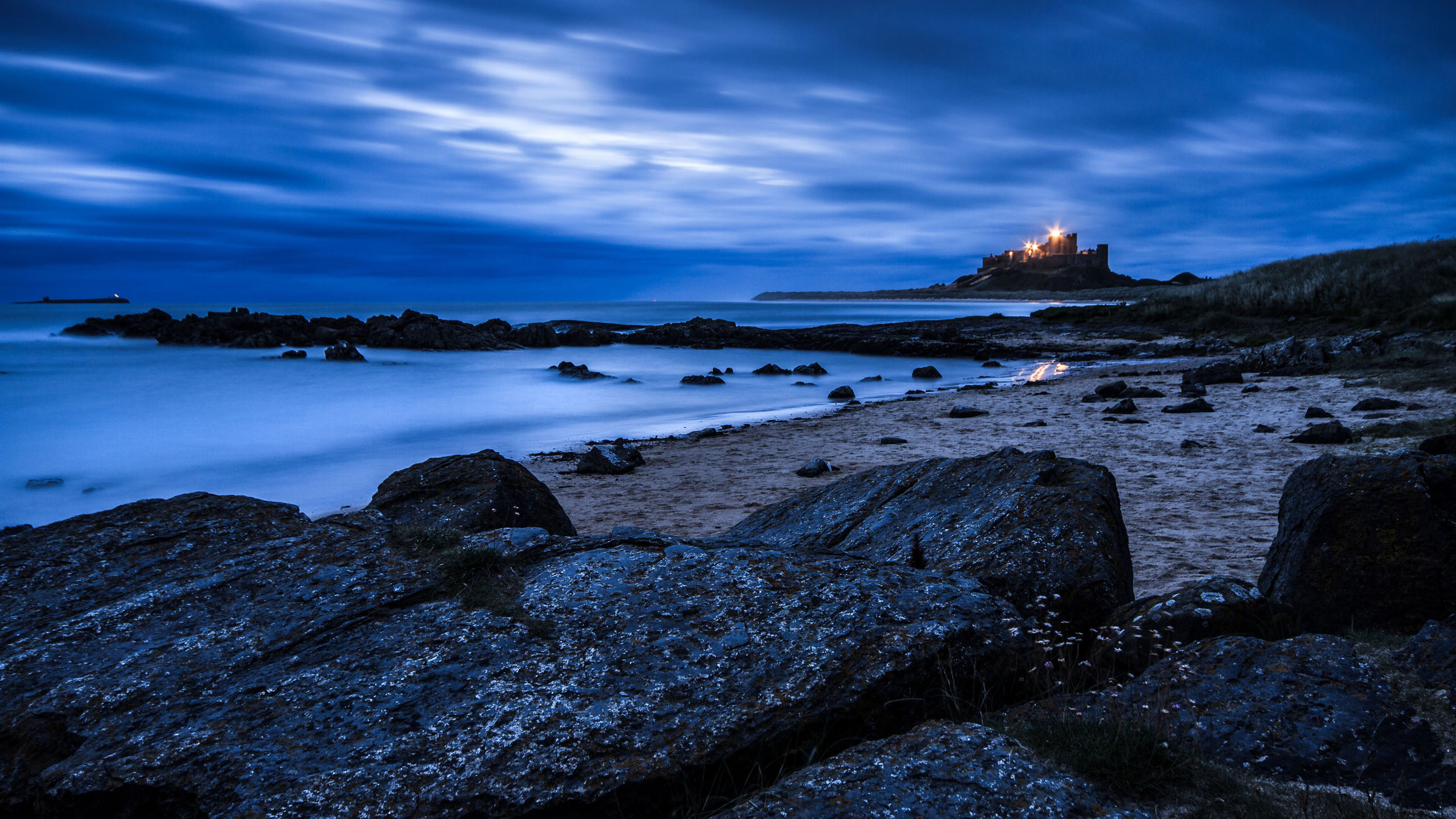
I’m having trouble defining my photographic style. Based on these images and the ones you’ve already seen earlier, how would you describe my artistic style? How do my images stand out from other photographers and what more can I do to further develop my signature ‘look’?
For my final attempt, I thought I’d really test ChatGPT’s ability to demonstrate that it understood me as a photographer, and what I am often trying to achieve as a creative person. This is often what separates a good tutor from a great one. General overviews of someone’s portfolio are useful, but it won’t always help a student learn to express themselves creatively. After showing it a selection of images, the AI opened with predictable optimism.
“This is a really good—and very honest—place to be in your development. The fact that you’re questioning your style now usually means one is already emerging.”
Image 1 of 3
 (Image credit: Peter Fenech)
ChatGPT was able to identify that I prefer cinematic color and lighting in my images, and that I prefer to capture atmosphere rather than specific subject types
 (Image credit: Peter Fenech)
 (Image credit: Peter Fenech)
Helpfully, it then goes on to give its impression of what my style actually is, something I’ve not been able to easily extract from other human photographers over quite a few years. And this is where things got really interesting.
“You photograph atmosphere more than subjects, and time more than place,” it highlights. Yes, I’d say that’s true. I rarely chase specific subjects and find myself trying to isolate details in whatever location I happen to be in. I don’t often go somewhere with a precise idea of what I’m going to shoot.
“You are not a “decisive moment” photographer. You are closer to a temporal photographer, someone interested in what happens between moments,” it tells me. I was quite taken aback by how insightful this comment is, and am somewhat relieved to hear confirmation of something that has long concerned me about my style.
“You’re Consistent in Intent (Even If Not in Genre). Although your subjects vary (city, coast, landscape, abstraction), your intent is consistent. Many photographers shoot multiple genres without coherence. You don’t. The emotional register of your images is remarkably steady. That’s already a style.”
I’d say that just about hits our third pillar, understanding.

With only a limited sample of my images, ChatGPT was able to identify what aesthetic elements I prefer to focus on in my photography (Image credit: Peter Fenech)Conclusion
The Instagram gods don’t especially like my wide variety of chosen subjects, but that hasn’t deterred me from exploring them. I do indeed like a cinematic lighting style, and I have always tried to apply this to a multitude of genres. AI successfully identified this and I was surprised by its interpretation of my creative intent. It was spot on. And it was good to hear some reaffirmation that I have been able to apply something resembling a uniform style across all of my subject matter.
I do have some general observations of ChatGPT’s ability to interpret a prompt in this context. Firstly, don’t think that just because it isn’t a person that it won’t try to people-please. Unless you ask it to be harsh, and even when you do, there is a trait of cautious positivity. Inevitably, AI companies want happy users, because these are more likely to continue using the product. While this might do wonders for your ego, it’s better to ask for specifics.
AI is very good at technical analyses. After all, it has literally billions of images from which to draw inspiration. It can tell you if something is sharp, if the composition adheres to established framing conventions, and if your f-stop is appropriate. However, ChatGPT has demonstrated that it can also identify the elements of an image that a human would find appealing.
I wouldn’t choose to speak to AI before going on a workshop with another photographer, or reading a succinct piece of editorial on an esteemed tech website just yet (cough*), but with careful prompts, it can work as a fantastic mirror to discover what you hope to get from photography.
Follow TechRadar on Google News and add us as a preferred source to get our expert news, reviews, and opinion in your feeds. Make sure to click the Follow button!
And of course you can also follow TechRadar on TikTok for news, reviews, unboxings in video form, and get regular updates from us on WhatsApp too.
Today’s best Adobe Photoshop 25 deals