
A worrying health warning has been issued to all Aussies amid concerns it could “change their entire life”. If you enjoy chucking some snags on the barbecue and treating yourself to a steak while dining out — or live on the country’s east coast — then you may want to pay particularly close attention.
A recent study lead by CSIRO Senior Research Scientist Dr Alex Gofton has revealed that mammalian meat allergy (MMA) is far more common in Australia than previously realised. And cases are continuing to climb, impacting thousands of people who now have to be mindful of almost everything they ingest.
If they’re not, they may find themselves waking up in the middle of the night, struggling to breathe as hives break out across their body.
What is mammalian meat allergy?
MMA is “the only food/drug allergy that’s induced by an arthropod”, Dr Gofton told Yahoo News Australia.
More specifically, it’s caused by a tick bite.
While it varies around the world, in Australia, the main culprit is the Eastern paralysis tick (Ixodes holocyclus), which can be found along the eastern seaboard from Cairns down to Lakes Entrance in Victoria.
The ticks carry a molecule in their saliva called alpha-Gal.
It’s a “really common molecule in nature” and can be found in all sorts of plants and animals.
“But it’s found really abundantly in mammalian meat — your beef, lamb, pork, goat,” Dr Gofton told Yahoo.
Although we encounter alpha-Gal all the time, when we’re exposed to it through a tick bite, there’s something about this manner that “disrupts the immune system of some people” and causes them to now be allergic to the molecule.
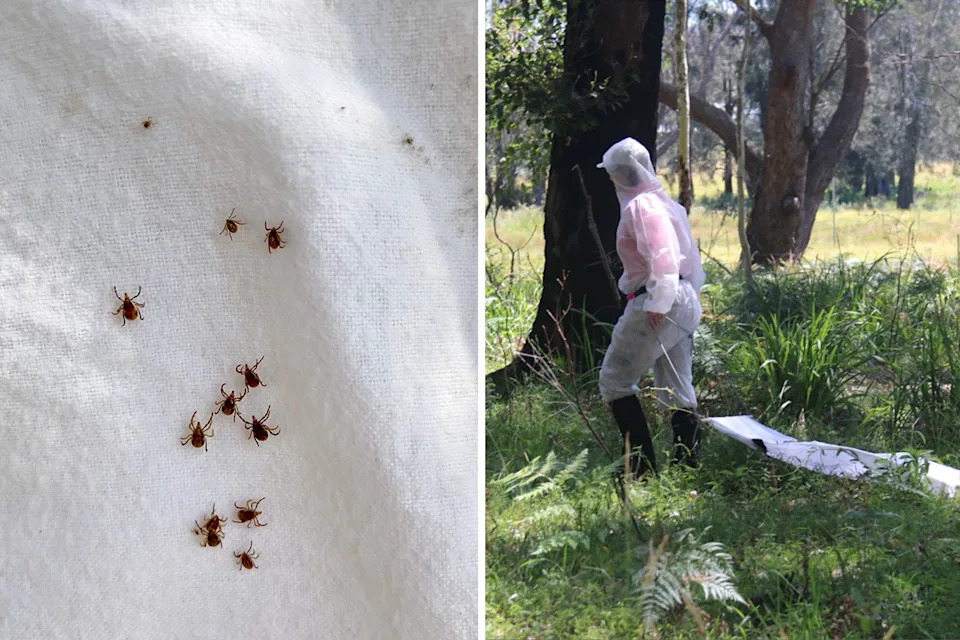
Nationally, about 5,000 people currently suffer from the allergy, but cases are on the rise. Source: CSIRO
If someone does develop the allergy, eating their favourite foods will all of a sudden become not only impossible, but dangerous.
“What’s unique about this allergy is, rather than an immediate reaction, this is a delayed onset allergy, because people have to digest their meal, the source of the allergen,” Dr Gofton said.
“So often, people will wake up four to six hours later in the middle of the night, after having a steak for dinner, with this full-on serious allergic reaction and be rushed to the hospital.
“It can be a really serious emergency reaction that these people have.”
How does MMA affect people?
The allergy can present in various ways.
The most common is gastrointestinal upset, the second is hives all over your body.
“It can also affect, in serious cases, the respiratory or cardiovascular systems, and that’s when people enter what we call an anaphylactic state. You need to go to an emergency room straight away,” Dr Gofton said.
And it’s not just red meat that people should be concerned about.
Some sufferers have seen reactions after being given life-saving medicines and drugs that contain alpha-Gal, or after consuming lollies that have gelatine in the listed ingredients.
“This isn’t just a food reaction for people who are allergic. It sort of encompasses all aspects of their lives,” Dr Gofton added, noting this makes MMA a complex health challenge.
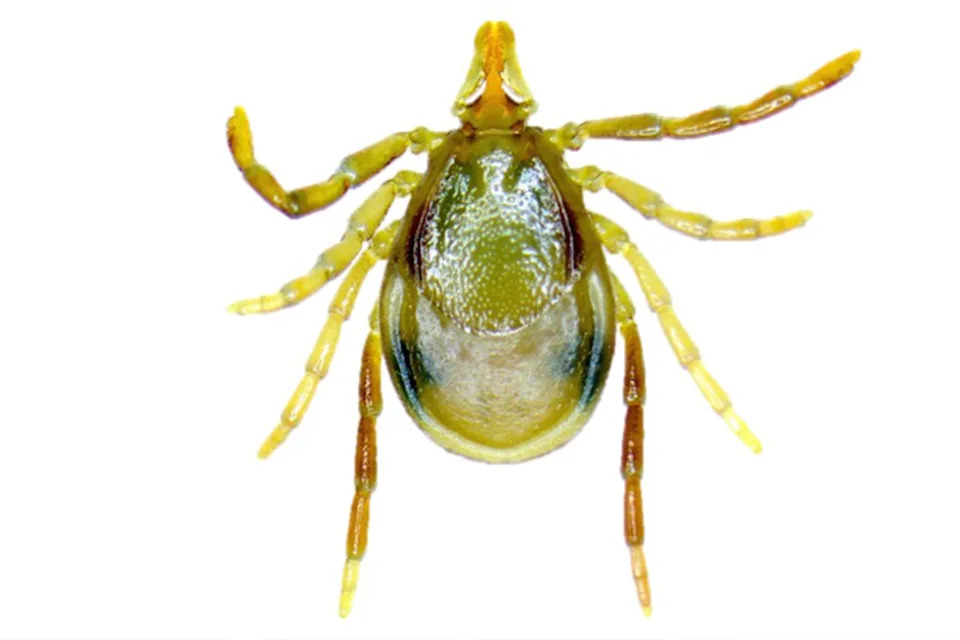
Some people may not realise they have the allergy until months after they’re bitten by an Eastern paralysis tick. Source: CSIRO
Adult Aussies impacted the most by allergy
Unlike traditional food allergies that develop in childhood, MMA typically manifests in adults who are already set in their ways.
“This is someone in their mid-50s who was bitten by a tick one day, and has had to change their entire lifestyle to accommodate their new needs,” Dr Gofton said.
“So in that regard, it can be a really life-changing and debilitating illness and one that can stay with people for the rest of their lives.”
There is currently no cure, no vaccine and no clear way to prevent it other than avoiding ticks.
“It’s labelled as a food allergy, but it really is an allergy that can affect so many facets of a person’s life, from cooking at home, to eating out, to the type of paracetamol they can take,” Dr Gofton said.
MMA allergy cases soar by 40 per cent annually
Research revealed that the highest number of cases are occurring in places like the Northern Beaches in Sydney and the NSW Central Coast.
“Really high” numbers have also been recorded near Lismore and Byron Bay, as well as the hinterland areas around Brisbane.
Nationally, about 5,000 people currently suffer from the allergy.
Reported cases have been climbing by around 40 per cent annually since 2020, and although the reason isn’t known yet, Dr Gofton has pondered if heavy rainfall and an increase in people seeking tests is behind the jump.
His team is now working with health authorities to help spread awareness.
They’re also looking into a potential link between MMA and an increased risk in heart disease.
For more information about MMA and how you can protect yourself, click here.
Do you have a story tip? Email: newsroomau@yahoonews.com.
You can also follow us on Facebook, Instagram, TikTok, Twitter and YouTube.