
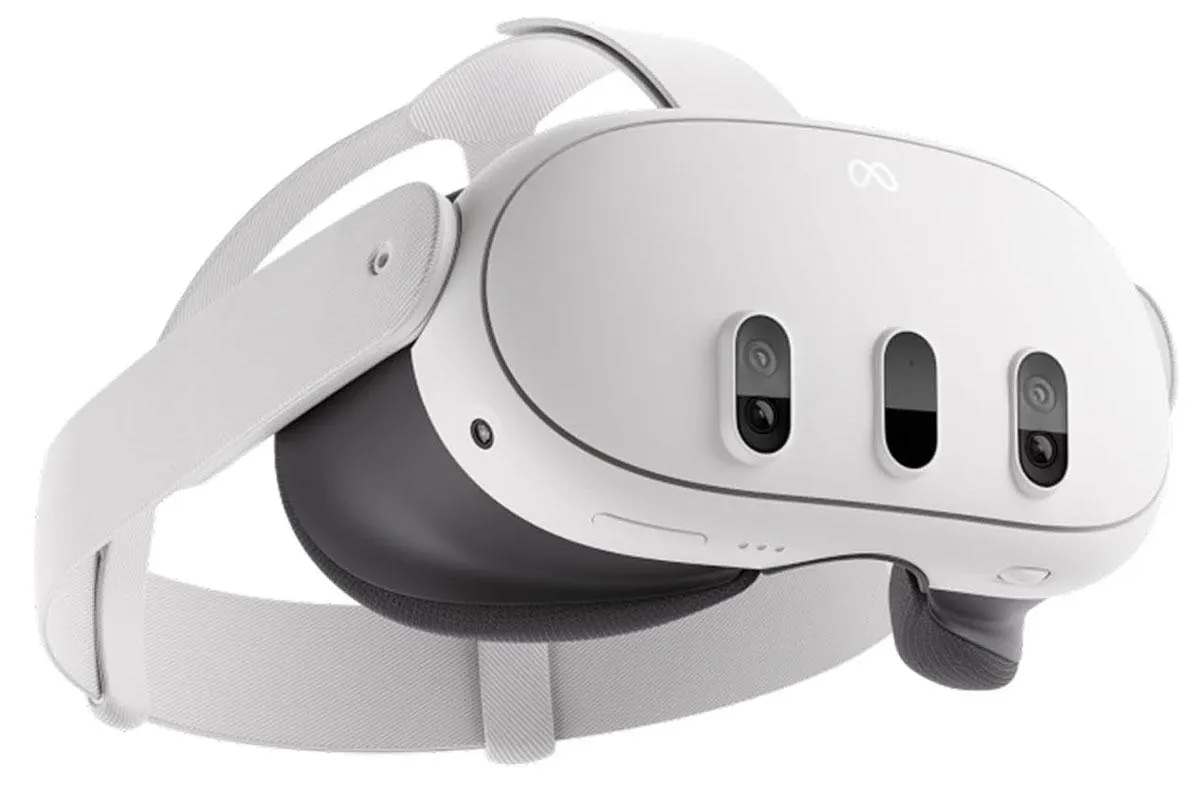

Those eagerly awaiting the Meta Quest 4 may not be pleased to hear the latest news from the world of VR, which suggests headset shipments in 2025 were significantly down on 2024’s numbers.
Meta shipped 1.7 million Quest headsets in the first three quarters of 2025 according to market research firm IDC, representing a 16% decline versus the same period in 2024.
“All of these ideas that AR and VR would replace smartphones didn’t happen. It will never happen,” Francisco Jeronimo, Vice President for Data and Analytics at IDC told The Register.
The period referenced also includes the months not too long after the release of the Meta Quest 3S, in October 2024, countering possible claims the slow down in shipments is solely due to a lack of new launches.
In 2026, though, a shift in Meta strategy is becoming clearer. The Quest 3 was released in October 2024, the Quest 3S in October 2024, but there was no new Meta Quest headset in October 2025.
Instead Meta announced the Ray-Ban Meta Display in September 2025, a pair of augmented reality smart glasses that place a small display in front of your right eye.
It’s a 600 x 600 pixel translucent screen that can show notifications, navigation instructions and more, and can be controlled using a “neural band,” a gesture-based wrist controller that can identify specific hand gestures using EMG sensors. These interpret what’s happening in your muscles.
Play Puzzles & Games on Forbes
The Ray-Ban Meta Display may struggle compared to the relatively successful Ray-Ban Meta Wayfarer series, though, which was confirmed to have sold upwards of two million pairs by the end of 2024. Where that pair typically starts at around $329 before sales and discounts, the Ray-Ban Meta Display starts at $799.
In the world of AR and VR, high price has proved to be a problem. Another juicy figure in IDCs latest analyst report indicates the Apple Vision Pro sold just 4,500 units in the last quarter of 2025, including the upgraded version with M5 processor released in just October 2025.
According to a recent report by the Financial Times, Apple has cut both the production and marketing spend of Vision Pro, by “more than 95 per cent” in the case of marketing, following poor consumer demand. And judging by the latest IDC figures, that demand has gone from disappointing at the headset’s initial launch to something much worse than that today.