
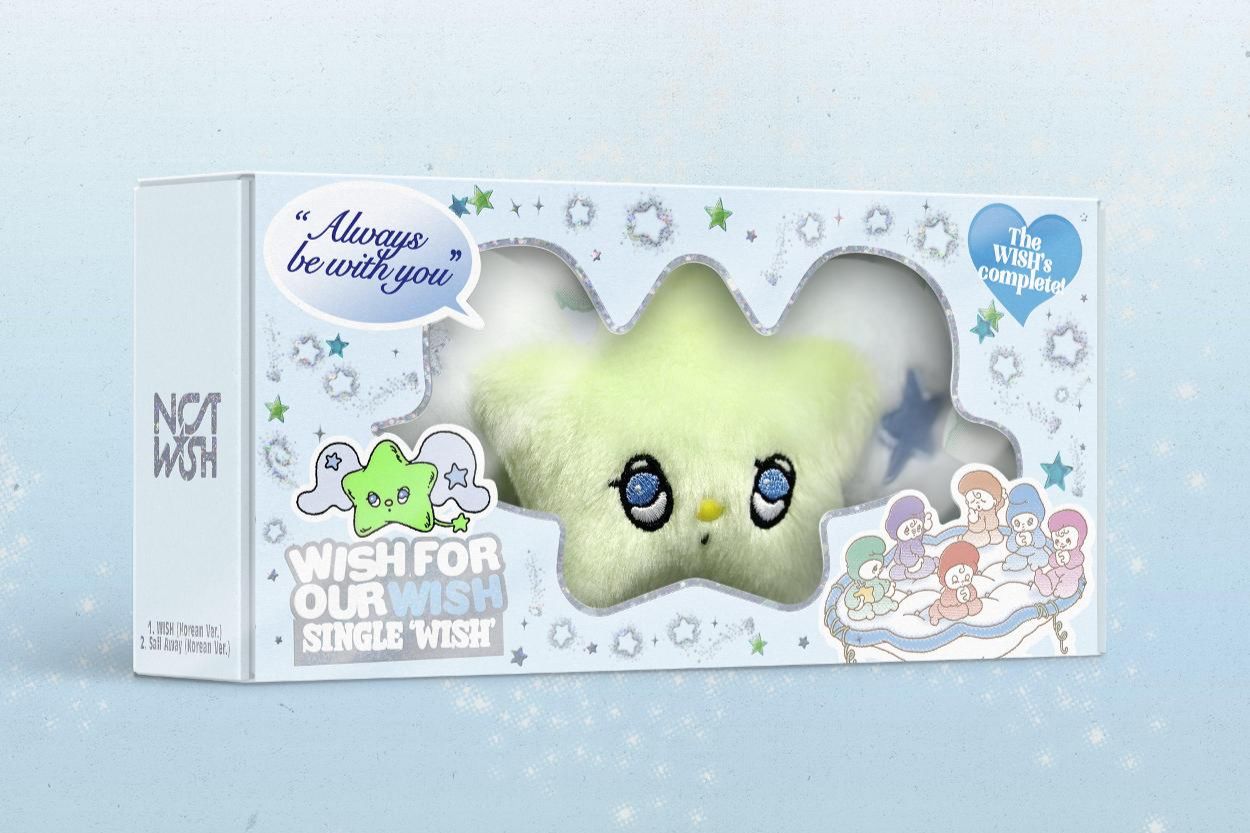
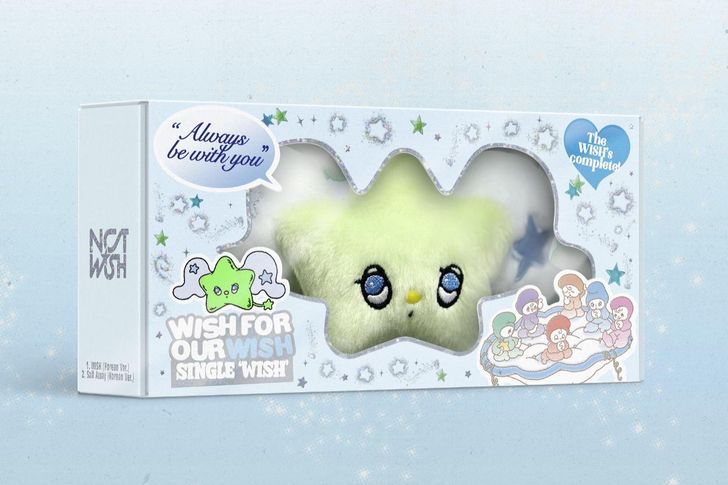
K-pop boy band NCT Wish’s smart album, “WICHU” / Captured from SM Entertainment’s X account
After years of growth driven by physical album sales, the K-pop industry is now undergoing a major structural shift. While album sales have declined from their peak, overall revenue continues to expand as companies diversify into concerts, merch sales and paid fan services, reshaping the role of physical albums.
Rather than signaling a downturn, industry officials describe the change as a move away from volume-based sales toward participation-driven consumption, where albums function less as music carriers and more as gateways to fan engagement.
According to the Circle Chart, cumulative album sales for the top 400 releases in 2025 reached about 90.9 million units through November, down roughly 2.56 million from the same period a year earlier. The long-cited benchmark of 100 million albums sold annually, once treated as a symbolic marker of K-pop’s expansion, has now fallen short for a second consecutive year.
Boy band Stray Kids led album sales with nearly 7 million units, followed by Seventeen, NCT Wish, ENHYPEN, BOYNEXTDOOR and ZeroBaseOne. While leading acts continue to post multimillion-unit totals, analysts say the figures suggest a plateau after years of bulk purchasing by fans.
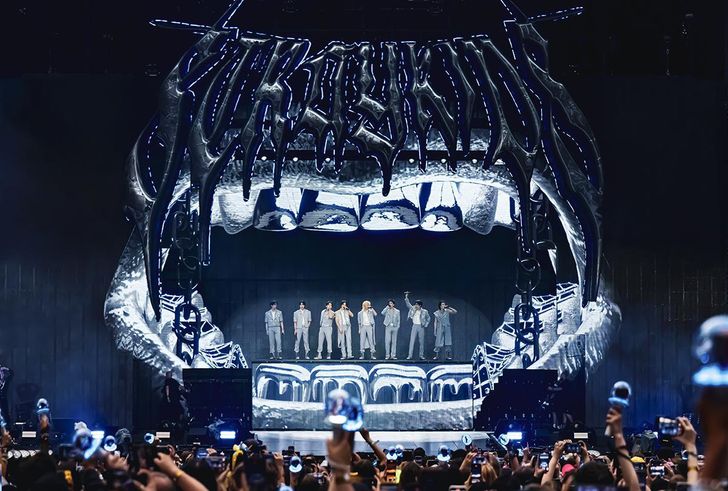
K-pop boy band Stray Kids performs during its “dominATE” world tour at Tottenham Hotspur Stadium in London, July 2025. Courtesy of JYP Entertainment
Nevertheless, the decline has not translated into weaker financial performance, as live performances have emerged as another major revenue pillar.
In Billboard’s 2025 year-end Boxscore report, HYBE Labels ranked fourth among the world’s top promoters, generating $469.2 million from global tours across 213 shows, attended by more than 3.3 million people.
SM Entertainment reported 52.5 billion won ($36.2 million) in concert revenue in the third quarter of last year, up 37.5 percent from a year earlier. JYP Entertainment’s concert revenue surged nearly threefold, while YG Entertainment earned roughly one-third of its revenue from live performances, driven by big acts like BLACKPINK and 2NE1.
Along with touring, merchandise sales have also become a significant revenue driver for K-pop companies.
HYBE reported a 70 percent year-on-year increase in merchandise and licensing revenue, posting 168.3 billion won in the third quarter of 2025, while SM, YG and JYP each recorded merch revenue in the tens of billions of won.
“Fans are now choosing to spend on items that offer practical value rather than purchasing albums simply to boost their favorite singers’ rankings,” said an industry insider at a midsized entertainment agency. “They’re still devoted, but labels are beginning to recognize that fans are expressing it in different ways.”
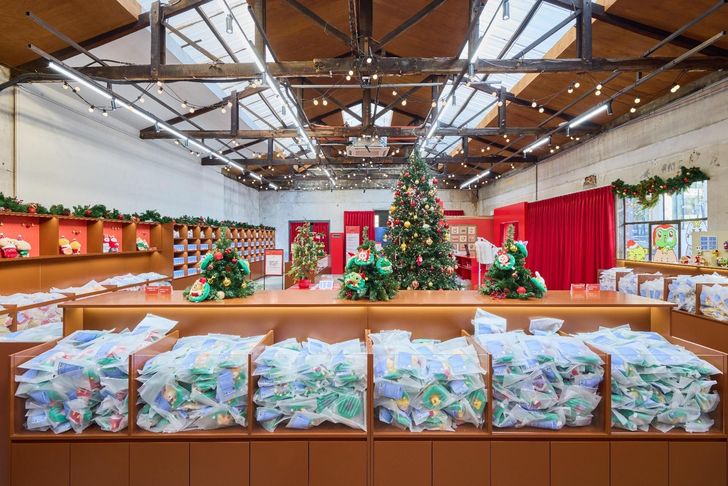
An interior view of the “HOLIDAY with MINITEEN POP-UP” merchandise store for K-pop boy band Seventeen / Courtesy of Pledis Entertainment
From music to merch
Albums, however, remain too important to abandon. For major agencies, recorded music still accounts for roughly 30 percent of total revenue, prompting companies to deploy multiple strategies to boost album sales.
K-pop albums are commonly released in multiple versions and bundled with randomized photo cards, encouraging fans to buy multiple copies to secure a specific item or a complete set.
Another proven method is the fansign event lottery system, where album purchases serve as entries. Though marketed as randomized draws, it is widely understood within fandoms that buying more albums increases one’s chances of being selected.
Within fandoms, knowledge about how many albums are needed to gain entry to these fansign events have now become widespread, turning album buying into a competitive process. It has become common for fans to purchase dozens — sometimes more than 100 — copies of the same album to secure a meeting with their favorite idols, either in person or via video call.
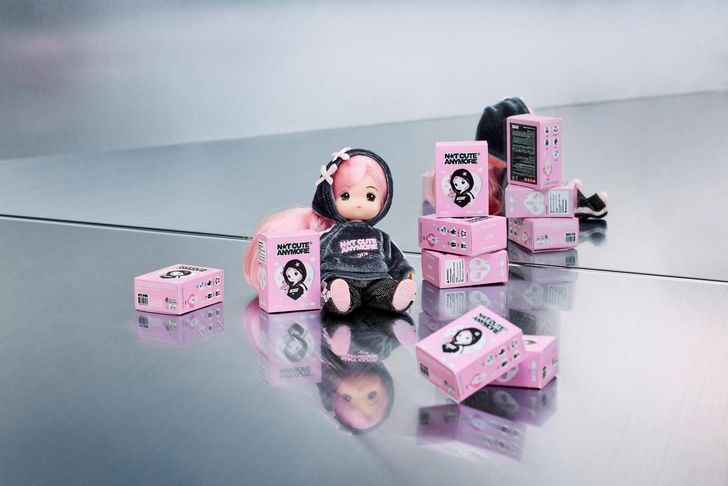
The “Little Mimi” version of K-pop girl group ILLIT’s November 2025 album, “NOT CUTE ANYMORE,” which comes with an exclusive mini doll / Courtesy of Belift Lab
Alongside these volume-driven tactics, companies have also reworked the albums themselves, shifting them closer to the category of merchandise. Rather than centering on CDs, for example, releases are increasingly designed around functional or collectible goods meant to be used or worn.
One recent example came from girl group ILLIT, whose agency Belift Lab said the merch version of the group’s November album, “NOT CUTE ANYMORE,” sold out shortly after preorders opened.
The Little Mimi version of the album, built around a mini doll key chain inspired by the members and created in collaboration with toy brand Little Mimi, prompted additional production amid strong demand, according to the label. The package combines merch and music, featuring a mini CD, lyric booklet and photo cards, and six versions were released, including a limited hidden edition designed to boost collectibility.
The response echoed earlier demand for the group’s June 2025 mini album, “bomb,” which included a version bundled with a pair of earphones that also reportedly sold out during its preorder period.
A similar strategy could be seen in NCT Wish’s 2024 album, “Steady,” which was offered in a “smart album” format packaged as a star-shaped key chain. Using contactless technology, the product allowed fans to access music digitally while carrying a character-inspired accessory tied to the group’s identity.
“Consumers are no longer buying goods simply to enjoy the products themselves, but increasingly treating cultural taste as a core part of personal identity,” pop culture critic Lee Moon-won noted in his recent column.
“Purchasing merchandise has become a way for fans to affirm that identity, and as pop culture markets continue to expand, similar forms of fandom-driven consumption are likely to emerge across global music markets.”