
With a GDP touching approximately AUD 2.3 trillion now, Australia has one of the largest developed economies in the world. Consistently ranking around the top 15 largest economies globally, like all other developed countries, digitisation has played a major role in its growth and advancement. To see how this will all likely play out, here’s a look at how several of the largest industries will be affected through the transformation of Australia’s economy by 2030.

Online Entertainment and Digital Leisure
Australia’s digital evolution is already being seen and felt across a broad range of sectors. One of them that easily stands out is online entertainment. From instant messaging services to cloud gaming, the influence of digital technology has transformed entertainment in Australia in a number of exciting ways. The combined effect of social media and the pace of smartphone advancement has coalesced to provide so much convenience that many popular forms of entertainment have now moved online.
For example, Australia has experienced a marked drop in the number of people who go to the cinema now. Options like streaming services and the rising cost of living simply make it easier to catch a movie at home rather than wasting the time needed or struggling through the cost of travel, tickets, popcorn, and refreshments, just to watch a movie on the big screen. That trend is expected to continue, and possibly even sound a death knell for the cinema experience.
Another example of such trends can be seen through the lens of the massive growth experienced in the iGaming sector. Despite online casinos not being legal for Australian operators, locals can still access a trove of offshore sites, from live dealer games to online casino PayID platforms. Options like PayID casinos have made deposits and payouts on these sites convenient, quick, and easily accessible. However, as a result, for some time now, physical casinos have been feeling the pressure. Reduced foot traffic has left many scrambling to find new attractions.
These digital trends have greater implications beyond making entertainment more convenient. On a larger scale, they help contribute toward the evolution of things like payment technologies, how operators view revenue streams, and digitisation makes the world a smaller place.

Retail, Payments, and Consumer Behaviour
Retail is also changing at a frenetic rate in Australia. The more people become comfortable with digital lifestyles, the more sectors like online shopping continue to grow and thrive. The concept of eCommerce may have started with convenience in mind. However, what helped birth was a fully connected global retail market where virtually anything is available at the click of a button.
Ecommerce continues to expand across cities and regional areas alike, changing consumer behaviour in the process. Consumers expect fast delivery, clear tracking, and simple returns. Businesses that adapt to these expectations tend to see stronger loyalty, while those that lag often struggle to keep pace. Digital storefronts also allow smaller operators to reach national audiences without maintaining large physical footprints.

Property, Construction, and Real Estate Technology
The property sector is undergoing its own digital transition. Buying, selling, and renting property now involves online listings, virtual inspections, and even smart contracts as common practices. These tools save time and widen access, especially for interstate or international buyers.
Real estate data platforms play a growing role in pricing decisions. Buyers and investors rely on historical sales, suburb trends, and demand indicators before making commitments. This data-driven approach is changing how value is assessed and how risk is understood.
Construction is also seeing greater use of digital tools. Project management software, automated scheduling, and digital compliance checks help manage costs and timelines. In Queensland, where residential growth remains strong, these systems support large-scale developments while helping smaller builders stay organised in a competitive market.
Work, Services, and the Digital Workforce
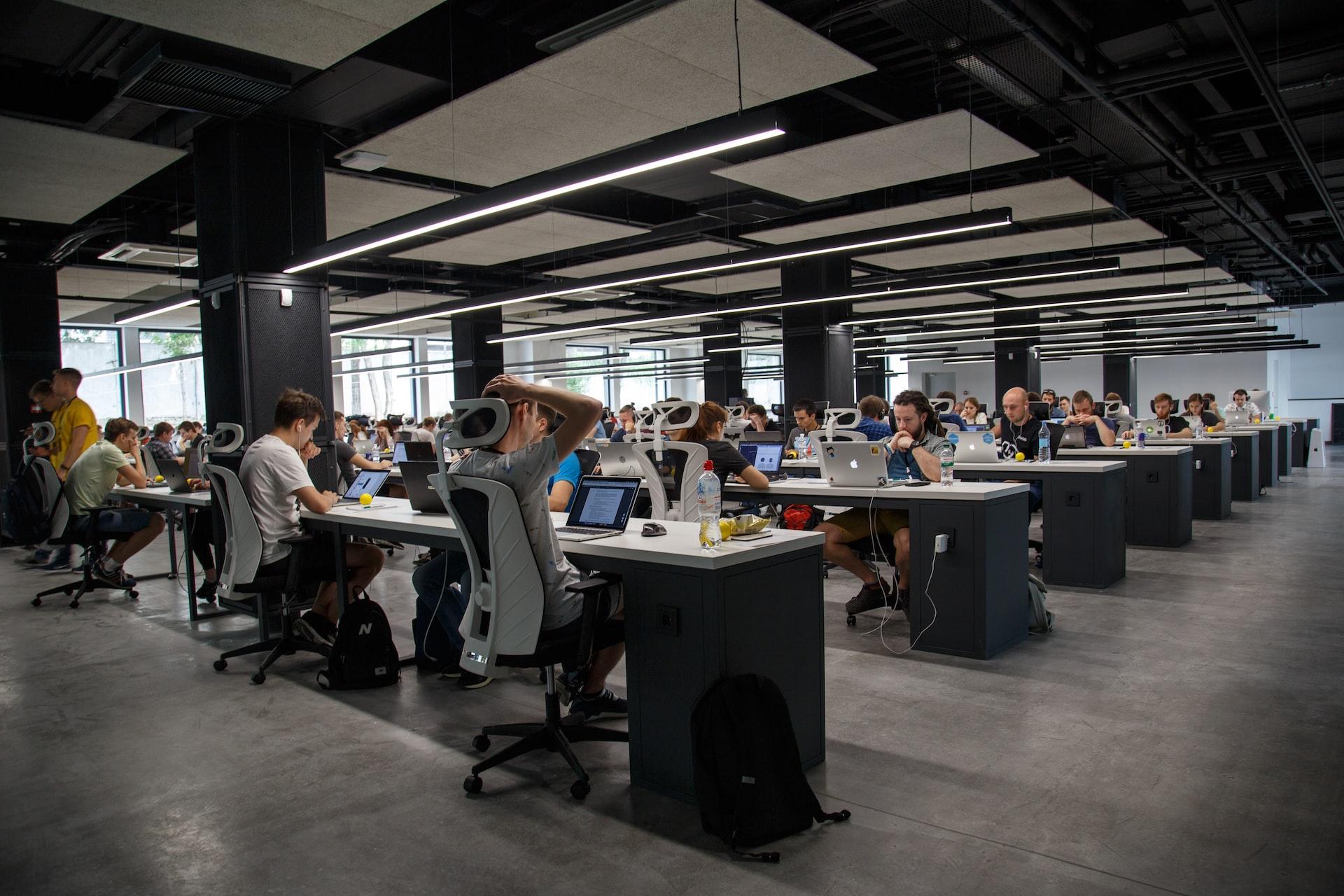
The way Australians work has shifted significantly, with remote and hybrid arrangements now widely accepted. Digital tools support communication, collaboration, and service delivery across industries. Professional services, education, and healthcare increasingly rely on secure online platforms.
Skills development has become closely linked to digital capability. Workers are expected to adapt to new systems, learn software quickly, and manage information efficiently. This demand influences training priorities and shapes employment opportunities across the economy.

Conclusion
Australia’s path toward 2030 is defined by steady digital adoption across virtually all sectors. It is most visible in industries like entertainment, retail, property, and work. Technology is shaping how money moves, how services are delivered, and how people interact with the economy on a daily basis. Australia’s digital transformation is ongoing, practical, and set to deepen in the years ahead.

We encourage you to like the Your Neighbourhood Facebook page to stay updated on other projects and developments.
Source: Information, Drawings and Images
All article information is sourced and available for review from referenced locations.
– Information supplied.
– Images: Sourced
Subscribe to our weekly newsletter
News articles are presented in an unbiased manner from information publicly accessible, which includes referenced links for the reader to obtain any further information. The facts of the proposed government projects, media releases, school upgrades and development applications are based on the available information at the time of the published date, with information sourced directly from company websites, media releases and development application material. We reference all our information at the end of the articles and promote the creators with website backlinks.
(Visited 17 times, 1 visits today)