
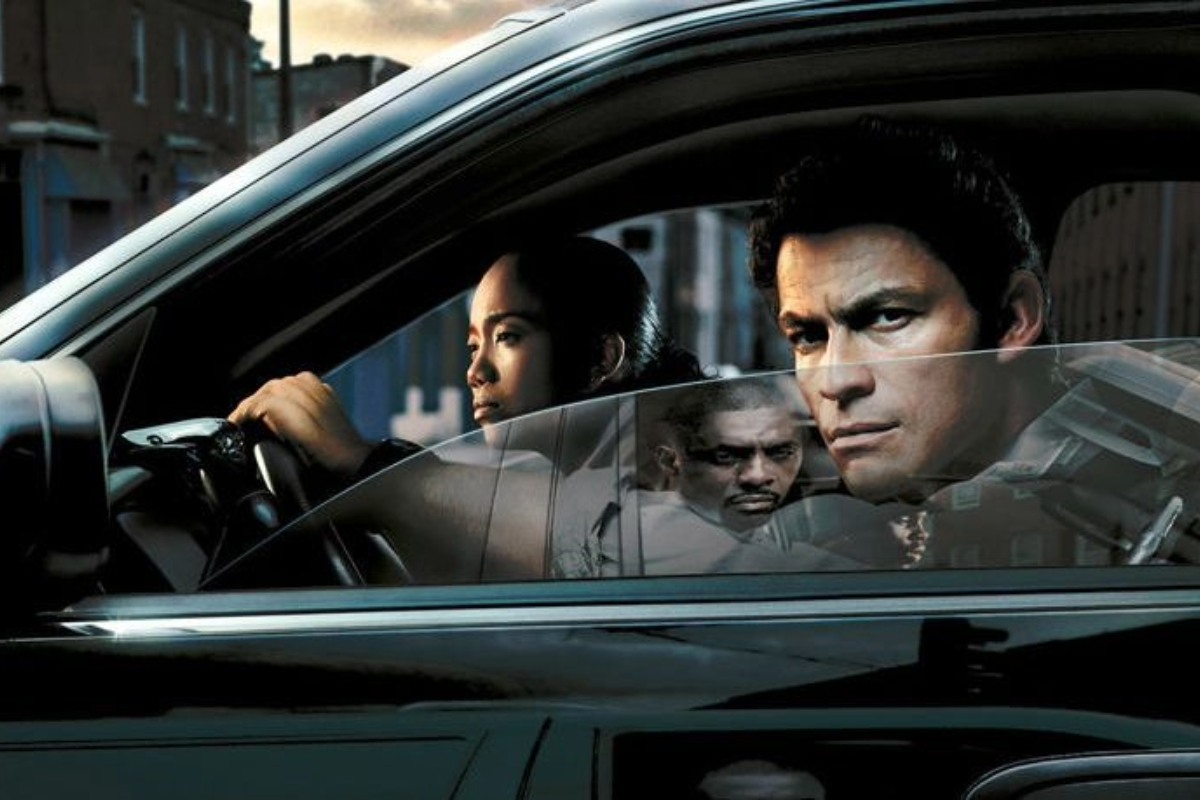
The Wire once felt like a report; on HBO Max today, it plays like a reckoning. Why does a rewatch cut deeper now?
Few shows grip the gut like The Wire on HBO Max, and rewatching it now carries a sharper sting. The December deaths of James Ransome and Isiah Whitlock Jr., alongside the earlier losses of Michael K. Williams and Lance Reddick, haunt scenes that already ached with truth. Its patient, novelistic dive into Baltimore’s drug trade still crackles, the kind of storytelling David Simon forged into a blueprint for modern TV. What remains is a masterpiece that doubles as a memorial, each episode honoring the actors who gave it pulse.
The enduring power of The Wire on HBO Max
Some shows fade with time, but The Wire defies this trend. Nearly two decades after its 2008 finale, this groundbreaking series continues to draw viewers on HBO Max. Its exploration of Baltimore‘s drug trade and systemic challenges feels timeless, remaining both a masterclass in storytelling and a mirror to societal imperfections. Rewatching now also carries an added emotional intensity that few could have foreseen.
Heartbreak within an iconic cast
For those who hold The Wire close, recent years have been bittersweet. The series not only revolutionized television but also introduced audiences to a remarkable cast whose talents brought its world to life. Tragically, some beloved performers have passed away, adding a layer of melancholy to the show’s gritty narrative.
Michael K. Williams, whose portrayal of Omar Little remains iconic, died in 2021. Robert F. Chew, unforgettable as Prop Joe, died in 2013. Reg E. Cathey, who played Norman Wilson, died in 2018. Lance Reddick, indelible as Lieutenant Daniels, died in 2023, as did Al Brown, who portrayed Maj. Stan Valchek. The community The Wire built still celebrates the ongoing work of cast members like James Ransone, memorable as Ziggy Sobotka, and Isiah Whitlock Jr., whose State Senator Clay Davis became a pop culture touchstone.
A legacy carved in the annals of television
From its 2002 debut to its 2008 finale, The Wire paved the way for a new kind of television. David Simon’s meticulous approach told interconnected stories of crime, politics, education, and journalism, offering unprecedented depth. It introduced the world to actors like Idris Elba, whose career accelerated after his portrayal of Stringer Bell, as well as others who became part of an ensemble synonymous with quality storytelling.
The police department’s struggles with bureaucracy felt authentic.
The criminal underworld was depicted with nuance rather than caricature.
Even the newsroom’s portrayal captured the soul of investigative journalism.
Revisiting these stories today, knowing the fates of some key players behind these roles, can blur the lines between fiction and reality in hauntingly beautiful ways.
The shadow of real-life loss
To watch The Wire now is to stand in both awe and grief. Episodes featuring the late Michael K. Williams, Reg E. Cathey, Lance Reddick, or Al Brown carry added poignancy, their performances serving as a reminder of the fragility of life and the permanence of art.
This resonance is rare. Few shows evoke such strong feelings both for the stories they tell and for the actors who shaped them. The Wire has always been celebrated for how closely it echoes the real world, and it now carries an emotional weight that grows with time.
A fitting reverence through rewatching
In 2026, The Wire is not just a series, it is a milestone in television and a space to remember the lives of those who helped craft its brilliance. With each rewatch on HBO Max, we are reminded not only of its stunning artistry but also of the precious lives behind it. That is the enduring gift of The Wire: it lives on, with all its tragedy and brilliance intact.