
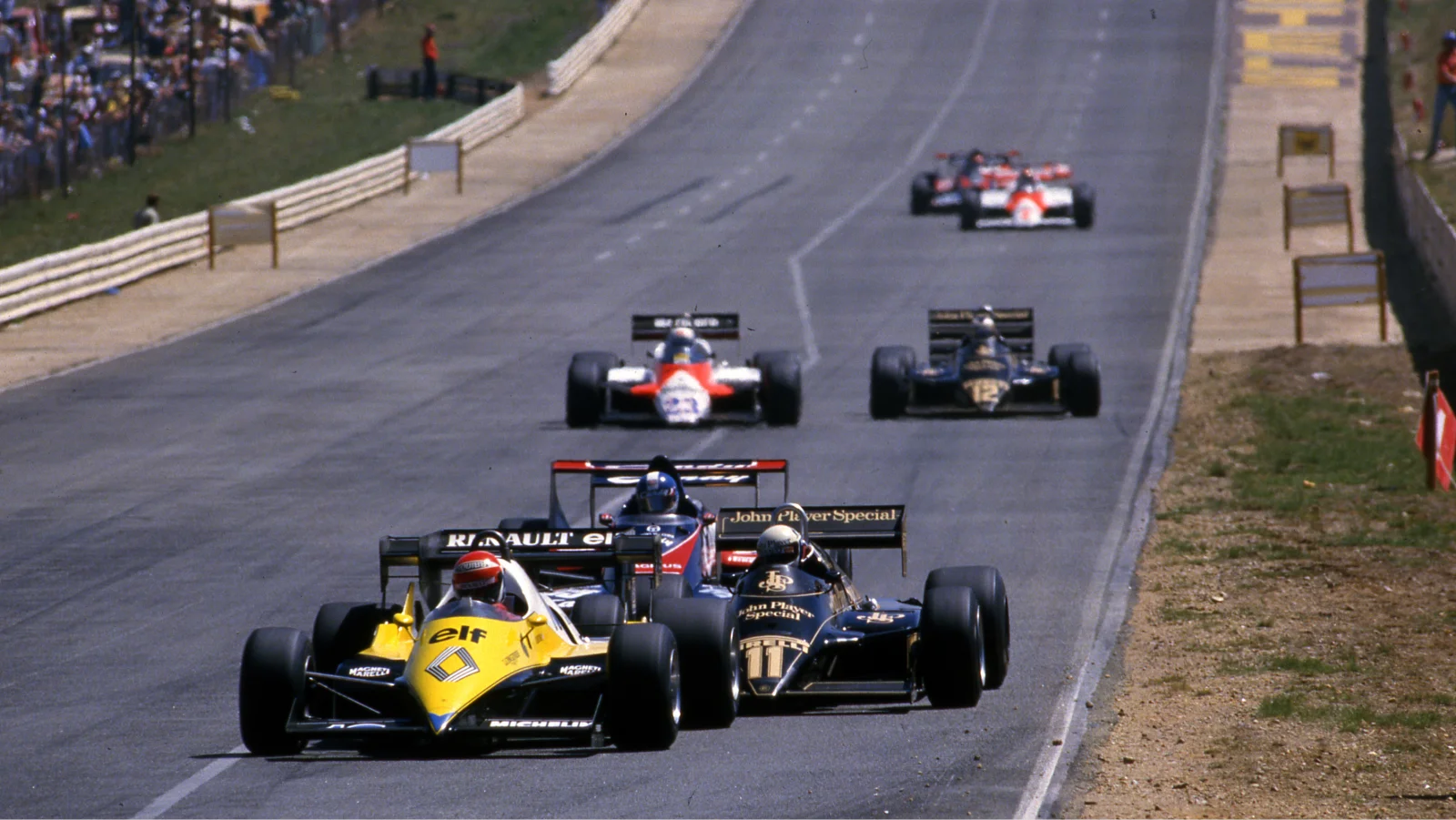
Formula 1‘s long-awaited return to Africa is becoming closer to reality as the sport begins to reassess the calendar’s global growth.
Since the 2024 season, F1 fans have enjoyed a record-breaking 24 races in each season. Now, members of F1’s team have confirmed that 24 races will be the sport’s maximum for the coming years. Thus, turning their heads to how they reshape the calendar to include more countries.
The shift has brought Africa firmly back into the conversation as the championship seeks to complete its presence across most continents.
However, Louise Young, Formula 1’s director of race promotion, has emphasised that bringing a race to a brand new continent is far from straightforward. Projects of this scale require years of preparation, with significant financial backing and long-term commitment from various parties.
“These are mega projects. They require major investment but on the flip side, they are generating phenomenal economic return,” Young told the Financial Times.
Outside of an exciting race for fans and drivers, Young highlighted the wider value of hosting a Grand Prix. Emphasising that the economic impacts spread wider than the F1 community.
“These are projects which sustain supply chains, communities and economies locally.
“These are, in many cases, the biggest events that happen in these countries or cities, and they become attached to the time of year that they’re scheduled.”
Could an F1 African Grand Prix on the cards soon?
Formula 1 hasn’t been present in Africa since the early 90s, with the last race taking place at Kyalami Circuit in 1993. However, many fans have continually called for the return of the South African Grand Prix.
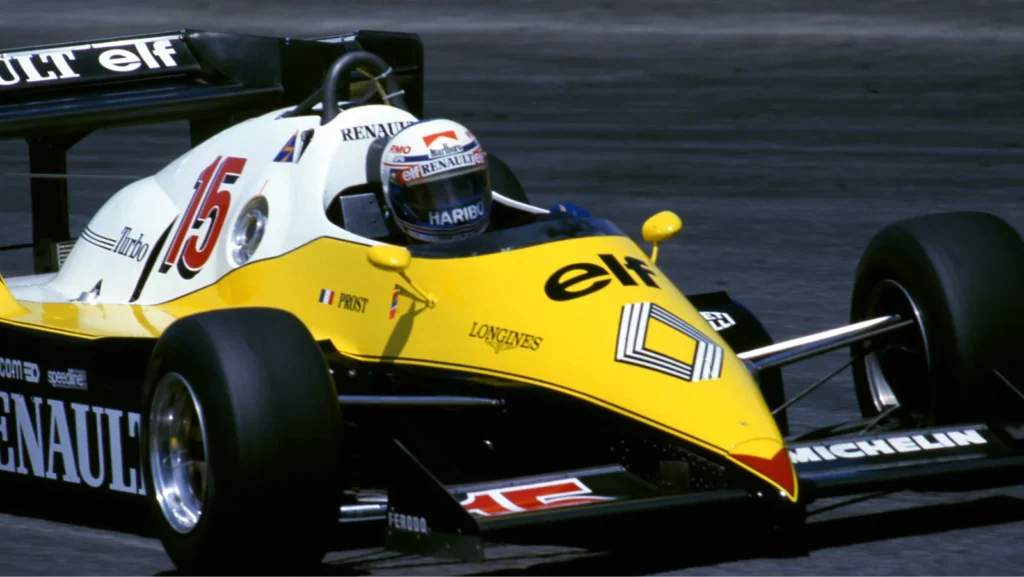 Alain Prost [pictured at Kyalami in 1983] remains the last winner of the F1 South African Grand Prix, taken in 1993
Unfortunately, Young confirmed that F1 aren’t in the process of adding a 25th race to the calendar. Rather, they are looking at optimising the calendar each year.
“For now, we think 24 is the right number of events for us, for the teams, for the quality of our product,” Young said.
“We don’t see growth in the promoter business coming necessarily out of more events. We see growth around optimisation and changes to the calendar.”
This optimisation is evident through several heritage tracks rotating through F1’s calendar. Circuits such as Spa-Francorchamps are missing Grand Prixs in 2028 and 2030. This rotational idea allows for other circuits, such as Kyalami, to be factored in every few years. Thus, do not rule out the potential of another African Grand Prix soon.
“It has been mooted that there will be rotation in the future, perhaps some rationalisation about our presence in Europe,” Young explained.
“We hope to add perhaps one more destination in Asia. There are a number of prospects in Africa; we hope to find a partner who can be that long-term stable presence.”
READ MORE – Who Max Verstappen believes has the most raw talent among F1’s 2025 rookie crop