It’s a favourite pastime for many Aussies. For decades, lone fishers, families and friends have travelled to campsites around the country in search of a well-earned and budget-friendly break.
In recent years, camping and caravanning have only soared in popularity, with adventurers descending on popular spots in droves. But with that has come an array of issues such as littering and reckless behaviour, prompting several councils to crack down on free camping access.
The Central Coast Council in Tasmania’s northwest is the latest to join the ranks, sparking concerns among travellers about the dwindling number of no-cost destinations.
Council confirmed to Yahoo News from early 2026, it will introduce a new permit system for all of its council-managed “freedom camping sites”.
This means that visitors in self-contained vans and motorhomes will soon have to pay a $15 per night permit fee for each site, including Forth Recreation Ground, Midway Point, Sulphur Creek, and Bannons Park at Gunns Plains. Tents and fires are not permitted in these areas.
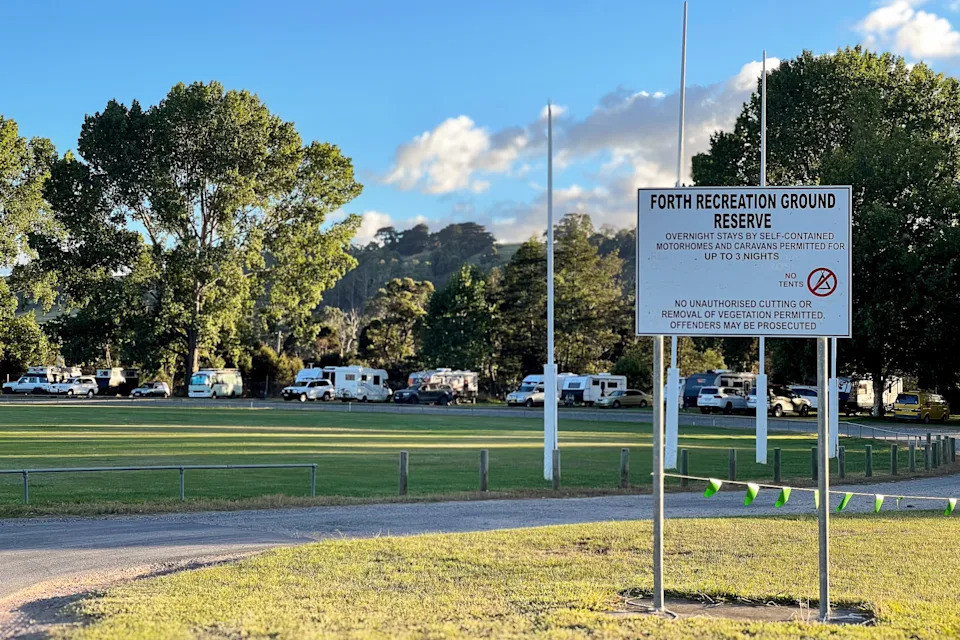
Anyone visiting Forth Recreation Ground, Midway Point, Sulphur Creek, or Bannons Park at Gunns Plains will now have to pay $15 per night. Source: Lydiaandwehan.com
Council implements $15 per night fee at previously free sites
Speaking to Yahoo News Australia, Central Coast Council’s Director of Corporate Services, Samantha Searle, explained the “introduction of the permit system and modest nightly charge is part of council’s broader commitment to sustainably manage camping and RV visitation across the Central Coast”.
There are several reasons for the change, including maintaining and improving facilities and protecting the natural environment, Searle said.
“The fee will provide a reliable funding source to help maintain existing amenities and support improvements at these sites,” she noted.
“All proceeds will be reinvested directly into the maintenance and management of the camping areas.”
By requiring permits and reinforcing self-contained vehicle requirements, the council “can better safeguard natural areas and promote responsible use of camping locations”, Searle continued.
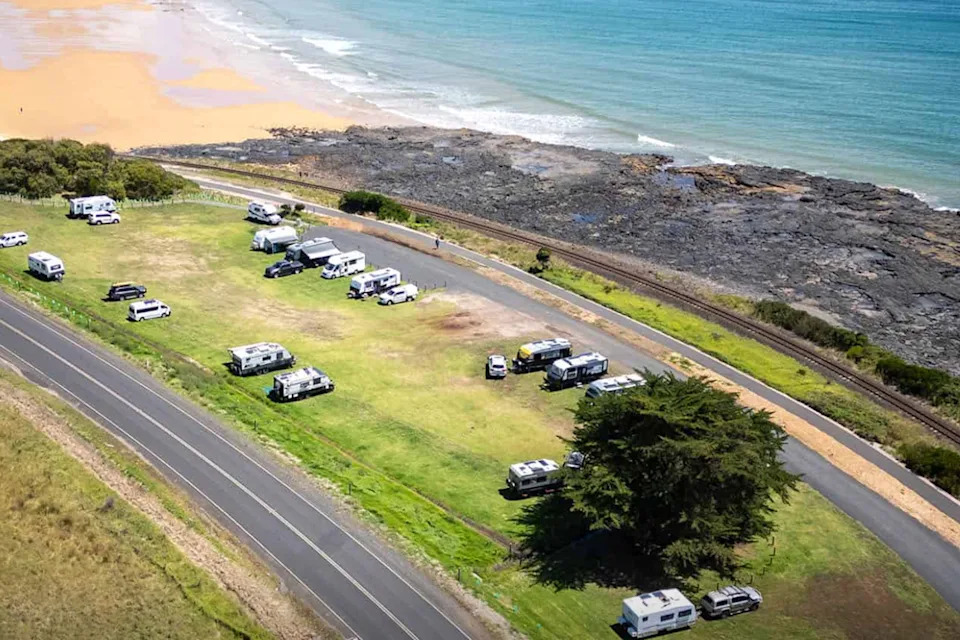
Central Coast Council’s new permit system is expected to be in place across all sites by the end of February 2026. Source: Central Coast Council
The new rules will also encourage turnover and availability, with visitors only able to stay for a maximum of three nights, she said.
“The permit system aligns with council’s recently developed and adopted RV and Camping Strategy, which aims to enhance the overall visitor experience, support tourism growth and plan for infrastructure upgrades that will benefit both visitors and the local community,” Searle told Yahoo.
“This includes new dump points and potable water infrastructure planned for the coming year.”
The permit system is expected to be in place across all sites by the end of February 2026.
Council’s move sparks debate over erosion of free campsites
The move has sparked a heated debate among Aussie travellers after details were posted online by The Grey Nomads, a travel website and newsletter.
While a handful of people deemed it a “stupid move” or a “money grab”, numerous others argued that the bad behaviour of some had ruined free camping for everyone.
“This might be fine for the weekend warriors who think forking out $50 for their one weekend out per year is great, but for those of us living this life full-time it’s a rip,” one woman argued.
Others said they would be happy to pay the new fee as long as clean facilities and water was provided, otherwise “it’s a very expensive parking spot”.
Some said the new cost would lessen what visitors are willing to spend in local cafes and shops.
On the other hand, several travellers agreed with the “fair” changes, noting the permit may stop people from reserving their prime positions with empty vans weeks in advance.
“The people on the road (not all of them) take the piss…park wherever, leave their rubbish around then wonder why we are all getting charged,” someone said.
Tasmania still offers numerous free camping spots, particularly in national parks (like Apsley Waterhole) and conservation areas (like Bay of Fires),
Do you have a story tip? Email: newsroomau@yahoonews.com.
You can also follow us on Facebook, Instagram, TikTok, Twitter and YouTube.