
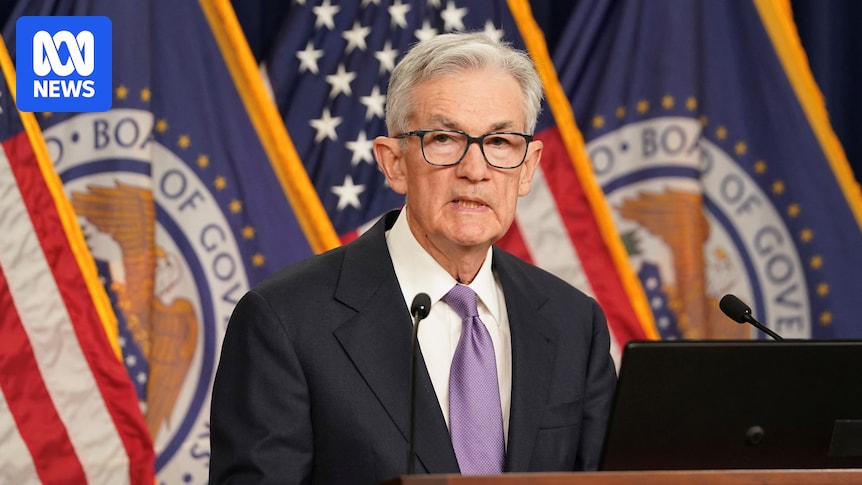
The US attorney’s office in the District of Columbia has opened a criminal investigation into Jerome Powell, the chair of the Federal Reserve.
“On Friday, the Department of Justice served the Federal Reserve with grand jury subpoenas, threatening a criminal indictment related to my testimony before the Senate Banking Committee last June,” Mr Powell said in a statement.
The testimony concerned, in part, a multi-year project to renovate historic Federal Reserve office buildings.
“But this unprecedented action should be seen in the broader context of the administration’s threats and ongoing pressure,” he said.
“This new threat is not about my testimony last June or about the renovation of the Federal Reserve buildings.
“I have deep respect for the rule of law and for accountability in our democracy. No-one — certainly not the chair of the Federal Reserve — is above the law.”
Trump fact-checked by Federal Reserve boss in exchange over renovations
The inquiry, which was approved in November by the US attorney for the District of Columbia, Jeanine Pirro, includes an analysis of Mr Powell’s public statements and an examination of spending records, The New York Times reported.
Mr Powell, whose Australian counterpart is Reserve Bank governor Michele Bullock, says the legal threat is directly related to the US Federal Reserve’s monetary policy settings.
“The threat of criminal charges is a consequence of the Federal Reserve setting interest rates based on our best assessment of what will serve the public, rather than following the preferences of the President,” he said.
“This is about whether the Fed will be able to continue to set interest rates based on evidence and economic conditions — or whether instead monetary policy will be directed by political pressure or intimidation.”
An unprecedented moveLoading…
The legal threat amounts to a dramatic escalation in the fight between Mr Powell and US President Donald Trump, which dates to Mr Powell’s first year as chair in 2018.
The US president’s central central criticism of Mr Powell, whom he once called a “numbskull”, is that he has been too slow to cut interest rates.
Like Australia, the US policy makers are wrestling with stubbornly elevated inflation.
Mr Trump has made it clear he wants to see lower interest rates to stimulate the economy, but Mr Powell has insisted he will be guided by economic analysis, not politics.
In July last year, the tension between the two was on public display when, live on national US television, the two men argued over the cost of building renovations as they toured the site under construction in Washington.
It appears Donald Trump alluded to today’s legal threat a fortnight ago, saying during a press conference, “we’re thinking of bringing in a gross incompetence lawsuit.”
“The guy is just incompetent, there’s nothing you can do about it,” he had said.
“We’re probably going to bring a lawsuit against him.”
Westpac’s chief economist and former RBA official, Luci Ellis, said it was an unprecedented move by the US government.
“It’s shocking but not surprising and certainly unheard of in a major developed economy,” she said.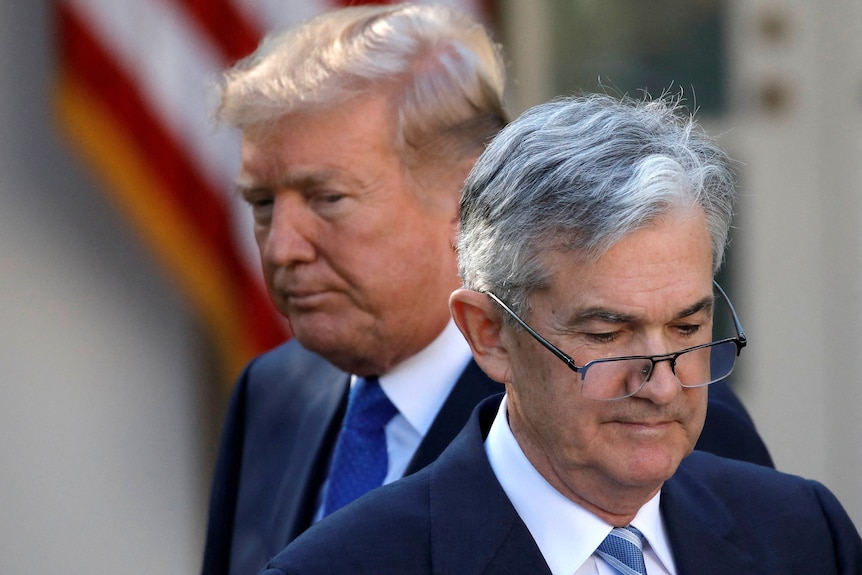
The legal threat amounts to a dramatic escalation in the fight between Jerome Powell and Donald Trump.
Ms Ellis said it would make many Americans think twice about public service.
“[It] casts a pall on the attractiveness of US government service for Americans,” she said.
Independent economist Saul Eslake said the action was what people had come to expect from the Trump administration.
“This reminds of a Peruvian dictator in the 1930s who famously said, ‘for my friends, everything, for my enemies, the law’,” he said.
ABC News asked Mr Eslake if he thought the legal threat to Mr Powell could affect the Reserve Bank’s monetary policy.
“Indirectly, yes,” he responded.
“It’s another threat to the credibility of the US Federal Reserve.”
However, Mr Eslake said it was more likely to affect longer-term Australian interest rates.
Shorter-duration interest rates, such as the cash rate, influence what mortgage borrowers pay their lenders.
Long-term interest rates affect government borrowings.
“Longer-term Australian interest rates will continue to rise,” Mr Eslake said.
“This will affect the cost of borrowing for the Australian government.”
The Reserve Bank has been contacted for comment.
ABC/Reuters