
Every year here at Cycling Electric we sit, hand scratching chin, pondering what the year ahead is likely to gift the electric bike market. 2026 already looks to be a lively one in terms of geopolitics and, like it or not, that has a massive influence on our purchasing potential. All things considered, these are the trends we expect to see in the next twelve months and, by all means, let us know your ideas in the comments.
Everything hinges on current affairs
Beginning with a huge caveat against all that follows, if there’s one thing we have learned in this decade so far it’s that no matter what your predictions are, they can quickly become irrelevant if global volatility begins to affect supply chains and, sadly, 2026 already looks to be off to a terrible start with the war drums rumbling, precious metal prices spiking and the cost of a container shipment again rising fairly sharply.
It’s probably fair to say that, with a ruling on Donald Trump’s tariff legality due on Wednesday and relations with China nosediving again two outcomes are in play for the U.S. consumer – cheaper or more expensive e-bikes. The U.S. imports over 95% of its e-bikes.
While we sincerely hope for a de-escalation of global tensions, it is notable that China presently has the island of Taiwan surrounded and is carrying out military drills. This isn’t necessarily a new tension, however, it has long been the case that the mainland has sought what it calls reunification, but as we have seen elsewhere in the world in recent years, a build up of military might isn’t often without reason.
Why does this matter to you, the electric bikes buyer? Well Taiwan is an enormous player in the tech industry, hosting not only some of the world’s premier electric bike brand’s manufacturing, but also having a controlling impact on things like semiconductors, among other vital electronics, many of which have become a focal point of political instability. If nothing else, prices of electronics may well be volatile in 2026.
A knock on effect of all of this may well be further inflation coming down the line, which means in particular that those in lower wage brackets will be spending more of their income on necessities, especially if interest rates pause and go higher as can happen with higher inflation. We’ll always advocate that buying a bike or an electric bike is an asset, rather than the liability that a car or a annual railcard can be. Once you own your bike, the running costs are miniscule compared to other transport forms, so theoretically these conditions should give food for thought on how people travel, yet history has shown that this thinking is not always so clear cut.
Heat on delivery firms to act on illegal fleets
It’s widely understood that many of the illegal vehicles purporting to be electric bikes on the road are ridden by gig economy workers, whose challenge is to find a low cost and fast vehicle to make the poor unit economics of delivery work liveable. The UK has suffered this trend to a much larger degree than much of the rest of Europe, which in turn has resulted in 2025 being a spectacular year for negative press headlines around peal-assisted cycling (though delivery riders tend to lean on throttle-based conversion kits that are often not road legal).
This has not escaped the Government’s attention and pressure is mounting on delivery firms to get control of their delivery network. These businesses’ excuse to date has been that the workers are sub contractors and so it’s down to them which vehicle they use to complete delivery work. Naturally, this incentivises contractors to prioritise price and speed, rather than safety and legality, which has stimulated the market for overpowered modification kits.
The Labour Party has outlined plans to give zero hour type work closer scrutiny and the Employment Rights Act has added some worker’s rights from 2027 that may come to influence issues like this. Furthermore, there has been regulation introduced around battery safety in the product safety and Metrology Bill that should steadily improve the quality of equipment landing on the market and thus driving down safety issues like fire risks, which data shows is almost exclusively a risk of low quality conversion kits.
Separately, as an electric bike buying consumer, it is well worth being aware of a new safety auditing scheme from the Bicycle Association, to which responsible brands will put in for independent testing to safety mark their products. This will gather pace in 2026 and begin to set a benchmark for quality and safety.
Second hand and bike rental will soar
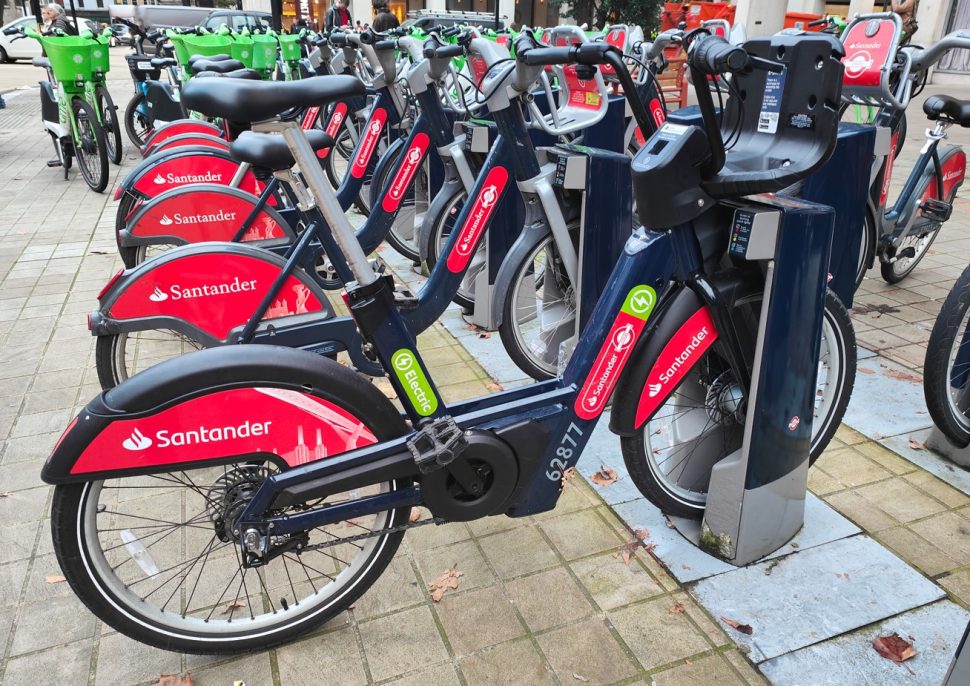
Bike share rates ripped in 2025, especially in London where the availability of cycling infrastructure made riding a bike far more appealing to the masses. It’s most commonly revealed in almost every survey of could be cyclists that safety on the roads is a primary concern and so, as is widely seen in mainland Europe, where cycle paths exist, modal share rates grow very naturally. Now we are the point where cycling is the most prominent rush hour overground transport form and a chunk of that has come courtesy of the availability of bike share rentals. This hasn’t come friction free of course and there continues to be significant pressure on bike share firms to get a handle on pavement parking (all the while cars get away with it), plus there are some boundary issues with bike share that mean some models can cut out when you cross a geofenced line separating one borough from another.
However, trends including generally smaller living conditions in the face of higher rents, plus a fear of bike theft, have granted a tailwind to what is a cheaper than ever way to move. In fact, many schemes can now be used in conjunction with cycle to work scheme savings and so the annualised cost can be shaved by up to 42% for some people.
It’s logical to conclude that while people seek to save money other options for lowering transport costs may include shopping some still quite active sales online, but also looking at second-hand options. There are some inherent risks associated with this when it comes to buying an electric bike second hand, which we explain here.
Brands hone in on their speciality, perhaps at the detriment to the untapped masses
Without naming names, we have noted a trend of brands stepping away from areas where they have not traditionally made their reputation. Given that the bike industry’s history has almost exclusively focused on the enthusiast, that naturally means that there have been some notable withdrawals of brands targeting urban mobility.
This trend, if it persists, concerns us, because the untapped masses of people who do not yet cycle are greater in number than those enthusiasts who already have bikes. To return to a high focus on enthusiasts would, ultimately, take us away from new cyclist creation, which is something our urban spaces are crying out for. Whether its the mathematics of moving high volumes of people in tight spaces, urban noise and pollution, the health of the masses, or the economic upshot of more people cycling for treasuries, we strongly support those brands that are reaching new people because the societal dividends of higher cycling modal share pays all of us.
Related Articles
Size matters and small is actually better
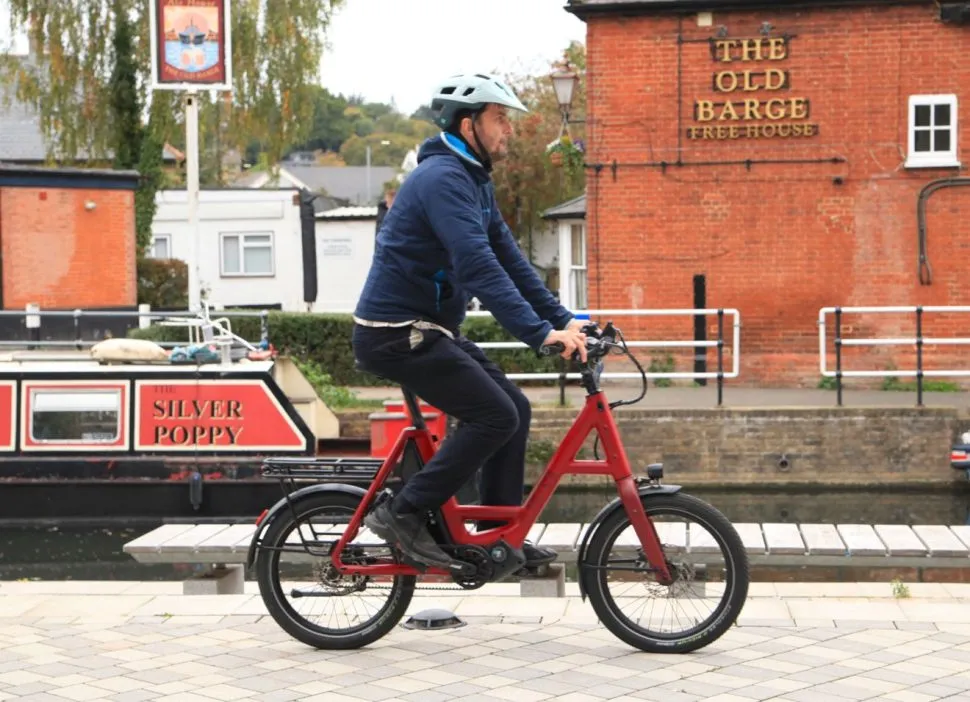
Modern living and transport restrictions have come to dictate something, size matters when it comes to cycles and actually from a storage perspective, a smaller cycle is preferable if you are one of the increasing number of people living in apartments, or shared accommodation. This is the trend of the city dweller and it’s a fact that living spaces in UK cities now average at around a third smaller than they did 25 years ago. For this reason, we strongly suspect that folding bikes, compact bikes and smaller short tail style cargo bikes will come to be big winners compared to full size commuter bikes in the near future.
An attempt at price stability in the electric bike market
Counterintuitively to all that has been written before, we do have some expectation that better value (not necessarily cheaper) quality electric bikes may filter through more in 2026 than they already had in 2025. In particular we have noted a ton of electric commuter bikes dipping below the £2,000 price point that have brought value we have never before seen.
With a removal of dumping duties on Chinese electric bikes it is our expectation that imports from this source will continue to grow and with that there will be a notable separation in pricing on EU-made goods and Chinese products. That gap has always existed, but trade mechanisms previously kept things balanced. Now the brakes are off, so there are fair odds of significantly cheaper entrants coming to market. Here we urge some vigilance when shopping deals online. An electric bike is both a consumer electronics product and a bicycle, so it’s worth considering that there are not many other products of this nature designed to be ridden through puddles. Deals that seem to good to be true often can be, or at the very least some direct to consumer outlets with overseas bases may lack local backup and support. This is something that we actively evaluate on your behalf in our electric bike reviews.
Faster charging
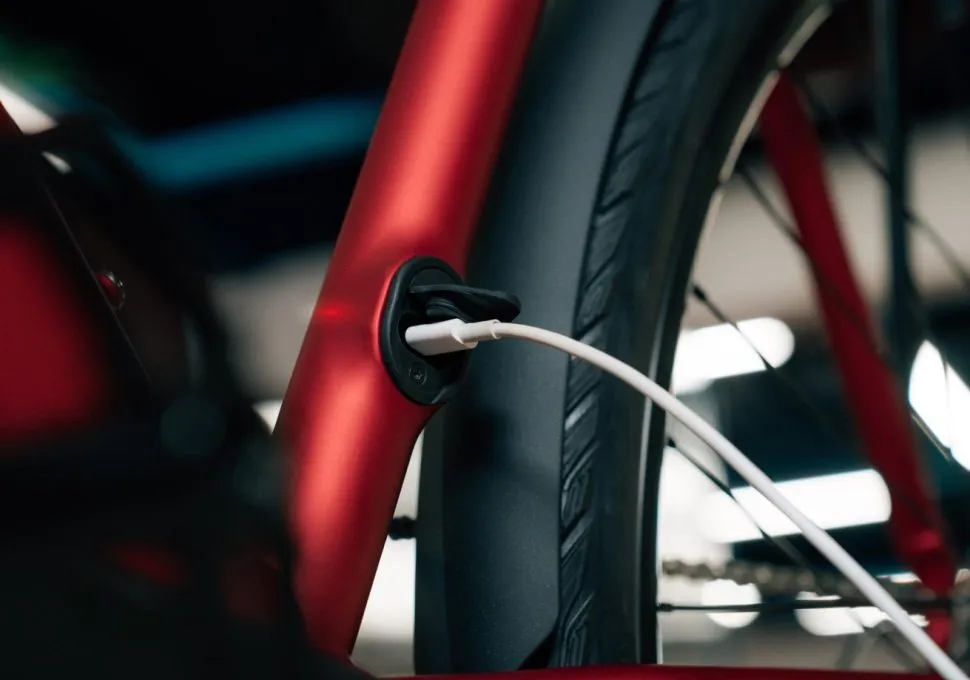
This one seems increasingly more likely for a number of reasons, whether it’s some brands turning to fast-charging USB connections in respect of EU rule changes, a rising tide of brands moving from 2A chargers as standard to 4A or even 6A, or just more general technology improvements. This, to our mind, is bound to result in brands beginning to rethink battery specs on bikes as they juggle how to shave weight and do away with the notion that all e-bikes are heavy.
Lighter electric mountain and cargo bikes
Consumers are screaming this feedback at the top of their lungs, especially women. While it’s tricky to go lighter on a cargo bike, which naturally needs to meet higher strength standards on account of its cargo loading, this is something that consumers have been asking for and some brands are doing their best to strike a balance.
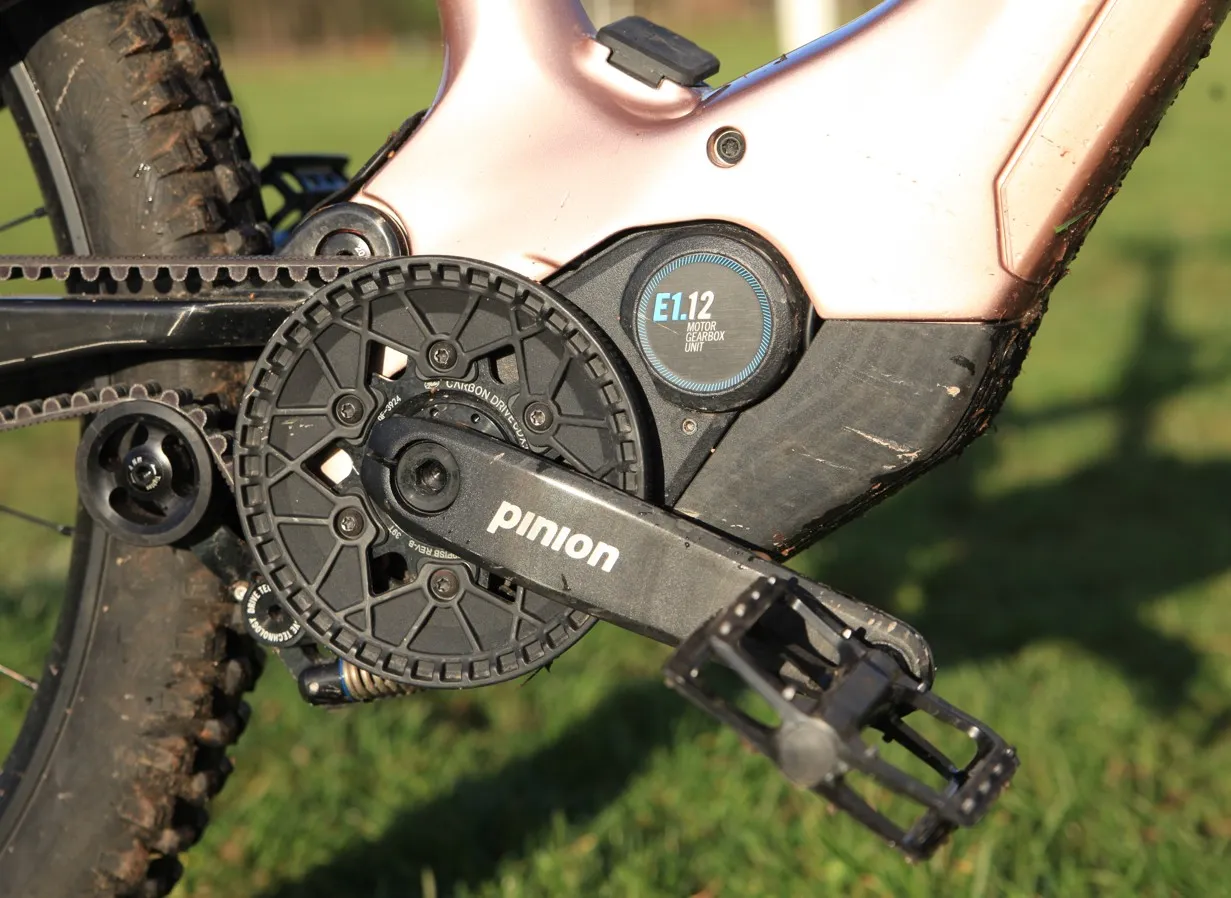
Mountain bikes have more than likely hit a natural limit now on battery integration given how full the frames are and, to be honest, e-MTBs set for the UK market probably don’t need quite as much stashed inside as those for customers in the mountains of Europe, arguably with the exception of those in Wales and Scotland. This is a choice for the e-MTB buying customer, of course, you very often can choose the right spec for your needs, but the 800Wh battery integration is extremely common now. Our bet is that manufacturers will now begin to weigh up range versus weight to a greater degree, especially accounting for the widespread availability of range extenders for those with distance anxiety.
We know we are not the only e-bike press to have taken feedback, in particular from women, that e-bikes are simply too heavy to handle. From the Editor’s standpoint, I too am struggling with some 800Wh battery e-MTBs, which has in part made me warm to the more natural feeling approach taken by brands like Yeti. The upshot, if brands decide that battery capacities have reached a natural ceiling is that less cells means lower cost, something that ticks two major boxes in one hit for buyers.
Gearboxes within motors – slow and steady
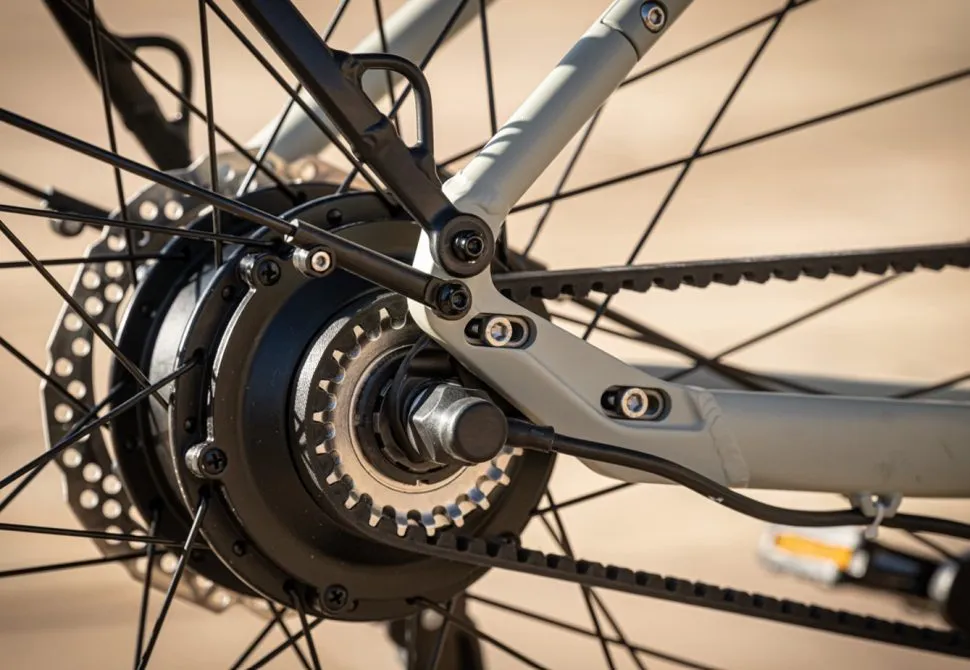
You may assume i mean mid-motor systems, but actually the integration of gears into some hub motors has been equally impressive from an innovation standpoint. Ananda and Bafang are two examples of brands that have integrated a trio of gears into a hub, synching the changing automatically with motor momentum. This has been a seriously impressive and welcome development.
As for mid-motor gearboxes, the jury is still out, though I have been impressed by some units, especially in less aggressive applications. This technology is incredible, there’s no doubting it. I think it will follow a similar trajectory to the belt drive where once upon a time there was doubt about its potential, but over the years the application and technology proves people wrong and before you know it scale begins to reduce the price and they become more common.
Solid state battery tech creeping in
We’re not expecting this to come in any great volume, but the electric motorbike sector is now breaking ground on solid state batteries and that was particularly evident in the press releases we got from the CES trade show this January. Now this technology is in its infancy, so it’s going to be sold at a premium, perhaps too much of a premium for now for the e-bike space, but make no mistake, eventually you’ll start to see this and perhaps some other battery technologies filter through in small doses.
AI: We’ll find out whether consumers want it
 Urtopia
It’s crunch time for AI, can it live up to the hype? Will it blow up the world economy as some are forecasting, further impacting all of the above points on pricing? Do you, the consumer actually want it?
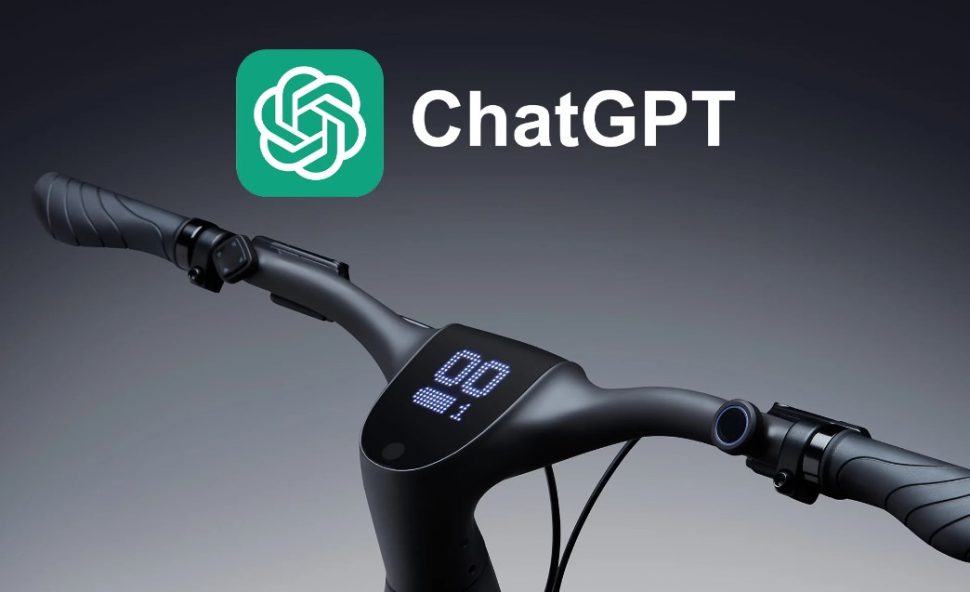
We’ve seen some clever application of AI tools within e-bikes, but this is something that remains in its infancy. We strongly suspect that there will be several disrupter brands that go big on Ai, but probably don’t know so much about bicycle design. If both sets of expertise can be combined, theoretically the sky is the limit on what can be achieved.
For now, we’re impressed by Bosch’s integration of AI to calculate ride plans and battery preservation based on a pre-planned ride route. That’s pretty cool. Do we need more screen time when the whole idea of going for a bike ride is to get away from such things? That’s up for discussion.
Experiences and demos shaping how people buy
Sure, there’s a plug here for Cycling Electric’s Demo Day series, where tickets are now live for test rides in London, Bath and Leeds, but there is a consumer trend where experiences are counting more than physical things. So our Demo Days aside, the connection of people at mass participation events is likely to be a trend as people begin to shun the digital world in favour of lived experiences.
Think you can predict what will happen next in the electric bike market? Let us know in the comments.