

January 12, 2026 — 7:30pm
Save
You have reached your maximum number of saved items.
Remove items from your saved list to add more.
Save this article for later
Add articles to your saved list and come back to them anytime.
Got it
AAA
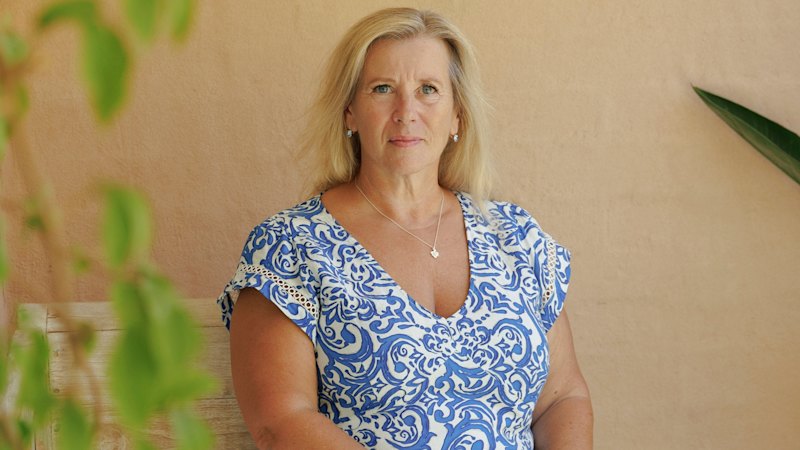
When Vivian Dunstan hit menopause about four years ago, life suddenly got much harder.
Diagnosed with attention-deficit hyperactivity disorder (ADHD) in her 50s, Dunstan had struggled with staying attentive and on time at various stages of her life. But menopause intensified these tendencies. She was overwhelmed easily, had a shorter fuse, and found her capacity to juggle multiple projects had disappeared.
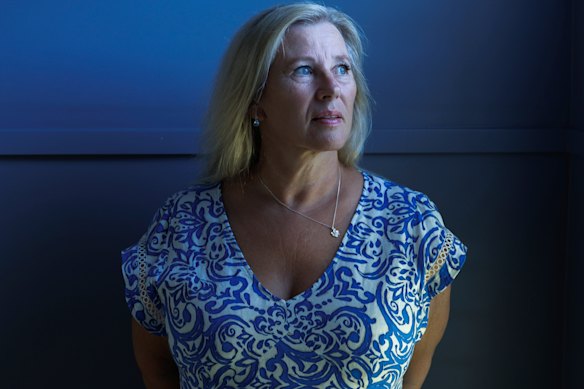 Vivian Dunstan was diagnosed with ADHD in her 50s and noticed her symptoms worsen during menopause. Max Mason-Hubers
“It just feels like that margin I used to have to cope with life has gone,” she said. “Everything’s a bit more effort now.”
Her experience is not unique. In an Australian study involving 600 women diagnosed with ADHD, almost all (97 per cent) who had been through menopause reported their symptoms worsened during that period.
ADHD has historically been associated with hyperactive boys but is increasingly being diagnosed in women, who are more likely to display the inattentive traits associated with the condition.
This means the effect of women’s hormones on ADHD symptoms has attracted little research – something the authors of the study, to be published in the February edition of the Journal of Psychiatric Research, wanted to tackle by investigating their influence across key life stages.
“We could be helping these women who are experiencing changes … getting to the underlying mechanism, and seeing how we might be able to improve their treatments,” said lead author and Monash PhD candidate Elyssa Osianlis.
Associate Professor Caroline Gurvich, a clinical neuropsychologist and co-author of the study, said menopause causes a drop in levels of oestrogen, which shields the brain against inflammation and cell death.
“Our brains adapt, but that transition phase, for many women, is a time of vulnerability,” Gurvich said. “That’s when it seems to highlight, or perhaps uncover, an ADHD there’s always been there.”
More than 70 per cent of women surveyed reported their ADHD symptoms worsened after giving birth. Eighty-eight per cent said their ADHD changed over their menstrual cycle, with most (74 per cent) reporting worse symptoms during the luteal (second half) of their cycle.
Related Article
The next stage of the research is to use brain imaging and hormone analysis to build cognitive profiles of women with ADHD, Gurvich said.
Dr Kristi Griffiths, a behavioural neuroscientist at the University of Sydney who was not involved with the study, said the survey was a first step towards understanding the role of female sex hormones on mental health over a lifetime.
“Typically, research has taken the easier route, which is males with their more steady systems,” Griffiths said. “Women with ADHD brains are already having to work harder to help them be organised and motivated, but these [hormonal changes] just add another challenge.”
Dunstan, who founded ADHD Support Australia to help others navigate their diagnosis, said the research was validating for women with ADHD who had received late diagnoses or noticed things becoming harder in midlife.
“Women have been thinking, ‘it’s just me’, and they’re just trying to push themselves harder instead of being a bit kinder to themselves,” she said.
Start the day with a summary of the day’s most important and interesting stories, analysis and insights. Sign up for our Morning Edition newsletter.
Save
You have reached your maximum number of saved items.
Remove items from your saved list to add more.
From our partners