
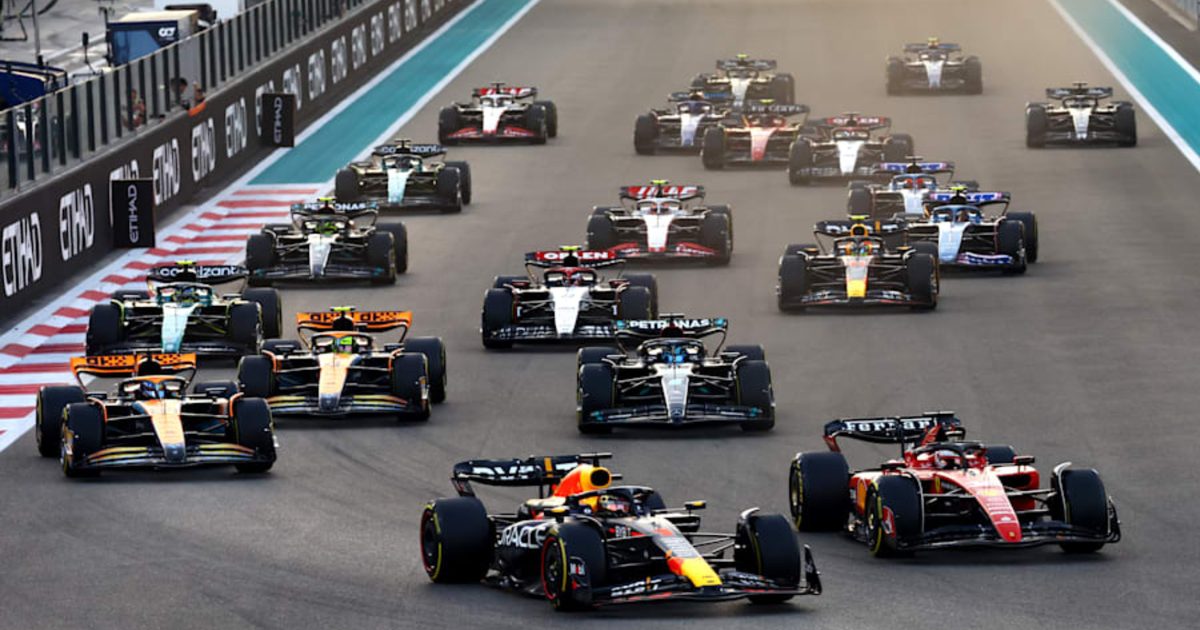
Anticipation is building as the beginning of the 2026 FIA F1 World Championship season gets closer. In mid-February, 11 Formula 1 teams and 22 drivers get their first chance to show off their new cars to the public, and to the other teams, during two testing sessions at Bahrain. The first session runs February 11-13 and the second testing February 18- 20. The Australian Grand Prix starts the 2026 season on March 6-8 at the Albert Park Circuit in Melbourne, Australia. As in most recent years, there are 24 Grand Prix on the 2026 schedule, beginning in Melbourne and ending December 4-6 in Abu Dahbi.
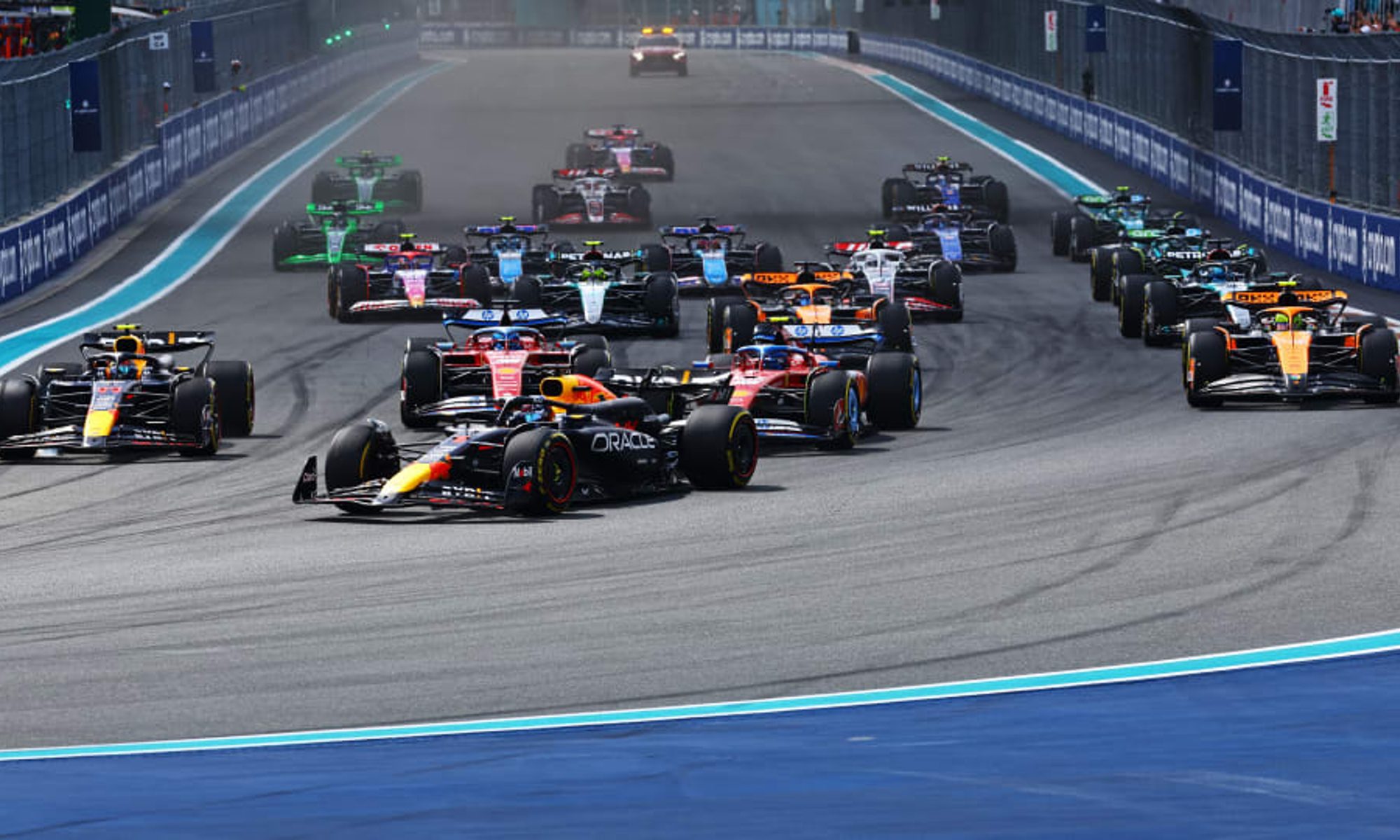
This year six of the 24 Grand Prix events will follow the Sprint race format. The Sprint is an extra, shorter race, first added in 2021 to add excitement for fans. A standard Grand Prix event spans three days with two practice sessions the first day, a third practice session and a qualifying raced to decide Grand Prix starting positions on the second day, and the Grand Prix itself on the third day. With the Sprint format, day one includes the sole free practice session plus a Sprint qualifying event. Day two includes the Sprint race and the Grand Prix qualifying event. The Grand Prix is on day three. This year’s Sprint format race events, as noted on the calendar below, will be at Shanghai, Miami, Montreal, Silverstone, Zandvoort, and Singapore.
2026 Formula 1 Grand Prix schedule
F1
DatesLocationRaceMarch 6-8 Albert Park Circuit, Melbourne, AustraliaAustralian Grand PrixMarch 13-15 (Sprint format)Shanghai International Circuit, ChinaChinese Grand PrixMarch 27-29Suzuka Circuit, JapanJapanese Grand PrixApril 10-12Bahrain International Circuit, BahrainBahrain Grand PrixApril 17-19Jeddah Corniche Circuit, Saudi Arabia Saudi Arabian Grand PrixMay 1-3 (Sprint format)Miami International Autodrome, FloridaMiami Grand PrixMay 22-24 (Sprint format)Circuit Gilles-Villeneuve, Montreal, CanadaGrand Prix du CanadaJune 5-7Circuit de Monaco, MonacoGrand Prix de MonacoJune 12-14Circuit de Barcelona-Catalunya, SpainGran Premio de Barcelona-CatalunyaJune 26-28Red Bull Ring, Spielberg, Styria, AustriaAustrian Grand PrixJuly 3-5 (Sprint format)Silverstone Circuit, Great BritainBritish Grand PrixJuly 17-19Circuit de Spa-Francorchamps, BelgiumBelgian Grand PrixJuly 24-26Hungaroring, HungaryHungarian Grand PrixAugust 21-23 (Sprint format)Circuit Zandvoort, NetherlandsDutch Grand PrixSeptember 4-6Autodromo Nazionale Monza, ItalyGran Premio d’ItaliaSeptember 11-13Madring circuit, Madrid, SpainGran Premio de EspanaSeptember 24-26Baku City Circuit, AzerbaijanAzerbaijan Grand PrixOctober 9-11 (Sprint format)Marina Bay Street Circuit, SingaporeSingapore Grand PrixOctober 23-25Circuit of The Americas, Austin, TexasUnited States Grand PrixOctober 30 – November 1Autodromo Hermanos Rodríguez, Mexico City, MexicoGran Premio de la Cuidad de MexicoNovember 6-8Autodromo Jose Carlos Pace (Interlagos), Sao Paulo, BrazilGrande Premio de Sao PauloNovember 19-21Las Vegas Strip Circuit, Las VegasLas Vegas Grand PrixNovember 27-29Lusail International Circuit, Doha, QatarQatar Grand PrixDecember 4-6Yas Marina Circuit, Abu DhabiAbu Dhabi Grand Prix
New rules and regulations will challenge F1 drivers and engineers
Courtesy of Formula 1
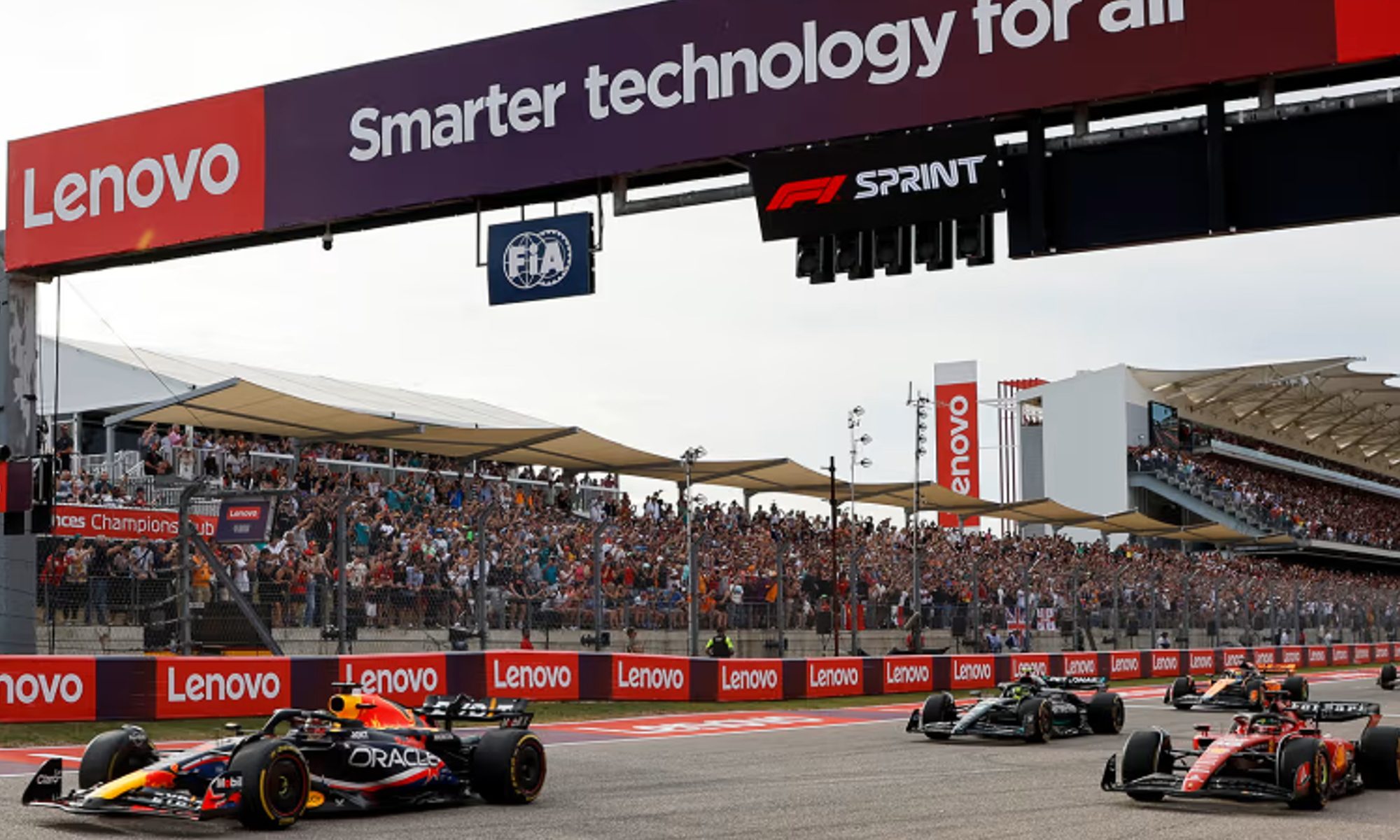
F1 teams work hard to improve their cars’ performance each season, and for that matter, between every race. However, 2026 presents a much greater challenge (or opportunity) than usual, because it’s the first year of a new generation of race cars that are smaller, use different power unit setups, and, for the first time, must run on biofuel. I’ll cover the changes in the FIA F1 Rules & Regulations for the cars and the FIA’s new rules for competing in subsequent articles before the Grand Prix in Melbourne.
The changes in technical and driving regulations, the latter called “sporting” rules and regulations by the FIA, have two primary goals: increasing opportunities for cars to pass, or overtake, other race cars and improving F1’s sustainability. Many Grand Prix-worthy have few points where overtaking is possible, especially circuits like Monaco and Azerbaijan that are run on very old city streets. The new cars will be narrower have smaller tires than the previous generation. The power units in the previous generation were hybrid, with combustion engines and electric motors with batteries. The new generation cars will continue to have two power sources, but with a greater higher percentage of the power from the electric motors.
Courtesy of General Motors
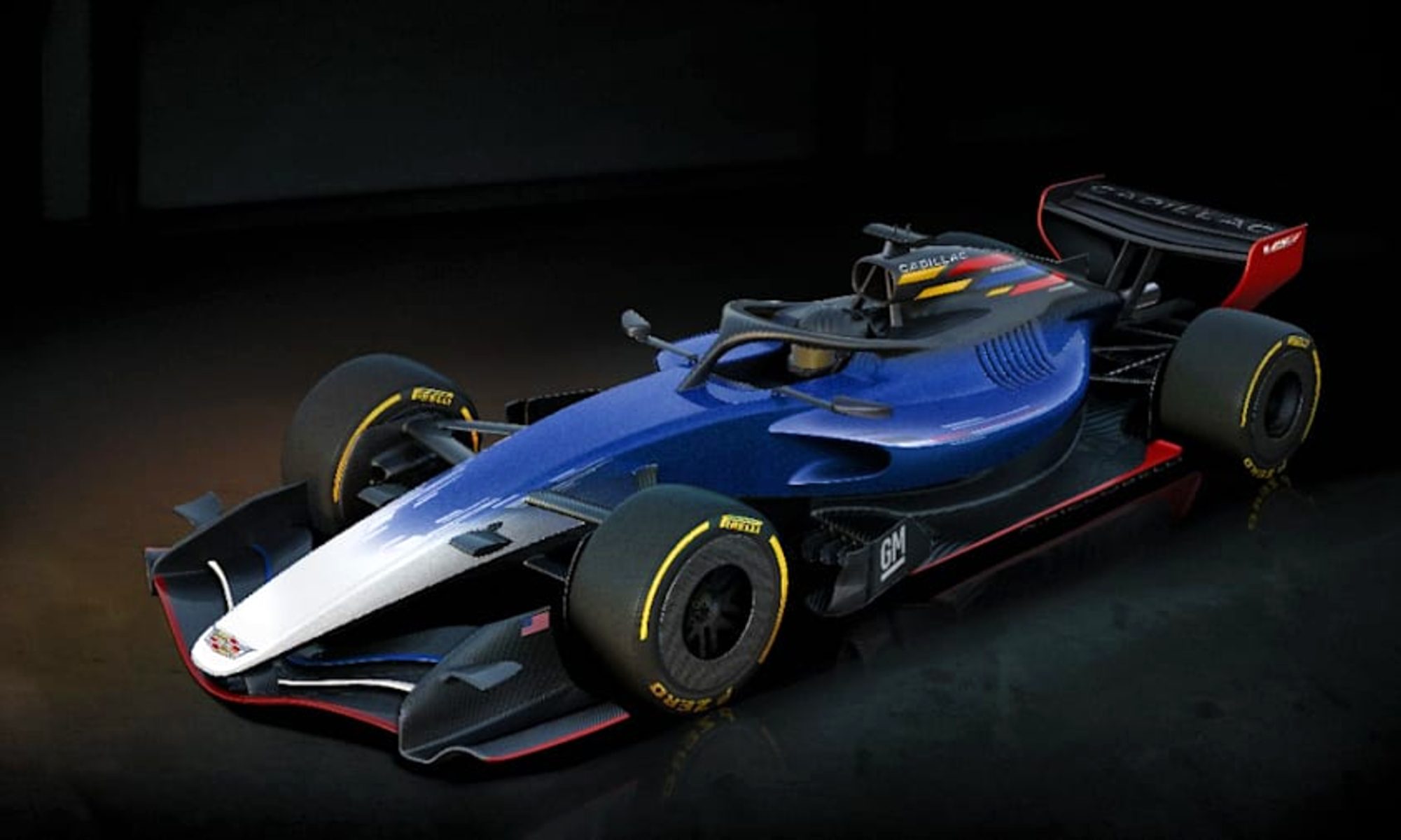
The eleven teams on the 2026 F1 starting grid include newcomer Cadillac. When the FIA eventually decided to allow Cadillac to field a team, one of the requirements was that Cadillac becomes an engine supplier, offering power trains and development for other teams, as Mercedes and Ferrari have done in the past. Cadillac has until 2028 to develop their own engines. This year they’ll race with engines supplied by Ferrari.
Two other team and power unit changes are noteworthy for 2026. Audi now owns supplies engines for the former Sauber team. Red Bull ended its relationship with Honda and is now developing power units with Ford. Red Bull Ford will supply the power to both of its teams: Racing Bull Racing and the Racing Bulls.
Speculation and questions about which drivers are likely to win the 2026 Championship will start early in the season, but at this point, the initial interest will be in which teams get it right with the new rules and specifications.