
Two decades ago the BBC comfortably dominated the most watched shows of the year.
Its programmes accounted for half of the top 100 most watched shows — led by an episode of EastEnders in which Dirty Den was murdered, watched by 14 million people.
Meanwhile 5,000 miles away a trio of Americans had uploaded the first video on a new website that went by the name of YouTube — a 19-second clip called Me at the Zoo.
Twenty-one years later the video-sharing platform has overtaken the BBC for short-term viewers.
According to data gathered by the independent ratings body Barb, the number of people watching YouTube for at least three consecutive minutes per month has consistently been higher than the figure for the BBC since it started measuring it in October.
Barb found YouTube reached 51.9 million people in December, ahead of the 50.9 million who tuned in to the BBC.
BBC insiders have played down the findings, pointing out that it continues to comfortably dominate its digital rival in what it considers to be more significant measurements.
Steven D Wright, a TV veteran, called the figures a “tragedy”. He said: “The tipping point is here and we are now living in a world dominated by YouTube and the streamers. The TV audience has abandoned the discipline of scheduled TV, and on-demand viewing has killed any loyalty. Who wants to wait when you can click your phone? That audience is slowly dying off and it’s a tragedy.”
The BBC argues that it continues to outperform YouTube when you measure the number of people who watch for at least 15 minutes, which provides a more relevant metric for its long-form TV shows.

Christopher Eccleston in Doctor Who, which has been a ratings winner for the BBC
“The UK watches significantly more BBC TV than that of any other provider,” it said. “In 2025 UK audiences watched 351 million hours on the BBC each week, which is far ahead of anyone else. When we focus on reach, we look at a minimum of 15 minutes as an appropriate measure for long-form content, and by that measure the BBC continues to lead the way.”
Others agreed, preferring to avoid pessimism about the demise of the traditional broadcasters.
• Wimbledon chiefs to tell BBC to revamp stale, outdated coverage
Liam Hamilton, a media consultant and former TV executive, suggested that many might be viewing the broadcaster’s content on YouTube. He said: “How much of that YouTube viewing is to the BBC?”
The broadcaster’s YouTube channel includes several clips that have generated tens of millions of views including natural history footage of an ibex, a prank by Adele and a performance by Will and Jaden Smith.
In 2024 YouTube overtook ITV to become the second most watched broadcaster, accounting for 19 per cent of video watched, according to the media regulator Ofcom.
Its progress has been boosted by older adults turning to the digital platform as it began to mirror traditional TV more closely, with a growing number of long-form interviews and documentaries.
Almost two thirds of trending YouTube material is estimated to be of that sort, and 41 per cent of in-home viewing now takes place on a television set.
• The state of the BBC in numbers: licence fee evasions and public trust
In its Global Culture and Trends 2025 report, published last month, YouTube said that accusations that it was exacerbating the dwindling of attention spans were misplaced.
“While focus is on the undeniable growth of short-form video, something interesting has been happening: long-form content’s popularity has been thriving, too,” it said.
“The endurance of long-form is not just counter to the prevalent narrative about the direction of video creation and consumption, it is also a cultural mandate. Viewers are seeking more profound and more insightful content, perhaps precisely in reaction to the feeling of surface-level information. Authenticity, depth and trust will always demand — and receive — the audience’s full attention.”
A recent government green paper, looking forward to the BBC’s charter renewal, questioned whether the BBC needed to embrace YouTube more tightly.
“We need to ask whether the BBC’s current approach is right for all audiences, or if further expansion in its use of third-party platforms could bring audiences and the organisation itself additional benefits,” it said.
And what about YouTube’s first video? Me at the Zoo now has more than 379 million views, and Jawed Karim, who posted it, has 5.8 million subscribers.
What to watch: The Times’s top YouTube creatorsChicken Shop Date (subscribers: 3 million; videos: 451)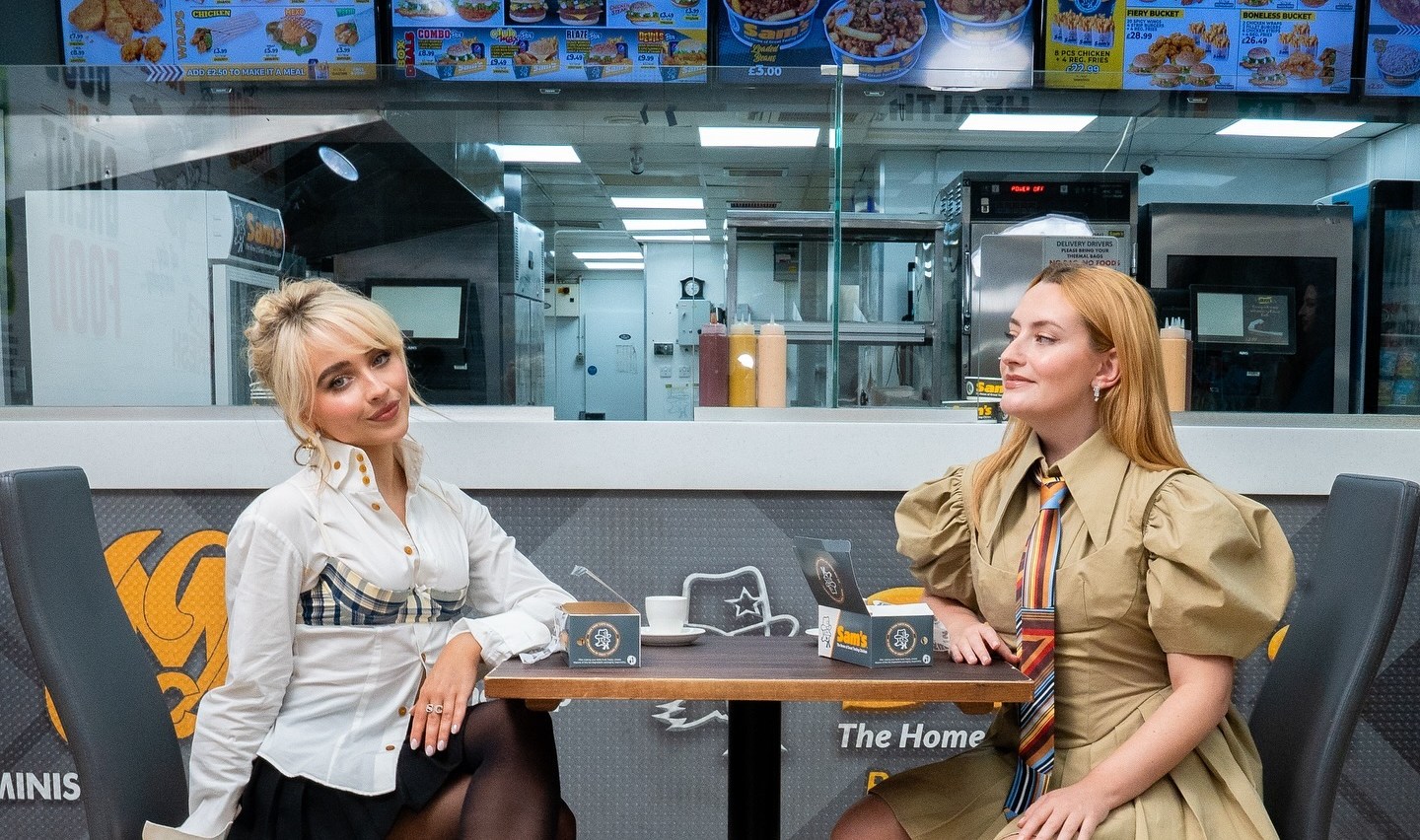
Easy to dismiss at first glance, it is worth sticking with Amelia Dimoldenberg’s “refreshingly awkward” encounters with celebrities including Hugh Jackman, Jennifer Lawrence and Idris Elba. The direct questions, laced with feigned sexual tension, awkward pauses and snappy editing make the encounters something of a comedy masterclass.
Gardening with Alan Titchmarsh (subscribers: 90,000; videos: 197)
About as far from chicken shops as it is possible to get, the 76-year-old Titchmarsh started his channel nine months ago in a bid to share his passion with fellow enthusiasts. The homely-feeling service starts with tips for window boxes and works its way up.
Kurzgesagt — In a Nutshell (subscribers: 25 million; videos: 334)
Gloriously animated scientific videos from a team of illustrators, animators and number crunchers whose founding principle is “optimistic nihilism”. Ostensibly for younger audiences, videos such as The Fermi Paradox — Where Are All the Aliens, Why Black Holes Could Delete The Universe and The World War of the Ants are a goldmine of information for all ages.
Rory Sutherland (subscribers: 11,000; videos: 124)
As vice-chairman of the advertising agency Ogilvy Sutherland’s self-described “attractively vague job title” has allowed him to co-found a behavioural science practice to shine a light on consumer behaviour. Something of an unlikely influencer, Sutherland’s short posts explore loyalty cards, unconscious bias and how retirement dates ruin lives.
The Tim Traveller (subscribers: 384,000; videos: 169)
Who watches travel videos for nerds? The Times’s science writer Tom Whipple for one. Tim’s channel showcases the world’s oddities from Paris’s fake buildings and Vennbahn, the world’s weirdest border, to exploring Why The Dutch Built A Motorway In The Sea.
GothamChess (subscribers: 7 million; videos: 2,948)
The “internet’s chess teacher” is dedicated to showing fans how to checkmate after a surge in popularity for the game. Videos range from an idiot’s guide to chess and profiles of Indian grandmaster Viswanathan Anand to analysis of advanced AI chessbots.
Mrwhosetheboss (subscribers: 22 million; videos: 1,800)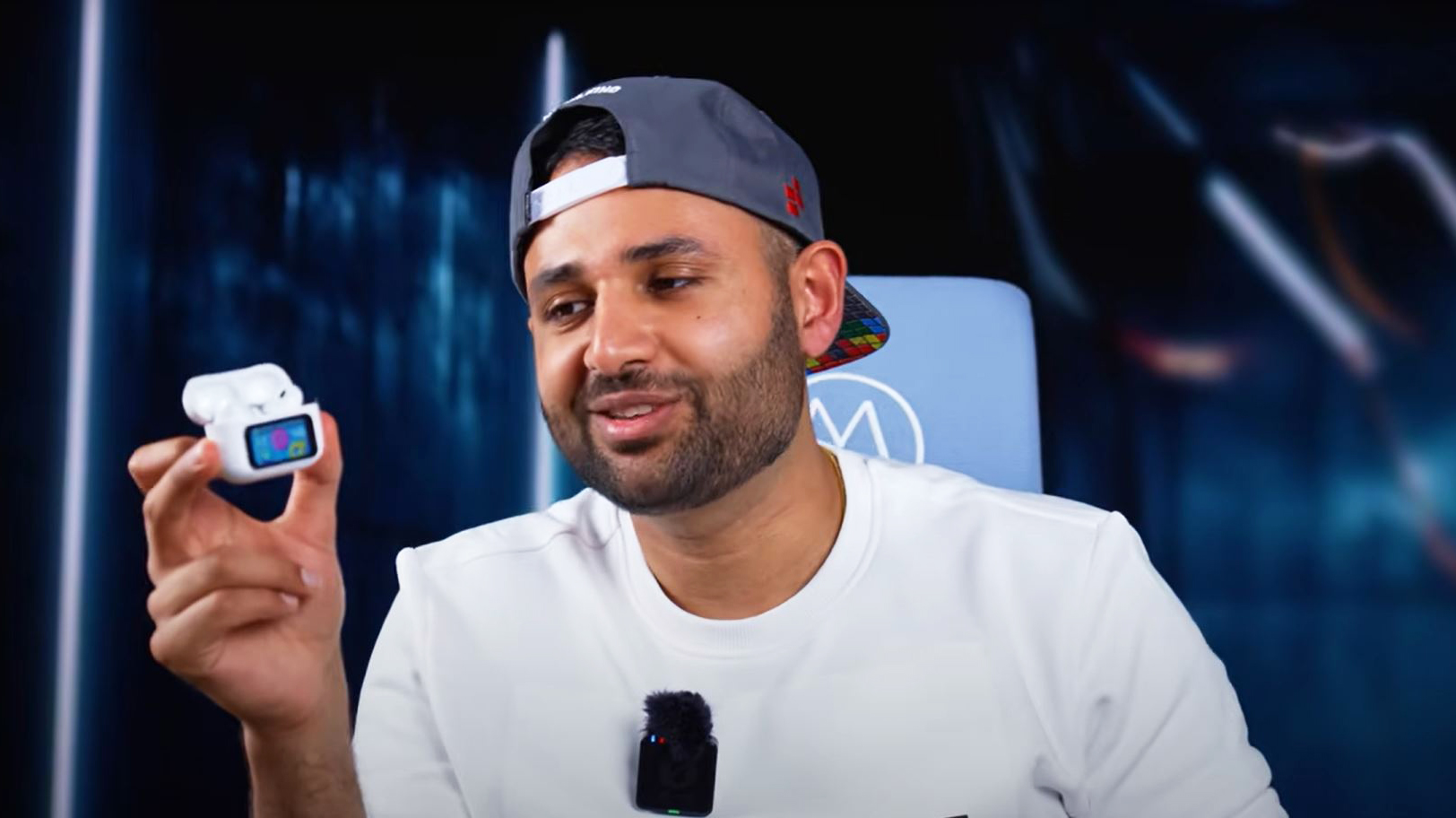
Ranked among the top creators in the UK by YouTube last year, Arun Maini, an economics graduate, explores the latest tech releases. Reviews of the latest launches are interspersed with more ambitious videos including tests of illegal North Korean smartphones, Nike’s top secret shoe and Amazon’s “shady” basics range.