
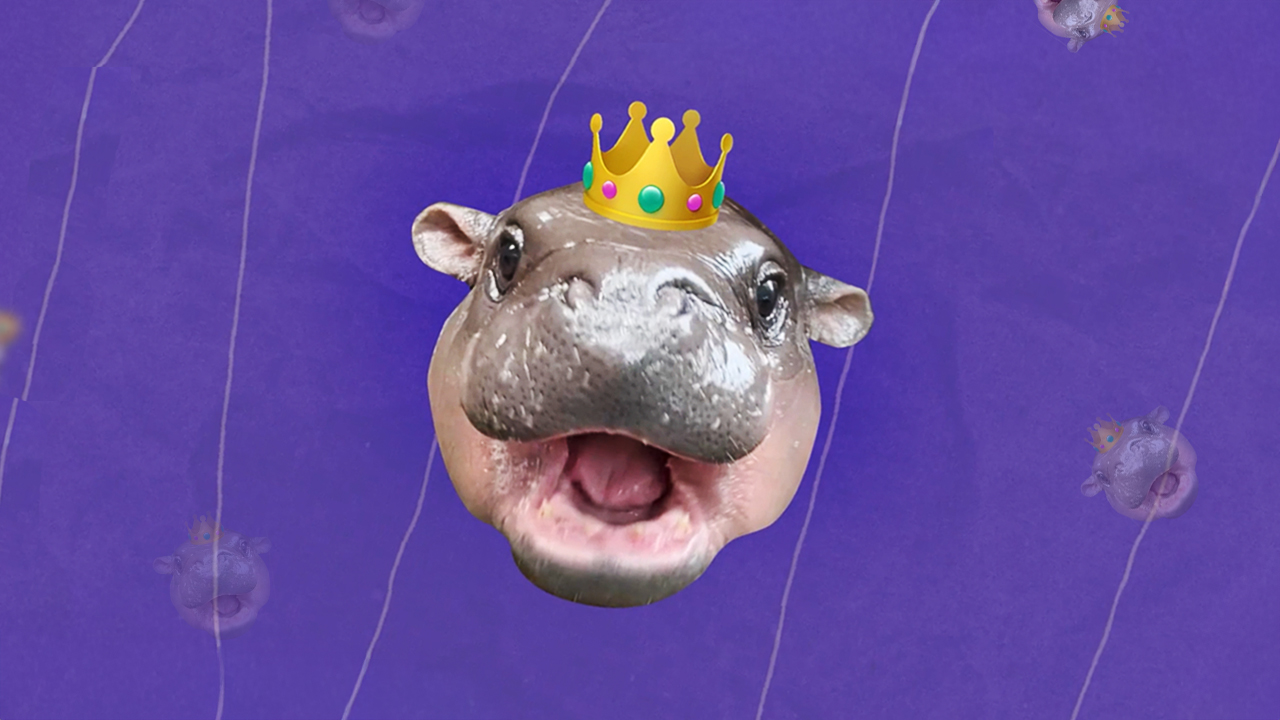
Social media loves a charismatic, cute, relatable animal. Personalities like Neil the elephant seal and Pesto the giant baby penguin have captivated millions online. And let’s not forget Moo Deng – the pugnacious baby pygmy hippo who exploded onto the scene in late 2024. Viral clips of her wreaking tiny havoc in Thailand’s Khao Kheow Open Zoo made her an overnight sensation, spinning off tons of memes, fan art, and even parodies halfway across the world.
Watch our latest episode of Mongabay Explains to find out if being Internet-famous can help a species survive… or even thrive?
Mongabay’s Video Team wants to cover questions and topics that matter to you. Are there any inspiring people, urgent issues, or local stories that you’d like us to cover? We want to hear from you. Be a part of our reporting process—get in touch with us here!
Notice: Transcripts are machine and human generated and lightly edited for accuracy. They may contain errors.
Who doesn’t love a viral animal? There’s Neil the seal, Pesto, I’m just a baby. Tupi, and the grand baby of them all: Moo Deng. They’re funny, goofy, and weirdly human. No wonder we’re obsessed. But some of these animals are in danger of disappearing from our planet forever., let alone our feeds. Moo Deng is a pygmy hippo, a species native to West Africa. It’s estimated there are no more than 3000 individuals left in the world. So I wanted to know, could being internet famous help a species survive and even thrive? Moo Deng first exploded into the limelight in 2024, from her little pen in a Thai zoo. This photo of her getting picked up by her caretaker went viral, more than tripling visitors to the zoo, inspiring tons of memes, fan art, merch and parodies halfway around the world. What is your talent? Having a slippery body that bounces. So what made her so popular? One word: rizz. Also known as the traits of the species that make it human. So Moo Deng has got all of those elements of charisma. She’s got those big forward facing eyes and that sort of cute round face, the thing that really, elicits caregiving behavior in humans She’s got, a size thing. She also exhibited behavior oo Det was super relatable to humans. Madang was the perfect candidate to become a sort of mascot for pygmy hippo. Conservation. Also known as a flagship species Flagship species are instantly recognizable and they are organisms that people, really like. And they serve to elicit donations and to get people interested in conservation. Like the WWF’s instantly recognizable panda. So was Moo Deng sudden fame a good thing for her species? To answer that question, I reached out to Professor Paris, who founded a pygmy hippo conservation program. Trying to get funding for the conservation work that we do is actually quite difficult. And then all in a sudden, Moo Deng became a crazy phenomenon in the world. I thought, this is fantastic. Monique’s team struck up a partnership with Moo Deng’s zoo to raise funds for pygmy hippo conservation. During Moo Deng’s first birthday, that could create awareness for our conservation projects. Her birthday celebration drew 12,000 guests by the first afternoon. But. we were actually very disappointed to learn that it’s only led to two small donations, Personally, I haven’t seen a big difference in terms of interest for the species. But this isn’t the end of the story for Moo Deng, since viral fame has worked out for other species like Hermes the Caracal. His face card: ten out of ten. He became almost like an urban wildlife celebrity. That’s Gaby. She’s part of the Urban Caracal Project. We study caracals that live in and around the city of Cape Town to understand how urban development affects their behavior and ecology. Since 2014, Gaby and Laurel have been sharing their scientific work on social media, Last year, they studied the role of social media in making caracals popular, finding that the cat’s looks play a big role in capturing public interest in their conservation. People used to actually go out looking for him specifically, Hermes really helped people feel a personal connection to Cape Town. A big part of the project is public sightings that are reported to us via our website. Which for the project is good proxy for understanding how caracals are using the landscape. Now check this out. Since the project started, Cape Town citizens are contributing more and more sightings to the project, demonstrating growing awareness and engagement with the project and its conservation aims. While Hermes isn’t as famous as Moo Deng.—sorry bro—this project shows that with sustained long term efforts by people who care and the involvement of a local community, being internet famous can help a species out. But hold up a second. What about all the not so pretty animals? Surely they deserve protection too?Thankfully, conservation isn’t just looking out for the well-being of good-looking species We are actually trying to conserve the pygmy hippos. But by doing that we are actually protecting the whole ecosystem and many other species. like the red colobus monkeys, mangabes, Diana monkeys, chimpanzees, forest buffalo, diurkers, amphibians and the reptiles that also live there. Today, Moo Deng’s species is facing a whole host of threats. Habitat decline. poaching. logging. gold mining climate change. These are all human created problems, so the solutions have to come from humans. We have a yearly pygmy hippo day. What we’ve already seen now by having this pygmy hippo day for more than ten years is that, you know, local people are actually more interested in becoming conservationists than becoming poachers. And we’ve actually given new jobs to old poachers. It’s clear that depending on an animal’s rizz, while helpful, isn’t enough to save it. You don’t want conservation to be a popularity contest. Conservation is actually a really long project. And so you want sustained support for conservation. So while Moo Deng hasn’t exactly used her platform to help her kin across the world yet, her allies are not giving up. There’s been a couple of discussions between us the two partners to talk about how we can do this better. I’m still excited, because I still believe that this partnership can make a big, big difference. We will not stop till the pygmy hippo is no longer an endangered species.